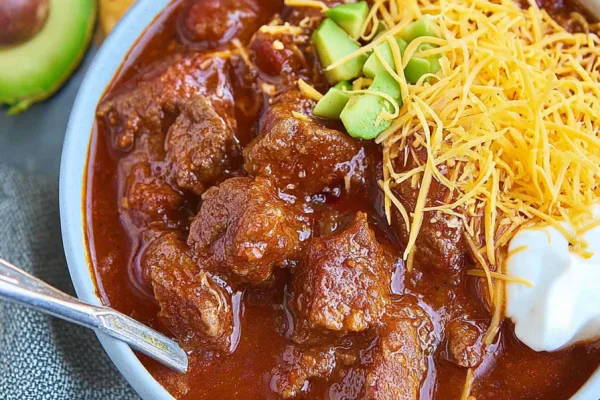
Red Beef Chili
By Emma
Certified Culinary Professional
·
Recipe tested & approved
Red Beef Chili uses diced beef browned in batches with spices and dark beer, blended fresh peppers, tomato, and beef stock simmered for hours to build layers of flavor and texture.
Prep:
20 min
Cook:
100 min
Total:
120 min
Servings:
12 servings
I made this last Tuesday and honestly the red beef chili thing finally clicked for me. Like I’d been making ground beef versions forever but cubed meat changes everything once you give it enough time. The browning step takes longer than you think but that’s where half the flavor lives.
Why You’ll Love This Recipe
- You brown beef in batches so it actually gets a crust instead of just steaming in its own juice
- Dark beer deglazes all those stuck bits and soaks into the meat before it evaporates
- Fresh peppers get blended smooth so the heat spreads evenly without chunks to dodge
- It simmers for over an hour which sounds long but you’re mostly ignoring it
- Maple syrup at the end does this weird balancing thing with the acidity I didn’t expect
- The texture ends up thick and almost silky, not watery like when you rush a beef chili
The Story Behind This Recipe
I got tired of ground beef versions tasting flat no matter how much cumin I added. A friend mentioned she always uses cubed stew meat and browns it hard in a dry pot, and I thought that sounded annoying but I tried it anyway. Turns out the crust you get from proper browning builds layers you can’t fake with spice blends alone. The blended pepper base came from wanting heat without biting into a jalapeno seed and regretting it. I tested this after work last Tuesday and it took longer than I planned but the smell filling my kitchen made it hard to care. Now it’s my go-to when I actually have time and want something that tastes like I thought about it.
What You Need
You’re grabbing cubed beef from the meat counter, whatever stew meat they’ve got cut into chunks. I used about 3 pounds and that felt right for the amount of liquid later. Fine sea salt and ground black pepper season the raw meat before it hits the heat. You need 4 tablespoons olive oil total but you’ll split that up between browning batches and cooking the onion.
Ground cumin goes on after the beef browns, not before, because toasting it against hot meat does something the spice can’t do sitting in a jar. Dark beer deglazes the pot and I used a porter but anything dark and not too hoppy works. One onion gets diced and you’ll need garlic minced, however much you normally use when a recipe just says garlic.
The pepper situation is specific: jalapeno, habanero, chipotle and poblano peppers. I didn’t measure them precisely but used two of each except one habanero because those are intense. They all get blended smooth later so size doesn’t matter as much as having that mix of heat levels. Crushed tomatoes and beef stock make the base, and you’ll finish with maple syrup which sounds weird until you taste what it does to the acid. Sour cream and cheddar cheese are just for topping at the end.
How to Make Red Beef Chili
Toss your cubed beef in a big bowl with sea salt and black pepper, making sure every piece gets coated. Heat 2 tablespoons of that olive oil in your Dutch oven over medium-high until it shimmers and looks ready. Add about a third of the beef in one layer, not piled up, and stir it around for 3 to 4 minutes until you see a light brown crust forming. The smell hits you fast, that caramelized meat scent that makes you realize why this step matters.
Pull that first batch onto a plate with paper towels and dump any liquid that pooled in the pot, but leave those brown stuck bits alone. Do the same thing two more times with the rest of the beef, using the same oil and technique. After the last batch drains, throw all the beef back in and sprinkle cumin over everything. Let it sit and brown harder for 3 minutes, stirring once or twice.
Pour in your dark beer and scrape the bottom of the pot with a wooden spoon to get those caramelized bits mixed back into the meat. Turn the heat down and let it simmer until the beer mostly disappears into the beef. Take the meat out and set it aside for now.
Add the last 2 tablespoons olive oil to the same pot. Throw in your diced onion and cook it for around 5 minutes, stirring enough that it softens and starts looking see-through. Toss in the garlic and give it 2 more minutes. The kitchen smells ridiculous at this point.
Add all your peppers—jalapeno, habanero, chipotle, poblano—and crank the heat back to medium-high. Sauté them until they soften but still have some bite. I noticed the poblanos collapse faster than the others. Mix in the crushed tomatoes and beef stock, bring it to a simmer, and let it bubble for 20 minutes while it thickens up.
Grab your immersion blender and puree everything in the pot until it’s smooth and no chunks are floating around. This is when the beef chili recipe transforms from chunky vegetables into an actual sauce. Return the beef to the pot, lower the heat to a gentle simmer, and walk away for at least an hour. Stir it every 15 minutes or so. The color gets darker and the whole thing tightens up. Right before you serve, stir in maple syrup and watch it mellow the sharpness without killing the heat.
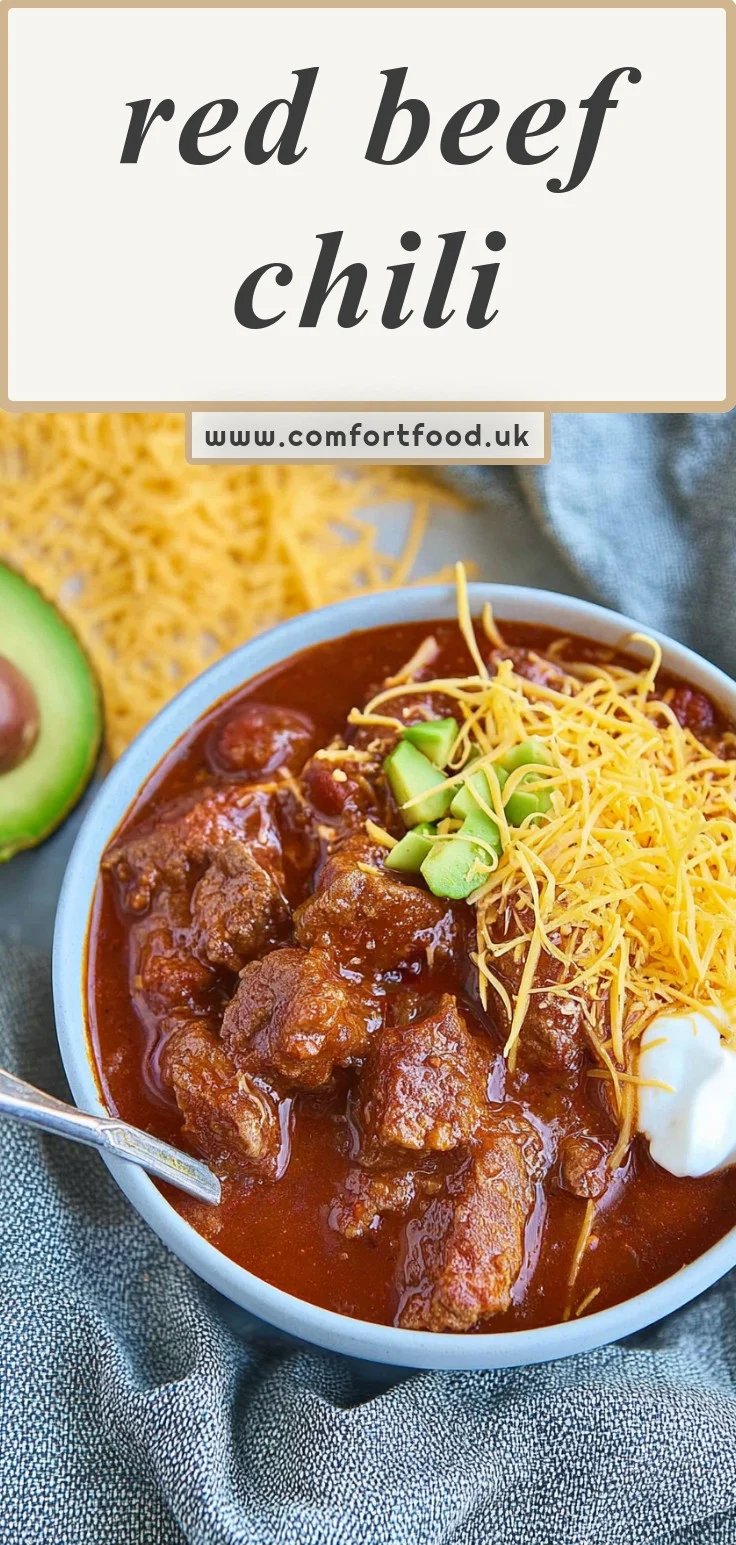
Ladle it into bowls. Top with sour cream and cheddar. I ate mine with rice but it’s solid on its own.
What I Did Wrong the First Time
I crowded the beef in the pot during the first browning round because I didn’t want to deal with three separate batches. Everything just steamed and turned gray instead of getting that crust the recipe kept talking about. The whole flavor base suffered because I skipped the patience part. When I made it again last Tuesday I forced myself to do it right, smaller batches with space between the pieces, and the difference was obvious from the first bite. It’s annoying but it’s the thing that makes this spicy beef chili work.
Red Beef Chili
Prep:
20 min
Cook:
100 min
Total:
120 min
Servings:
12 servings
Ingredients
- Cubed beef, amount as needed
- Fine sea salt
- Ground black pepper
- 4 tablespoons olive oil, divided
- Ground cumin
- Dark beer
- 1 onion, diced
- Garlic, minced
- Jalapeno peppers
- Habanero peppers
- Chipotle peppers
- Poblano peppers
- Crushed tomatoes
- Beef stock
- Maple syrup
- Sour cream (for topping)
- Cheddar cheese (for topping)
Method
- 1 In a large bowl, season the cubed beef generously with fine sea salt and ground black pepper, tossing to coat each piece evenly.
- 2 Heat 2 tablespoons of olive oil in a large Dutch oven or heavy stockpot over medium-high heat until shimmering. Add about one-third of the beef in a single layer. Stir and toss for 3 to 4 minutes until the surface is evenly light brown and a crust forms, releasing a rich, meaty aroma. Transfer browned beef to a plate lined with paper towels to catch drippings. Pour off excess liquid from the pot but leave the browned bits stuck to the bottom.
- 3 Repeat browning with the remaining beef in two more batches using the same technique. After the last batch, drain any remaining liquid from the pot. Return all browned beef to the pot and sprinkle ground cumin over it. Stir to coat and let the meat brown further for 3 minutes, coaxing out deeper flavors through the heat.
- 4 Pour in dark beer to deglaze the pot, scraping up the fond with a wooden spoon to incorporate those caramelized bits back into the meat. Lower the heat to a gentle simmer, allowing the beer to soak into the beef until nearly all liquid evaporates. Remove beef from the pot and set aside.
- 5 Add the remaining 2 tablespoons olive oil to the pot. Toss in the diced onion and sauté for around 5 minutes, stirring frequently until the onion softens and begins to turn translucent. Add minced garlic and cook for 2 more minutes, letting its fragrant sharpness fill the kitchen.
- 6 Add jalapeno, habanero, chipotle, and poblano peppers to the pot. Increase heat to medium-high and sauté until the peppers soften noticeably but retain some texture and brightness.
- 7 Stir in crushed tomatoes and beef stock, mixing thoroughly. Bring the mixture to a simmer and let it bubble steadily for 20 minutes, thickening slightly and melding the flavors together.
- 8 Use an immersion blender to puree the vegetable and tomato mixture until smooth and saucy. Return the browned beef to the pot. Lower heat to a gentle simmer and cook uncovered for at least one hour, stirring occasionally. The sauce will deepen in color and taste, becoming rich and hearty.
- 9 Just before serving, stir in the measured amount of maple syrup. This adds a subtle balancing sweetness to counter the heat and acidity.
- 10 Ladle the chili into bowls and top with a dollop of sour cream and a sprinkle of sharp cheddar cheese. It’s fantastic on its own, poured over steamed rice, or spooned atop buttery macaroni.
Nutritional information
Calories
320
Protein
28g
Carbs
10g
Fat
18g
Tips for the Best Red Beef Chili
Don’t pour off the beer too fast when deglazing. Let it sit and bubble for a minute before you start scraping so the alcohol breaks down the stuck bits without just washing them away.
When you’re blending the pepper mixture, tilt the pot slightly if you’re using an immersion blender so you’re not chasing pockets of chunky tomato around the bottom. It’s easier than fishing out unblended bits later.
The beef chili gets better if you let it sit for 10 minutes off the heat before serving. Something about resting lets the meat reabsorb some of that liquid and the whole thing tightens up instead of looking soupy in the bowl.
Stir from the bottom during that hour-long simmer, not just around the edges. The beef settles and some pieces stick if you’re not paying attention. I learned this when I scraped a slightly scorched layer off the bottom halfway through and had to adjust the heat down.
Your maple syrup amount matters more than you think. I added too much the first time and it tasted like breakfast, so start with less and add more if the acid is still biting your tongue.
Serving Ideas
I ladled mine over white rice and the grains soaked up the sauce in a way that made every bite feel complete. Cornbread on the side isn’t creative but the sweetness works with the heat better than regular bread.
Spoon it over baked potatoes and add your toppings. The starch stretches the servings and the potato flavor doesn’t fight with the spice.
I tried it over elbow macaroni the next day and it tasted like a grown-up version of chili mac without feeling like kid food. The noodles grabbed onto the sauce and the cheddar melted into everything.
Variations
You can swap the dark beer for stout and it’ll taste deeper, almost chocolatey, but skip anything with too much hop bitterness or it turns the whole pot sharp. I wouldn’t use a lager because you need that malty backbone.
Leave out the habanero if you don’t want your chili recipe to punch you in the face. The other peppers still bring heat but it’s manageable for people who claim they like spicy food but actually don’t.
Add a cinnamon stick during the simmer and fish it out before serving. It brings warmth without announcing itself and I only noticed it made a difference when I forgot it one time.
You could use pork shoulder instead of beef but cut it smaller than stew meat because pork takes longer to get tender. I haven’t tried it myself but a friend said it worked when she couldn’t find decent beef.
FAQ
Can I use ground beef instead of cubed beef?
You can but you’ll lose the texture that makes this version different. Ground beef doesn’t develop the same crust and the whole thing ends up more like regular chili. If you’re going to use ground beef just follow a recipe built for it.
What kind of dark beer works best?
Porter or a brown ale gives you malty sweetness without too much bitterness. Avoid IPAs or anything hop-forward because that bitterness doesn’t cook out and it’ll make your spicy beef chili taste unbalanced and sharp.
Do I really need all four pepper types?
The mix gives you different heat levels and flavors hitting at different times. You could skip the habanero and double the jalapenos if you want it milder, but don’t just use one type or it tastes flat.
Can I make this in a slow cooker?
You’d still need to brown the beef and sauté the vegetables in a separate pan first. After blending the pepper mixture you could transfer everything to a slow cooker for 4 hours on low. I haven’t done it but the browning step isn’t optional no matter what pot you use.
How do I store leftovers?
Let it cool completely then put it in an airtight container in the fridge for up to 4 days. The flavors get even better the next day after everything sits together overnight. Don’t leave it out on the counter for more than 2 hours.
Can I freeze this?
Yeah, it freezes well for up to 3 months in freezer-safe containers. Leave some room at the top because it expands when it freezes. Thaw it in the fridge overnight before reheating on the stove.
How do I reheat it without drying it out?
Add a splash of beef stock or water to the pot before you turn on the heat. Warm it slowly over medium-low, stirring occasionally, until it’s hot all the way through. Microwaving works but it gets uneven and some bites are scorching while others are still cold.
Why did my beef turn out tough?
You didn’t simmer it long enough or the heat was too high. Cubed beef needs at least an hour of gentle simmering to break down and get tender. If you rush it or boil it hard the meat seizes up and stays chewy.
Can I skip the maple syrup?
You could but the chili will taste sharper and more acidic. The maple syrup doesn’t make it sweet, it just rounds out the tomato bite. Start with half the amount if you’re worried and add more to taste.
What if I don’t have an immersion blender?
Let the pepper mixture cool slightly then transfer it in batches to a regular blender. Put a towel over the lid when you blend because hot liquid expands and can blow the top off. It’s messier than using an immersion blender but it works.
How do I know when the beef is browned enough?
You’re looking for a light brown crust on most surfaces, not just gray cooked meat. If it’s releasing easily from the bottom of the pot and you smell that caramelized scent, it’s ready. Gray meat means you crowded the pan or the heat wasn’t high enough.
Can I use fresh tomatoes instead of crushed?
You’d need a lot of them and they won’t break down into the same thick sauce. Crushed tomatoes are already processed to the right consistency. Fresh tomatoes would make it thinner and you’d have to simmer way longer to reduce them.
What’s the best pot to use?
A Dutch oven with a heavy bottom distributes heat evenly and doesn’t scorch as easily. I used a 6-quart one and it fit everything with room to stir. A thin stockpot works but you’ll need to watch the heat more carefully and stir more often.
Why does my chili look watery?
You didn’t simmer it long enough after adding the beef back in. That hour of simmering reduces the liquid and thickens everything up. If you’re in a hurry you can’t skip that step or you’ll end up with beef soup instead of chili.
Can I add beans?
This isn’t a bean chili but you could stir in drained kidney beans during the last 20 minutes of simmering. They’ll heat through and soak up some flavor without falling apart.
How spicy is this really?
It’s got heat that builds as you eat but it’s not unbearable if you’re used to spicy food. The habanero brings most of the punch so if you’re sensitive just leave it out and it’ll be medium heat at most.
What can I use instead of sour cream for topping?
Greek yogurt works and it’s tangier. Crema is smoother and milder if you can find it. Don’t skip the dairy topping completely because it cools down the heat between bites.
You’ll Love These Too
Explore all →
Chicken Chorizo Olive Skewers Grilled
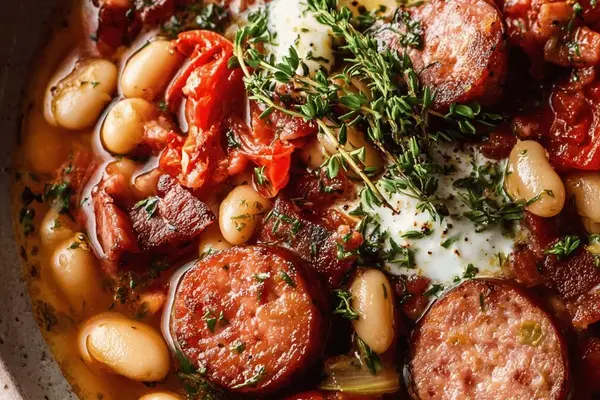
Sausage and Flageolet Bean Stew
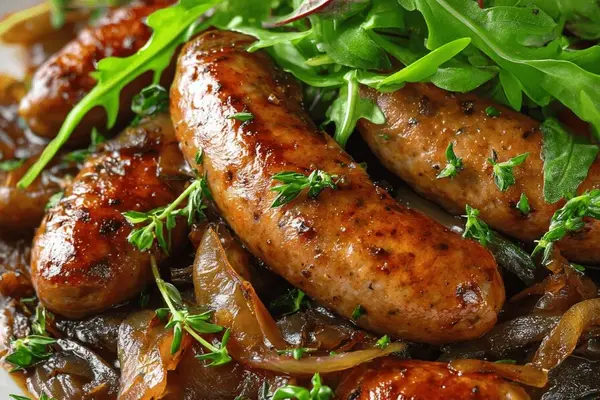
Braised Italian Sausages Red Wine Recipe
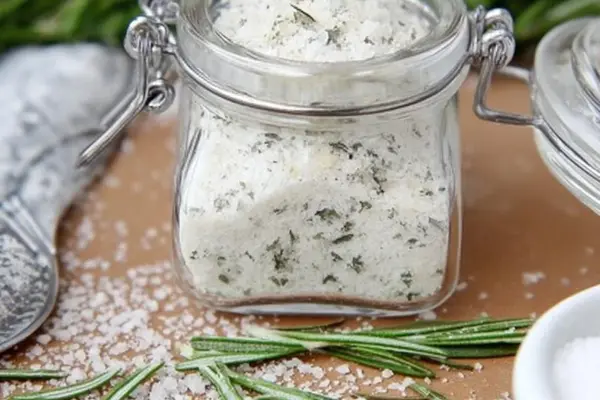
Lemon-Rosemary Salt Recipe with Sea Salt
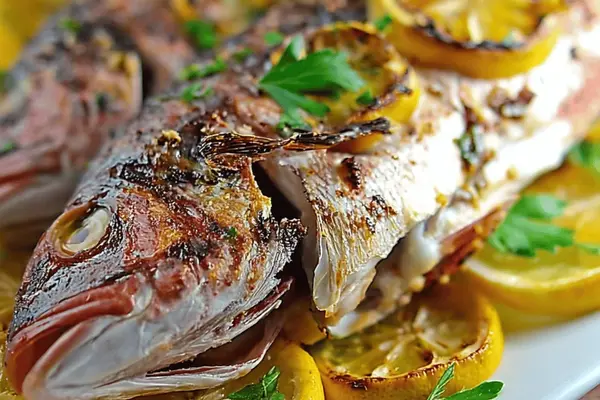
Grilled Red Snapper with Lemon and Garlic
Pulled Pork Bites with Cornbread Mix
Grilled Garlic Butter Shrimp with Herb Butter
Pork Lemongrass Noodle Salad Recipe
Blueberry Cinnamon Rolls Recipe
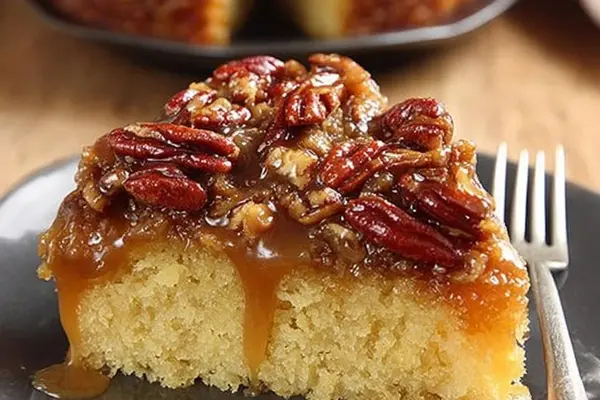
Caramel Pecan Upside Down Cake
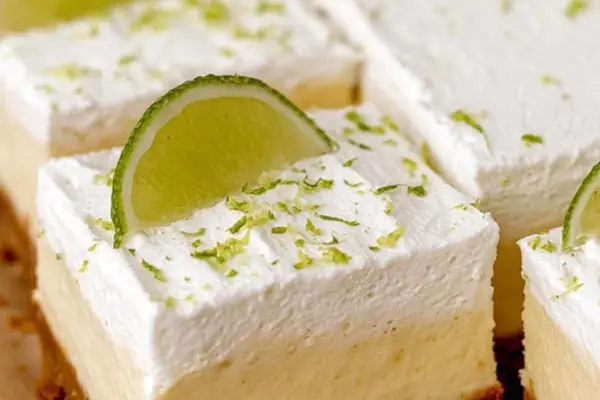
Key Lime Bars with Biscoff Cookie Crust
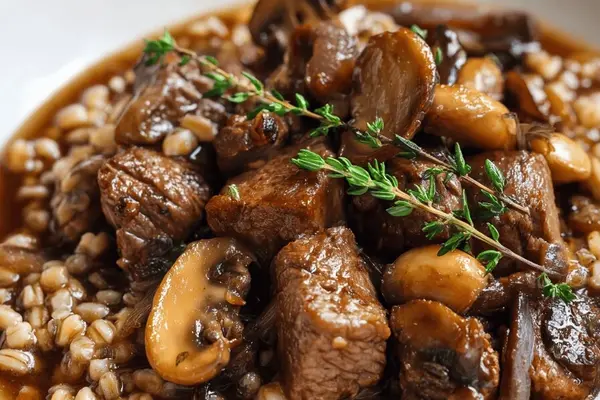
Crockpot Beef and Barley Soup
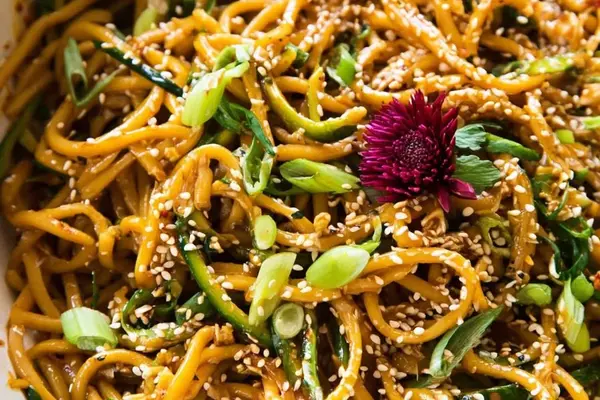
Chinese Pasta Noodles with Chili Oil
Crispy Chicken Breasts with Parmesan Crust

Creamy Chicken Pasta with Garlic Butter Sauce
Almond White Hot Cocoa Recipe

White Sangria Recipe with Strawberry & Pineapple
Crispy Fried Spring Rolls with Pork
Bundt Cake Pumpkin with Maple Whiskey