Red Velvet Crinkle Cookies Remix
E
By Emma
Certified Culinary Professional
•
Recipe tested & approved
Red velvet with a twist. Uses a splash of buttermilk instead of vinegar—trust me, tangier, richer bite. Slightly less sugar swapped for maple syrup, adds depth but keeps it tamed. Flour ratio shifted; more cake flour than all-purpose to keep crumb tender but sturdy. Cocoa powder cut down just a touch to let red pop without bitter note. Cornstarch stays, crucial for that tender snap and chewy inside. Baking soda and powder balance to get rise and texture right. Butter cubed and cold, creamed well with sugars for fluff and perfect rise. Egg yolk and whole egg for richness, coating those chocolate chips that scatter gooey surprise throughout. Baked at a touch cooler than usual, so edges set but centers stay fudgy, encouraging the crinkle look on top. Rolled heavy in powdered sugar, lots of it, this sets up the signature cracked contrast. Cookies rest after baking—absolute must for finishing the texture. Always watch for the telltale puff and cracking sugar top. A little flour on your hands keeps sticky dough manageable. Take notes on rising and fall to hit your sweet spot every time. Substitutions included for gluten-free, dairy-free, and vegan, with tips on adjusting mix-ins and binders. Kitchen hacks dotted throughout.
Prep:
15 min
Cook:
9 min
Total:
24 min
Servings:
7 large cookies
#baking
#cookies
#red velvet
#dessert
#holiday treats
#easy sweets
Before You Start
Red velvet cookies with a snap and chew. Takes the usual red velvet cake vibes, shrinks them into handheld treats that crackle with cocoa and powdered sugar. Not too sweet, just right, a pleasing taffy-like center with edges that yield a little crunch. Tried vinegar traditionally but found buttermilk adds better taste and keeps dough pliable. Took a bunch of bakes to nail texture and those signature crackles. Rolling in plenty of powdered sugar critical. Bakes fast, so keep a close eye—the window to pull is narrow but crucial. Chocolate chips melt but don’t totally disappear, pockets of goo pop nice against crumb, so don’t forget ‘em. Use cake flour to get that delicate softness, but a smidge of all-purpose for structure—balance or cookies fall flat or dry out. Combine baking soda and powder to get puff and lift but not spread out too thin. Expect to do some tasting. My go-to twist? Maple syrup; it calm the sugar rush and adds subtle earthiness you don’t expect but crave. Prep quick, bake quick, cool longer; watch cracking sugar tops and fluffy rises for signals of done.
Ingredients
- 1 cup cake flour
- 3/4 cup all-purpose flour
- 2 tablespoons cocoa powder
- 2 teaspoons cornstarch
- 1/2 teaspoon baking soda
- 1 teaspoon baking powder
- 1/4 teaspoon salt
- 1/2 cup cold unsalted butter, cubed
- 1/3 cup white granulated sugar
- 1/4 cup brown sugar
- 1 tablespoon pure maple syrup
- 1 large egg
- 1 large egg yolk
- 1 tablespoon buttermilk
- 1 tablespoon red food coloring gel
- 1 teaspoon vanilla extract
- 1 cup semi-sweet chocolate chips
- confectioners’ sugar (for rolling)
In The Same Category · Desserts
Explore all →
Rum Apple Tart with Salted Caramel
Cream Cheese Swirl Brownies
Chocolate Mint Profiteroles
Banana Pineapple Bundt
Spiced Marmalade Ginger Pudding
Tangy Buttermilk Pound Cake
Berry Buttermilk Bundt
Molten Chocolate Lava Cake
Fluffy Royal Icing Remix
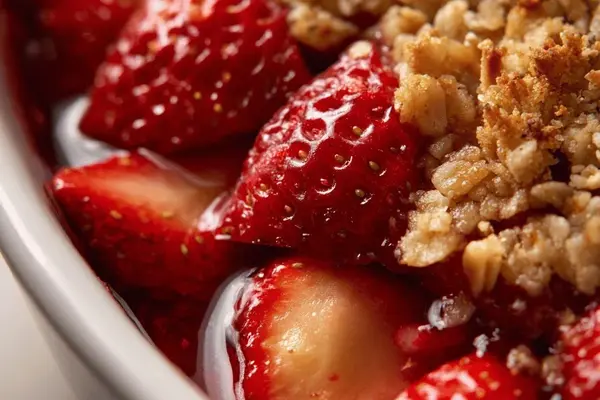
Strawberry Crisp Air Fryer
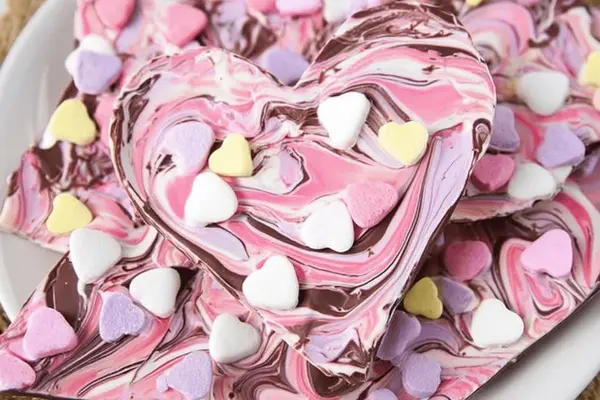
Conversation Heart Bark
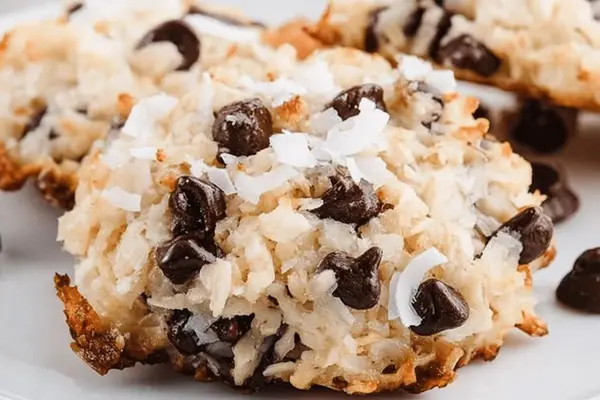
Almond Joy Cookies
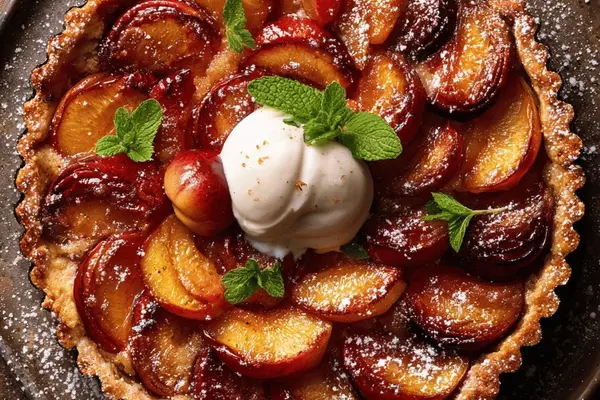
Rustic Stone Fruit Tart
Date Tart Remix
Brown Butter Banana Brownies
Altered Red Velvet Brownies
Chocolate Yule Log
S'mores Cake Remix
Mom’s Chocolate Pudding Altered
Lemon Blueberry Cheesecake Bites
About the ingredients
Cake flour crucial, makes cookies soft yet holds shape. Swapping some all-purpose keeps sturdiness. Cocoa powder reduced to avoid bitter overload, can substitute Dutch-processed for richer flavor but adjust baking soda a bit to balance acidity. Cornstarch for texture—it softens without greasiness. Cold butter cubed to cream properly; too warm and dough runs. Maple syrup is a personal swap, adds moistness and counteracts sharpness of sugars, but honey or agave work too if maple not handy. Buttermilk replaces vinegar, giving richer tang and moisture. If buttermilk not available, mix milk with lemon juice or vinegar and let rest 5 min. Eggs bring fat and emulsify; yolk adds richness and color. Red food gel essential over liquid coloring; pigment strong, fewer drops needed to avoid watery dough. Chocolate chips bring melty pockets; semi-sweet balances sugar, but bittersweet or chunks mix well. Powdered sugar for rolling must be generous, don’t skimp to get those signature cracks. For sticky dough, flour hands lightly or chill balls 10 min before rolling for easier handling. Substitutions for dairy-free, gluten-free, and vegan included; follow instructions carefully to maintain dough balance.
Method
- Preheat oven to 390 degrees Fahrenheit. Not too hot—watch those edges. The oven's heat cooks the butter fast; want just the right creaking crackles later.
- Whisk dry: cake flour, all-purpose flour, cocoa powder, cornstarch, baking soda, baking powder, salt. Mixing them helps even rise and texture. No clumps, or bitter cocoa spots later.
- In stand mixer with paddle attachment, toss cubed cold butter, white sugar, brown sugar, and maple syrup. Cream for 3-4 minutes till bright and fluffy. Don’t rush—too short means gritty texture, overdo and butter melts weird.
- Add whole egg, yolk, buttermilk, red food coloring (turn mixer off—food coloring shoots everywhere otherwise), and vanilla. Mix slow, scrape sides, get even red velvet hue.
- Fold dry into wet gradually. Stop mid and toss in chocolate chips. More chips means pockets of molten surprise inside but balance—too many, dough collapses.
- Use a hefty ice cream scoop or big spoon, measure around 7 large balls. Hands sticky? Dust fingers with flour, not too much or dries cookies out.
- Roll balls liberally in confectioners’ sugar. Key step. Sugar coating cracks during bake, giving crinkle pattern. Don’t skimp on sugar, or structure falters.
- Place on ungreased sheet, flatten gently—not too much or melts thin. Cookies spread slash puff. Watch thick centers and crackled sugar top.
- Bake 9-11 minutes. Oven times vary; look for puffed, shiny, cracked sugar topping, cheeks just set but centers still soft. Toothpick test not ideal here—fudge needed.
- Cool 15 minutes on cookie sheet. These rest for a good finish—settle crumb, lock tenderness. Then slide onto rack. Eat warm or cooled; flavors and texture shift subtly.
- Variations: For dairy-free, swap butter for coconut oil, but reduce sugar by 1 tbsp as coconut oil is sweeter. Gluten-free, replace flours with 1 3/4 cup gluten-free blend, add 1/2 tsp xanthan gum for stretch. Vegan, swap eggs with flax eggs (2 tbsp ground flax + 6 tbsp water), but expect slight chewier texture.
Cooking tips
Start by preheating between 385 and 395°F—too hot and cookies just melt. Whisk dry ingredients well to evenly distribute leaveners and cocoa, avoiding bitter lumps. Creaming butter and sugars separately traps air, crucial for rise; cold butter cubes for better texture instead of softened butter. Add wet ingredients slowly, especially red coloring, to avoid splatter and uneven color. Fold dry gradually to avoid tough cookies. Mix in chocolate chips last so they stay intact. Measure dough equally for uniform baking; handle sticky with flour or chilling dough briefly. Rolling generously in powdered sugar isn’t optional—it’s the magic behind cracks and texture. Flatten gently, just a touch; overly pressing leads to thin, overbaked cookies. Baking times vary; look for puffed, glossy cracked sugar tops, with centers still tender to touch. Let cookies cool on sheets after baking to finish thickening and prevent breaking when transferring. Resting is non-negotiable for texture. Stored airtight, cookies hold softness for days. For dense dough or extreme stickiness, pop in fridge 20 min before shaping. Adjust baking time slightly based on altitude, oven quirks, or cookie size. Chewy centers and crispy rims hallmark success.
Chef's notes
- 💡 Cold cubed butter beats softened here. Cream till airy but watch texture; too warm? Dough runs, cookies spread thin. Butter melting silent death in dough.
- 💡 Powdered sugar coating non-negotiable — more = better crackle. Roll heavy, all sides. Cracks pop in heat; no sugar shell, no signature crinkle. Dust hands lightly.
- 💡 Dry mix whisked first; avoids lumps and pockets of bitter cocoa. Blend leaveners evenly for steady rise. Clumps in cocoa equal bitter bites mid-bake.
- 💡 Chocolate chips fold in late; keep pockets molten and surprise gooey. Too many chips? Dough collapses, spreads flat, losing shape and contrast against sugar crust.
- 💡 Rest cookies on sheet post bake; crumb sets firm but tender. Skip rest, risk breaking or gumminess. Cooling on rack too early? Breaks edges, loses crackle effect.
Common questions
Why use buttermilk instead of vinegar?
Buttermilk adds tang and moisture, richer bite, keeps dough pliable longer. Vinegar works but less full flavor. Can sub milk plus lemon juice — wait 5 min then add.
How to fix sticky dough?
Flour hands lightly or chill balls 10-20 min. Sticky signals warm butter or humidity. Chill slows spread, eases shaping. Flour excess dries cookies, balance here.
What if cookies spread too much?
Cold dough crucial. Butter temp too high? Oven too hot? Flatten gently only. Baking soda/powder balance affects puff and spread. Try chill dough or reduce butter slightly.
Best storage to keep texture?
Airtight at room temp 3 days max. Longer? Freeze dough or baked cookies. Cool fully before storage — heat traps moisture, soft crinkles fade. Reheat gently if lose crisp.
You’ll Love These Too
Explore all →
Chocolate Pine Tree Cake
Homemade Crisp Breadcrumbs
Caramelized Onion Hot Dip
Tangy Overnight Fruit Salad
Creamy Pumpkin Pie Shake
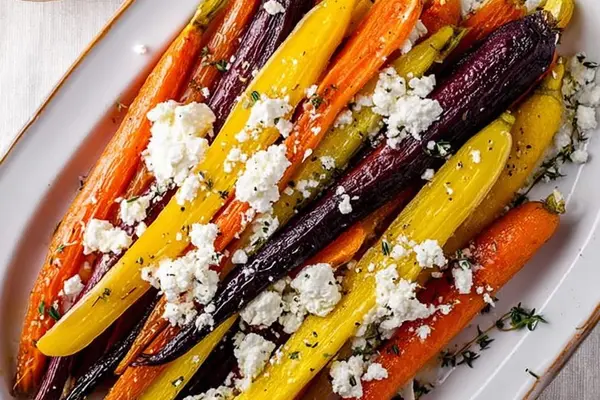
Oven-Roasted Baby Carrots with Ricotta
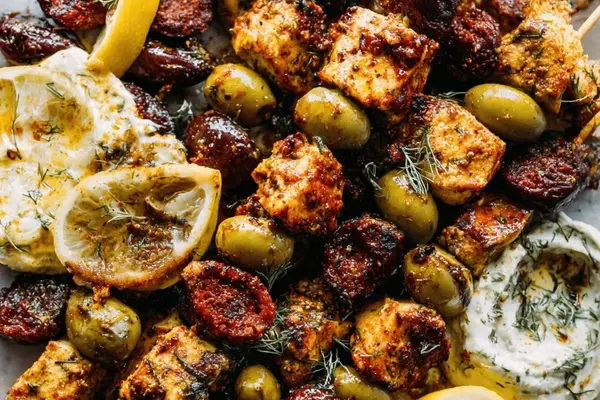
Chicken Chorizo Olive Skewers
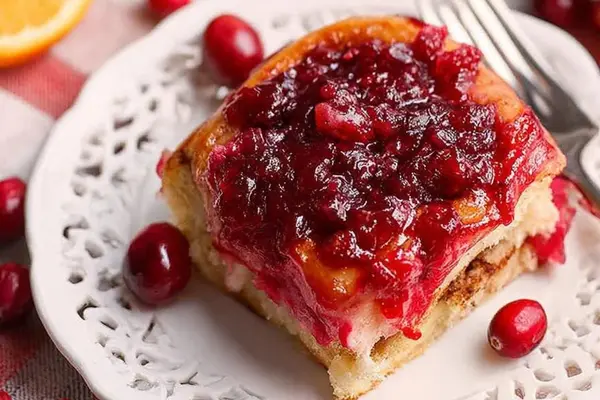
Cranberry-Orange Sticky Buns
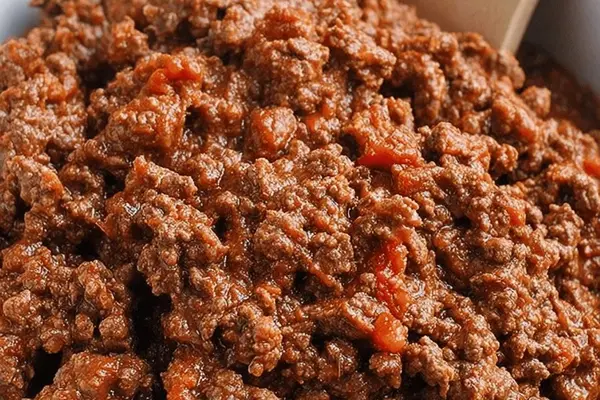
Pressure Cooker Spiced Beef
Berry Spinach Salad Twist
Holiday Cranberry Punch Twist
Twisted Sweet-Salty Mix
Slow Cooker Beef Stroganoff Twist
Pear Butter Slow-Cook
Peeps Layered Krispies
Cranberry Xmas Cocktail
Sweet Potato Snaps
Oven Bacon Crunch

Snow Crab Legs Guide
Sicilian-Style Walleye Clams