Red Velvet Twist Cake
E
By Emma
Certified Culinary Professional
•
Recipe tested & approved
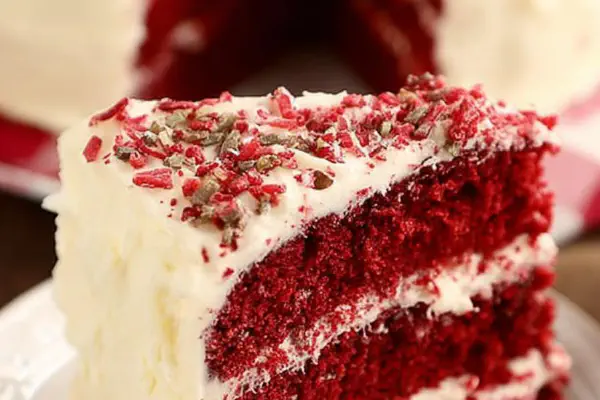
Classic red velvet base with slight tweaks for texture and flavor. Uses cake flour, cocoa, buttermilk, and vinegar to balance tang and tender crumb. Substitutes canola oil for vegetable oil to boost moisture. Toasted walnuts instead of pecans for nuttier crunch. The cream cheese frosting whipped longer for airiness. Baking times shifted slightly; watch for cake to shrink from sides, toothpick clean but moist crumbs still cling. Frosting mixed with nuts or sprinkled last to keep crunch intact. Visual cues and aromas guide the process, not clocks. Moist, vivid red crumb with a touch of cocoa bitterness behind sweet tart cream cheese. Decades of kitchen slip-ups led here — no overmixing dry can save a dense cake, folding ingredients carefully matters more here than most cakes. The vinegar bite brightens flavors, don’t skip that acidic punch — it’s edge, not just tradition.
Prep:
50 min
Cook:
27 min
Total:
1h 17min
Servings:
12 servings
#American dessert
#nutty twist
#baking tips
#moist cake
#colored batter
Before You Start
Everybody’s done the red velvet round a dozen ways. But many times ended up with dense bricks or bland sweetness that crawls past the tongue. I’ve scraped batter off my mixer more times than I can count. Learned that acid and fat balance crucial—vinegar no joke, gives you that slight bite after the first sweet hit. And cake flour means soft crumb, no rough edges. I swapped pecans for walnuts once, made the frosting whipped lighter, and, oh, that crunch. Toast your nuts to awaken oils, don’t add raw. Color? Real gel food coloring, not the bottled stuff—the difference shows in vividness. Stop watching the clock too; smell the cake, see the shrink from sides. It signals done better than any timer. Trying to keep every crumb tender but hold shape, that’s the trick I hunt. Frosting needs patience, treat it like a delicate cloud, else it becomes grainy mess. The vinegar, cocoa, and sweet — it should sing a balanced song on your tongue, not shout. Don’t expect perfect steps every try — learn the signs your batter and cake give you.
Ingredients
- 2 cups cake flour
- 1/2 tsp fine salt
- 2 tbsp unsweetened cocoa powder
- 1 tsp baking soda
- 1/2 cup unsalted butter softened
- 1 3/4 cups granulated sugar
- 2 large eggs
- 1/4 cup canola oil
- 1 tsp vanilla extract
- 1 tbsp white vinegar
- 1 cup buttermilk
- 1 1/2 tbsp red food coloring gel
- 1 cup chopped walnuts toasted
- 8 oz cream cheese softened
- 1/2 cup unsalted butter softened
- 4 cups powdered sugar sifted
- 1 tsp vanilla extract
In The Same Category · Desserts
Explore all →
Creamy Banana Pudding
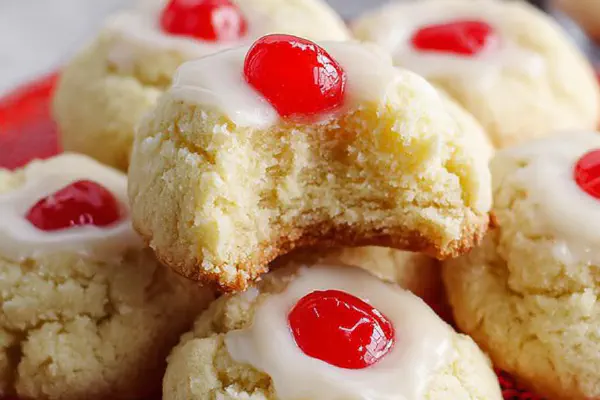
Cheesecake Almond Cookies
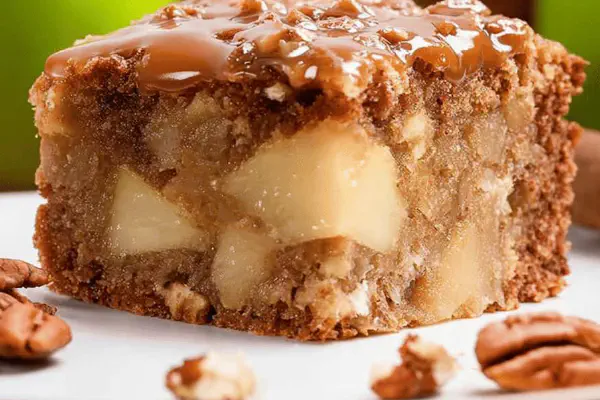
Apple Dapple Cake Remix
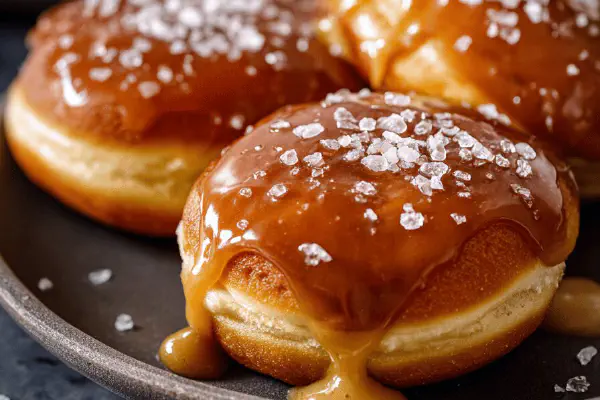
Salted Caramel Doughnuts
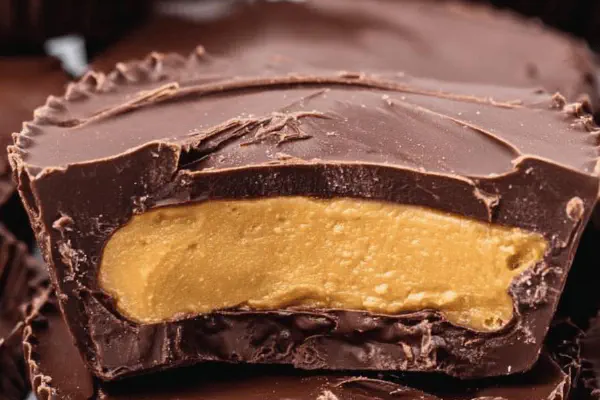
Chunky Peanut Butter Cups
Tomato Soup Cake With Cream Cheese Glaze
Classic Strawberry Shortcake
Apple Cream Layer Bars
White Choc Strawberries Twist
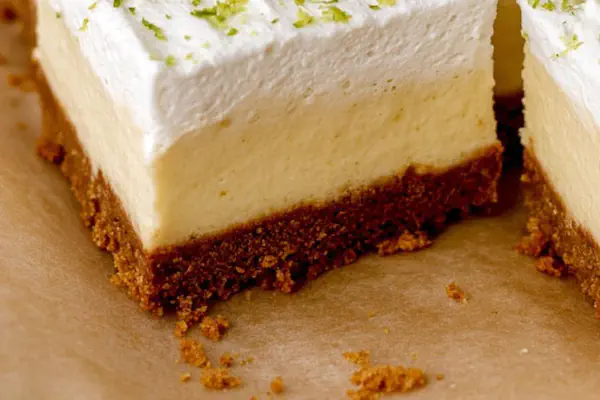
Tart Key Lime Bars
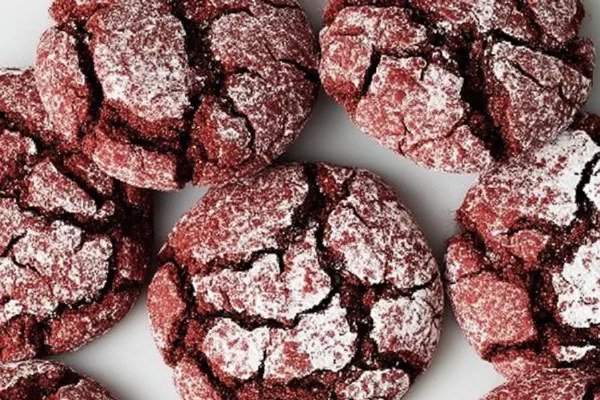
Red Velvet Crinkle Cookies Remix
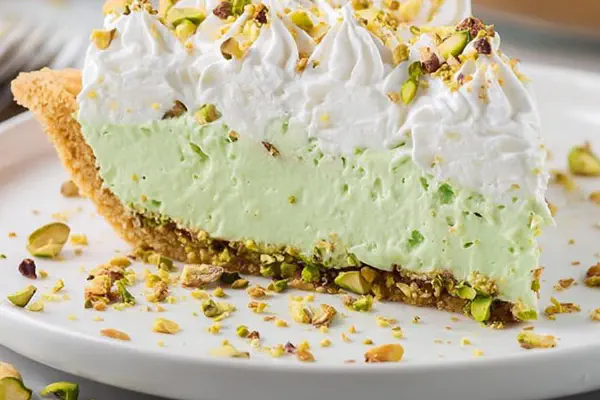
Twisted Pistachio Cream Pie

Zesty Crumble Bars
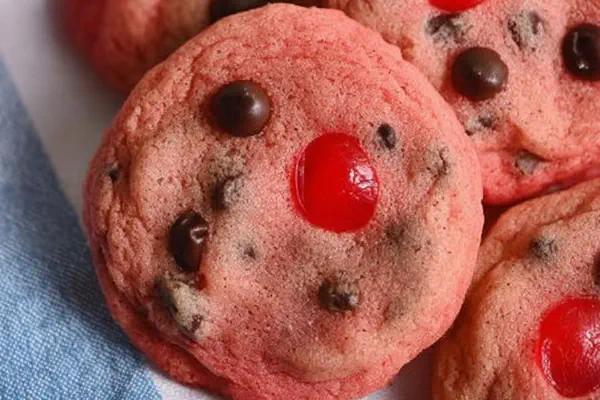
Cherry Chocolate Chip Cookies
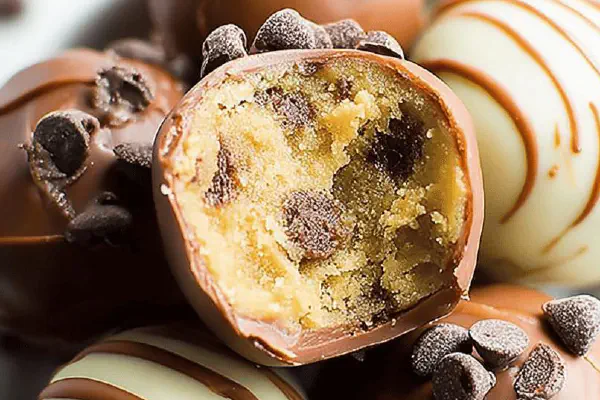
Cookie Dough Truffles Remix
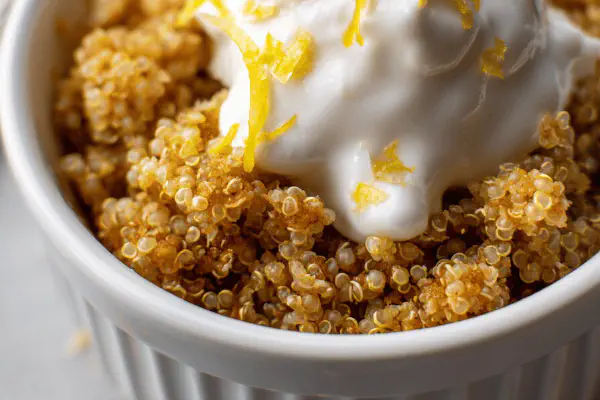
Corn Crumble Twist
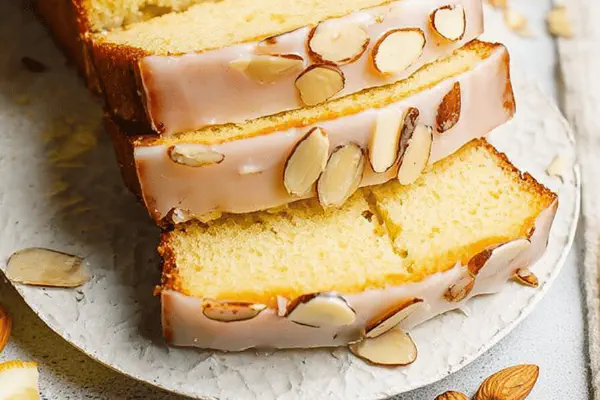
Iced Almond Lemon Loaf
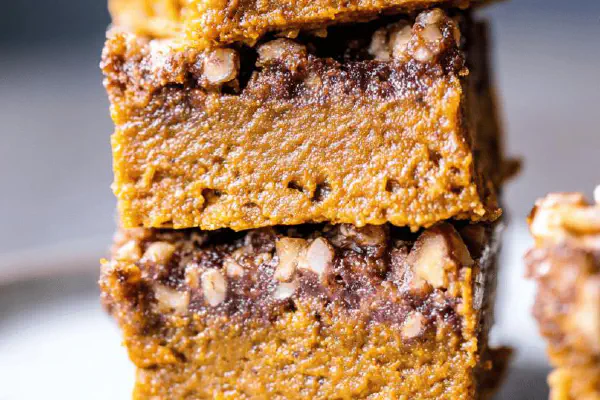
Pumpkin Walnut Bars
Strawberry Pretzel Parfaits
Coffee Cream Pudding Twist
About the ingredients
Cake flour is key for tenderness, substitute with all-purpose flour but reduce by 2 tbsp for every cup used to prevent heaviness. I pick canola oil for neutrality; olive oil imparts too much flavor, coconut oil makes for strange aftertaste here. Buttermilk vital for moist crumb and acid to react with baking soda; if you’re out, mix milk with an acid like lemon juice or vinegar and let sit 5 minutes. Cocoa powder adds subtle chocolate depth, but beware of Dutch-processed type which changes pH — needs recipe adjustments. Red gel food coloring holds better color; liquid dyes dilute the batter and fade during baking. You can swap walnuts for pecans, almonds, or even hazelnuts depending on crunch preference. Cream cheese and butter should be at room temp, soften fully for smooth frosting. If you can’t find full-fat cream cheese, avoid low-fat versions as they’ll alter consistency and richness. Powdered sugar should be sifted to prevent gritty texture in frosting. Vanilla extract adds aroma—don’t skip it or use imitation which dulls flavor.
Method
Cake
- Heat oven to 350°F. Butter and lightly flour two 8-inch pans; avoid too much flour to prevent dryness.
- In a large bowl, whisk together cake flour, salt, cocoa, and baking soda. Important to sift or at least stir vigorously to avoid lumps. Set aside.
- Cream butter and sugar using mixer for around 2 minutes until fluffy but watch them closely; overbeating leads to grainy texture here.
- Add eggs one by one, beating fully after each. Don't rush, or batter breaks down. Blend in canola oil, vanilla, and vinegar next. Vinegar cuts richness, makes crumb tender — do not skip, despite odd scent at this stage.
- Alternate adding dry ingredients with buttermilk. Start and end with dry. Mix on low speed only, barely combine before next addition. Overmixing = tough cake. Splash of cold buttermilk is fine to maintain moisture bounce in crumb.
- Add red food coloring gel last, fold gently to maintain batter aeration. Too vigorous mixing dulls brightness; you want vivid scarlet, not muted brick.
- Divide batter evenly between pans. Roughly smooth tops, then bang pans lightly on counter to release bubbles.
- Bake 27 to 32 minutes. Don’t rely solely on time; watch for pull away from sides, lightly springy top, toothpick inserted should come out with moist crumbs, not wet batter.
- Cool 5 to 10 minutes in pans, then turn out onto racks. Leave cakes exposed, no cover to avoid soggy bottoms. Should be fully cooled before frosting, or frosting melts into mess.
Frosting & Nuts
- Preheat oven to 350°F again. Spread walnuts evenly on baking sheet. Toast 5 to 8 minutes until fragrant and just golden. Watch carefully, nuts shift from toasted to burnt fast.
- Beat cream cheese and butter together until silky and lump-free. Takes about 3 minutes on medium-high speed. No shortcuts here—lumps = unpleasant frosting.
- Gradually add powdered sugar, 1 cup at a time, beating well after each. Too fast and sugar clouds kitchen. Finish with vanilla extract; important for deep aroma.
- When frosting ready, fold in cooled walnuts if you want crunch inside. If not, frost then sprinkle on top to keep nuts crunchier longer.
- Use offset spatula in gentle strokes to frost cake layers. Frosting should hold shape but spread smoothly. Too soft? Chill briefly, but not too long or it hardens.
- Assemble cake, press walnuts on sides if desired. Nuts add texture and a nutty bitterness to cut sweetness — necessary balance.
- Keep refrigerated if not serving soon. Remove 30 minutes before slicing to bring cream cheese to softer consistency.
Tips & Tricks
- If no buttermilk, use milk + 1 tbsp vinegar or lemon juice, rest 5 minutes. Fresh is best though.
- Oil choice affects moistness; canola smoothest here, olive or coconut add odd undertones.
- Cake crumb should bounce lightly when poked. If dry, you probably overmixed or baked too long.
- Cracked tops not a failure—shield with foil partway if too aggressive browning.
- Red color fades when baked; don’t skimp on gel dye, liquid fades too much.
- Overwhipped cream cheese frosting will become grainy; stop when just smooth and hold peaks.
- Serving tip: pair with a calm black coffee or tart berry sauce if wanting contrast.
- Storage: Wrapped tightly can last 3 days fridge, freeze layers separately with plastic wrap for longer keeping.
Cooking tips
First,I never start mixing dry ingredients without giving them a good whisk or sift. Lumps of baking soda or cocoa powder mean ruined texture, flat cake, or bitter pockets. Cream butter with sugar until airy but not whipped into oblivion — roughly 2 minutes on medium speed, else graininess appears. Eggs should go in one at a time, both for emulsification and texture. Added oil gives moist crumb but changes batter feel; blend it fully to avoid streaks. Vinegar might smell strange raw but is essential for the acidity balance which tenderizes crumb. Adding dry and wet in little portions alternately keeps batter smooth but not dense; overmixing batter at this stage kills rise and lightness. Food coloring gel best added last and folded in gently; swirling too hard dulls bright red tones. After filling pans, tap them to release air bubbles for even crumb. Baking times are guides; watch the cake body—if it’s pulling from sides and springs back when touched, it’s done. Toothpick test: bits of moist crumb ok, wet batter bad. Cooling in pan before removing avoids breakage but don’t cool so long they sweat and get soggy. Nuts: toast at 350°F for 5–8 minutes until aromatic, watch closely to avoid bitter burnt taste. Frosting: beat cream cheese and butter till ultra smooth, add sugar gradually, overbeating makes it grainy. Vanilla intensifies but be wary using too much, can overpower. Option to fold nuts into frosting before spreading or sprinkle on after; folding changes texture, sprinkling keeps crunch on outside. Store leftovers airtight in fridge. Room temp before serving makes slicing neat — cold cream cheese gets too stiff. The experience is in the subtle cues: feel the batter, hear the pop of crumbs stuck to toothpick, smell the cocoa tips and nut toasts; they tell you more than time stamps ever will.
Chef's notes
- 💡 Whisk dry ingredients thoroughly. Lumps in cocoa or baking soda ruin texture; bitter patches sneak in. Flour sifted or stirred vigorously keeps crumb even. Never skip this step. It’s foundation not fluff.
- 💡 Cream butter and sugar about 2 minutes; fluffy but watch closely. Overbeat and texture becomes grainy, borderline sandy. Eggs added one at a time— emulsify, no rush. Rushed mixing scuffs crumb structure.
- 💡 Add vinegar along with wet ingredients. Raw smell odd but it cuts richness and tenderizes thoroughly. Skip vinegar and cake turns heavy. Acid reacts quietly but crucial ingredient.
- 💡 Alternate dry and wet in small portions, start and end with dry. Mix low speed, barely blend each addition. Overmix whip dense cake, batter loses spring and bounce. Use splash of cold buttermilk to hold moisture.
- 💡 Add red gel food coloring last and fold gently. Vigorous stirring dulls brightness; don’t settle for brick red. Fold slowly keeping air in batter; vivid scarlet shows in final crumb. Gel better than liquid dye which fades.
Common questions
Can I use all-purpose flour instead?
Yes but reduce flour by about 2 tbsp per cup used. Cake flour is finer, gives softer crumb. Less flour keeps cake from turning dense or chewy.
What if no buttermilk on hand?
Mix milk with 1 tbsp vinegar or lemon juice. Let sit 5 minutes before using. Acid does the work, but fresh buttermilk still best for flavor and moisture balance.
Cake too dry sometimes, why?
Usually means overmixing or overbaking. Watch batter mixing speed, don’t rush. Oven heat varies—check cake pull from pan sides, springy top, moist crumb on toothpick helps.
How to store leftovers?
Wrap tightly in fridge for up to 3 days. Freeze layers separately wrapped well with plastic wrap. Let come to room temp 30 minutes before slicing so frosting softens, not stiff or gummy.
You’ll Love These Too
Explore all →
Sesame Shrimp Tartines
Cheesy Chicken Pasta Bake

Coconut Snowballs
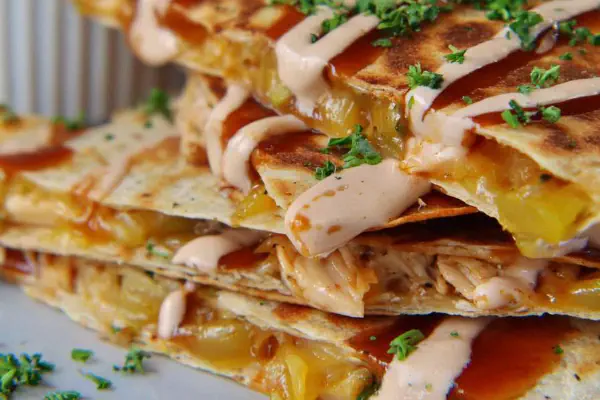
BBQ Chicken Quesadillas
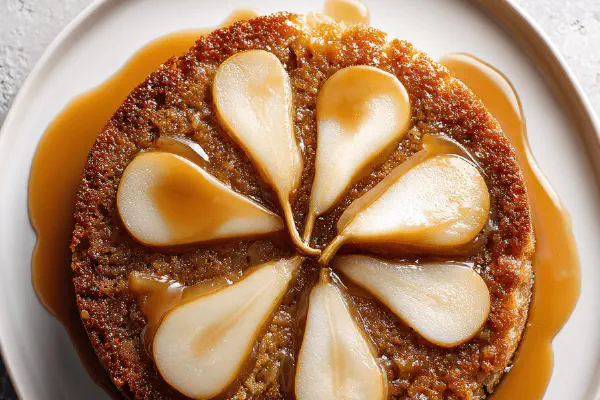
Pear Upside-down Spice Cake
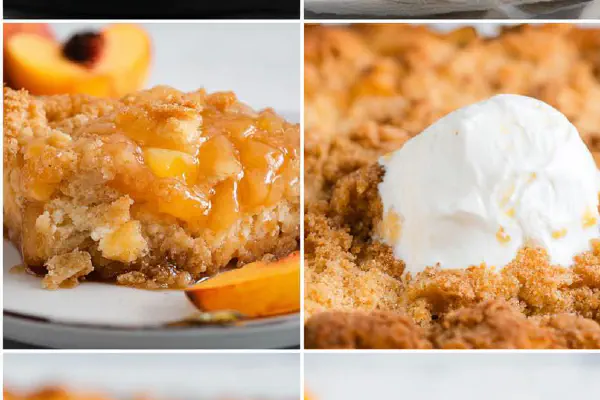
Peach Cobbler Remix
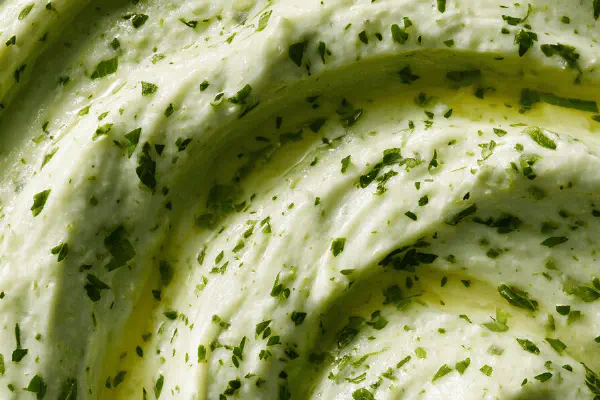
Green Tahini Yogurt Sauce
Toasted Herb Panko
Three-Flavor Layered Cookies
Mini Cheesecake Cupcakes
Strawberry Crisp Air Fryer
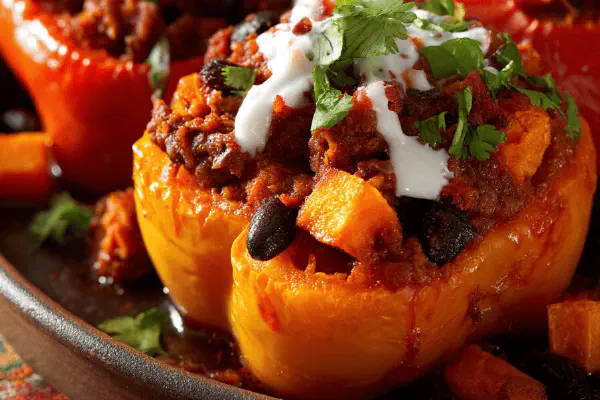
Curried Beef Stuffed Peppers
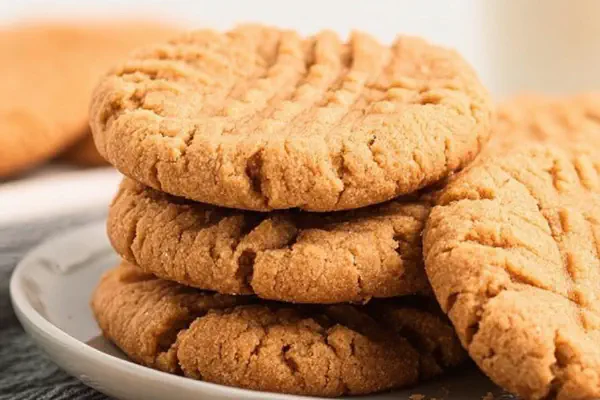
Simple Peanut Cookies
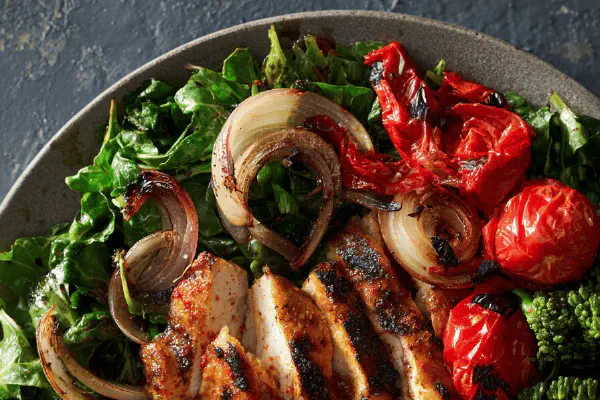
Red Bean Rapini Chicken Salad
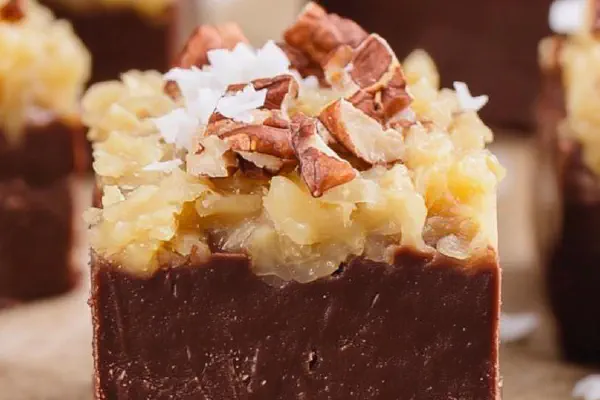
German Chocolate Fudge Remix
Omble Crudo Cranberry
Sweet Potato Pepper Frittata
Ruby Red Cranberry Syrup
Mini Chicken Caesar Bites

Stuffed Pepper Skillet Bake