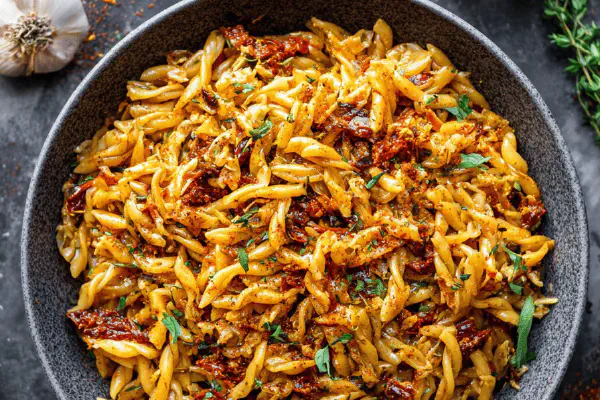
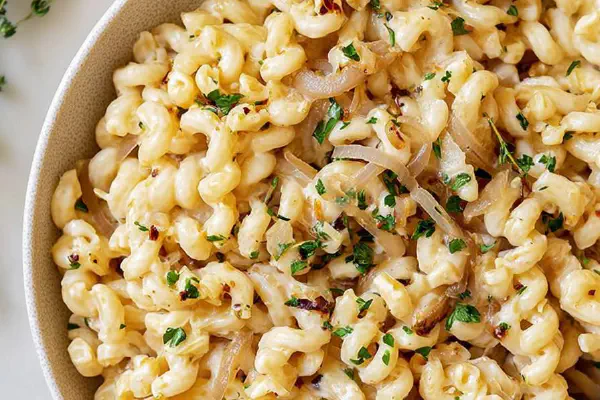
Rich Caramelized Onion Pasta
E
By Emma
Certified Culinary Professional
•
Recipe tested & approved
Pasta tossed in deeply caramelized onions, hints of thyme, garlic, and a silky cream cheese sauce. Slow-cooked onions build robust flavor. Easy to tweak with wine or broth substitutes for pantry flexibility.
Prep:
12 min
Cook:
55 min
Total:
1h 7min
Servings:
8 servings
#pasta
#caramelized onions
#French cuisine
#cream cheese
#comfort food
#slow cooking
Before You Start
Caramelized onions demand time and patience—no shortcuts without paying the price. I’ve burned more batches than I’d like to admit, learning to recognize when the kitchen smells deep and sweet but not bitter is key. Pasta coated in that slow-cooked gold? Worth every minute. Cream cheese adds creamy body without heaviness guts sometimes rebel against. Garlic and chili flakes poke at the sweetness with their fire and garlicky scent. Thyme just quietly whispers, pulling the flavors together. Using wine to deglaze keeps the pan clean and adds brightness but broth works fine when none available. Tried with shallots once—good but hard to get confectioned enough. Step away from rushing, stir often, watch for those golden edges on the onions—watch closely. This method, these tricks, make a humble pasta sing like a pro put it on the table.
Ingredients
- 6 tablespoons unsalted butter
- 4 large yellow onions, thinly sliced
- 3 cloves garlic, minced
- 2 teaspoons fresh thyme leaves
- 1 teaspoon chili flakes
- 1 teaspoon sea salt
- 2 tablespoons all-purpose flour
- 5 cups beef broth or low-sodium vegetable broth
- 12 ounces pasta (fusilli or rigatoni work well)
- 6 ounces cream cheese, softened
- 1/2 cup dry white wine (optional, can replace with broth)
- Fresh parsley, chopped, for garnish
- Grated Parmesan or pecorino for topping
In The Same Category · Pasta and Noodles
Explore all →

About the ingredients
Butter is traditional but olive oil or a combo works if you want a lighter dish. Yellow onions yield the best sweet flavor—red onions too sharp, white onions too bland for this slow caramel, though you can experiment. Fresh thyme adds freshness but dried can substitute; just use half the amount. Beef broth adds depth and richness, but vegetable broth works for a lighter veg boost and swaps well for the wine too. Cream cheese brings silkiness and tang; ricotta or mascarpone make interesting twists but alter texture slightly. For spice, use fresher chili flakes if possible, store-bought can lose heat quickly. Pasta type matters—rigatoni or fusilli grab more sauce in their ridges, making every bite luscious. Salt during onion cooking is crucial—helps them sweat and break down quicker, but start with little and adjust later. Garlic burns easily—add late and keep low heat. Flour is a thickener; don’t skip or sauce gets flat. Keep pasta water hot and reserved—it’s key to adjusting sauce texture and rescuing dryness mid-plate.
Method
- Butter melting in heavy-bottom skillet. Swirling, heating medium-high until it murmurs and just browns on the edges.
- Onions go in handfuls. Stir for 3 minutes until softening. Add next batch. Salt lightly, breaks down onions faster. Keep stirring every couple minutes. Softening to glossy translucence.
- Heat down to medium-low. Now it’s patience hour. Stir every 3-5 minutes. Wait for deep amber color. No rushing. Sniff sweet, dark, almost jammy. Around 50 minutes. Add splash of white wine or broth to lift browned bits if bottom sticks. Deglazing vital here or bitter burnt notes will sneak in.
- While onions slow-cook their magic, boil pasta in salted water. Cook until just shy of tender. Al dente— slight chew, not mush. Reserve 2 cups cooking water before draining. Stash it away for sauce fix-ups.
- Add garlic, thyme, chili flake, and a pinch more salt to the caramelized onions. Stir and let aromas bloom, 1-2 minutes, low heat so garlic doesn’t scorch.
- Sprinkle flour over onions, stir well so it clings, bubbles up lightly. This thickens sauce gently. Then pour broth in gradually. Simmer, scraping bottom, for 3-4 minutes until sauce thickens but still fluid.
- Add drained pasta directly to pan. Splash in half cup pasta water— bind those noodles with the sauce. Stir thoroughly so each strand picks up that rich onion glaze.
- Cream cheese chunks go in now. Another half cup pasta water to loosen sauce. Stir until velvety smooth, coating noodles evenly. If sauce feels thick, splash more pasta water, less risk of drying out.
- Taste, tweak salt and chili. Sauce should hug pasta like silk and a little fire. More pasta water can fix dry or thick spots. Finish with fresh parsley and grated cheese on top before serving.
Cooking tips
Starting the onions is all about heat control. Get the butter shimmering, no smoking. Onions added gradually means they cook down evenly instead of steaming and becoming mushy or getting uneven that could char. Salt encourages their breakdown early on—don’t skip. Lower heat once caramelization phase begins—too hot means burnt instead of sweet, slow and steady wins. Stir frequently but don’t constantly stir—every 3-5 minutes works. Spot sticking? That’s where wine or broth splash comes in to loosen and lift sparkling flavor from caramelized bits. When onions turn deep golden and smell sweet, garlic and chili come in fast—too early burns the garlic and ruins background. Flour coats the onion mixture to avoid raw taste and to thicken sauce better. Broth added in thin stream with stirring prevents lumps. Pasta timing critical—cook al dente or the sauce will drown mushy noodles. Pasta water starch acts like glue and rescue liquid. Cream cheese melts in hot sauce, build texture slowly—warm cream cheese for best melting. Final seasoning adjusts after everything combines—you get the best sense of salt, acidity, and heat then. Garnish with parsley for fresh break, cheese for savory pop. Serve immediately or sauce thickens too much.
Chef's notes
- 💡 Start with medium-high heat on butter until shimmering but no smoke. Add onions in batches to avoid steaming. Salt early helps onions break down faster, coaxes sugars out quicker but don’t over salt. Stir every couple minutes only at first. Then drop to medium-low for long caramel. Patience is key—watch for amber edges not black. The smell should go sweet, almost jammy, no bitter burnt signals. If stuck, splash wine or broth to deglaze, scrape bottom clean or taste goes off.
- 💡 Use dry white wine or vegetable broth for deglazing during caramel step. Wine brightens, broth is safer substitution. Add slowly so sauce thickens nicely, no lumps. Flour gets sprinkled last after garlic and chili, coats onions well. Stir rapidly or clumps form, ruin texture. Timing here saves raw flour taste versus clumpy glob. Keep skillet size in mind—overcrowded onions steam instead of brown, flavor flattens. Pick pasta shapes with ridges, fusilli or rigatoni lock sauce better. Reserve pasta water—starch load binds sauce and loosens thick spots. Don’t skip pasta water stash.
- 💡 Garlic added late at low heat, 1-2 minutes max or burns bitter. Chili flakes pop fire at end not start, keep control. Cream cheese chunks melt in final step. Warm cream cheese integrates smoother but slice chunks small then stir long to velvety coat. Sauce too thick? Add reserved pasta water gradually, stir thoroughly. Don’t add cold water, kills slick texture. Taste test often after cheese goes in because salt and acidity shift. Add fresh parsley right before serving—freshness cuts richness, adds pop. Parmesan or pecorino grated on top gives salty crunch finishing touch.
- 💡 Onion selection matters. Yellow onions have best balance sweetness and robustness for this slow caramel. Red onions throw sharpness off. White onions get lost flavor-wise. Thyme fresh is best but dried works in half quantity—dried thyme brings earth but loses brightness. Butter is classic fat. Olive oil or combo makes lighter but flavor changes. Broth choice modifies depth—beef broth richer, vegetable broth lighter and more neutral. For spice, fresher chili flakes pack punch. Store-bought lose heat quickly, so use more or less according to age. Flour essential thickener—don’t skip, sauce flattens and clumps.
- 💡 Pasta cook timing critical. Al dente always—slight chew keeps bite. Mushy noodles fight sauce texture and taste. Reserve at least 2 cups pasta water before draining hot. This liquid gold can fix dry or overly thick sauce. Add in stages during sauce assembly or final mixing. Stir well to coat noodles evenly. For sauce rescue, use splash then swirl, repeat if needed. If too thin, simmer with stirring to reduce but watch closely so cream cheese doesn’t separate. Garnish last second, serve at once or sauce thickens too much, turns gluey.
Common questions
How long to caramelize onions?
Roughly 50 minutes on medium-low heat works best. Must watch color—deep amber signals readiness. Smell sweet not burnt. Stir every 3-5 minutes; less risk burning or steaming. Patience beats heat every time.
Can I skip wine for deglazing?
Yes, broth is fine alternative. Vegetable broth keeps light, beef adds richness. Splash small amounts carefully to lift caramel bits. No liquid means risk burnt flavor. Deglazing critical, don’t skip, regardless of wine choice.
Pasta too thick or dry?
Use reserved pasta water in small increments, stirring well between. Water starch binds sauce, loosens thick patches. Add half cup then judge. If still thick, add more. Too thin, simmer briefly. Cream cheese melts better warmed to avoid clumpiness.
How to store leftovers?
Cool quickly, store airtight in fridge. Best eaten within 2 days or sauce thickens too much. Reheat gently on low with splash pasta water to loosen. Freeze not recommended—cream cheese and texture suffer on thaw.
You’ll Love These Too
Explore all →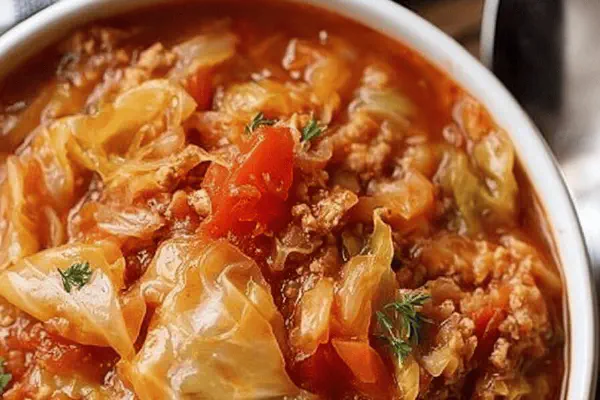
Instant Pot Stuffed Cabbage Soup
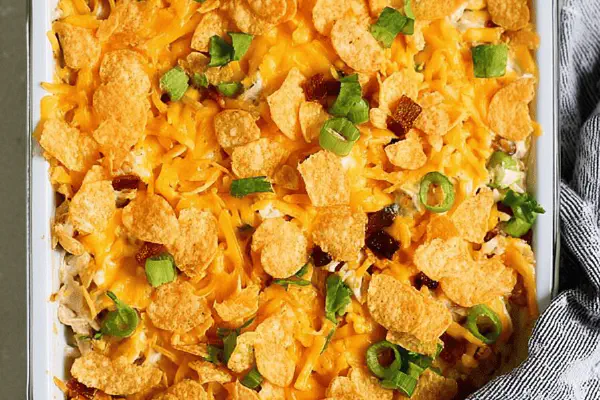
Chunky Chicken Hash Casserole
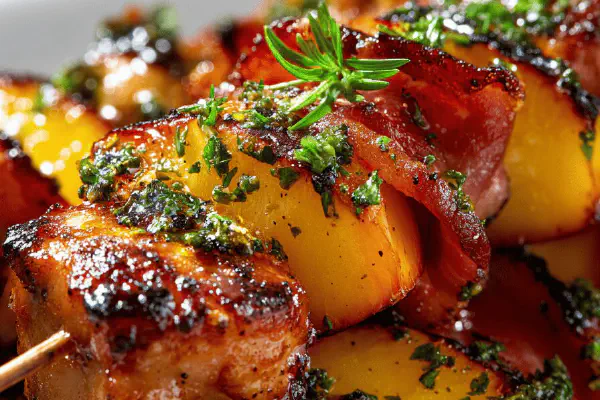
Chicken Peach Bacon Bites
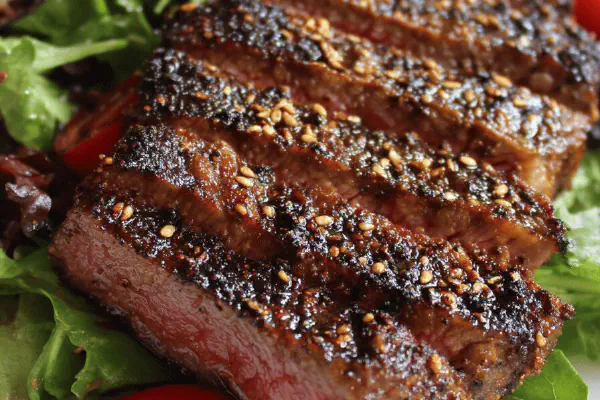
Spiced Beef Steaks
Cabbage and Beef Layers
Cinna-Sugar Cupcakes
Slow Cooker Chocolate Brownies
Chunky Peanut Toffee Bark
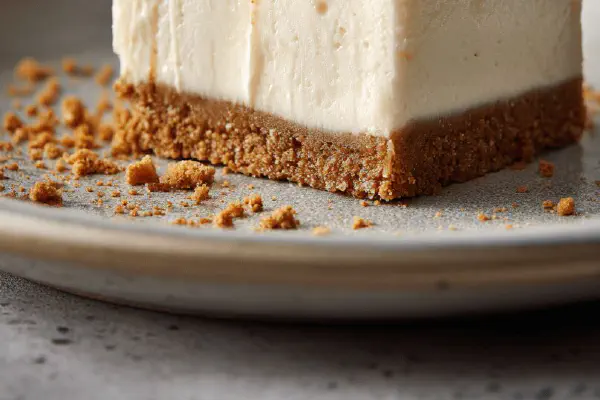
Eggnog Cheesecake Twist
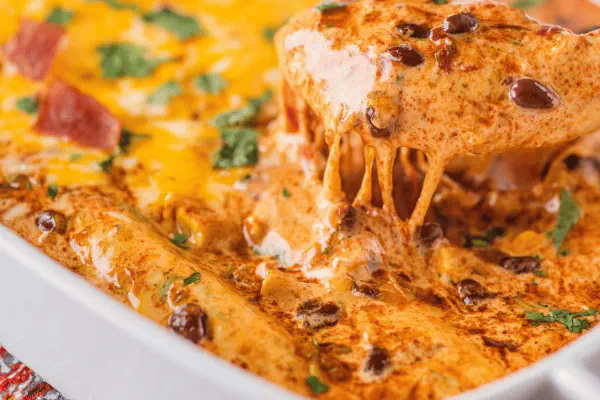
Spicy Slow Beef Cheese Dip
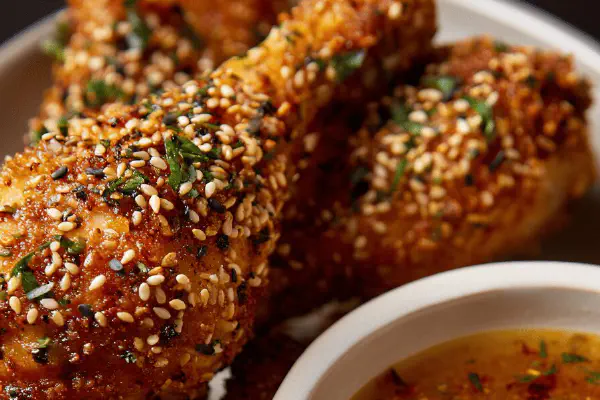
Crispy Sesame Chicken Drums
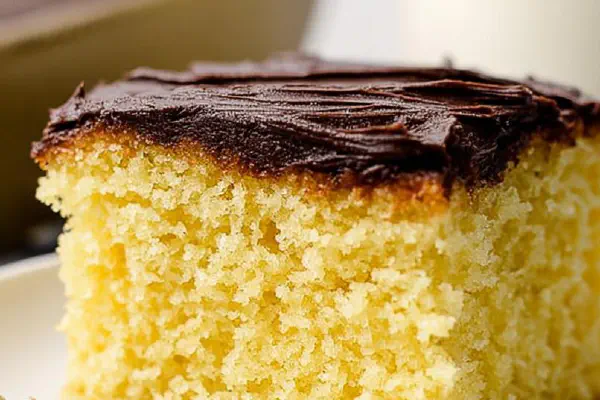
Yellow Buttermilk Sheet Cake
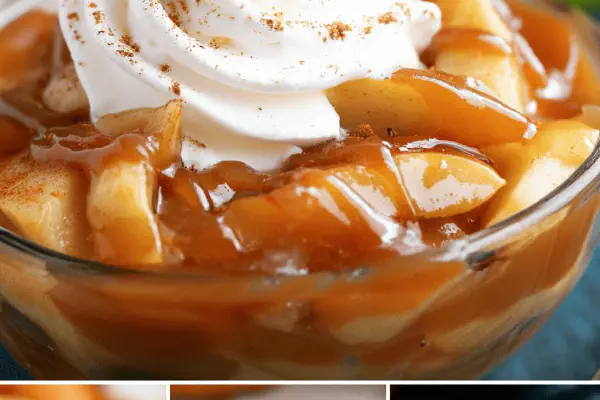
Apple Cream Layer Bars
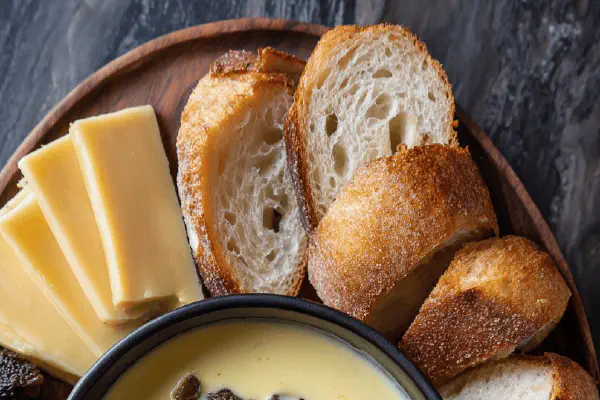
Gruyère Morel Fondue
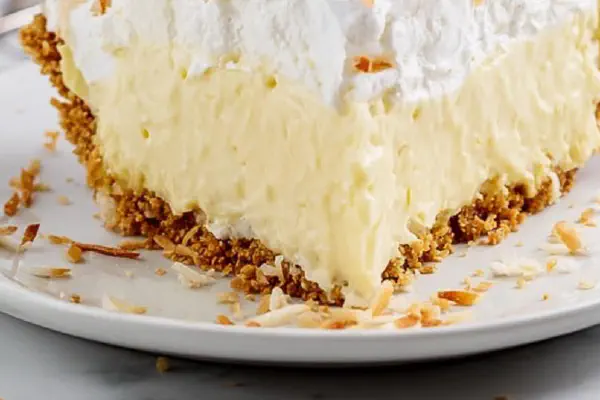
No-Bake Coconut Cream Pie
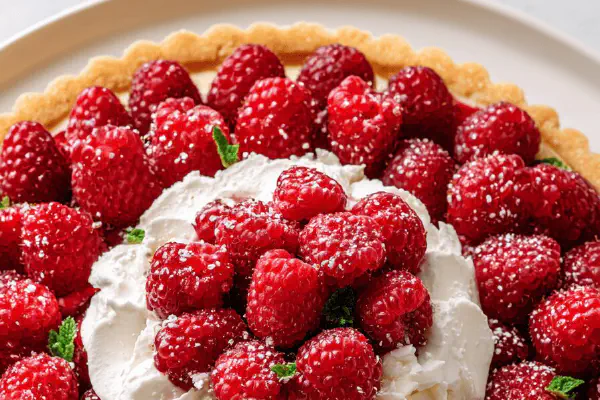
Black Forest Tart Remix
Quick Pinto Chili Twist
Pork Chops and Roasted Zucchini Salad
Costco Double Chocolate Muffins Remix
Twisted Thanksgiving Board