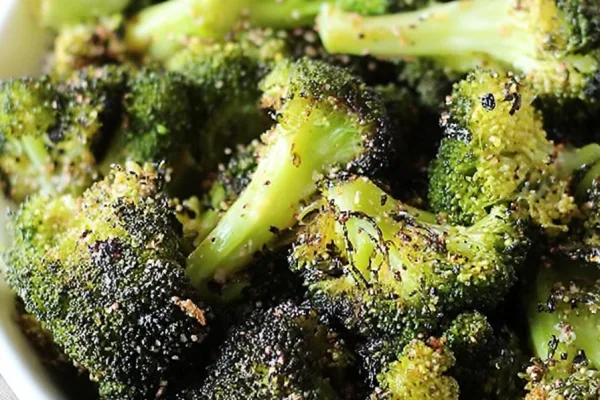
Roasted Broccoli with Parmesan
By Emma
Certified Culinary Professional
·
Recipe tested & approved
Roasted Broccoli with Parmesan tosses fresh broccoli in olive oil, garlic powder, salt, parmesan, and lemon juice, then bakes it at 425°F until tender and lightly charred. Ready in 30 minutes, serves 4 people with 179 calories each.
Prep:
10 min
Cook:
20 min
Total:
30 min
Servings:
4 servings
I’ve been making roasted broccoli with parmesan every week lately because it’s one of those sides that doesn’t need much thought but still tastes like you tried. You toss it with oil and garlic powder and cheese, roast it hot, and it comes out with crispy edges that nobody complains about.
Why You’ll Love This Recipe
- Takes 30 minutes total and most of that is oven time
- The parmesan gets salty and almost crispy on the florets when it hits that high heat
- Garlic powder works better here than fresh garlic because it doesn’t burn
- Lemon juice before roasting does something weird and good to the texture—makes it chewier somehow
- You can hear it crackling in the oven when it’s getting close
- Cleanup is just foil and a bowl
The Story Behind This Recipe
I tested this last Tuesday after work because I had broccoli that needed using and I was too tired to steam anything. I’d been roasting it at 400°F for months but it always came out either soggy or burnt depending on my mood that day. So I cranked it to 425°F and added the lemon juice before roasting instead of after—something I saw in a random comment section somewhere and figured why not. It worked and now I don’t second-guess the temperature anymore. The higher heat gives you those charred bits without drying out the stems. I make this when I need a vegetable on the table and don’t want to think.
What You Need
You need broccoli cut into florets that are roughly the same size. I’m talking about pieces you can fit in your mouth without sawing through them but not so small they turn into crumbs when they hit the heat. If they’re all different sizes you’ll end up with some burnt and some still half raw which defeats the whole thing.
Olive oil is what coats everything and helps the parmesan stick. I use enough to make the florets look shiny when I toss them but not so much that there’s a puddle at the bottom of the bowl. A couple tablespoons does it for a head of broccoli.
Garlic powder goes on before roasting and it won’t burn the way fresh garlic would at 425°F. That’s the whole reason I use it here. Salt is just salt—I add more than I think I need because the broccoli’s mild and needs it.
Parmesan gets sprinkled over the florets before they go in. Use the stuff you grate yourself if you have it but the shaker kind works too. It melts into the crevices and gets salty and almost crispy where it touches the hot pan.
Lemon juice goes on right before roasting, not after. I drizzle maybe a tablespoon over the whole tray and it does something to the texture that I didn’t expect—makes the parmesan broccoli chewier in a way that’s actually kind of good.
How to Make Roasted Broccoli with Parmesan
Set your oven to 425°F and let it heat up while you prep. Line a jellyroll pan with aluminum foil or spray it with nonstick cooking spray because cleanup matters when you’re tired. I always use foil now because it keeps the parmesan from welding itself to the pan.
Wash your broccoli and cut it into florets that are about the same size. This matters more than I thought it would the first few times. Uneven pieces mean some get charred while others stay practically raw in the middle and that’s annoying when you’re trying to serve dinner.
Toss the florets in a large bowl with enough olive oil to coat each piece. Then sprinkle garlic powder, salt and a good amount of parmesan over everything. Toss it all again so every floret gets coated in that garlic and cheese mix because that’s where the flavor lives.
Spread the broccoli out on your prepared sheet in a single layer. Don’t pile them up or they’ll steam instead of roast. Drizzle the lemon juice all over the top—I just squeeze it straight from the fruit and don’t measure. The acid does something weird and good that I can’t really explain but it works.
20 minutes in the oven and you’ll start hearing a crackling sound. That’s when I know the edges are getting charred and the cheese is starting to crisp up. The smell of toasted garlic hits you around the same time. I’ve learned to trust my nose more than the timer because every oven runs a little different.
Pull them out when the florets are tender but still have some bite and the edges look deep green with those almost-burnt spots. Serve them right away because they lose that crispy texture if they sit too long. The garlic broccoli tastes best when it’s still crackling a little.
What I Did Wrong the First Time
I piled all the broccoli in the center of the pan because I didn’t think spacing mattered that much. They steamed instead of roasted and came out soft and kind of sad with no crispy bits anywhere. I had to spread them back out and stick them in for another 10 minutes which dried out some pieces while others stayed limp.
Now I make sure there’s space between each floret even if it means using two pans. It’s the difference between roasted broccoli that actually has texture and something that tastes like it came from the microwave.
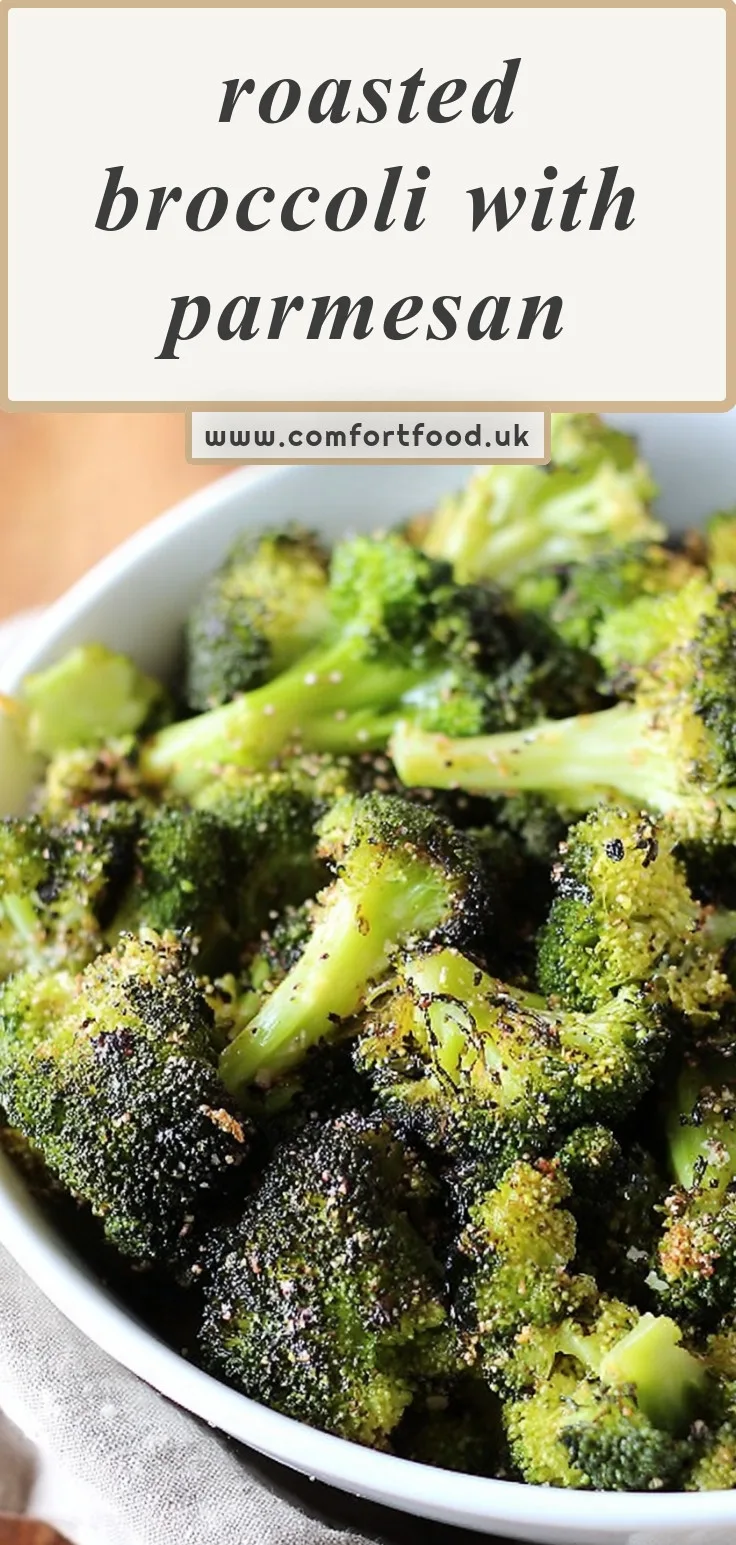
Roasted Broccoli with Parmesan
Prep:
10 min
Cook:
20 min
Total:
30 min
Servings:
4 servings
Ingredients
- Broccoli cut into florets of similar size
- Olive oil to coat broccoli
- Garlic powder for seasoning
- Salt for seasoning
- Parmesan sprinkled over broccoli
- Lemon juice drizzled before roasting
Method
- 1 Set the oven hot at 425°F. Prepare a jellyroll pan by lining it with aluminum foil or spraying it lightly with nonstick cooking spray. I’ve found foil helps with cleanup and prevents sticking completely.
- 2 Wash your broccoli well and cut it into florets, aiming for pieces about the same size so they roast evenly. Uneven chunks cause overcooked edges or raw centers.
- 3 In a large bowl, toss the broccoli with enough olive oil to coat each floret. Sprinkle garlic powder, salt, and a fair amount of parmesan on top. Toss again making sure every piece is coated; that salty parmesan crust is a must.
- 4 Spread the broccoli out in a single layer on the prepared sheet. Drizzle all over with lemon juice—I've learned the acid brightens the flavor and adds a touch of chewiness when roasted. Put the tray in the oven and roast for 15 to 20 minutes. Listen for a gentle crackling and watch for edges turning a deep green with hints of char. The smell of garlic toasting and cheese melting signals they're close.
- 5 Once tender and lightly charred, remove and serve right away. Waiting cools them down and softens the crispness I like.
Nutritional information
Calories
179
Protein
Xg
Carbs
Xg
Fat
Xg
Tips for the Best Roasted Broccoli with Parmesan
Cut the stems thicker than the florets. The stems take longer to cook through and if you make them too thin they’ll shrivel up while the tops are still getting tender.
Use parchment paper instead of foil if you want even crispier parmesan bits. The foil works fine but parchment lets more air circulate under the florets and you get these lacy cheese crisps that stick to the paper in the best way.
Don’t move the pan around while it’s roasting. I used to shake it halfway through thinking it would help but it just knocks off the parmesan that’s trying to get crispy and resets the whole browning process.
The broccoli will look almost too dark in some spots when it’s done right. Those black edges are where all the flavor is and they’re not actually burnt—they’re just deeply caramelized and a little bitter in a way that balances out the salty cheese.
Let your oven preheat for at least 15 minutes before the tray goes in. I’ve noticed if the oven’s still heating up when the broccoli hits it starts steaming instead of roasting and you lose that crackling texture entirely.
Serving Ideas
I put this next to grilled chicken when I can’t think of what else to make. The garlic broccoli works with basically any protein that’s not already drowning in sauce.
It’s good cold the next day straight from the fridge if you have leftovers. The texture changes but it’s not bad—kind of chewy and the lemon comes through more.
I’ve tossed leftovers with pasta and a little pasta water to make it stick. Add more parmesan and you’ve got a side dish that turned into dinner without much effort.
Sometimes I’ll put a fried egg on top of the roasted broccoli for lunch. The yolk runs into the florets and mixes with the cheese and it feels like more of a meal that way.
Variations
You can swap pecorino for the parmesan if you want it sharper and saltier. It melts the same way but has more bite and I like it when I’m in the mood for something that tastes more aggressive.
Red pepper flakes sprinkled on before roasting add heat without making it spicy exactly—just a warmth in the back of your throat that works with the lemon. I use maybe half a teaspoon for the whole tray.
Balsamic vinegar instead of lemon juice makes it sweeter and less bright. It caramelizes in the oven and sticks to the florets but it’s a totally different flavor profile so don’t expect the same tang.
Throw halved cherry tomatoes on the pan for the last 10 minutes. They burst and get jammy and their juice mixes with the oil and cheese at the bottom of the pan which you can scrape up and drizzle back over everything.
FAQ
Can I use frozen broccoli for this? Frozen won’t work the same because it releases too much water when it thaws and roasts. You’ll end up steaming it even at high heat and you won’t get any of those crispy charred edges.
What if I don’t have garlic powder? Fresh minced garlic burns at 425°F and tastes bitter so I wouldn’t substitute it here. Garlic salt could work if you cut back on the regular salt but honestly garlic powder is the move for high-heat roasting.
How do I store leftover roasted broccoli? Put it in an airtight container in the fridge for up to 3 days. It won’t be crispy anymore but it’s still good and you can reheat it in the oven at 400°F for a few minutes to bring back some texture.
Can I reheat this in the microwave? You can but it’ll be soft and limp. The oven or even a toaster oven at 400°F for 5 minutes works better if you want to keep any of the crisp bits alive.
Why does my parmesan burn before the broccoli is done? You’re probably using too much cheese or it’s piling up in spots instead of coating evenly. Toss it better in the bowl before spreading it out and use a little less next time.
Does the lemon juice make it soggy? It doesn’t if you’re just drizzling a tablespoon or so over the whole pan. More than that and yeah it’ll steam instead of roast. The acid evaporates pretty fast in the oven anyway.
Can I use pre-shredded parmesan from a bag? The stuff in the green can works fine here. Freshly grated is better but I’m not grating cheese when I’m tired so I use the shaker kind half the time and it still crisps up.
What size should I cut the florets? About 2 inches across so they’re big enough to have texture but small enough to cook through in 20 minutes. If they’re too small they’ll shrivel and if they’re too big the stems stay raw while the tops burn.
Can I add other vegetables to the same pan? Cauliflower works because it roasts at the same rate. Carrots or potatoes take longer so don’t mix those in or your broccoli will be overdone by the time they’re tender.
Why is my roasted broccoli mushy instead of crispy? You probably crowded the pan or didn’t preheat the oven long enough. Broccoli needs space and immediate high heat to roast instead of steam. Use two pans if you have to.
How do I know when it’s done? Listen for crackling and look for deep green florets with black charred spots on the edges. The stems should be tender when you poke them with a fork but not falling apart.
Can I make this ahead? You can prep and toss everything in the bowl a few hours before but don’t roast it until you’re ready to serve. It tastes best right out of the oven when it’s still got that crispy texture.
What kind of olive oil should I use? Regular olive oil is fine—don’t waste extra virgin on this because the high heat kills the flavor anyway. I just use whatever’s open in my cabinet.
Will this work on a sheet pan instead of a jellyroll pan? Any rimmed baking sheet works as long as it’s got edges to catch any oil that drips. I just call it a jellyroll pan because that’s what I’ve always used.
Can I skip the foil? You can spray the pan directly but the cheese will stick and you’ll be scraping it off for a while. Foil makes cleanup take 10 seconds so I don’t skip it anymore.
How much parmesan should I actually use? Enough to coat the florets when you toss them but not so much that there’s loose cheese sitting on the pan. Maybe a third of a cup for a whole head of broccoli.
Does the type of broccoli matter? Regular broccoli crowns work best. Broccolini cooks faster and burns easier at this temperature so if you’re using that lower the heat to 400°F and check it earlier.
What if my oven runs hot? Drop the temp to 400°F and add 5 minutes to the cooking time. You still want high heat but some ovens will burn everything at 425°F before the insides cook.
Can I use lime juice instead of lemon? Sure but it’s a different flavor—more floral and less sharp. It still does that weird texture thing though so it works if that’s what you’ve got.
Why does my parmesan broccoli taste bland? You didn’t use enough salt. Broccoli’s mild and needs more salt than you think especially when you’re coating it with cheese that melts into the crevices instead of staying on the surface where you can taste it right away.
You’ll Love These Too
Explore all →
Carbonara with Pancetta and Pecorino Romano
Bavette Steak with Shallot Sauce & Crispy Fries
Foie Gras Appetizer with White Wine
Cheesy Garlic Bread with Cream Cheese
Raspberry Pound Cake with Cream Cheese Frosting
Spice and Hot Chocolate with Cinnamon
Baked Maple-Chai Donuts with Whole Wheat
Grilled Marinated Potatoes
Citrus Fluff Delight with Mandarin & Pineapple
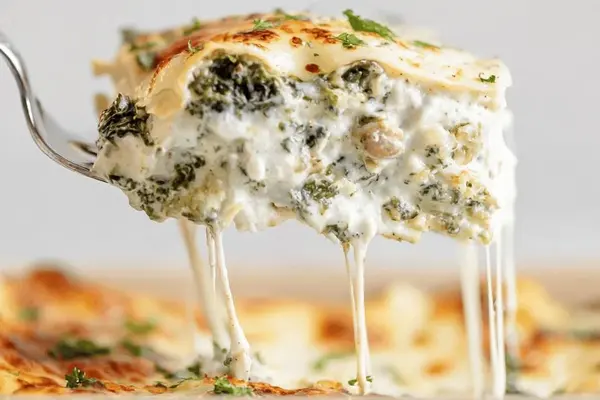
Ziti Bake with Spinach, Mushrooms & Ricotta
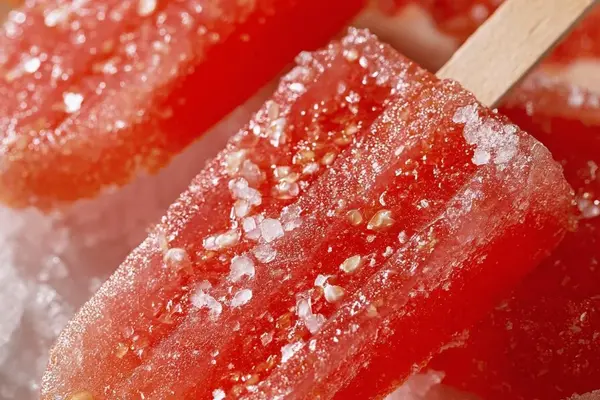
Grapefruit Syrup Snow Candy on Sticks
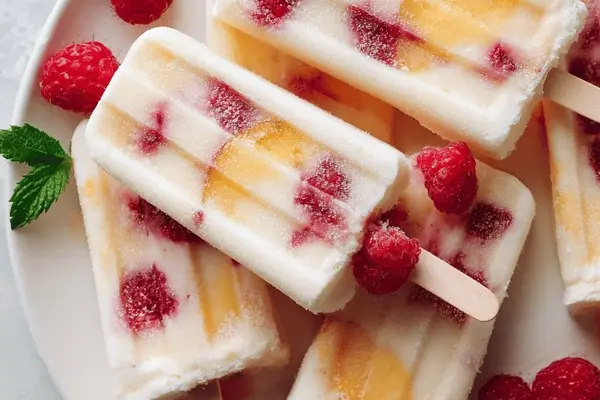
Frozen Popsicles with Raspberries and Peaches
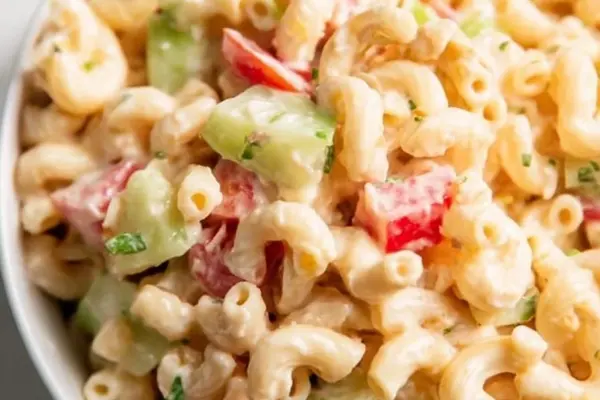
Macaroni Salad with Eggs & Cornichons
Sundae Cookie Fudge with Oreos
Coconut Cream Pie Recipe with Whipped Topping
Poke Re: Sushi Rice Bowl with Marinated Salmon
Caramelized Onions with Honey and Butter
Mediterranean Salad with White Beans
Crispy Ranch Potatoes