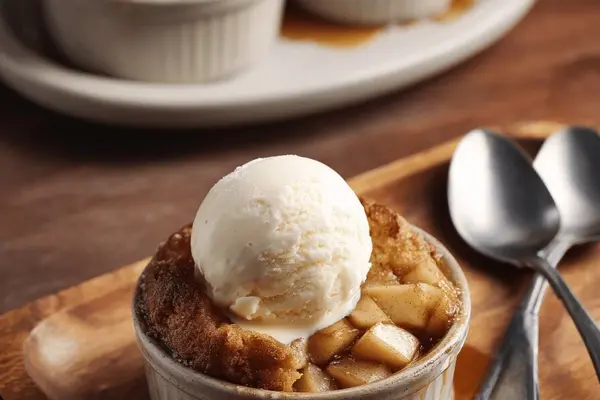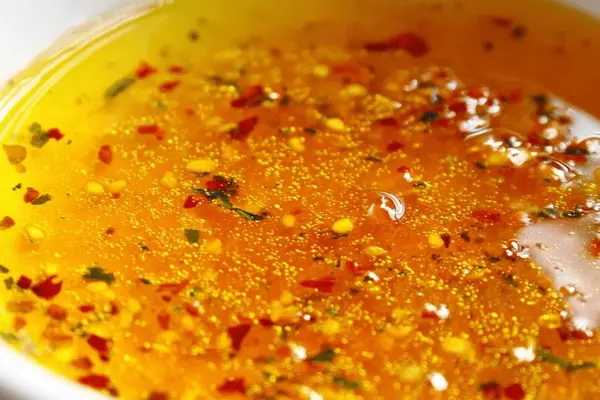
Rough Pecan Caramel Sauce
E
By Emma
Certified Culinary Professional
•
Recipe tested & approved
Sugar heated slow with water, then bubbling turned amber. Butter and cream added last; expect spit and hiss. Vanilla and sea salt ground it out. Pecans dive in for crunch and bite. Timing’s loose — watch color and texture, not stopwatch. A little burnt smell means pushed too far. Swap pecans for toasted walnuts or almonds, toss whiskey in place of vanilla for punch. Fluid, sticky, nutty. Keep cool or serve warm. Makes six portions.
Prep:
6 min
Cook:
17 min
Total:
23 min
Servings:
6 servings
#caramel
#pecans
#dessert sauce
#nutty
#American
#caramelization
Before You Start
Caramel sauce— sounds simple but nails patience and feel. Too hot? Burnt bitterness. Too little time? Just sticky sugar syrup. I’ve done both, more times than I admit. Yesterday, watching sugar swirl transform, smell shift from sweet to toffee-dark — that’s when you know. Add butter cold to shock the caramel, makes it richer, silkier. Cream cools it down but makes sauce cling. Pecans not just garnish — toasty they crunch, raw they snap freshness against syrupy sweetness. Salt? Game changer. Pulls everything sharp, makes sauce pop instead of boring sweet goo. I once swapped vanilla for whiskey — smoky warmth that surprised everyone. This sauce works cold or warm. You want to drip it, dollop it, lick the spoon. But watch closely, this tricksy beast waits for no one.
Ingredients
- 1 cup granulated sugar
- 1/4 cup water
- 6 tablespoons unsalted butter, diced
- 1/2 cup heavy cream
- 1 teaspoon vanilla extract (or 1 tablespoon whiskey as twist)
- 1/4 teaspoon fleur de sel (or coarse sea salt)
- 3/4 cup whole pecans (toasted or raw based on preference)
In The Same Category · Sauces and Condiments
Explore all →
Garlic Balsamic Vinaigrette Twist
Ginger Grape Chutney
Rustic Tomato Gravy
Smoky Lime Chipotle Remoulade
South Carolina Mustard BBQ Sauce Twist
Zesty Ranch Dressing Remix
Smoky Ranchero Sauce
Molasses Gingerbread Syrup
Clarified Butter Remix
Easy Chili Spice Mix
Citrus Concentrate Syrup
Watercress Basil Vinaigrette
Earl Grey and Physalis Syrup
Apple Cider Reduction
Fig Blueberry Chutney
Peppercorn Cream Sauce
Velvety Hot Fudge
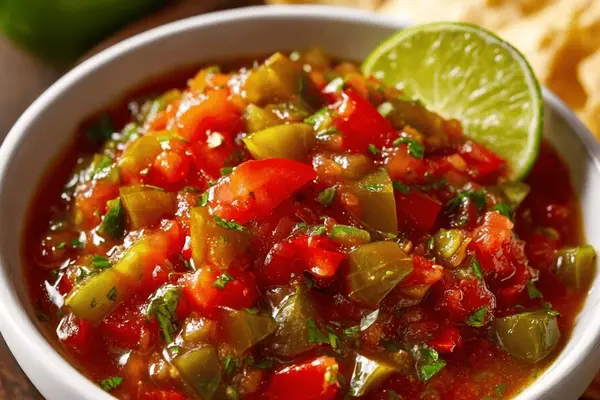
Chunky Fiery Salsa
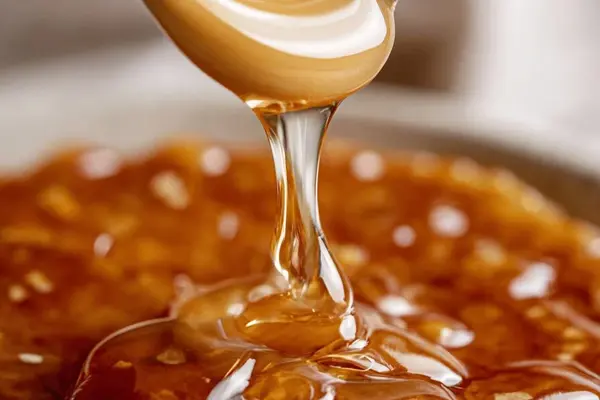
Maple Cream Sauce Twist
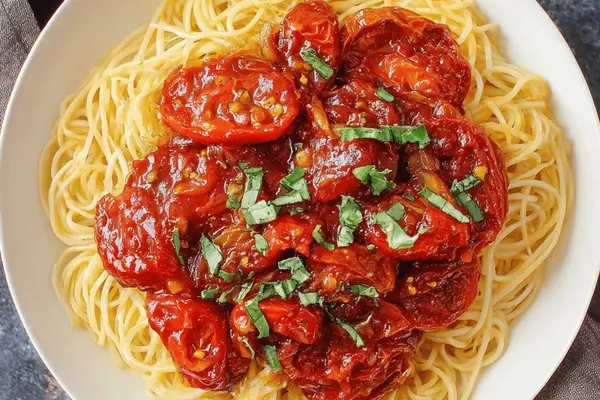
Grilled BBQ Tomato Sauce
About the ingredients
Sugar and water ratio important—a little over or under changes how caramel behaves. Use a heavy pan for even heat; thin pans burn edges fast. Unsalted butter lets you control salt balance later — salted introduces unpredictability. Heavy cream, full fat, is best; skim or milk changes texture and mouthfeel, sauce gets runny or gritty. Vanilla extract brings warmth but whiskey adds body and edge, try one or the other. Fleur de sel is preferred for crunch and flavor burst; regular fine salt lacks texture and effect. Pecans can be raw, but toasting nuts in dry pan first cracks oils loose, sealing flavor. Store extra sauce chilled in sealed jar, reheat gently to avoid crystalizing sugar. Never stir sugar syrup once boil starts — it encourages crystallization jungling the texture.
Method
- Start with sugar and water in a heavy-bottomed saucepan over medium-low heat. Stir only until sugar fully dissolves. Then cut the stirring, increase heat. Swirl the pan gently to keep the syrup moving — no spoons here. Watch closely, amber will sneak up fast.
- Bubbles shift from playful to steady, edges darken before center. When color deepens into rich caramel—hint of burnt sugar smell—lift from heat. Timed wrong, it turns bitter fast. Don’t wait for perfect brown; catch 'that moment' when syrup thickens but isn’t smoke.
- Add cold butter chunks straight away, whisk hard. Mixture sputters and hisses like a pot on the boil. That’s okay, just protect your hands. Keep whisking until butter melts completely and the sauce thickens with sticky gloss.
- Slow pour in heavy cream while whisking fiercely. Sauce texture tightens, glossy ripples form—a sign it’s binding. If sauce splits or grainy, warmth was off. Reheat gently, whisk smooth.
- Stir in vanilla extract or swap with whiskey for an unexpected kick. Sprinkle fleur de sel evenly for contrast—don’t skip salt, it cuts sweetness and brightens flavor.
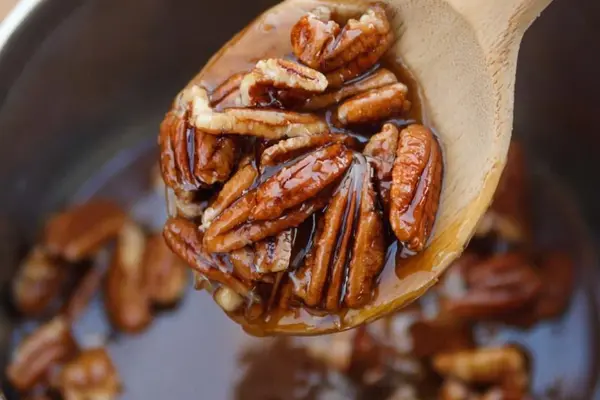
- Finally, fold in pecans. Toast beforehand for smoky crunch; raw nuts give fresher bite. Let sauce cool slightly to thicken or serve warm over ice cream. Either way, texture shifts—warm, pourable, sticky; cool, thick and clingy.
- Use leftover caramel spillage for coffee drizzles, or stir into yogurt or oatmeal. Store airtight, gently reheated when needed. Sometimes thicker consistency wins; add splash cream while warming to loosen.
Cooking tips
Watch the sugar syrup like a hawk — color and bubbles tell you everything. Early on, bubbles are lots, wild, clear. Move toward boil, bubbles gather on sides, slow, thick, dense. Watch for smooth amber glow, not dark brown smoke. Swirling the pan avoids hot spots and burning edges but resist stirring — it crystallizes. When butter hits caramel, expect violent hissing. Whisk fast, aerates sauce, keeps texture light rather than heavy and grainy. Cream comes last so sauce cools slightly; drizzle slowly while whisking to prevent lumping or breaking. Salt at end so it doesn’t dissolve too early losing punch. Fold in nuts last, toss lightly, avoid breaking. Cooling changes sauce viscosity; test by dripping from spoon. Sauce too thick? Warm with splash cream, too thin? Return briefly to medium heat but no stirring. No disasters, just sensory clues, and patience — your best tools here.
Chef's notes
- 💡 Sugar and water first, stir just to dissolve then stop. Don’t risk recrystallizing by stirring once heat rises; swirling pan works better. Watch bubbles change from wild and clear to thick, dense around edges. That’s your signal to gauge amber color fast, not by time.
- 💡 Butter added cold shocks caramel, causes sputtering and hissing. Whisk fast, aerates sauce, keeps final texture lighter not heavy or grainy. If whisking slows, risk sauce setting rough. Timing here tricky but key to silky gloss.
- 💡 Cream joins late, pour slowly while whisking or danger of splitting. Sauce tightens wispy ripples; stop if grainy or ran because heat too high or cream cold. Reheat gently to fix but no vigorous stirring once mixing finished.
- 💡 Salt always last, fleur de sel ideal for crunch and salt pop. Fine salts dissolve too fast, flatten flavor edges. Pecans fold gently after sauce thickens, toasting nuts first unlocks oils, deepens nutty bite more than raw. Toss nuts lightly avoid breakage.
- 💡 If sauce too thick—warm with splash cream, thin—quick medium heat but skip stirring again. Leftover caramel reheat cautiously, crystalline sugar ruins texture fast. Heavy pan critical for slow even heat, thin pans risk burnt edges before color forms.
Common questions
How to know when caramel’s done?
Look for amber glow, bubbles slow, edges darken first. Smell faint burnt sugar but not smoke. Timing’s loose. Don’t wait for dark brown or smells smoke. Touch test near pan edges – syrup thickens quick then color deepens fast.
Can I substitute pecans?
Toasted walnuts or almonds work fine. Toasting crucial to unlock oils and add crunch. Raw nuts softer, less flavor. Add nuts last, fold gently to avoid crushing pieces, texture matters here; crunchy vs fresh bite is big difference.
Sauce splitting or grainy?
Usually heat too high or cream added too fast. Whisk slow pour cream. Reheat gently if splits but skip vigorous stirring. Graininess means sugar recrystallized—avoid stirring once syrup’s boiling. Butter aerates and smooths texture if whisked hard.
How to store leftover sauce?
Airtight jar refrigerated best. Reheat gently, low heat. Sometimes sauce thickens; add splash cream while warming to loosen. Can drizzle cold over yogurt or oatmeal. Don’t over heat or sugar crystals form, messing texture.
You’ll Love These Too
Explore all →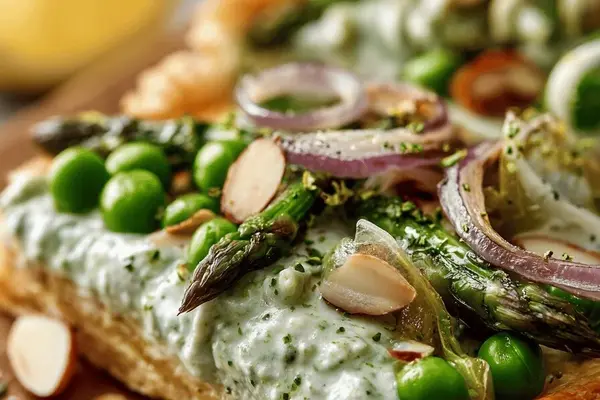
Asparagus Pea Puff Tart
Cheeseburger Sliders Twist
Glazed Fish Dijon Twist
Chocolate Peanut Butter Cake
Lemon Butter Asparagus Twist
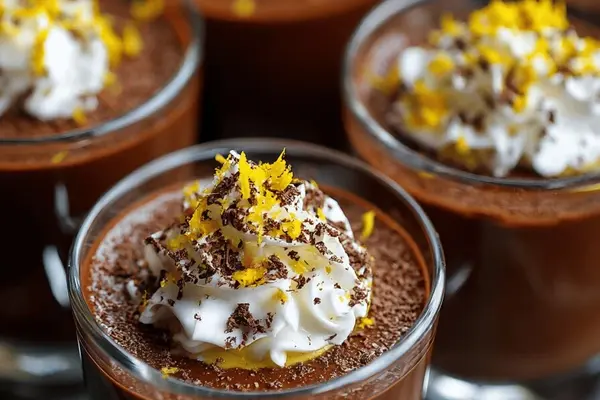
Chocolate Cream Pots with Orange
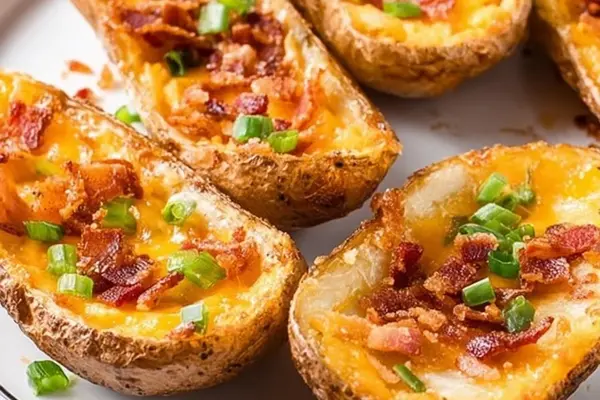
Crispy Baked Potato Skins
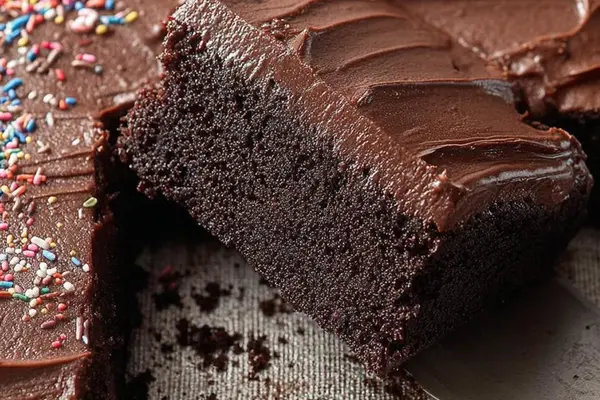
Sheet Pan Choco Cake
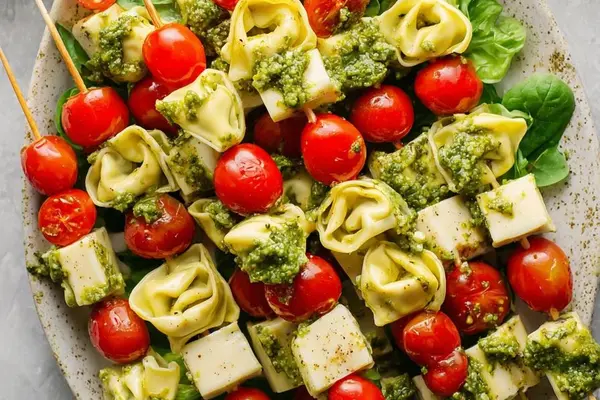
Lemon Arugula Tortellini Skewers
Red Velvet Cupcakes Twist
Beef Tacos with Tangy Sauce
Sunshine Orange Cake
Steamed Lobster Simple
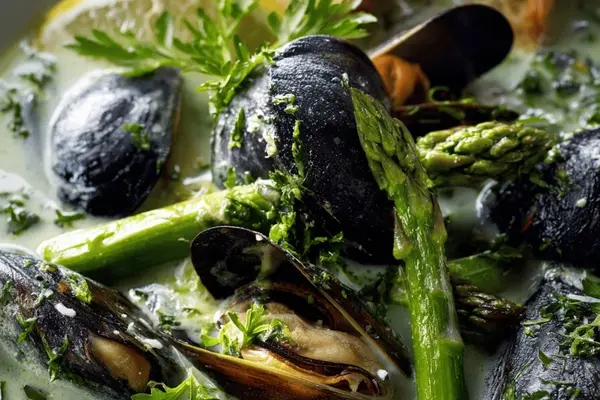
Creamy Asparagus Mussel Soup
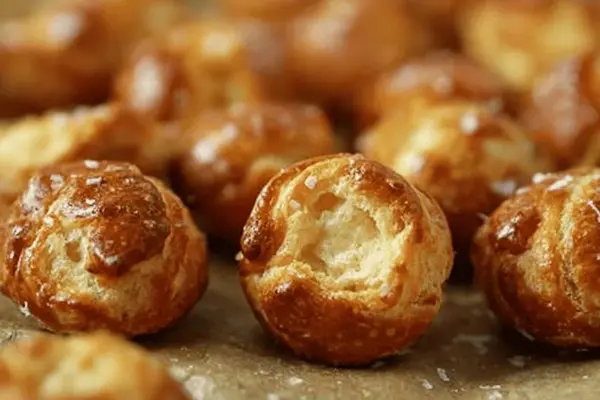
Canned Biscuit Pretzel Bites
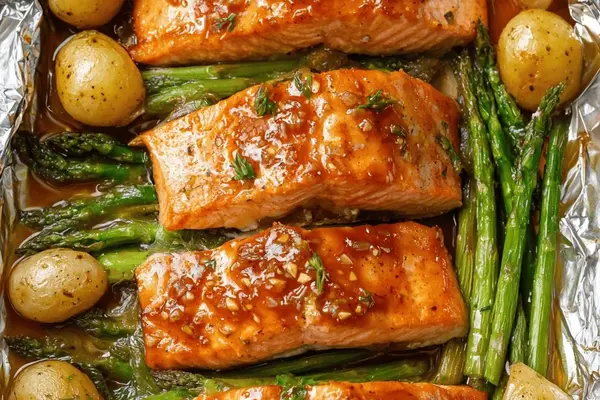
Salmon Miso Papillotes
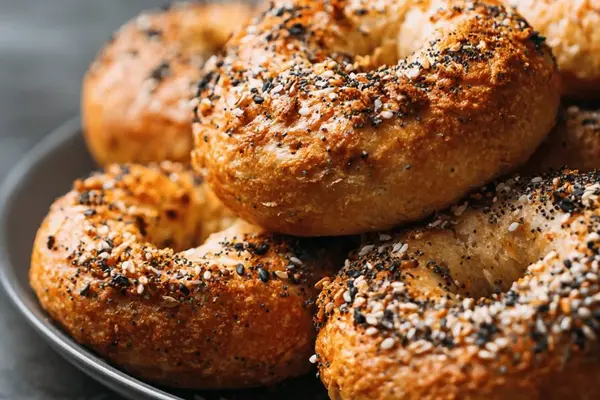
Air Fryer Yogurt Bagels
Veal Stew with Creamy Mushroom Sauce
Rustic Sloppy Joes Remix
Veal Escalopes Marsala Spinach