Ruby Red Cranberry Syrup
E
By Emma
Certified Culinary Professional
•
Recipe tested & approved
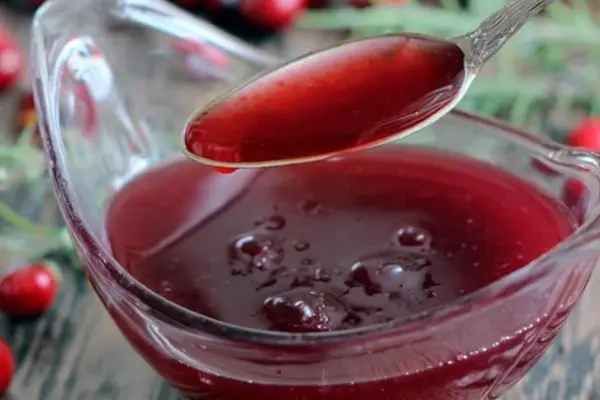
A tangy, vibrant syrup made by simmering fresh cranberries with sugar, water, and sea salt. Strained to a thick, glossy consistency, then brightened with lemon juice. Ideal for cocktails, pancakes, or desserts. Use tart cherry juice instead of water for a deeper fruit flavor and natural sweetness. Shelf life limited to 3 days in the fridge; freezes well. Watch for skin popping and syrup thickening as doneness indicators.
Prep:
6 min
Cook:
8 min
Total:
14 min
Servings:
6 servings
#American
#cocktail syrup
#fruit syrup
#cranberry
#homemade
#easy syrup
Before You Start
Cranberries crackle and pop when heated, throwing off a sharp aroma that hits the back of your throat. That first boil tells you sugar’s about to work its magic, breaking down tartness into something sticky, rich, red. I swapped plain water for tart cherry juice once—something about that extra fruit layer sticks in your memory. Salt’s tiny, unsung role stabilizes flavor, rounding edges without shouting. Lemon juice adds the zing to wake the syrup from its slumber. The key? Stop simmering right when the thick sheen cloaks the mixture. Overdo it, and bitterness sneaks in. Straining lets you keep syrup smooth while ditching skins and seeds. A quick chill melds flavors nicely without dulling vibrancy. Easy, fast, and a strong backup for sweeter sauces.
Ingredients
- 2 cups chopped fresh cranberries
- 3⁄4 cup granulated sugar
- 1 cup water or tart cherry juice
- 1⁄8 teaspoon sea salt
- 2 tablespoons fresh lemon juice
In The Same Category · Sauces and Condiments
Explore all →
Lemon-Rosemary Salt
Coconut Curry Sauce Remix
Rustic Seasoned Salt
Clarified Butter Remix
Smoky Lime Chipotle Remoulade
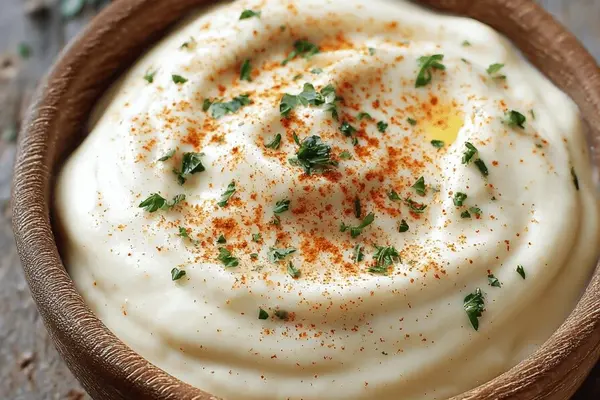
Garlicky Whip Sauce
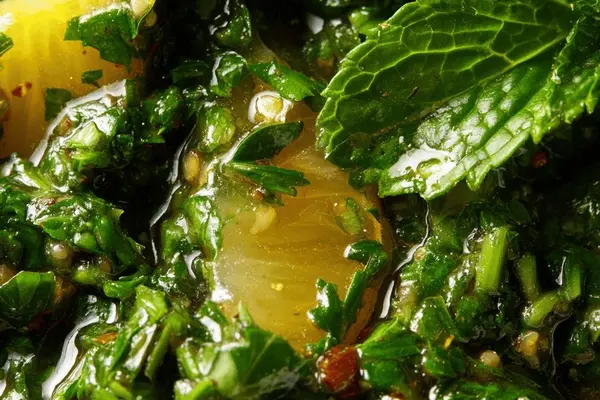
Twisted Chermoula Sauce
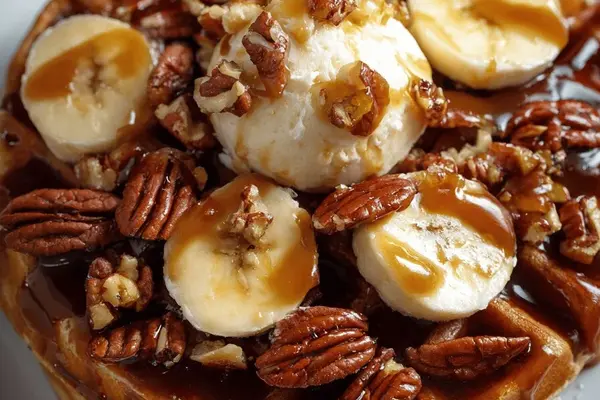
Banana Caramel Sauce
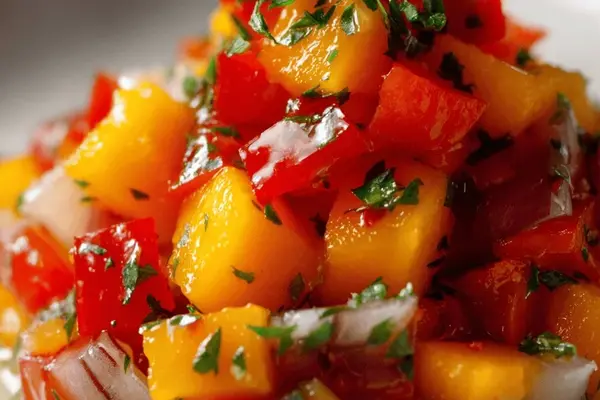
Tropical Mignonette Twist
Citrus Concentrate Syrup
Quick Dark Sauce Gravy
Ginger Grape Chutney
Chunky Fiery Salsa
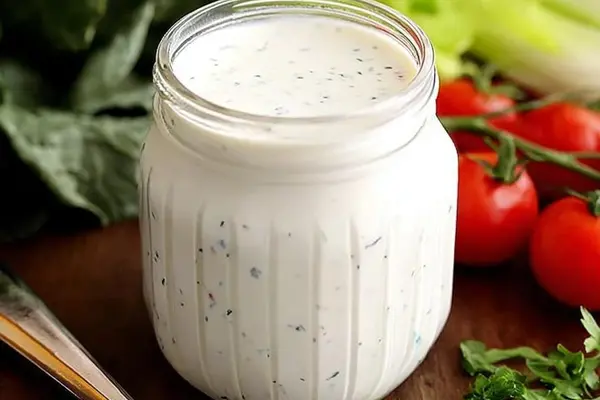
Zesty Ranch Dressing Remix
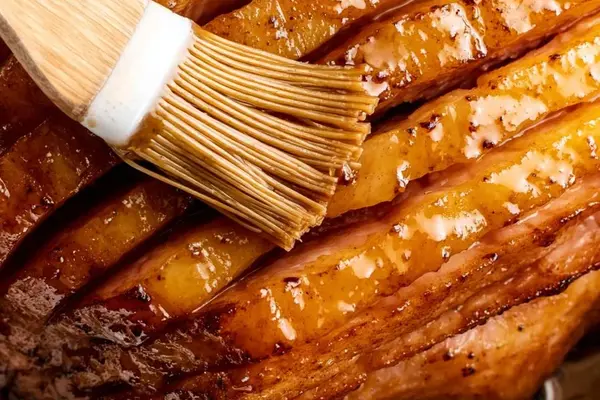
Pineapple Ham Glaze Remix
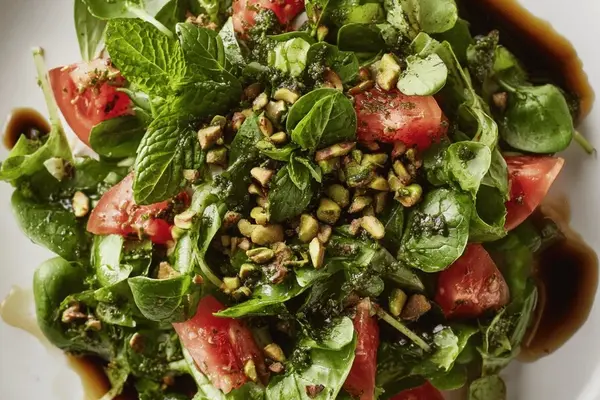
Watercress Basil Vinaigrette
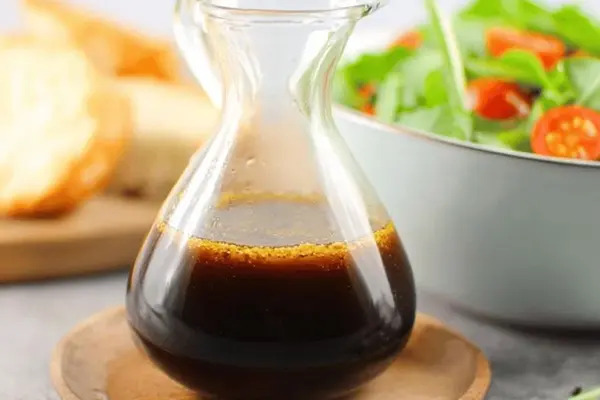
Garlic Balsamic Vinaigrette Twist
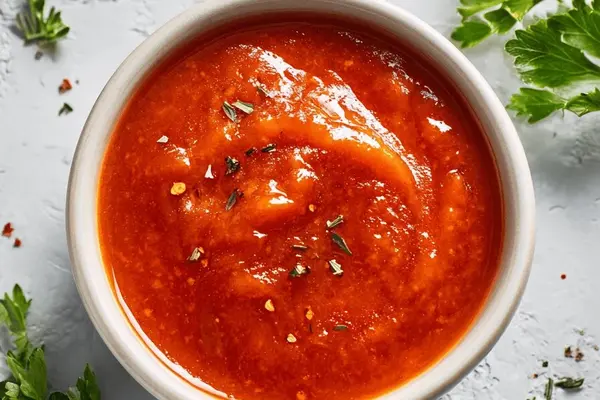
Tangy Sweet Pepper Sauce
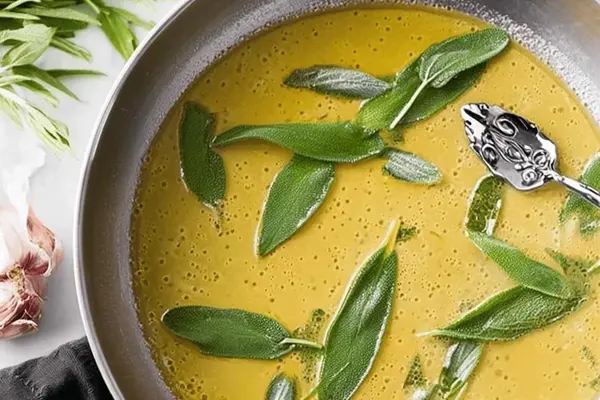
Brown Sage Butter Sauce
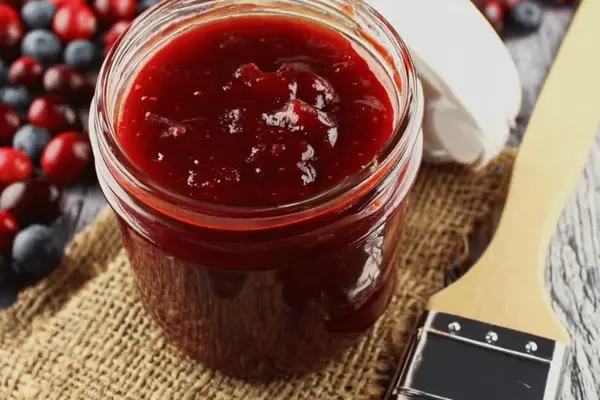
Tangy Cran Blueberry BBQ
About the ingredients
Three-quarters cup sugar works but swap up to a cup if you want it sweeter or less tart. Otherwise, try raw sugar or honey if you prefer a deeper complexity—expect color to darken. Water is classic, but tart cherry juice adds body and richness, making it more robust in flavor and color. Sea salt? A pinch here prevents flatness, but regular salt is fine in a pinch. Lemon juice brightens instantly, choose fresh over bottled for more punch. Avoid using frozen cranberries, they release water making syrup thinner. Chop fresh for quicker cooking. This syrup isn’t just for cocktails — drizzle on yogurt, mix into oatmeal.
Method
- Get the cranberries, sugar, water (or tart cherry juice), and salt into a sturdy saucepan. Turn heat to medium-high. Expect popping sounds shortly—cranberries bursting is key here.
- Once boiling, stir to dissolve sugar completely. No gritty sugar remnants visible. Lower heat slightly; simmer commands attention now. Bubbles should steady but not frantic.
- Keep an eye for syrup thickening and mixture turning sticky. That sticky sheen means sugar is caramelizing just right. About 8-12 minutes total but don’t rely solely on timing here.
- Remove from heat. Set a fine mesh sieve over a bowl — a cheesecloth or even a clean dish towel works in a pinch. Push down on solids gently with back of spoon to crush and release that deep red syrup.
- Whisk lemon juice into strained syrup swiftly. It freshens—balances acidic punch with tartness. Cool to room temperature or chill 10 minutes before use.
- Store in airtight container. Will keep in fridge up to 3 days. Freezing extends life; freeze in small portions for quick thawing.
Cooking tips
Don’t rush the simmer. The bubbling pace tells you when sugar and cranberry acids are melding. The sticky sheen means the syrup’s nearing viscosity—feeds texture, clings to spoon like a slow drip. Overcooking turns edges bitter, burnt sugar sneaks in. Some cranberries might stubbornly hold shape; pop them gently with the spoon but don’t pulverize fully. Straining squeezes out fibers—don’t press too hard—avoid clouding syrup with pulp. Lemon juice added last brightens and preserves color. Cool slightly before storing. If syrup crystallizes in fridge, gently warm and stir. Freeze in ice cube trays to portion out easily. A small whisk speeds mixing lemon juice in. Keep a clean ladle on hand to test consistency mid-simmer.
Chef's notes
- 💡 Watch for popping cranberries early on. The burst sound means acids and pectin start working. Noise fades at simmer, bubbles steady not frantic. Signs matter more than clock. Timing shifts with heat, cranberry freshness.
- 💡 Sugar dissolve fully before lowering heat. Gritty sugar ruins texture. Stir until smooth, syrup going sticky shows caramel starting. Don’t rely on time alone—look for glossy sheen coating spoon edges. That’s your doneness signal.
- 💡 Strain syrup through fine mesh or cheesecloth, push gently with spoon’s back. Avoid forcing solids too hard; pulp clouds syrup, messes flavor. Easy-pour texture needs patience here. Any leftover bits make for bitter spots when stored.
- 💡 Lemon juice last step. Whisk quickly while warm but off heat. Brightens flavor profile, cuts heaviness. Fresh always preferred; bottled falls flat. Stir well, syrup turns vibrant red again after straining—color shift signals acid balance.
- 💡 Use tart cherry juice instead of water for deeper fruit layer, richer color. Cherry juice adds natural sweetness, cuts down sugar need. But syrup thickens slightly slower, watch bubbling behavior carefully. Frozen cranberries release too much water, avoid.
Common questions
Why cranberries pop so loud?
Early heat bursts skins open causing crackle. No pop means low temp or old berries. Essential for releasing acids and pectin. Helps syrup thicken right.
Can I substitute sugar type?
Yes, raw sugar or honey adds complexity, darkens color. Honey slows crystallization but changes flavor. Granulated sugar standard for clean, bright outcome. Adjust sweetness if needed.
Syrup too thin, what now?
Simmer longer but watch for bitterness. Sticky sheen on spoon means thickening. If too watery, reduce heat slower or use less water. Adding pectin or cornstarch not ideal here.
How store syrup best?
Refrigerate airtight up to 3 days, freeze in small portions for longer life. Thaw gently. Crystals can form in fridge—warm gently and stir to fix. Avoid open containers, syrup absorbs odors.
You’ll Love These Too
Explore all →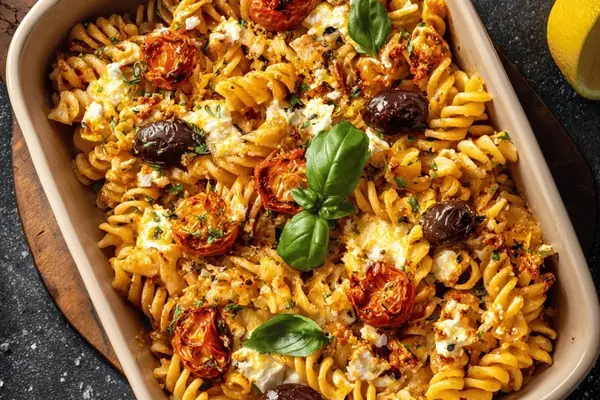
Feta Tomato Fusilli Bake
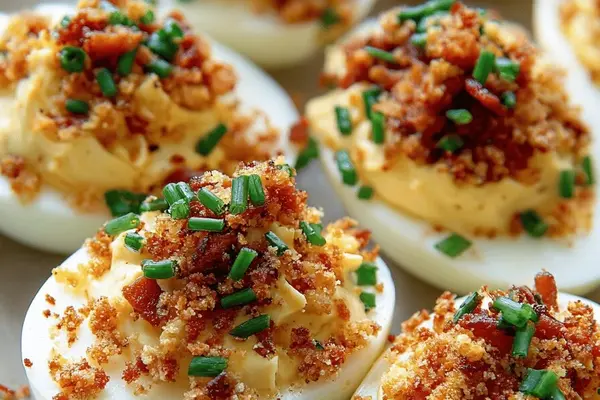
Spicy Crispy Deviled Eggs
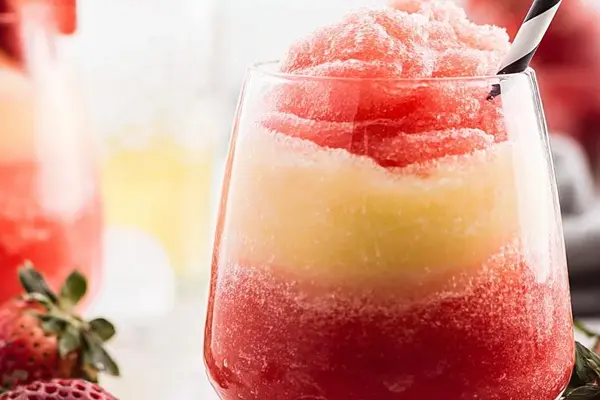
Frozen Wine Slushie Remix
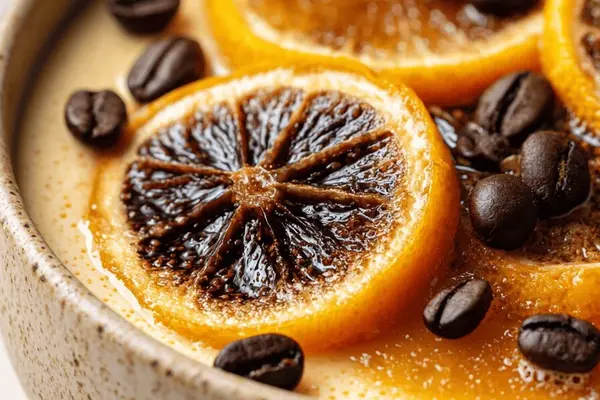
Coffee Orange Panna Cotta Twist
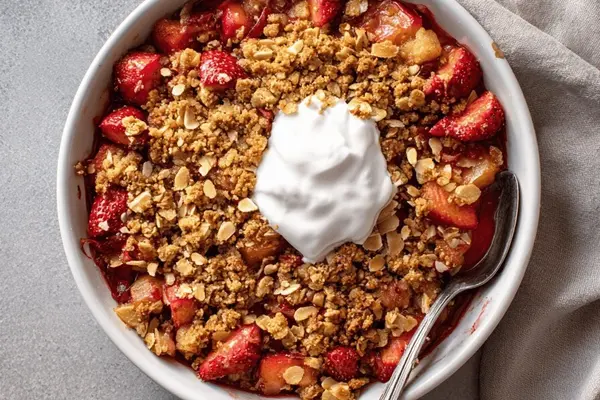
Gluten-Free Strawberry Rhubarb Crisp
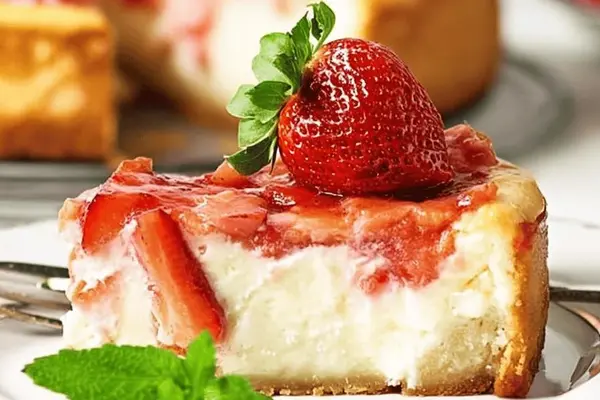
Baked Strawberry Cheesecake Twist
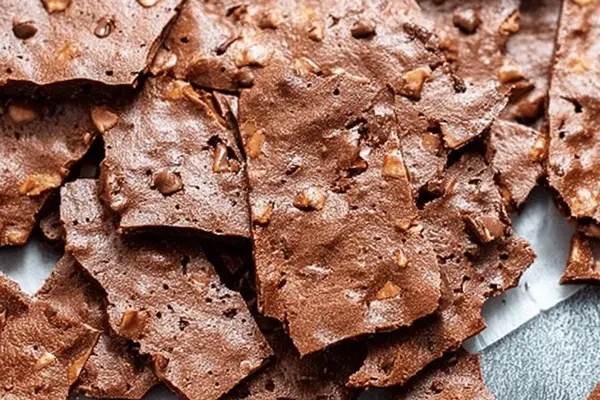
Crispy Brownie Brittle
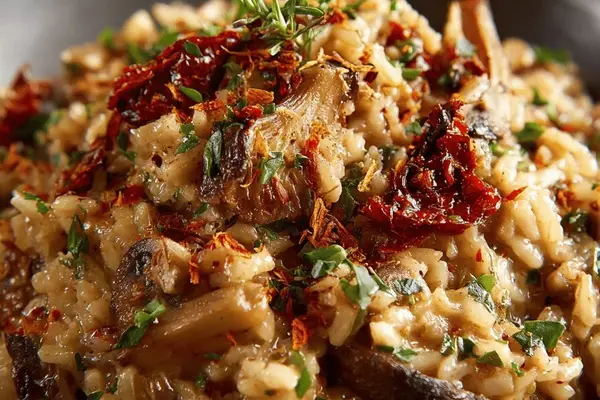
Wild Mushroom Risotto Jar
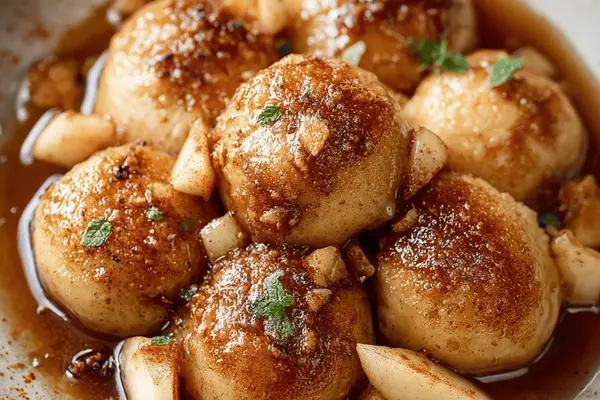
Apple-Stuffed Maple Dumplings
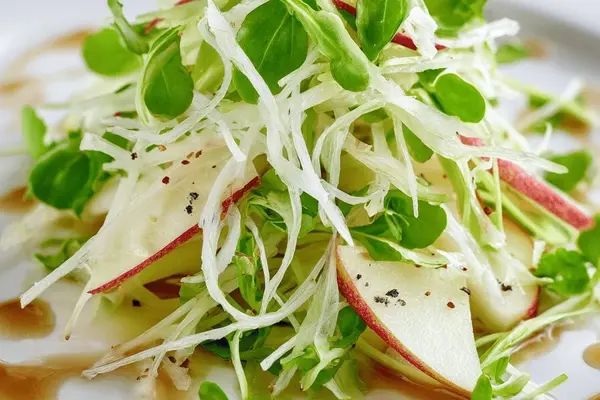
Fennel Green Apple Salad
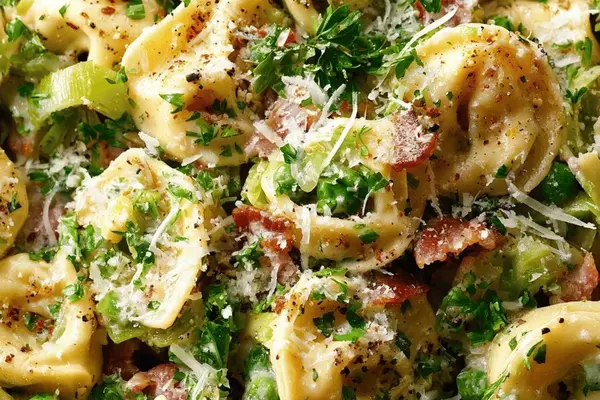
Twisted Cheese Tortellini
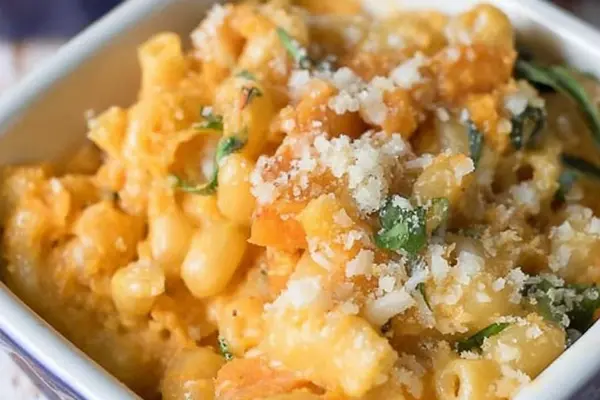
Sweet Potato Mac Bake
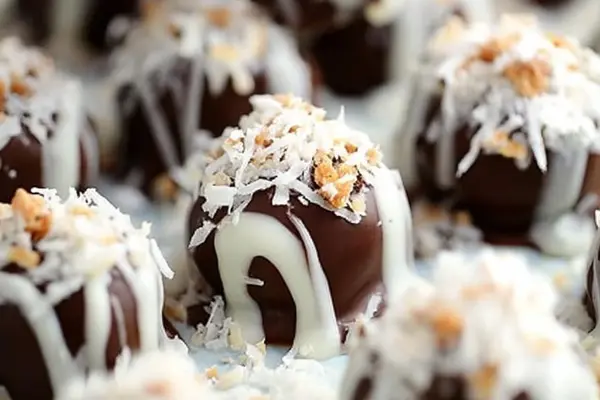
Twisted Washington Balls
Ranch-Seasoned Burger
Rustic Chuck Burgers Reworked
Savory Breakfast Burrito Crêpes
Celery Pimento Snack
Turkey Spinach Meatballs
Fruit Salad Twist
Purple Cran Vodka Twist