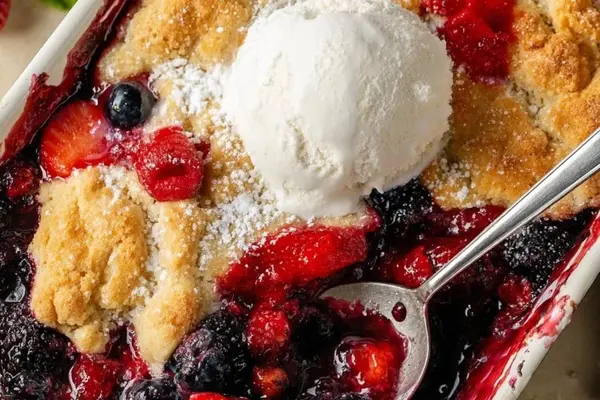
Rustic Berry Cobbler with Buttermilk Biscuits
E
By Emma
Certified Culinary Professional
•
Recipe tested & approved
Rustic berry cobbler made with mixed blueberries, blackberries, and strawberries, topped with golden buttermilk biscuits. Lemon and cinnamon filling with freeze-dried raspberries for extra flavor and texture.
Prep:
15 min
Cook:
40 min
Total:
55 min
Servings:
6 servings
Warm berries bubbling under a thick golden biscuit—that’s it. Takes 15 minutes to throw together, 40 minutes in the oven, and you’re done. No rolling pins, no fussy pastry, just spoonfuls of dough dropped over the fruit and let it do its thing.
Why You’ll Love This Rustic Berry Cobbler
Comfort food that tastes like someone actually cared. The cinnamon hits without being sweet, lemon keeps it from tasting flat, and those freeze-dried raspberries add a tartness you can’t quite name but somehow need. Biscuit topping gets crispy on the edges, stays soft underneath where the juices soak in. Works warm or cold. Ice cream optional, but recommended. No special skills. Just a bowl, a spoon, and 55 minutes total.
What You Need for a Fruit Cobbler
Mixed berries—blueberries, blackberries, quartered strawberries. Use what’s in season. Frozen works just as well, maybe even better since they’re already broken down a bit. Two cups total. Granulated sugar (1/3 cup for the fruit). Cornstarch keeps the filling from being soup. Lemon juice—fresh, not bottled. A teaspoon of vanilla. Ground cinnamon, half a teaspoon. The freeze-dried raspberries are the twist here—crushed up, they add something tart and almost floral that regular berries don’t have.
For the biscuit topping. All-purpose flour, one cup. Two tablespoons sugar. Baking powder, one and a half teaspoons. Salt. Cold unsalted butter cut into small pieces—like peas, honestly. Buttermilk. If you don’t have it, milk and a splash of vinegar or lemon juice works fine. Brush the tops with heavy cream. Coarse sugar sprinkled over top. That’s literally everything.
How to Make a Biscuit Topping Cobbler
Heat the oven to 380 degrees. That specific temperature matters—hot enough to get real caramelization on the biscuits, not so hot the edges burn before the middle sets. Spray your baking dish. Two and a half to three quarts. This is important because cobbler juice sticks like it’s got a grudge. Non-stick spray saves you later.
Cut the big strawberries into quarters. Put all the berries in a bowl with the sugar, cornstarch, lemon juice, vanilla, cinnamon, and crushed freeze-dried raspberries. Stir gently. You’re not trying to pulverize them. Pour it into the dish—don’t overcrowd. The juices need room to bubble up.
Whisk the flour, sugar, baking powder, and salt together. Add the cold butter pieces. Use your fingers. Press the butter into the flour until you get pea-sized lumps. A pastry cutter works, forks work, but fingers give you control. Don’t overwork it or the butter melts and everything gets tough. Pour in the buttermilk slowly while stirring. The batter should be sticky but scoopable. Too wet, add flour. Too dry, add more buttermilk.
Scoop the dough over the berries in uneven dollops. Use a cookie scoop or just a spoon. Rustic is the point here. Don’t smooth anything or flatten the tops. Thick, lumpy edges brown better. Brush with heavy cream. Sprinkle the coarse sugar generously. It’ll get crispy and sparkly.
How to Get Crispy Edges on Berry Cobbler with Biscuits
Bake 38 to 43 minutes. The biscuit tops should turn golden amber with crisp edges. Watch the pan edges—you’ll see thick juices bubbling and crackling. Listen for it. That gentle crackle means everything’s cooking the way it should. Don’t pull it out because it “looks done.” Wait for the sound and the color. Both have to be there.
Cool it 8 to 12 minutes. This matters. The juices thicken, the biscuits firm up but stay tender. Serve it warm. Vanilla ice cream melts into the warm cobbler like it was meant to. Or whipped cream. Both work.
Rustic Berry Cobbler Tips and Common Mistakes
The berries are the biggest variable. Frozen mixed berries keep the filling consistent. Fresh berries are juicier, so maybe add another tablespoon of cornstarch if they’re really wet. The freeze-dried raspberries aren’t just flavor—they’re texture. They give the filling this subtle crunch underneath the biscuit.
Buttermilk. If you don’t have it, don’t stress. Make a substitute. One cup milk plus a teaspoon of lemon juice or vinegar. Let it sit for five minutes. Same thing happens. The acid breaks down the flour slightly, makes the biscuits lighter. Butter temperature matters. Cold butter, not room temperature. Cold creates pockets in the dough that puff up. Room temperature butter melts into everything and you get a dense top.
The biscuit dough should be thick and lumpy. If it’s too smooth, you overworked it. If it’s too thin, add flour a tablespoon at a time. The texture you want is like cottage cheese dough—rough, with visible butter pieces. Brush with heavy cream, not milk. Heavy cream browns faster and tastes richer. Coarse sugar doesn’t dissolve. That’s the point. It stays crunchy.
Rustic Berry Cobbler with Buttermilk Biscuits
Prep:
15 min
Cook:
40 min
Total:
55 min
Servings:
6 servings
Ingredients
- 2 cups mixed berries (blueberries, blackberries, quartered large strawberries)
- 1/3 cup granulated sugar
- 2 tbsp cornstarch
- 1 tbsp fresh lemon juice
- 1 tsp vanilla extract
- 1/2 tsp ground cinnamon
- 1 tbsp freeze-dried raspberries (crushed) - twist
- 1 cup all-purpose flour
- 2 tbsp granulated sugar
- 1 1/2 tsp baking powder
- 1/4 tsp salt
- 5 tbsp cold unsalted butter (cut into pea sized pieces)
- 3/4 cup buttermilk (or 3/4 cup milk plus 1 tsp vinegar or lemon juice for substitute)
- 2 tbsp heavy cream (for brushing)
- 1 tbsp coarse sugar (turbinado or demerara)
Method
- 1 Heat oven to 380°F. Slight bump for more caramelization yet careful not to scorch edges.
- 2 Spray a 2.5 to 3 quart ovenproof dish liberally with non-stick spray. Important for easy cleanup, cobbler juice sticks stubbornly.
- 3 Dice large strawberries into quarters. Toss all berries, sugar, cornstarch, lemon juice, vanilla extract, cinnamon, and crushed freeze-dried raspberries in large bowl. Stir gently to avoid turning berries mushy. Pour mixture evenly into prepared dish—don’t overcrowd berries, so juices bubble freely.
- 4 Whisk together flour, sugar, baking powder, and salt in another bowl. Add cold butter pieces. Use your fingers to press butter into flour until pea-sized lumps remain. Pastry cutter or forks work but fingers provide tactile control. Avoid overworking or butter will melt prematurely causing tough dough.
- 5 Slowly pour in buttermilk while stirring just until dry ingredients moistened. Batter should be sticky but scoopable. If too wet, flour sprinkle. If too dry, splash more buttermilk.
- 6 Scoop dough over berry layer in uneven dollops using large cookie scoop or spoon. Rustic look preferred—don’t flatten or smooth biscuit tops; thick edges brown better. Brush biscuit tops with heavy cream, then sprinkle coarse sugar generously for crunch and sparkle.
- 7 Bake for 38 to 43 minutes. Visual cues key: biscuit topping golden amber with crisp edges; thick bubbling juices pooling and crackling along pan edges. Listen for gentle crackle as fruit cooks down.
- 8 Cool 8 to 12 minutes. This rest lets juices thicken, topping firm but tender. Serve with vanilla ice cream or whipped cream, melting into warm cobbler like a velvety sigh.
Nutritional information
Calories
320
Protein
4g
Carbs
48g
Fat
11g
Frequently Asked Questions About Comfort Food Berry Cobbler
Can I use just one type of berry instead of mixed? Yeah. Blueberry only works. Blackberry only works. Strawberry alone gets watery but it still tastes good. The mix is better because each berry brings something different. Blueberries are sweet, blackberries are tart, strawberries fill space. Together it’s balanced.
What if the filling is too runny? More cornstarch next time. A tablespoon and a half instead of two tablespoons. Also depends on how wet your berries were. Frozen berries release liquid as they thaw. Fresh berries sometimes aren’t as wet. You can’t fix it mid-bake. Next time adjust.
Do I have to use freeze-dried raspberries? Not required. They add a tang and texture that’s nice. Without them it’s still a solid cinnamon berry cobbler with lemon. Just works a bit differently. Haven’t tried it without, but I assume people do.
Can I make this ahead? The filling is fine sitting overnight. Actually tastes better. The biscuit dough doesn’t. Mix it, bake it. Leftover cobbler reheats fine—250 degrees for ten minutes loosely covered. Gets warm, biscuits soften up. Still good cold the next morning.
How long does it actually take? Fifteen minutes prep. Forty minutes bake. Maybe five more if you’re slow. So closer to an hour total if you’re being realistic. But most of that is the oven doing the work.
Is the biscuit topping cobbler texture better than a fruit cobbler with a cake topping? Biscuits stay crispy longer. Cake toppings get dense and sit heavy. Biscuits have this rustic unfinished look that somehow tastes better. Different beast entirely.
You’ll Love These Too
Explore all →
Thai Peanut Noodles with Tahini Sauce

Mojito Recipe with Raspberry Mixer
Asian Chicken Salad with Ginger Marinade
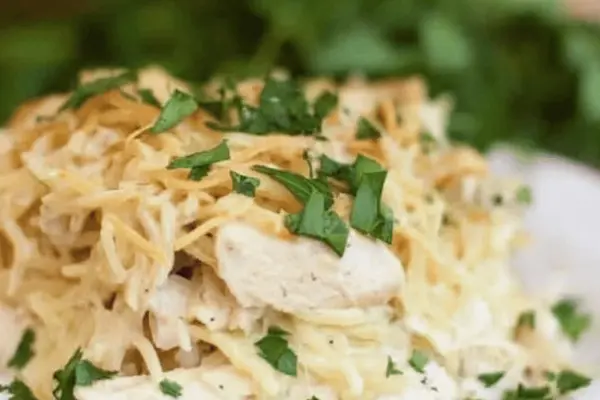
Retro Chicken Tetrazzini Casserole
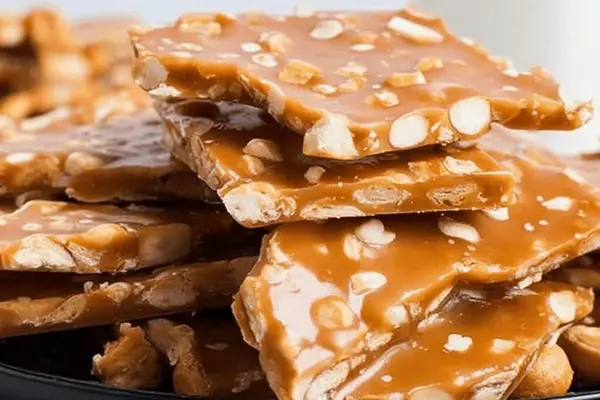
Cashew Brittle Recipe with Baking Soda
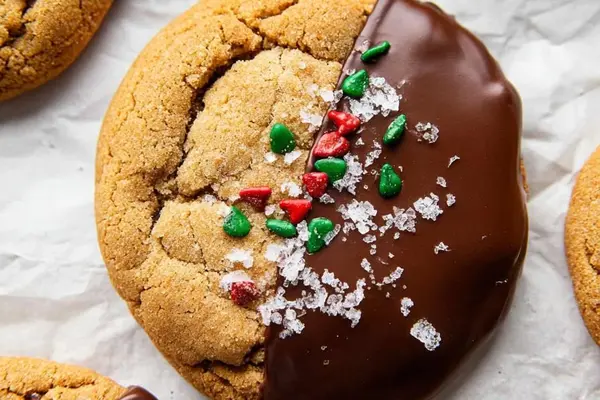
Chewy Peanut Butter Cookies Recipe
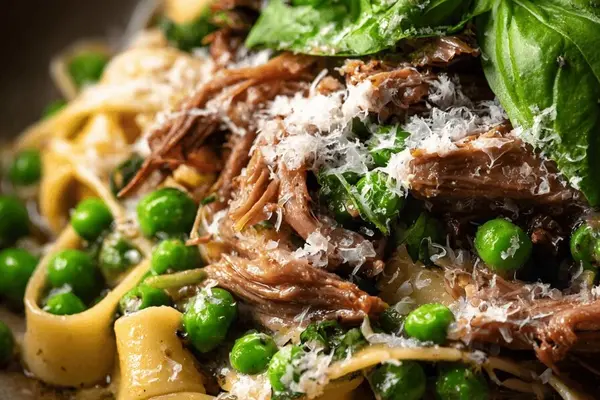
Slow Cooker Pulled Pork with Tagliatelle

Homemade Orange Juice Drink Recipe
Couscous with White Fish, Chickpeas & Pine Nuts
Cinnamon Plum Tart with Custard Cream
Pork Ginger Lemongrass Skewers with Cashew Sauce

Cornbread Panzanella with Maple-Lemon Dressing
Asian Mignonette Sauce with Ginger
Crunchy Cabbage Salad with Yuzu Dressing

Crispy Mexican Tortilla Pie with Chorizo
Radish Salad with Greek Yogurt & Pickled Radishes
Molasses Banana Cookies with Cinnamon
No Bake Donut Cake with Mascarpone Cream
Rum Apple Tart with Salted Caramel