Rustic Cowboy Cookies with Walnuts
By Emma
Certified Culinary Professional
·
Recipe tested & approved
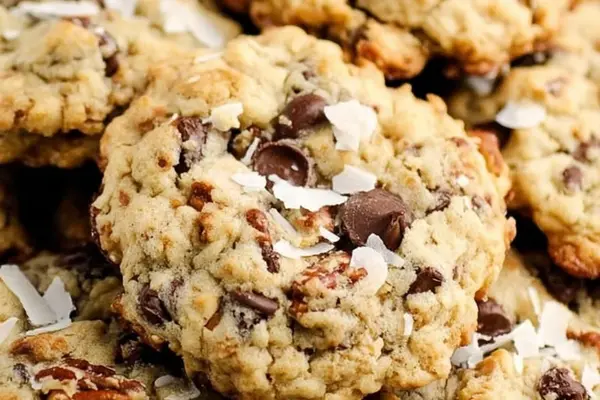
Rustic cowboy cookies loaded with old-fashioned oats, chocolate chips, and toasted walnuts. Features warm cinnamon and nutmeg spices for depth and chew.
Prep:
20 min
Cook:
12 min
Total:
1h 12min
Servings:
20 servings
Scoop the dough with a 2-inch scoop. Press it flat with your fingers. Bake at 345°F for 10 to 13 minutes and something shifts — you go from mixing flour to pulling a warm cookie off the sheet and it’s this perfect thing. That’s rustic cowboy cookies.
Why You’ll Love These Oatmeal Cookies
They’re easy. Like, genuinely. Twenty minutes of work if you’re not rushing, and most of that is just waiting for the mixer to do its thing.
The comfort food part hits different here. Brown sugar, cinnamon, nutmeg, walnuts, chocolate — it’s not trying to be fancy. It’s trying to taste like someone’s grandmother made it in a cabin somewhere.
Chewy centers. Crispy edges. Takes one batch to figure out where your oven sits temperature-wise, then it’s consistent every time after that.
Old-fashioned oats give them this texture that doesn’t crumble when you bite it. They hold together. They stay soft the next day, maybe better than the day you bake them.
No mixer? You can hand-cream the butter and sugar. Takes longer. Works the same.
What You Need for Rustic Cowboy Cookies
Flour. All-purpose. Two and a third cups. Cornstarch — three tablespoons. That starch changes everything. It makes them tender without being cake-like. Baking soda. Salt. Cinnamon and nutmeg. Real nutmeg, not the pre-ground stuff if you can help it.
Brown sugar. Packed. A full cup. Granulated sugar on top of that — half a cup. The brown sugar does the flavor work; the white one’s there for structure.
Butter melted and cooled. A cup of it. Cold butter doesn’t mix right with the sugars. Melted and cooled does the job better than creaming does — less air, denser cookie.
One whole egg and an egg yolk separate. The yolk matters. It binds things without making them cake-y. Vanilla extract. A tablespoon.
Old-fashioned oats. Not quick oats. The real rolled kind. A cup and a quarter. Chocolate chips — semi-sweet work, but dark would too. Toasted walnuts. Chopped. A full cup. Toast them yourself if you’ve got time; it changes the flavor. Coconut. Sweetened, shredded. Half a cup.
How to Make Rustic Cowboy Cookies
Whisk together the dry stuff first — flour, cornstarch, baking soda, salt, cinnamon, nutmeg. Get it all even. Set it aside.
In a stand mixer, combine the brown sugar and granulated sugar. Turn it to low and slowly pour in the melted butter. Watch the texture. It goes sandy. Moist but crumbly. That’s the move. Doesn’t look like it’s mixing right but it is.
Add the whole egg. Let it go until it’s fully incorporated — you’ll see the texture change. Then add the egg yolk. Then vanilla. One at a time. The mixture should look emulsified. Smooth. Almost creamy.
This part matters: add the flour mixture in three separate doses. Pause between each one. Scrape the sides with a spatula. Don’t be lazy about it. You’re preventing dry streaks in your dough.
The dough feels sticky now. Sticky but firm. Fold in the oats, chocolate chips, walnuts, and coconut on low speed. Just until everything’s spread evenly through the dough. Overmix at this point and the cookies toughen. Not ideal.
Cover the bowl. Plastic wrap works. Refrigerate 40 to 50 minutes. The dough firms up. Becomes actually easy to scoop. The flavors settle deeper into each other.
How to Get Rustic Cowboy Cookies Crispy Edges and Chewy Centers
Heat the oven to 345°F. Line a baking sheet with parchment paper or a silicone mat.
Scoop the dough using a 2-inch cookie scoop. Space six to eight balls on the sheet. Press the tops gently with your fingertips to flatten them slightly — not much, just enough. This helps them bake evenly. Edges get crispy. Middles stay soft.
Bake 10 to 13 minutes. The exact time depends on your oven. Watch the edges. They should go golden. The centers should look just set but still soft. If the edges brown too fast before the centers cook, lower the temperature next batch by 10 or 15 degrees.
Pull them out. Let them rest on the sheet for 3 to 5 minutes. They’re fragile right now. Transfer to a wire rack after that. If you leave them on the hot sheet too long, the bottoms keep cooking and the centers get overly fudgy. Sometimes that’s fine. Sometimes you want actual cookie texture.
Repeat with the remaining dough. Keep the leftover balls in the fridge.
Cowboy Cookies Tips and Common Mistakes
The cornstarch is not optional. People skip it thinking flour is flour. Cornstarch changes the texture completely. They get tender instead of tough. Don’t skip it.
Brown butter works too. Melted and browned and cooled. But regular melted butter is fine. It’s just easier and you’re not chasing extra flavor that might get lost anyway.
The 345°F temperature is lower than most cookie recipes call for. It matters. Higher heat and the edges burn before the centers cook. This temperature gives you time.
They keep for four or five days in an airtight container. They also freeze. Scoop the dough, freeze it on a sheet, then bag it. Bake straight from frozen — just add a minute or two to the time.
Walnuts can go to almonds. Pecans work too. Just make sure they’re toasted. Raw nuts taste like nothing. Toasting is five minutes in a 350°F oven. Changes everything.
The coconut is easy to leave out. The cookies work without it. They’re less interesting but they work. If you add shredded coconut, make sure it’s sweetened. Unsweetened is bitter and rough.
Cold dough scoops cleaner than warm dough. If the dough gets warm while you’re working, stick it back in the fridge for five minutes. Makes the whole process easier.
Rustic Cowboy Cookies with Walnuts
Prep:
20 min
Cook:
12 min
Total:
1h 12min
Servings:
20 servings
Ingredients
- 2 1/3 cups all-purpose flour
- 3 tablespoons cornstarch
- 1 teaspoon baking soda
- 1 teaspoon salt
- 1 teaspoon cinnamon
- 1/4 teaspoon ground nutmeg
- 1 cup brown sugar, packed
- 1/2 cup granulated sugar
- 1 cup unsalted butter, melted and cooled
- 1 whole large egg
- 1 large egg yolk
- 1 tablespoon vanilla extract
- 1 1/4 cups old-fashioned rolled oats
- 1 cup semi-sweet chocolate chips
- 1 cup toasted chopped walnuts
- 1/2 cup sweetened shredded coconut
Method
- 1 Whisk together flour, cornstarch, baking soda, salt, cinnamon, and nutmeg in medium bowl. Set aside.
- 2 In stand mixer bowl, combine brown sugar and granulated sugar.
- 3 Set mixer on low; slowly pour in melted, cooled butter. Watch texture turn sandy, moist but crumbly.
- 4 Once incorporated, add whole egg. Let it mix fully before adding egg yolk and vanilla, one after another. Crucial to emulsify well here.
- 5 Add flour mix in three distinct doses. Pause mixer, scrape sides with spatula each time before next addition.
- 6 Dough feels sticky but firm now. Fold in oats, chocolate chips, walnuts, coconut on low just till spread evenly. Overmix and cookies toughen.
- 7 Cover bowl with plastic wrap; refrigerate 40 to 50 minutes. Dough firms, easy to portion, flavors meld more deeply.
- 8 Heat oven to 345°F (175°C). Line baking sheet with parchment paper or silicone mat.
- 9 Scoop dough with 2-inch cookie scoop; space 6-8 balls on sheet. Press tops gently with fingertips to flatten slightly. Helps bake evenly, edges crisp, middles soft.
- 10 Bake 10 to 13 minutes. Watch for golden edges, centers just set but still soft. If edges brown too fast, reduce heat next batch.
- 11 Let rest 3 to 5 minutes on sheet; cookies fragile now. Transfer to wire rack to cool completely or fudge-like centers persist.
- 12 Repeat with remaining dough, keeping leftover balls refrigerated.
Nutritional information
Calories
275
Protein
3g
Carbs
28g
Fat
16g
Frequently Asked Questions About Oatmeal Cookies
Can I use quick oats instead of old-fashioned? Not really. Quick oats break down during mixing and baking. You get a texture more like cake. Old-fashioned rolled oats are worth it.
How long does the dough need to chill? 40 to 50 minutes minimum. You could go longer — even overnight — and they’d be fine. The dough gets easier to handle the longer it sits, but there’s a point where the flavors stop changing.
What if I don’t have a stand mixer? Hand-cream the butter and sugar together. Takes maybe five minutes of actual work. The rest of the process stays the same. Might be slightly more air in the dough, which actually makes them lighter.
Can I substitute the walnuts? Yeah. Pecans, almonds, even macadamia nuts. Toast them. Raw nuts don’t work. The flavor difference is huge.
Why did my cookies spread too much? The dough was too warm or the oven wasn’t hot enough. Cool the dough next time before scooping, or bump the temperature up by 10 degrees. Shouldn’t be a problem after one batch.
Do these freeze well? Dough freezes better than baked cookies. Scoop and freeze on a sheet, then bag them. Bake from frozen — adds a minute or two. The baked cookies freeze okay but they dry out faster.
You’ll Love These Too
Explore all →
Curried Ginger Vinaigrette Recipe
No Bake Blackberry Cheesecake with Greek Yogurt
Braised Veal Marsala with Potatoes

Vanilla and Chocolate Mousse with Whipped Cream
Hamburger Steaks with Onion Gravy
Hearty Chicken Bog with Smoked Sausage

Breakfast Burrito with Eggs, Mushrooms & Spinach
Vegan Pesto with Pumpkin Seeds & Tomatoes

Corn Cream & Caramel Cornflakes Dessert

Crunchy Apple Fritters with Cinnamon
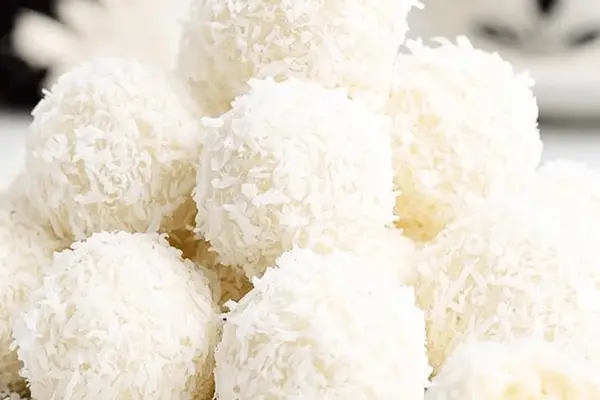
Coconut Snowballs with Almond Bark

Buttermilk Biscuits Recipe with Flaky Layers
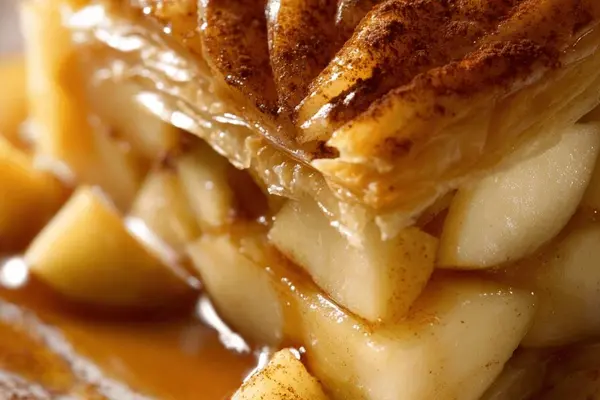
Armagnac Apple Croustade with Filo Pastry
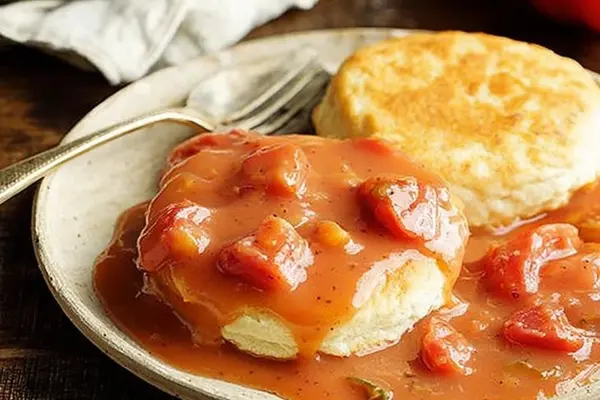
Rustic Tomato Gravy with Bacon Grease
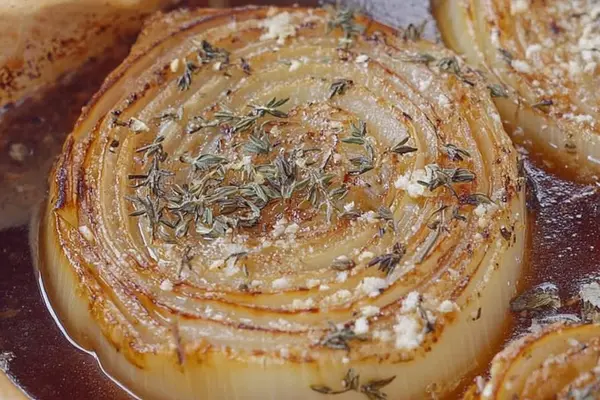
Rustic French Baked Onions with Gruyère

Easter Dunkaroo Remix: No-Bake Yogurt Dip

Chicken Cheese Ball with Pecans & Ranch
Peach Cobbler Muffins with Crumb Topping

Roasted Carrots with Cinnamon & Brown Sugar