Beef Stew Recipe with Red Wine & Root Vegetables
By Emma
Certified Culinary Professional
·
Recipe tested & approved
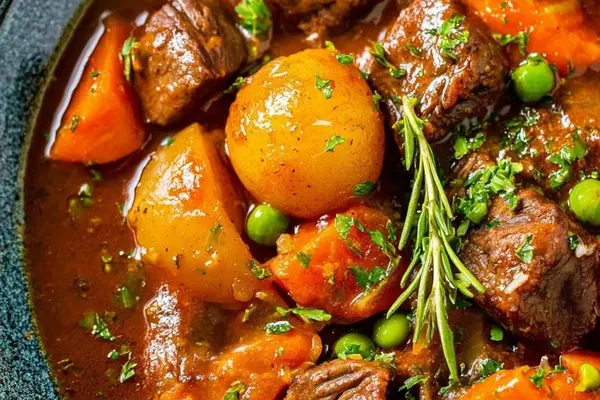
Classic beef stew with tender beef chunks, carrots, potatoes, and aromatics braised in red wine and beef broth. Dijon mustard adds brightness to this rich, comforting Dutch oven meal.
Prep:
35 min
Cook:
2h 15min
Total:
2h 50min
Servings:
8 servings
Brown the meat first. That’s where the whole thing starts.
Two hours and fifty minutes total — most of it just sitting there, the pot doing the work while you do something else. One pot. One lid. Beef that goes from tough to actual softness, carrots that taste like something, potatoes that soak up all the good stuff. This is what comfort food actually means.
Why You’ll Love This Beef Stew
Tastes like it took all day. Doesn’t. One pot means one cleanup. Not nothing, but way faster than it should be for something this deep. Works cold the next day. Maybe better then — flavors settle overnight. Feeds a crowd or sits in your fridge for four days and gets better every time you heat it up. The red wine makes it taste like you know what you’re doing. You do now.
What You Need for Dutch Oven Beef Stew
Two pounds beef stew meat — patted dry matters. Moisture means steam, steam means no crust. Season it first with salt and pepper.
Oil. Vegetable or avocado. Just enough to get the pan hot without smoking.
Butter. Two tablespoons. Goes in after the beef comes out, melts fast, carries the garlic and onion.
One big onion, chopped. Three garlic cloves, minced. Three carrots peeled and sliced. Two celery stalks, chopped. These are your base — they break down into the sauce and make it taste like home cooking.
Tomato paste. The concentrated kind, not the canned stuff in a jar. Two tablespoons. This gets fried off in the pan until it darkens. That step matters.
Red wine. One cup. Cabernet or Merlot. Cheap is fine. The heat burns off the cheap part anyway.
All-purpose flour. Three tablespoons. Whisked into cold broth until it’s smooth — lumps ruin everything.
Beef broth. Four cups total. Divided because you whisk some with flour, pour the rest in at the end.
Worcestershire sauce. One tablespoon.
Fresh thyme and rosemary. Three sprigs thyme, two rosemary. Bay leaves, two of them. These go in whole and come out before you serve it.
Yukon Gold potatoes. One pound. Cut into one-inch cubes. Not too big or they stay hard. Not too small or they dissolve.
Frozen peas. One cup. These go in at the absolute last second.
Dijon mustard. One teaspoon. Whole grain works too if you want texture.
Balsamic vinegar. One tablespoon. Finisher. Changes the whole thing.
Kosher salt and black pepper. Not the pre-ground stuff if you can help it.
Chives for the top.
How to Make One Pot Beef Stew
Get the Dutch oven hot over medium-high. Oil goes in, let it shimmer — not smoke. That’s the tell. If it’s smoking, it’s too hot.
Beef comes next. Make sure it’s patted dry. Moisture is the enemy here. Season it. Drop the pieces in — don’t crowd them. They need space or they steam instead of brown. Work in batches if you have to. Three to four minutes per side until they’re deep golden, almost dark. That crust is where the flavor lives. Set them aside on a plate.
Turn the heat down to medium. Butter goes in now, melts almost immediately. Add the onion and garlic. Stir this around until the onion goes translucent and soft — maybe three to five minutes. It should give when you push it with a spoon but not brown. Sprinkle in salt here. It pulls moisture out of the onion and makes the aroma actually bloom. Sharp garlic mixing with sweet onion. You’ll know when it smells right.
Carrots and celery go in next. Stir them around every minute or so until they start to soften but still hold their shape. About five minutes. This layering matters — skip it and the stew tastes flat.
Scoot everything to the side or just stir the tomato paste in directly. Let it fry. This is weird but important. The paste needs to sit in the hot pan and darken, maybe two minutes. It goes from bright red to almost mahogany. The smell shifts too — less sharp, more caramelized. This deepens everything.
Pour the wine in. Scrape the bottom of the pot with a wooden spoon, really get all that stuck stuff — that’s the flavor. Simmer gently for five or six minutes until it reduces by about a third. Should smell fruity and soft. If it smells burned, the heat was too high. You’ll know next time.
In a separate cup — this matters — whisk the flour into one cup of cold beef broth until it’s completely smooth. No lumps at all. Pour it slowly into the pot while you whisk constantly. This thickens it as it cooks without clumps forming.
The beef goes back in now, plus whatever juice pooled on the plate. Add the rest of the broth, the Worcestershire, the thyme sprigs, rosemary, bay leaves. Stir it. Bring it to a boil, then immediately lower it to a simmer. Cover it.
Leave it alone for one hour and thirty-five minutes to two hours. The beef should feel like softened leather — it breaks apart easily when you push it. That’s when you know the connective tissue is broken down.
Slow Cooked Beef Stew with Root Vegetables
Carefully take the lid off. Steam burns are real. Add the potatoes, press them down so they’re under the liquid. Cover again. Twenty to twenty-five minutes until a fork slides through them easily. Potatoes add body and soak up everything around them. Boil them hard and they fall apart. That’s not what you want.
Last minute — literally the last minute — dump in the peas. Stir them through. Heat them for maybe thirty seconds. Frozen peas stay bright and snappy if you don’t overthink it.
Off the heat. Stir in the Dijon mustard and balsamic vinegar. This is the thing people skip and shouldn’t. The mustard adds this subtle heat that rounds everything. The vinegar lifts it — all that richness gets bright again. Taste it. Fix the salt and pepper now.
Pour it into a bowl. Scatter chives on top. That sharp onion pop against all the deep, soft flavors. That’s it.
Beef Stew Recipe with Red Wine & Root Vegetables
Prep:
35 min
Cook:
2h 15min
Total:
2h 50min
Servings:
8 servings
Ingredients
- 2 tablespoons vegetable oil or avocado oil
- 2 pounds beef stew meat, patted dry and seasoned with salt and pepper
- 2 tablespoons unsalted butter
- 1 large onion, chopped
- 3 cloves garlic, minced
- 3 large carrots, peeled and sliced
- 2 celery stalks, chopped
- 2 tablespoons tomato paste, preferably double concentrated
- 1 cup dry red wine, like Cabernet or Merlot
- 3 tablespoons all-purpose flour
- 4 cups beef broth, divided
- 1 tablespoon Worcestershire sauce
- 3 sprigs fresh thyme
- 2 sprigs fresh rosemary
- 2 bay leaves
- 1 pound Yukon Gold potatoes, peeled and cut into 1-inch cubes
- 1 cup frozen peas
- 1 teaspoon Dijon mustard (substitute whole grain mustard for texture twist)
- 1 tablespoon balsamic vinegar
- Fresh chives, chopped, to garnish
- Kosher salt and freshly ground black pepper
Method
- 1 Preheat Dutch oven over medium-high. Heat oil until just shimmering; not smoking. Patting beef dry matters for good crust. Season well with salt and pepper. Brown beef pieces in batches to avoid overcrowding — achieves Maillard reaction, savory crust. About 3-4 minutes per side, deep golden. Remove and set aside on plate.
- 2 Lower heat to medium. Toss in butter; melts quickly. Add onion and garlic. Stir, soften until translucent and glossy, about 3-5 minutes – onion should yield easily to wooden spoon but not brown. Sprinkle in half a teaspoon kosher salt to pull moisture out. Aroma should bloom here, sharp garlic mingling with sweet onion.
- 3 Add carrots and celery. Sauté, stirring occasionally until they soften slightly but hold shape, about 5 minutes. The veggies start layering flavor base; skip wilting those or stew can taste flat.
- 4 Scoot those veggies aside or stir in tomato paste directly. Let the paste fry off until it darkens and clings – maybe 2 minutes. This ‘browning’ of tomato paste deepens the sauce color and umami flavor. Smell should shift from sharp to almost caramelized tomato.
- 5 Pour in wine to deglaze. Scrape pot bottom with wooden spoon, lifting all fond (that’s flavor packed browned bits). Simmer gently for 5-6 minutes until reduced by about a third. Should smell fruity with wine’s acidity softened; heat too high and it’ll burn bitter.
- 6 In separate cup, whisk flour into 1 cup cold beef broth until completely smooth — lump-free slurry crucial. Pour gradually into pot, whisking constantly to keep lumps at bay. This step thickens stew while cooking; patience avoids clumps.
- 7 Return browned beef and any resting juices to pot. Add remaining broth, Worcestershire, fresh thyme, rosemary, bay leaves. Stir, bring to vigorous boil then immediately lower to gentle simmer. Cover tightly with lid. Cook slowly for at least 1 hour 35 minutes to 2 hours – feel beef; should give way like softened leather, breaking down connective tissue to tenderness.
- 8 Remove lid carefully to avoid steam burns. Add potatoes, nestling beneath surface. Cover again; simmer until potatoes easily pierced with fork – about 20-25 minutes. Potatoes add body and soak flavors, avoid boiling hard or falling apart.
- 9 Drop frozen peas in last minute only, stirring to heat through without mushiness. Remove bay leaves and toss.
- 10 Off heat, blend in Dijon mustard and balsamic vinegar. These finishers balance richness and boost brightness – mustard adds subtle heat, vinegar lifts and rounds flavors. Taste now; adjust salt and pepper as needed.
- 11 Serve with chopped chives scattered on top. The fresh oniony pop contrasts the stew’s deep notes.
Nutritional information
Calories
370
Protein
35g
Carbs
18g
Fat
16g
Frequently Asked Questions About Easy Beef Stew Dinner
Can I use a different cut of beef? Stew meat is already chopped. Chuck works fine if you buy it and cut it yourself — actually better sometimes because you know where it came from. Avoid anything lean. Fat and connective tissue are what make it tender after two hours.
What if I don’t have red wine? Use beef broth instead. Tastes different but works. Less depth. Not worth the trip to the store if you don’t have it.
How do I know when the beef is actually done? Push a piece with a spoon. If it falls apart, it’s done. If it still feels like meat, give it more time. Texture tells you everything.
Can I make this in a slow cooker? Yeah. Brown the beef on the stove first — don’t skip that. Then everything else goes in the slow cooker on low for six to eight hours. The slow cooker gets it there eventually but the Dutch oven version tastes richer. Not sure why. The high initial heat probably matters.
Do I have to use fresh herbs? Fresh is better. Dried thyme and rosemary work if that’s what you have — use maybe a third of the amount. They’re more concentrated. Still won’t be quite the same.
What’s the deal with the tomato paste frying step? It darkens the sauce and makes the tomato taste cooked instead of raw. Skip it and the stew tastes thin and a little bright. Fry it and everything deepens. Two minutes changes everything.
Can I make this ahead? Make it completely, cool it down, freeze it. Thaw it in the fridge overnight. Reheat on low. Tastes better the next day anyway.
Why balsamic vinegar at the end? Cuts through the richness. One tablespoon is enough. More than that and it gets weird. The mustard and vinegar together balance everything that went before.
You’ll Love These Too
Explore all →
Roast Turkey with Spiced Herb Butter
Herb Lamb Lollipops with Romesco Sauce

Peanut Butter Chocolate Sundae No-Churn
Crustless Spinach Quiche with Roasted Tomatoes
Clams White Wine with Pancetta Bread Crumble

Cream Cheese Carrot Dip with Cinnamon
Butternut Squash Pasta with Sage Cream

Cheesecake Chocolate Chip Cookies

Savory Pastry Dough with Pork Fat
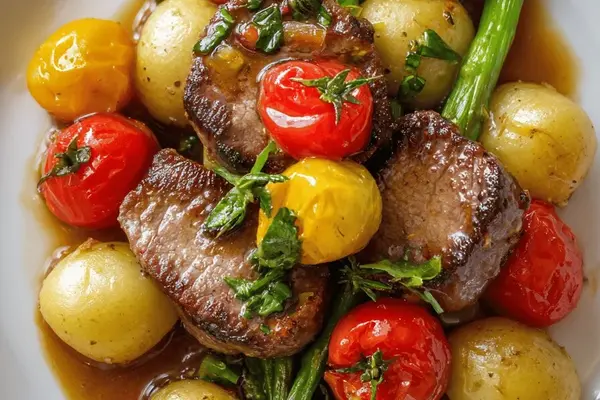
Basil Mozzarella Tomato with Veal

Pickled Eggs with Chipotle & Horseradish

Cast Iron Patty Melts with Caramelized Onions
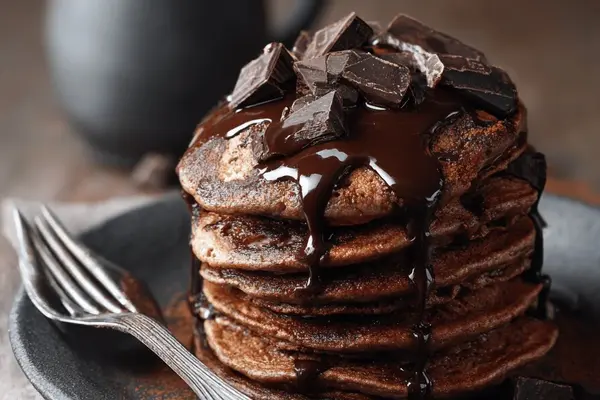
Fluffy Chocolate Pancakes with Egg Whites
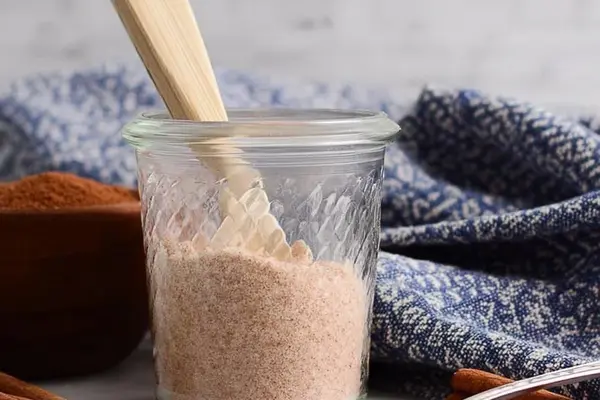
Cinnamon Sugar Mix with Brown Sugar
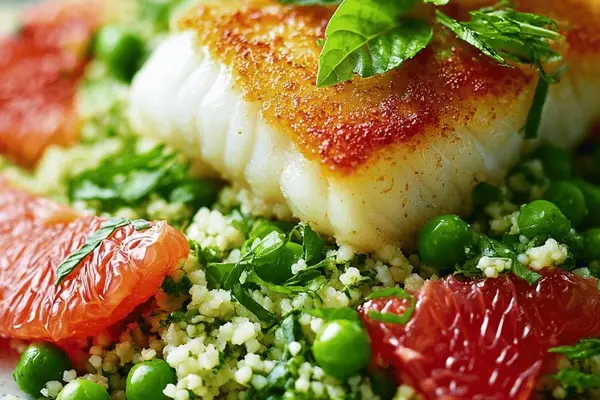
Seared Cod with Pesto Couscous & Grapefruit

Ginger Tea For Sore Throat Relief
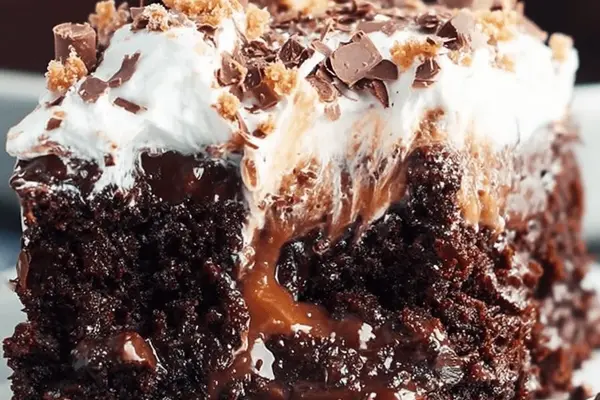
Chocolate Cake with Caramel and Heath Bars
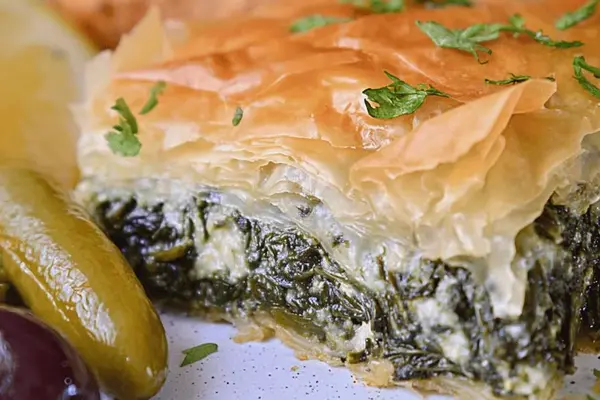
Spinach Pie with Ricotta and Feta
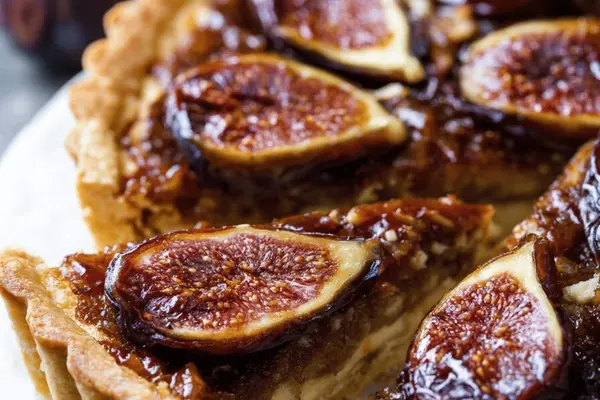
Date Tart Remix with Almond Extract