
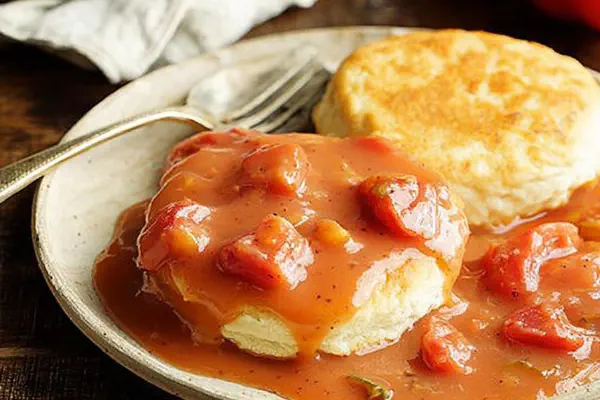
Rustic Tomato Gravy
E
By Emma
Certified Culinary Professional
•
Recipe tested & approved
Tomato gravy made by browning flour in bacon fat, then whisking in broth and canned tomatoes. Thickens to a rich, chunky sauce perfect over biscuits or grits. Slightly adjusted flour ratio and chicken broth volume for texture. Uses diced fire-roasted tomatoes instead of regular for smoky depth. Cook time adjusted to focus on aroma and visual cues rather than strict minutes. Salt and pepper added at the end, allowing flavors to settle. Serves eight with about 70 calories per portion. Classic Southern style but with a small twist that I’ve grown to prefer.
Prep:
6 min
Cook:
16 min
Total:
22 min
Servings:
8 servings
#Southern cooking
#gravy
#tomato sauce
#bacon fat
#fire-roasted tomatoes
#comfort food
Before You Start
Starts with fat sizzling. Flour meets hot pork grease, whispers of nuttiness fill the kitchen. Butter can wreck it; use bacon grease or rendered pork fat for depth—learned that after many failures. Whisking like mad to avoid lumps, watching that golden tan develops without burning; it’s all about patience. Pouring warm, not cold, broth keeps sauce velvety. Tomatoes come in undrained, chunky, juicing the gravy with zip and texture. Salt and pepper last—too early and it tastes flat. That thickened cling to your spoon? Bingo. Ladle over fresh biscuits or creamy grits. Fire-roasted tomatoes instead of plain lend a smoky kick I keep coming back for. Simple tweaks changed this from forgettable to crave-worthy. One pot, few fusses, big returns. You’ll see it in the smell, hear it bubbled, taste in the heat.
Ingredients
- 3 tablespoons bacon grease or rendered pork fat, warmed
- 4 tablespoons all-purpose flour
- 2 ½ cups low sodium chicken broth, warm
- 1 can (14.5 oz) fire-roasted diced tomatoes, undrained
- Salt, to taste
- Freshly ground black pepper, to taste
In The Same Category · Sauces and Condiments
Explore all →
Tropical Mignonette Twist
Spiced bacon-herb butter
Smoky Bacon Onion Relish
Tangy Cran Blueberry BBQ

Clarified Butter Remix
Watercress Basil Vinaigrette
Mixed Vinaigrette Varieties

Balsamic Herb Vinaigrette
Sticky Ham Glaze
Herb Vinaigrette Remix

Maple Cream Sauce Twist
Smoky Lime Chipotle Remoulade

Molasses Gingerbread Syrup

Coconut Curry Sauce Remix
Chicken Drippings Gravy
Spicy Vinegar-Infused Honey
Parsley Vierge Sauce Remix
Quick Cherry Sauce Twist
Twisted Chermoula Sauce
Red Pepper Tomato Sauce
About the ingredients
Bacon grease or rendered pork fat essential. Butter or vegetable oil won’t give that familiar Southern depth — trust me, I tried. If you lack pork fat, use neutral oil but expect milder flavor. Flour quantity altered slightly—too little means thin gravy, too much leads to pasty lumps. Whisk constantly at the start to prevent burnt flour bits sinking into the sauce. Warm chicken broth is key — cold broth shocks the roux, causing clumps. Warm it in microwave or on stove. Fire-roasted diced tomatoes chosen instead of plain canned for smoky edge, but regular diced tomatoes or stewed tomatoes work too if that’s what’s on hand. Always add tomatoes with juice; wasting it loses acidity and body. Salt and pepper to taste — add gradually, taste often. Freshly ground pepper makes a world of difference. If sauce gets too thick, thin with splash of broth or water while stirring. For thicker gravy, simmer a bit longer.
Method
- Warm skillet over medium heat. Pour in bacon grease, let it shimmer but don’t burn.
- Whisk flour into fat continuously. Watch carefully — flour should turn a light golden brown, smell nutty but not burnt. That’s your cue to move on; don’t rush.
- Slowly add warm chicken broth in a steady stream, whisking vigorously to avoid lumps. Sauce should start gaining body—thick but pourable.
- Spoon in the undrained fire-roasted tomatoes. Tomatoes introduce moisture and texture; don’t drain or you lose the juice.
- Stir often now, scraping bits off the skillet for flavor. The sauce thickens further; you’ll see it coat the back of your spoon.
- Season with salt and freshly cracked black pepper at this stage—adjust to your liking.
- Cook a few minutes longer, watching for a gentle bubble, thickening that tells you it’s done. Ready to ladle over biscuits, grits, or fried chicken.
Cooking tips
The secret here is watching and feeling. Fat hot enough when it shimmers but before smoke. Flour whisked in evenly, color shifting to a light golden with nutty scent — don’t let it go dark brown or the gravy turns bitter. Whisk in warm broth slowly — do not dump all at once or you’ll face stubborn lumps. If lumps form, keep whisking, add broth bit by bit. Stir frequently once tomatoes go in. Notice sauce starts to cling to your spoon, thicker than runny soup but not gluey. Gently bubbling means ready. Too vigorous heat risks scorching your bottom — medium heat’s your friend. Don’t underestimate salt and pepper finishing — layer the seasoning after cooking for better flavor balance. If pressed for time, watching visual and aroma cues is better than strict minutes. Serve immediately or reheat gently — sauce tightens when cold but loosens with gentle heat. Avoid boiling reheated gravy harshly, or it breaks. Ladle over freshly baked biscuits or warm creamy grits for that meal. Patience and attention make all difference.
Chef's notes
- 💡 Fat has to shimmer, not smoke. Watch carefully. Bacon grease gives depth plain oil lacks. Butter wrecks the flavor layer. Flour whisks in evenly and turns pale gold. Dark brown means bitter notes creeping in, toss and restart. Whisk like mad at start, lumps kill. Slowly add broth warm, not cold, or clumpy mess. Warm broth keeps sauce smooth, no shocks to roux.
- 💡 Tomatoes go in undrained. Juice carries acidity and body, don’t waste it or sauce falls flat. Stir often, scrape skillet bits constantly. Those little bits deepen flavor, add texture you don’t want to lose. Sauce should cling to spoon, thick but pourable, not gluey or runny. Adjust thickness by simmer time or splash broth in if too thick.
- 💡 Season only at the end. Salt too soon flattens flavor, pepper stale in long cooks. Freshly ground black pepper hits different here. Taste often, add gradually. If sauce feels too thick, add warm broth or water slowly while stirring. Patience matters more than rigid timing. Smell and color tell if roux and sauce are ready more than the clock.
- 💡 Cook over medium, avoid high heat which burns bottom and messes flavor. Gentle bubble zone is target. Listen to gentle bubbling, no roaring boil. If sauce scorches, bitterness takes over, restart or try to salvage by adding broth and whisking. You can reheat gently later but never boil hot gravy hard or it’ll separate.
- 💡 Use fire-roasted tomatoes for smoky depth, switches simple canned tomato flavor completely. If unavailable, regular diced tomatoes or stewed tomatoes work but lose that edge. Bacon grease must be pork rendered fat or bacon drippings; neutral oil tones down punch. No butter. Flour tweaks matter: less flour means thin sauce, too much brings pasty grit. Balance is key.
Common questions
Can I use butter instead of bacon grease?
Butter throws off flavor depth, risk burning easier. Bacon grease provides nutty aroma and fat body you don't get from butter. Neutral oil works but milder. Grease must be pork for that Southern character.
How do I fix lumps forming?
Whisk vigorously while adding broth slowly. Warm broth helps avoid lumps. If lumps form, keep whisking, add broth in small amounts. Start over if it’s too thick with dry bits. Roux temperature crucial—too hot burns flour, causing grit.
Why add tomatoes undrained?
Tomato juice brings acidity and moisture to gravy, thickens naturally. Draining makes gravy bland and thinner. Juice carries much flavor and mouthfeel. Don’t pour off, include all. Keeps sauce chunky and saucy.
How to store leftover gravy?
Refrigerate in airtight container up to 3 days. Reheat gently over low heat, stirring often. Avoid boiling—sauce breaks and wrinkles. Can freeze but texture shifts slightly. Add splash broth on reheating if it thickens too much.
You’ll Love These Too
Explore all →
Better Than Anything Chocolate Cake
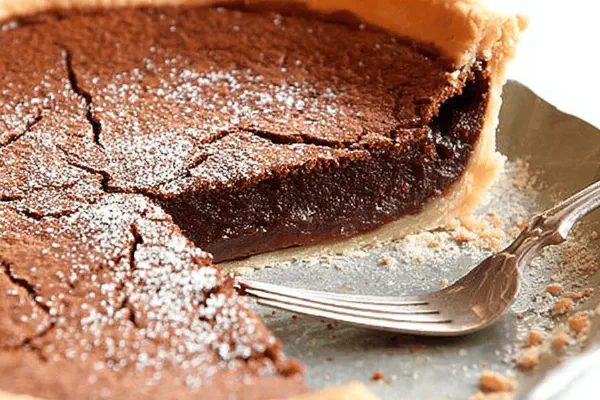
Rustic Chocolate Chess Pie

Mini Goat Cheese Quiche

Herbed Butter Board

Zesty Citrus Vinaigrette Remix

Sunshine Orange Cake
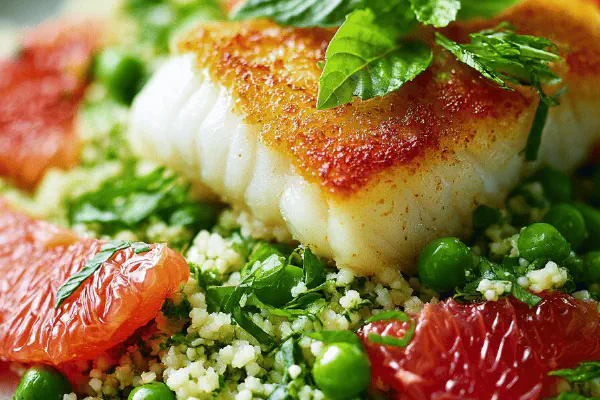
Seared Cod Couscous Grapefruit
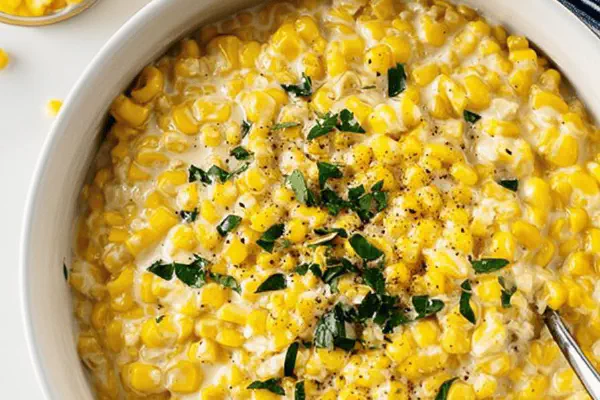
Creamed Corn Remix

Cheesy Queso Sauce
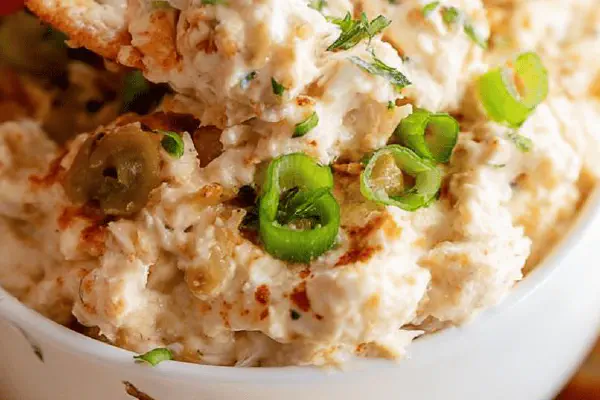
Hot Crab Dip Twist

Coconut Cream Pie Bites
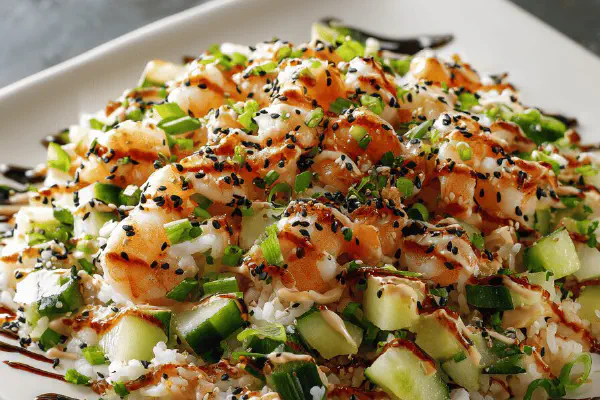
Nordic Shrimp Tartare Salad
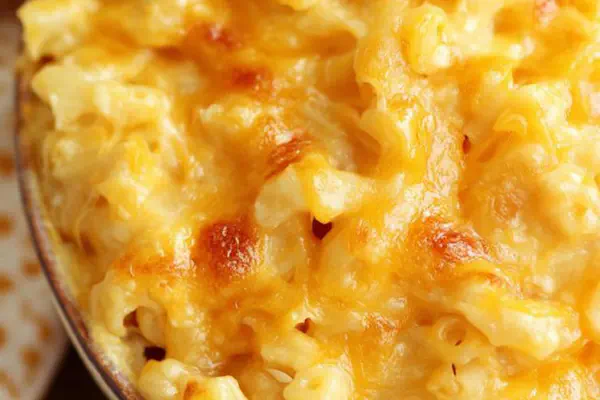
Creamy Four-Ingredient Mac & Cheese
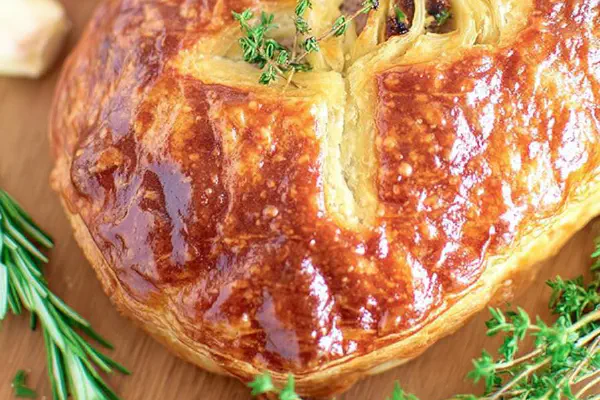
Easy Beef Wellington

Braised Pork Corn Quesadillas
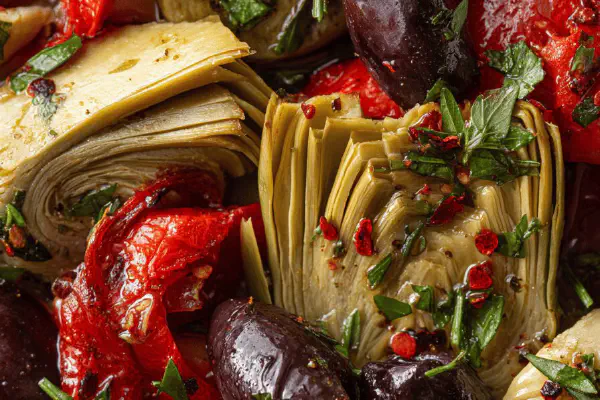
Spicy Tangy Antipasto

Smoky Kraut Soup
Smashed Beef Patties with Mushrooms

Lenten Brioche with Apricot Raisins

Baked Spiced Pumpkin Donuts