Safe Edible Cookie Dough
E
By Emma
Certified Culinary Professional
•
Recipe tested & approved
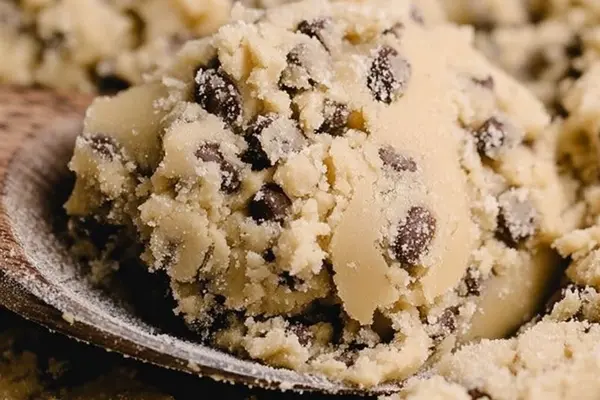
A treat where raw flour turns safer by heat-treating in the oven. Butter creamed with sugars and vanilla, cream added for moisture, slowly folding in flour with salt. Chocolate chips mixed last, then chilled for proper texture. Visual cues and tactile feel guide each stage rather than strict timing. Substituting coconut oil for butter works but alters richness. Watch flour closely while warming to avoid bitterness. Chilling solidifies fats, preventing graininess. This balanced mix keeps it edible without eggs or baking. The finished dough is creamy with bursts of melted chocolate goodness, nutritious values moderate for a sweet snack.
Prep:
15 min
Cook:
6 min
Total:
45 min
Servings:
16 servings
#no bake
#safe dough
#cookie dough
#heat treated flour
#chocolate chips
#edible dough
Before You Start
Heat-treating flour is key. Raw flour hides dangers like bacteria, so that step isn’t negotiable. Watching the oven, flour shifts from powder to faintly toasted crumb. The aroma changes subtly; that’s your nudge. Sugar creamed into butter is the soul here, fluffy clouds of sweet fat unravel. Cream and vanilla pull the mix closer to reality. Mixing flour in slow, jazzing it to no streaks or lumps, tactile signals judge progress better than staring at a clock. Chocolate chips vary wildly; I learned to fold in with a wooden spoon to keep them whole and evenly spread. Chilling is more than just waiting, it’s a texture tune-up. The dough firms, flavors marry, sweetness balances. No eggs, no risk. Rebellious, safe, indulgent.
Ingredients
- 1 ½ cups all-purpose flour
- ¾ cup unsalted butter softened
- ⅔ cup light brown sugar packed
- ⅓ cup granulated sugar
- 1 teaspoon vanilla extract
- 2 tablespoons heavy cream
- ¼ teaspoon fine sea salt
- 1 cup semi-sweet chocolate chips
In The Same Category · Desserts
Explore all →
Lemon Raspberry Bars

Peach-Infused Cupcakes
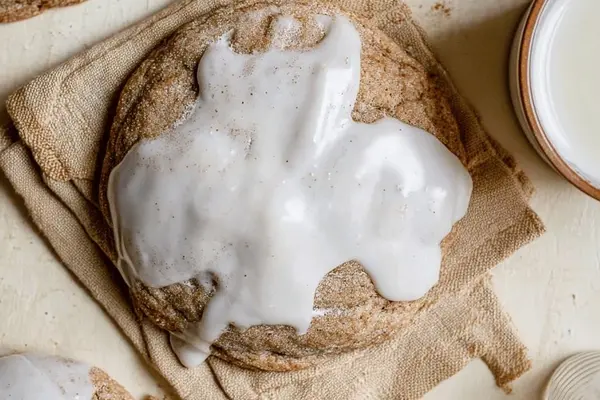
Spiced Chai Cookies Remix
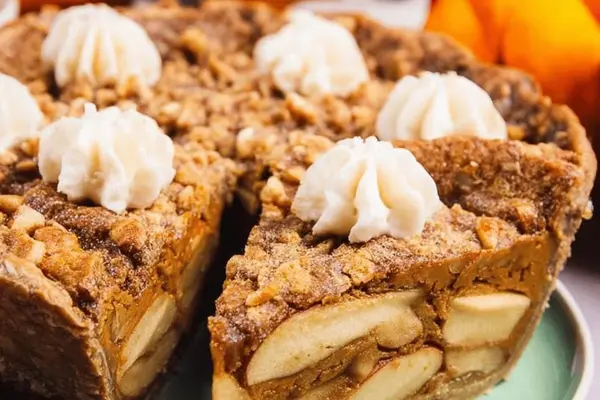
Pumpkin Apple Pecan Pie
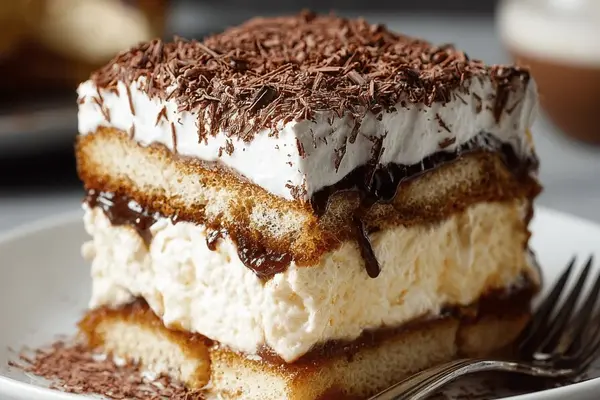
Twisted Tiramisu Revival
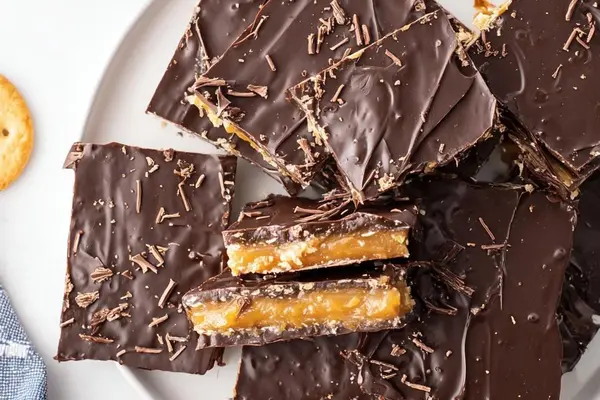
Ritz Toffee Twist
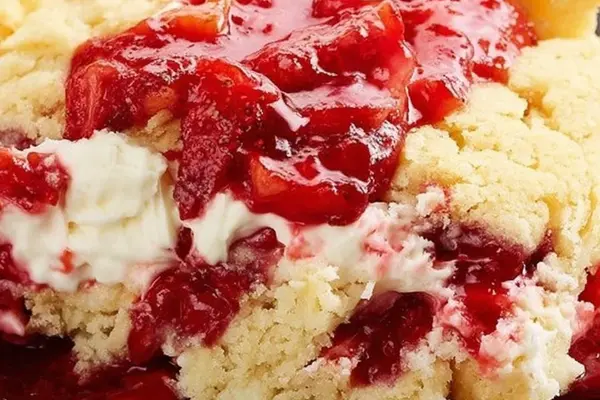
Strawberry Cheesecake Dump Cake
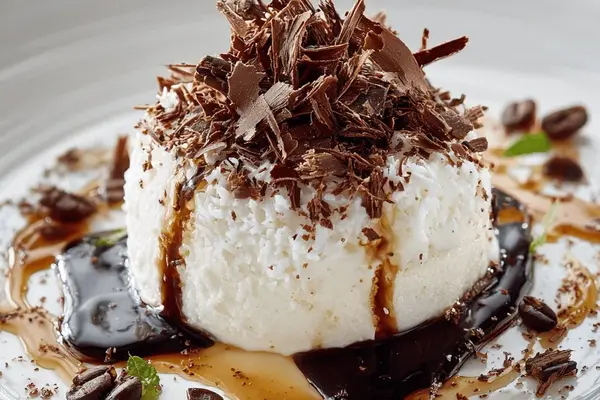
Vanilla Rum Affogato

Lazy Lush Truffles
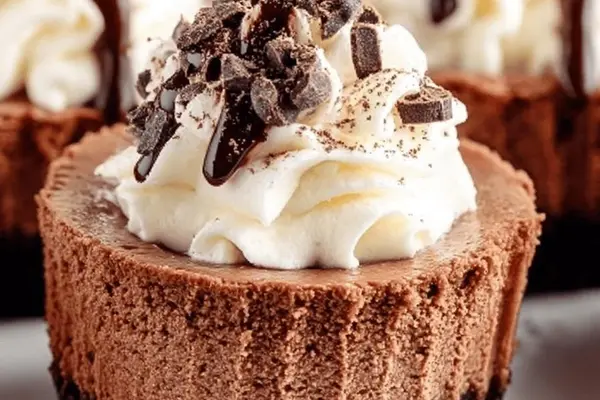
Kahlua Chocolate Cheesecakes
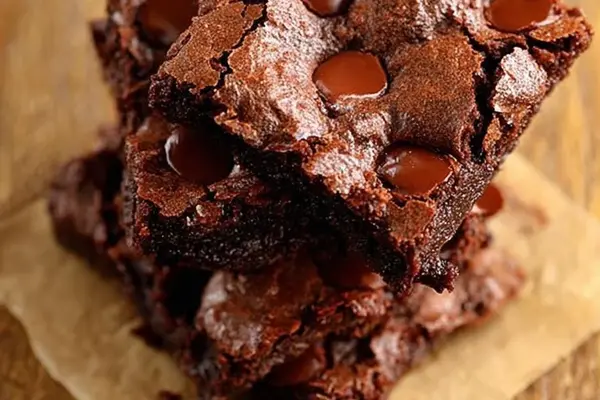
Twisted Cake Mix Brownies
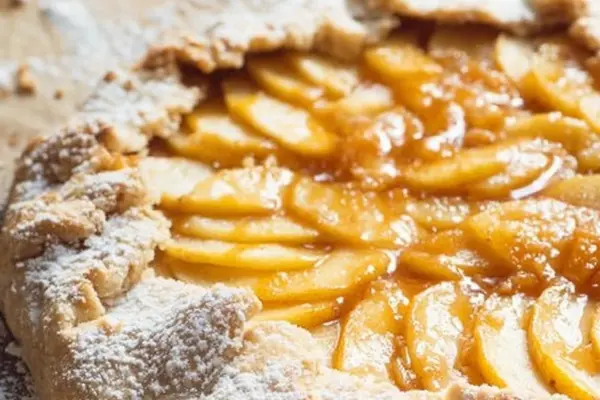
Rustic Apple Galette
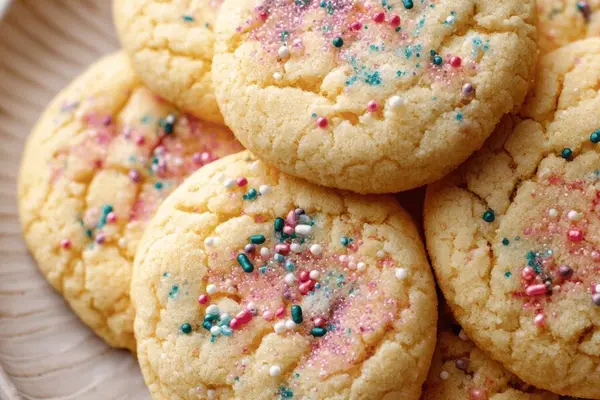
Sugar Crunch Cookies
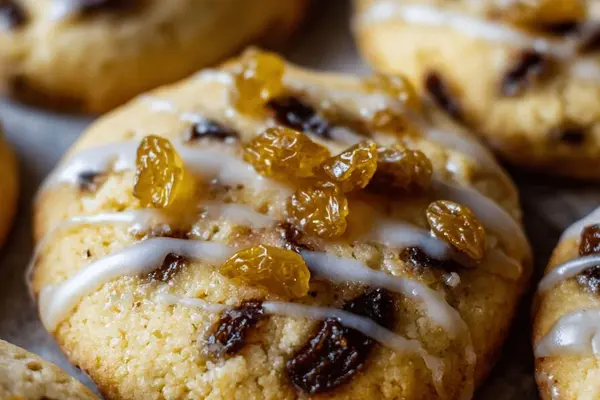
Rhum Glazed Raisin Sablés
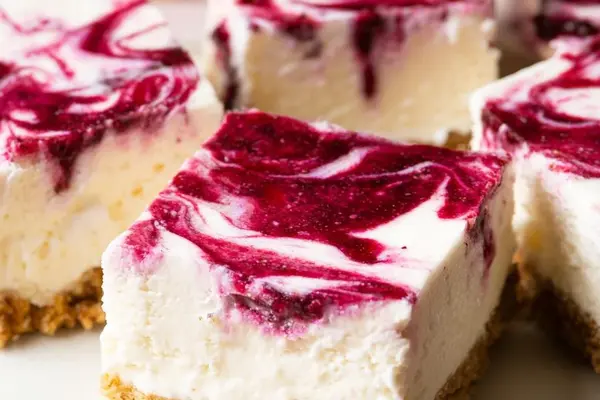
No-Bake Berry Cheesecake Bars
Altered Chocolate Berry Crêpes
Salted Caramel Chocolate Cake
Dark Chocolate Chip Muffins
Avocado Cookie Twist
Peanut Butter Jelly Sundaes
About the ingredients
Flour can’t be raw here — heat treatment is a must to kill any pathogens. Baking the flour briefly at a moderate heat releases dampness but watch it; too long and flavor flips bitter. Softened butter lets sugars dissolve fully giving that melt-in-mouth softness. I swapped in coconut oil once; earthier flavor but softer dough, good for summer. Heavy cream adds rich silkiness — milk is a decent stand-in but thinner, less stable dough. Salt isn’t just seasoning, it unlocks flavor and tones down butter’s sweetness. Vanilla extract is quality-dependent; pure vanilla gives better aromas than imitation. Chocolate chips come in different sizes. Tiny chips make dough more uniform but less melty pockets. Big chips = bursts of gooey chocolate. Adjust size and quantity to mood. Room temperature ingredients make mixing less struggling. Don’t skip chilling — it’s the secret weapon to texture and mouthfeel.
Method
- Preheat oven to 310°F not higher or flour scorches fast.
- Spread flour evenly on parchment-lined baking sheet so it’s a thin, uniform layer. Bake 6 minutes. Smell changes, faint toasted nut aroma signals done. Don’t let turn brown or bitter. Immediate cooling crucial, or heat carries on, ruining texture.
- Beat butter and sugars with vanilla on medium-high. Thick, fluffy texture formed after 2-3 minutes. Mix until you see pale creaminess. If butter too cold, blend becomes lumpy. Room temperature butter is best; I learned that after several fails.
- Drop mixer speed to low, drizzle in heavy cream. Cream cushions mixture, making it silky but stable. No rush on this or mix ends up broken or greasy.
- Add flour half a cup at a time with salt sprinkled in. Stop when flour disappears and dough pulls together without dry streaks. Don’t overmix or dough toughens. Texture feels velvety but stable under wooden spoon pressure.
- Fold in chocolate chips by hand until they scatter uniformly. Wood spoon works better for control, prevents breaking chips. Leftover clumps mean uneven bites.
- Chill dough wrapped for 25 to 35 minutes. Firm enough to scoop, soft enough to spread. Over chilling makes it too stiff, lose that edible softness.
- Keep dough covered or it picks fridge odors and dries out surface.
- If no heavy cream, milk or half-and-half works but leads to slightly thinner dough.
- Butter can be replaced with coconut oil, but flavor shifts and dough firm texture changes. Try blending ¾ oil and ¼ butter to balance.
Cooking tips
Flour baking demands attention. Spread thin to avoid hotspots; a flat layer is essential for even heat. You’ll smell a toasted, nutty note around 5 minutes in; that’s your cue to watch for color shifts, avoid browning. Cooling is not optional — hot flour ruins texture and can cook butter too fast later causing graininess. Creaming butter and sugars is more than mixing; timing there changes texture — too quick and you risk melting butter, muscles develop here through fluffy fluff. Slowing speed before adding cream lets it blend without breaking emulsion. Adding flour in increments means better incorporation, less work for your mixer, prevents dry lumps. Stop mixing when white streaks vanish but resist the urge to overdo — dough will toughen. Folding in chocolate chips by hand means evenly distributed bites without shattering; a wooden spoon is your best tool here. Chilling stabilizes fats and hydrates flour; the dough will firm but remain pliable, perfect for scooping or eating raw. Skip chilling and dough is sloppy, flavors unfinished.
Chef's notes
- 💡 Heat flour thin layer on low heat. Smell toasted nuts, no browning or bitter notes. Bake six minutes max; longer ruins flavor. Cooling quick stops cooking. Warm flour kills bacteria but overheated risks bitterness. Use parchment so flour spreads evenly no hotspots. Watch closely; visual cues better than timers here.
- 💡 Cream butter and sugars medium-high. Look for thick pale fluff. If butter cold, lumps form. I failed mixing cold butter many times before learning. Creaming builds texture — fluffy not greasy. Slow mixer speed before adding cream to avoid breaking. Cream adds silk but blends slow and steady to keep stable emulsion.
- 💡 Add flour with salt in parts, half cup increments. Stop mixing once dough pulls together, no dry streaks. Overmix stiffens dough, breaks softness. Texture should feel velvety under spoon pressure but not sticky or patchy. Mixing till no white streaks is key, resist urge to overdo.
- 💡 Fold chocolate chips by hand with wooden spoon. Avoid shaker or vigorous stirring which shatters chips. Clumps mean uneven melts, bite variety lost. Folding gently scatters chips cleanly. Check chip sizes; tiny for even melt, big for bursts. Leftover chunks uneven flavor.
- 💡 Chill wrapped dough 25-35 minutes. Wait till firm yet scoopable. Over chilling stiffens dough, losing softness. Chilling solidifies fats, prevents graininess from warm butter. If no cream, milk or half-and-half works but dough thins and weakens. Coconut oil swaps butter at ¾ oil to ¼ butter ratio to keep balance but flavor earthier, texture softer.
Common questions
Can I skip heat-treating flour?
No. Raw flour risks bacteria. Heat baking kills microbes. Smell changes signal completion. Avoid browning, bitter flavors. Improper bake ruins dough texture too.
What's best for mixing butter and sugar?
Medium-high speed till fluffy pale texture. Cold butter causes lumps. Too fast melting butter breaks mix. Slow cream addition keeps emulsion stable. Cream cushions mix — slow and steady.
Why does dough get grainy sometimes?
Usually overcooked flour or warm butter melting fats too suddenly. Cooling flour quickly crucial. Chilling dough firms fats, stops graininess. Overmixing flour toughens dough too.
How to store leftover dough?
Wrapped in fridge up to few days works. Avoid uncovered to stop drying or odors. Freeze portioned balls wrapped tight for longer. Dough firms in fridge but softens a bit at room temp when ready to eat.
You’ll Love These Too
Explore all →
Old-School Creamy Caramels
Veggie Lasagna Roll-ups
Slow Braised Pot Roast

Chipotle Three Cheese Toast
Rabbit Seventh Heaven

Pineapple Cream Jello Shots
Slow Cooker Honey Teriyaki Chicken

Spinach Zucchini Frittata
Vanilla Almond Shortbread

Pear Ricotta Blue Canapés
Rustic Italian Wedding Soup
Pancake Spaghetti Remix
Strawberry Tart Sundae Remix
Smoky Tangy BBQ Sauce
Quick Beef Broccoli Stir

Italian Meatball Soup Remix
Buttermilk Rye Crumpets

Twisted Limoncello Spritz
Chicken Broccoli Tortellini
Lemon Yogurt Loaf Plus