Saltine Crusted Chicken Tenders Recipe
By Emma
Certified Culinary Professional
·
Recipe tested & approved
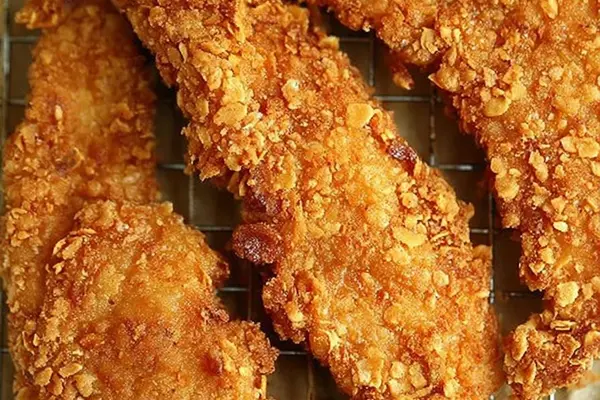
Crispy saltine crusted chicken tenders with garlic powder, Herbes de Provence, and chicken bouillon. Juicy inside, golden outside. Deep-fried to perfection.
Prep:
28 min
Cook:
19 min
Total:
47 min
Servings:
5 servings
Crush the saltines first. Food processor screams through them in seconds, but a rolling pin inside a bag works too—honestly works better if you like some texture. The coating matters more than you’d think.
Why You’ll Love This Saltine Crusted Chicken Tenders
Tastes like homemade, not frozen. That crust actually snaps. Twenty-eight minutes of prep and nineteen minutes in the oil. Forty-seven minutes total start to finish. Not slow. Comfort food chicken that’s genuinely good. Kids eat it. Adults eat it. You’ll make it again in three weeks and wonder why you haven’t made it every week. Works cold the next day too. Leftover crust doesn’t go limp if you store them right. Garlic and herbs are built in—not some weak coating that tastes like breading and nothing else.
What You Need for Saltine Crusted Chicken Tenders
Twelve saltine crackers crushed until fine but not powder. There’s a middle ground. Hit it. One and a half pounds of chicken tenders—the thin strips that come packed. Not chicken breasts you pound flat. The actual tenders. Thinner means crisper outside, less dry inside. Kosher salt. A teaspoon. Black pepper half a teaspoon. Garlic powder three-quarters teaspoon. Herbes de Provence—one teaspoon, or swap in poultry seasoning if you don’t have it. Chicken bouillon powder one teaspoon. Mix these in a bowl. This is your seasoning base and it’s doing half the work. Half a cup all-purpose flour. Nothing fancy. Two eggs beaten together in a shallow dish. Vegetable oil. Two to three inches deep in your pot. Doesn’t need to be premium. Just clean and hot.
How to Make Fried Chicken Tenders with Saltine Crust
Toss the tenders in that spice mix—use a large bowl or zip-top bag. Coat them all. Now wait twenty minutes. Don’t skip this. Flavor needs time to actually stick to the meat or it just stays on the surface and tastes shallow.
Set up your dredging station. Flour dish. Egg dish. Crushed crackers dish. Close together. You’ll move fast.
Coat one tender lightly in flour—enough to help the egg cling, not a thick layer. Into the egg. Let the excess drip off for two seconds. Too much egg makes the crust soggy and thick. Into the crackers. Press it in firmly. The crumbs need to grip or half of them fall off in the oil.
Heat your oil in a deep Dutch oven. Use a thermometer if you have one. Target 365°F. Three-sixty to three-seventy works. Too hot and the outside browns before the inside cooks through. Too cold and it sits there absorbing grease.
Test the oil with a tiny scrap of cracker. Should bubble hard and fast. Not smoke. Just aggressive bubbling.
How to Get Crispy Fried Chicken Tenders
Drop three or four tenders in at once. Too many and the oil temperature crashes. Fry about four minutes per batch. Flip once if needed—honestly depends on how they float. Watch for golden-brown crust. Check the thickest one with a thermometer. Internal temp needs to hit 165°F. Thicker tenders take the full four minutes. Thinner ones might be done in three.
Pull them onto a cooling rack set over a pan. Don’t let them sit on paper towels or the bottom gets soggy and steams itself back to limp. Keep the first batches warm in a 200°F oven while you finish the rest.
Check your oil temperature between batches. It’ll drop after you add cold chicken. Give it thirty seconds to climb back. Too hot—the crust burns dark before the inside reaches temperature. Too cool—greasy, limp crust that tastes sad.
Saltine Crusted Chicken Tenders Tips and Common Mistakes
Don’t let the resting step disappear. Twenty minutes is how long seasoning actually penetrates the surface. Ten minutes feels like enough. It isn’t.
Crushed crackers. Not pulverized. Some texture means the crust stays crispy instead of turning into a hard shell. Rolling pin method gives you more control—you can feel when you’ve got the right grind.
Oil temperature wins or loses the whole thing. A thermometer is twenty bucks. Use it. Guessing by sound—that’s how you get inconsistent batches. Some golden, some pale, some burnt corners.
Dredging dry is everything. Flour coat too thick—crust gets thick and doughy. Egg too wet—soggy mess. Crackers need to grip. Practice one tender. You’ll feel the difference.
Batch size matters. Four tenders max. Three if your pot is small. Oil temperature has to stay stable or the later batches fry different than the first ones.
Saltine Crusted Chicken Tenders Recipe
Prep:
28 min
Cook:
19 min
Total:
47 min
Servings:
5 servings
Ingredients
- 1 teaspoon kosher salt
- 1/2 teaspoon black pepper
- 3/4 teaspoon garlic powder
- 1 teaspoon Herbes de Provence (swap for poultry seasoning)
- 1 teaspoon chicken bouillon powder
- 1 1/2 pounds chicken tenders
- 1/2 cup all-purpose flour
- 2 large eggs beaten
- 12 saltine crackers finely crushed
- Vegetable oil for frying (about 2 to 3 inches deep)
Method
- 1 Crush saltines finely. Food processor works best but rolling pin in bag is fine too.
- 2 Mix salt, pepper, garlic powder, Herbes de Provence, and bouillon in a small bowl. Toss chicken tenders in this mix in a large bowl or zip-top bag. Let rest 20 minutes—don’t rush this or flavor stays shallow.
- 3 Set up dredging: flour in one dish, eggs beaten in second, crushed crackers in third. Keep close.
- 4 Dredge each tender in flour first, coating lightly but enough to help egg stick. Dip in eggs, let excess drip off—too wet makes coating soggy. Press into cracker crumbs firmly; crumbs must grip well or they fall off during frying.
- 5 Heat oil in deep Dutch oven. Use a thermometer: target 365°F but can range +/- 5 °F. Test oil temp with a small scrap of cracker—should bubble vigorously but not smoke.
- 6 Cook tenders in batches, 3 or 4 at once to keep oil from cooling too much. Fry about 4 minutes per batch, flip once if needed. Watch for golden-brown crust and internal temp hitting 165°F. Thickness affects timing.
- 7 Drain cooked tenders on cooling rack over pan to avoid soggy bottoms. Keep warm in low oven around 200°F if serving later.
- 8 Adjust oil temp as needed between batches. Too hot—burn crust, undercooked inside. Too cool—greasy, limp crust.
- 9 Serve immediately with favorite dipping sauce or slaw.
Nutritional information
Calories
460
Protein
38g
Carbs
28g
Fat
25g
Frequently Asked Questions About Crispy Chicken Tenders with Saltine Crust
Can I use panko instead of crushed saltines? Not the same crust. Panko is bigger, puffier, stays lighter. Saltines are denser—they get really crispy and stay that way. If you use panko it’s a different texture. Not bad. Different.
What if my chicken tenders are thick? Add maybe a minute to the fry time. Depends how thick. Use a thermometer. 165°F inside is the marker. Thickness matters way more than time.
Can I make these ahead and reheat them? Fridge is fine up to two days. Reheat in a 350°F oven for five minutes. Microwave makes them rubbery. Don’t microwave.
What’s the point of the twenty-minute rest? Seasoning soaks in instead of sitting on top. Shorter rest means the flavor just stays on the outside and tastes hollow. Try it and you’ll taste the difference immediately.
Can I bake these instead of frying? No. Saltine crust needs oil temp to crisp. Oven just dries it out and makes it hard. Frying is non-negotiable here.
What dipping sauce works best? Honey mustard. Ranch. Hot sauce. Barbecue. Whatever you like. The crust is strong enough that it works with anything.
You’ll Love These Too
Explore all →
Beef Mac Skillet with Cheddar & Tomatoes
Beef and Vegetable Soup with Pale Ale
Oven-Roasted Spaghetti Squash with Basil

Cranberry Punch Recipe with Apple Cider

Chocolate Chip Cookies with Almond Meal
Apple Upside Down Cake with Brown Butter
Beef Stew Recipe with Red Wine & Root Vegetables
Seared Pork Filets with Mango Chutney
Veal Marsala: Tender Meat & Creamy Sauce

Ground Beef Chili Recipe with Beans

Vietnamese Spring Rolls with Pork
Caramelized Onion Dip with Gouda
Tteokbokki Recipe with Pork and Gochujang

Cookie Ice Cream Bowls with Chocolate Chips
Gherkins: Quick Pickled Persian Cucumbers
Walnut Baklava with Honey Cinnamon Syrup
Roasted Carrots Lentil Couscous with Halloumi

Chocolate Cake House with Cream Cheese Frosting

Strawberry Shortcake Recipe with Lemon Biscuits