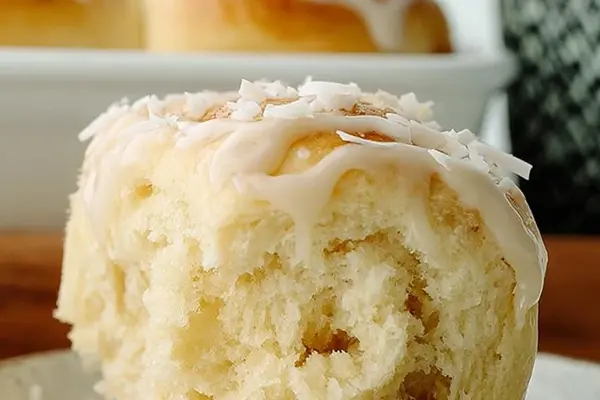
Coconut Bread Recipes: Sticky Sauce Rolls
E
By Emma
Certified Culinary Professional
•
Recipe tested & approved
Warm the milk first—not too hot or the yeast dies. Two and a quarter cups, between 100 and 110 degrees. That specific range matters. Stir in yeast and a quarter cup sugar, then wait. Eight to twelve minutes. You’ll see bubbles. You’ll smell something alive and yeasty, not chemical or off. That’s when you know it’s working.
Why You’ll Love This Coconut Bread
Makes twelve rolls in 55 minutes total—25 minutes of actual work, the rest is rising and baking while you do something else. Homemade dessert rolls, and they taste nothing like the store kind. That coconut sauce pools at the bottom and soaks in, so every bite has it. Not a drizzle. Not decoration. Integral.
Reheats perfectly. Wrapped in foil at 300 degrees for ten minutes and they’re soft again. Better the next day, actually—the sauce settles into everything overnight. Caribbean coconut bread without the fancy ingredients or the fuss. Your kitchen smells incredible while it bakes. The kind of smell that makes people ask what you’re making before they even walk in.
What You Need for Caribbean Coconut Bread
Evaporated milk—not regular milk. It’s thicker, sweeter, and the yeast responds better to it. Two and a quarter cups, warmed. Rapid rise yeast, one packet. All purpose flour, sifted—six cups. Sifting matters here. It aerates the dough. Don’t skip it.
Unsalted butter, half a cup melted, plus two tablespoons more for the pan. Two large eggs. Kosher salt—a teaspoon for the dough, another quarter teaspoon for the sauce. A quarter cup of sugar for the yeast mixture, then another half cup for the coconut sauce. One teaspoon of cornstarch—that’s what makes the sauce thicken without being gluey. Canned unsweetened coconut milk, thirteen and a half ounces. Flaky sea salt for topping if you want it. You don’t need it. But it works.
How to Make Homemade Coconut Rolls
Heat the milk gently until steam barely rises. Microwave works fine—check it at thirty-second intervals. Stir yeast and a quarter cup sugar into that warm milk and let it sit. This is the bloom. Eight to twelve minutes. The surface bubbles. It smells right. If nothing happens, your yeast is dead. Throw it out and start over.
Preheat the oven to 405 degrees. Butter a nine by thirteen inch baking dish with two tablespoons of that melted butter. Keep the rest warm. Add the remaining butter, two eggs, and a teaspoon of kosher salt to the yeast mixture. Mix it. Now add flour, about a cup at a time, stirring gently. Overmixing toughens everything. Under-mixing leaves it sticky and wrong. You want just combined.
Flour your workspace lightly. Turn the dough out. Knead for five to seven minutes. It should bounce back when you poke it. It makes a sound against the bowl—kind of a thwack. The dough gets smooth and elastic, soft but not sticky. If it’s stickier than dough you’ve made before, add flour a tablespoon at a time. Trust feel more than time.
How to Get These Rolls Puffy and Golden
Divide the dough into twelve equal balls. Place them in the buttered pan, spaced but not touching. They’ll expand. Cover with a damp towel or plastic wrap. Let them rise ten to twenty minutes. They should puff up but not double—they’ll swell close to the edges. Room temperature matters. Cold kitchen means longer rising. Warm corner means faster. Watch the dough, not the clock.
While they rise, make the coconut sauce. Small saucepan. Combine half a cup sugar and a teaspoon of cornstarch. Whisk in the canned coconut milk and a quarter teaspoon of kosher salt before you add heat. Warm it over low heat, stirring constantly. The sugar dissolves. The sauce thickens slightly. It coats the back of a spoon. Don’t boil it. Heat breaks the sauce. It gets weird.
Pour the sauce over the rolls just before baking. It pools at the bottom—that’s fine. It soaks in during the bake. A bamboo or silicone brush helps spread it if you want it even. Bake uncovered for twenty to twenty-five minutes. Watch for golden tops. Watch for the coconut syrup bubbling around the edges. The rolls should feel firm but springy when you touch one. Overbaking dries the insides. Pull them out as soon as they brown slightly.
While they’re warm, add flaky sea salt on top if you’re using it. Just a scatter. Salt and coconut work together. Let them cool ten minutes before serving. The sauce thickens more as they cool. Each bite gets wrapped in that sweet creamy coconut. Best fresh. Reheats wrapped in foil at 300 degrees for ten minutes and tastes almost as good.
Coconut Bread Tips and Common Mistakes
Yeast needs warmth. If the milk’s too hot, over 110 degrees, you kill the yeast. Too cool and it won’t bloom. Get a thermometer. It’s worth it. If your dough takes forever to rise, your kitchen’s probably cold. Warm a corner of the oven slightly or find a warmer spot. Window sills in sun work. Top of the fridge works.
The sauce breaking—that happens when it gets too hot. Keep it low. Stir it constantly. Cornstarch needs the right temperature to thicken without clumping. If you want it thicker, use a bit more cornstarch next time. If it’s too thick, add a splash of milk when you’re warming it.
Rolls coming out dense or flat means yeast was dead or milk was wrong temperature. Check your yeast date. Store yeast in the fridge or freezer after opening. Check your thermometer. Those two things fix ninety percent of bread problems. If dough stays sticky no matter what, your flour might be holding more moisture than usual. Add flour slowly. A tablespoon at a time. It’s better to add more than subtract less.
The canned coconut milk settles. Shake the can or stir it before measuring. Same difference. Evaporated milk is shelf-stable but check the date. Old evaporated milk sometimes behaves weird.
Coconut Bread Recipes: Sticky Sauce Rolls
Prep:
25 min
Cook:
30 min
Total:
55 min
Servings:
12 rolls
Ingredients
- 2¼ cups evaporated milk, warmed to 100°-110°F
- 1 packet rapid rise dry yeast (about 2¼ tsp)
- ¼ cup granulated sugar
- ½ cup unsalted butter, melted plus 2 tbsp reserved
- 2 large eggs
- 1 tsp kosher salt
- 6 cups all purpose flour, sifted
- ½ cup granulated sugar
- 1 tsp cornstarch
- 13.5 oz canned unsweetened coconut milk
- ¼ tsp kosher salt
- Flaky sea salt for topping (optional)
Method
- 1 Warm evaporated milk gently in microwave or on stove till steam barely rises and temp reaches 100°-110°F. Too hot kills yeast; too cool won’t bloom. Wait if overheating.
- 2 In large bowl or stand mixer with dough hook, stir yeast and ¼ cup sugar into warm milk. Wait 8-12 minutes; surface should bubble and smell yeasty, not sour or bleachy. If nothing happens, scrap yeast and start over.
- 3 Preheat oven to 405°F. Melt butter; use 2 tbsp to butter a 9x13 inch baking dish. Keep butter warm.
- 4 Add remaining melted butter, eggs, and kosher salt into browned yeast mixture. Add flour gradually, about 1 cup at a time, stirring gently until just combined. Overmixing toughens dough; under-mixing leaves parts sticky.
- 5 Flour workspace lightly. Turn dough out. Knead 5-7 minutes until dough bounces back and slaps against bowl sides with a snug 'thwack' sound. Dough should be smooth, elastic, soft but not sticky. If stickier than dough from past batches, add flour a tablespoon at a time.
- 6 Divide dough into 12 equal balls. Place in buttered pan spaced but not touching. Cover with damp towel or plastic wrap. Let rise 10-20 minutes until soft and puffy but not doubled; dough will swell close to edges. Timing must be based on room temp and dough feel, not strict clock.
- 7 Meanwhile, start coconut sauce. In small saucepan, combine ½ cup sugar and 1 tsp cornstarch. Whisk in coconut milk and kosher salt before heat. Warm over low heat, stirring often. Sugar should dissolve fully; sauce thickens slightly and coats back of spoon. Avoid boiling; sauce breaks if too hot.
- 8 Just before baking, pour sauce over rolls. Don’t worry if pooling at bottom; it soaks in during bake. Bamboo or silicone brush helps spread if needed.
- 9 Bake uncovered 20-25 minutes, watch for golden tops, bubbling coconut syrup around edges, and a firm but springy roll texture. Overbaking dries interiors; pull out as soon as a slight brown crust forms.Face with flaky salt while warm for taste bursts.
- 10 Let rolls cool 10 minutes before serving. Sauce thickens further as rolls rest, wrapping each bite in sweet creamy coconut. Best fresh but reheats well wrapped in foil at 300°F for 10 minutes.
- 11 If dough takes too long to rise, warm oven slightly or find warmer spot. Cold kitchens need more patience or yeast boost. If rolls dense or flat, review yeast freshness and milk temp next time.
Nutritional information
Calories
310
Protein
6g
Carbs
42g
Fat
14g
Frequently Asked Questions About Homemade Coconut Bread
Can I use regular milk instead of evaporated milk? Not really. Regular milk is too thin. The yeast doesn’t respond the same way. Evaporated milk is thicker and sweeter. It’s the whole reason this works. Don’t substitute.
What if I don’t have rapid rise yeast? Use active dry yeast instead. Same amount. Add five minutes to the bloom time. It’ll still work. Just takes slightly longer.
How do I know the rolls are done baking? Color matters—golden tops and bubbling coconut syrup around the edges. Touch one. Firm but springy. Not hard. Not squishy. If you tap it, it should sound a bit hollow. That’s done.
Can I make the dough ahead and refrigerate it? Yes. Make it, let it rise the first ten to twenty minutes, then cover and stick it in the fridge overnight. Let it come back to room temperature in the morning before shaping. Might add fifteen minutes to the process. Cold dough rises slower.
Does the coconut sauce separate after it sits? Yeah, a bit. The fat rises. Stir it before serving if it’s been sitting a while. Or don’t. The taste’s the same either way. Some people like it pooled at the bottom—creamier that way.
Can I freeze these rolls? Wrap them individually in plastic wrap, then foil. Freeze for up to three weeks. Thaw at room temperature or reheat wrapped in foil at 300 degrees for fifteen minutes straight from frozen. Takes longer but works fine.
Why does the recipe call for sifted flour? Sifting aerates it. The dough comes out lighter, softer. You can skip it—just use six cups and stir it a few extra times before measuring. Won’t be quite as fluffy, but still good.
What’s the difference between canned coconut milk and evaporated milk? Completely different things. Evaporated milk is milk with water removed—it’s for the dough. Coconut milk comes from coconuts—it’s for the sauce. Can’t swap them.
You’ll Love These Too
Explore all →
Mojito Recipe with Raspberry Mixer
Apple Pie with Crescent Rolls & Sprite
Cornbread Panzanella with Maple-Lemon Dressing
French Toast Casserole with Cranberry Pecan

French Onion Soup with Shallots
Fudgy Brownies with Chocolate Ganache

Grilled Garlic Butter Shrimp with Herb Butter
Flammekuchen Recipe: Crispy Crust with Pancetta
Pesto Dip with Ricotta and Sun-Dried Tomatoes
Bacon Tomato Macaroni with Shell Pasta

Homemade Strawberry Syrup with Honey
Velveeta Cheese Dip With Chorizo

Creamy Chicken Pasta with Garlic Butter Sauce

Sausage Egg Cheese Crescent Rolls
Mexican Corn Salad with Avocado

Peach Mozzarella Salad with Burrata & Harissa
Potato Salad Recipes with Pecans & Lime

Ginger Mousse with Candied Kumquats
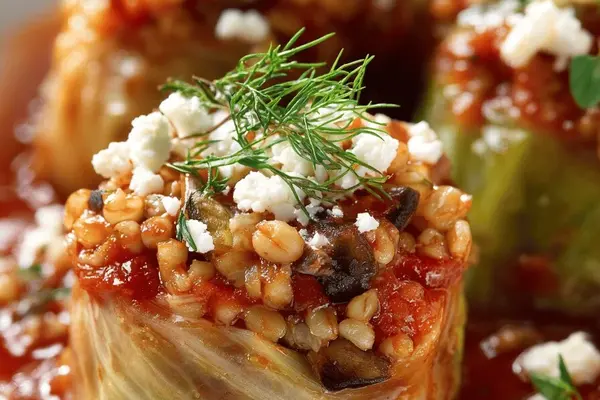
Barley Cabbage Rolls with Mushrooms & Feta