Sesame Seared Tuna with Volcano Sauce
By Emma
Certified Culinary Professional
·
Recipe tested & approved
Oil hits the pan almost smoking. Tuna goes in. Everything gets loud.
Why You’ll Love This Sesame Seared Tuna Volcano
Takes 23 minutes start to finish. Seriously. Looks like you spent three hours on it. The volcano sauce does that — pipe it on and suddenly it’s restaurant food. Spicy but not mean. Chili garlic sauce mixed into mayo means you control the heat. Add slow. Taste as you go. Works cold the next day, maybe better. Leftovers don’t really happen here, but if they do, eat them straight from the fridge. The sesame crust — white and black seeds together — adds this nutty, toasty thing that can’t come from anywhere else. Crunch that stays even when it cools.
What You Need for Sesame Crusted Tuna
Four tuna steaks. 1 1/2 inches thick. Don’t go thinner — it’ll dry out before the crust sets.
White sesame seeds and black sesame seeds. Equal parts. One tablespoon each. Mixed together they look better and taste deeper than either alone.
Vegetable oil — 1 1/2 tablespoons. Hot oil matters more than the type, but grapeseed or avocado oil burn cleaner if you have them.
Mayonnaise. 1/3 cup. The base.
Chili garlic sauce. 2 teaspoons to start. Add it slow into the mayo. Heat builds as you blend.
Sweetened condensed milk. 2 tablespoons. This rounds out the spice, makes it less one-note. Coconut cream works if you need it different.
Fine sugar. 1/2 teaspoon. Just balances.
Teriyaki glaze — store-bought is fine. Homemade if you want that thing. Either way, warm it slightly before it goes on.
Scallions. Chopped. Doesn’t matter how much. Enough to see it.
How to Make Sesame Seared Tuna
Start with the volcano sauce because it needs no heat and no rush. Pour mayo into a bowl — small food processor works best, or an immersion blender if that’s what you have. Add chili garlic sauce slowly. A teaspoon. Blend. Taste. Another teaspoon. Blend again. The heat climbs fast. Stop when it’s where you want to live with it, not where it takes over. Stir in condensed milk. Sugar. Done. Set it aside in a squeeze bottle if you have one, or just use a spoon later.
Mix white and black sesame seeds in a flat dish. Spread them out.
Pat the tuna completely dry with paper towels — water stops the crust from sticking. Press both sides hard into the sesame seeds so they coat like armor. They should stick, not slide off. If they’re sliding, the tuna’s still wet.
Heat oil in a big frying pan or cast iron until it’s almost smoking. You want to see the shimmer turn into ripples. This takes maybe a minute on high heat. The crackle when tuna hits it means you got it right.
How to Get Sesame Seared Tuna Cruspy and Perfectly Medium-Rare
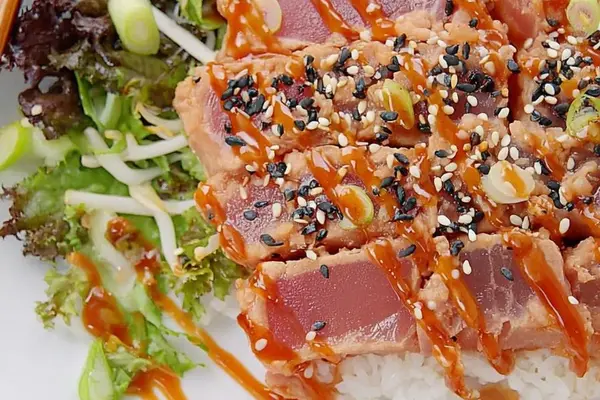
Drop tuna in carefully. Oil will spit. This is correct. Cover the pan to trap heat and steam but watch it — don’t let it go too far. 2 1/2 to 3 1/2 minutes per side for that deep red inside wrapped in a dark crust. Thickness changes everything. A thin steak cooks in 2 minutes. A thick one needs the full 3 1/2. Peek if you must. Look for color — the outside should be dark brown, almost charred, and the inside should be ruby red with maybe a thin line of cooked flesh around the edge. That’s medium-rare. Rarer? 2 minutes per side. More done? Push toward 4, but honestly, past that you’re wasting the fish.
Pull the tuna off heat immediately. Let it sit for maybe 60 seconds. Don’t poke it. This keeps the inside from bleeding out.
While it’s still warm, slather teriyaki glaze on top. It melts into the crust and stays sticky and deep. One tablespoon per steak, roughly.
Sesame Tuna Appetizer Tips and Common Mistakes
Smoke alarm goes off sometimes. Not a failure — a sign you seared right. Open a window. Clear the air. Keep going.
Oil temperature is everything. Too cool and the sesame seeds sit there. Too hot and they burn black before the fish cooks through. That shimmer-to-ripple moment — that’s the target.
Don’t flip more than once. In and out. Crusta forms on the first side in that 2 1/2 to 3 1/2 minutes. Flip. Do the other side. Done. Flipping twice breaks the crust and lets the inside dry out.
Tuna keeps cooking after it leaves the pan. If it looks almost done, pull it early. It’ll finish in that rest period.
The volcano sauce can be piped — grab a plastic bag, fill it, snip a tiny corner, and squeeze. Or dollop. Both work. Piping just looks cooler, which matters at a dinner party, which is probably why you’re making this anyway.
Sesame Seared Tuna with Volcano Sauce
Prep:
12 min
Cook:
11 min
Total:
23 min
Servings:
4 servings
Ingredients
- For volcano sauce===
- 1/3 cup mayonnaise
- 2 teaspoons chili garlic sauce (add gradually)
- 2 tablespoons sweetened condensed milk (substitute coconut cream if preferred)
- 1/2 teaspoon fine sugar
- For tuna===
- 4 tuna steaks about 1 1/2 inch thick
- 1 tablespoon white sesame seeds
- 1 tablespoon black sesame seeds
- 1 1/2 tablespoons vegetable oil (can sub grapeseed or avocado oil)
- Teriyaki glaze (store-bought or homemade)
- Chopped scallions for garnish
Method
- 1 Blast chili garlic sauce little by little into mayo. Blend small food processor or immerse blender. Watch the heat climb; stop somewhere you won’t regret.
- 2 Mix sesame seeds in a flat dish. Press tuna both sides in seeds so they stick like armor. Seeds add crunch and that nutty toasty smell once seared.
- 3 Heat oil till almost smoking hot in big frying pan or cast iron. You want that crackle before the fish goes in.
- 4 Drop tuna in carefully. Oil will spit like it hates you. Cover pan to trap heat but watch so it doesn’t overshoot.
- 5 Cook 2 1/2 to 3 1/2 minutes per side for medium rare; push shorter for rarer. Thickness is king. Peek if you must. Look for a dark crust encasing deep red inside.
- 6 Pull tuna off heat. Rest a bit—don’t wreck those juicy interiors.
- 7 Slather teriyaki glaze on top while warm so it melts sleek and sticky.
- 8 Volcano sauce — option one: dollop on side for dipping. Option two: pipe thin streams or dots using a small snip on a corner of a sealed plastic bag. Adds drama and control over spice.
- 9 Finish with scallions sprinkled like confetti.
- 10 No shame if smoke alarm goes off. It’s a sign you’re searing right. Just clear air quickly and get ready to devour.
Nutritional information
Calories
350
Protein
30g
Carbs
6g
Fat
22g
Frequently Asked Questions About Sesame Crusted Tuna
How hot should the oil actually be? Until it shimmers and moves in waves. Not smoking yet. One more 10 seconds and you’re there. Temperature matters more than time — use a thermometer if you want exactness. Around 400°F for cast iron.
Can I make the volcano sauce ahead? Yes. Sits fine for two days in the fridge. Bring it to room temp before serving or it gets stiff.
What if my sesame seeds won’t stick to the tuna? Tuna’s wet. Pat it dry again. Seriously dry. The sesame needs a dry surface.
Is there a way to make this less spicy? Start with 1 teaspoon chili garlic sauce instead of 2. Taste. Add more if you want heat. The condensed milk mellows it too — add a bit extra.
Can I use frozen tuna steaks? Thaw completely. Thawing matters more than the source. Pat very dry after.
What does medium-rare look like inside? Ruby red. Deep red. Almost purple in the center. A thin cooked line around the very edge. That’s it. If it’s gray all the way through, it’s overcooked.
How long does this keep? Eat it same day if you can. Leftovers work cold the next morning, but after that it gets fishy in a bad way.
Does the volcano sauce work with other fish? Yeah. Salmon. Swordfish. Even shrimp. The spicy mayo is just spicy mayo — doesn’t care what it sits next to.
You’ll Love These Too
Explore all →
Blueberry Cheesecake Cookies
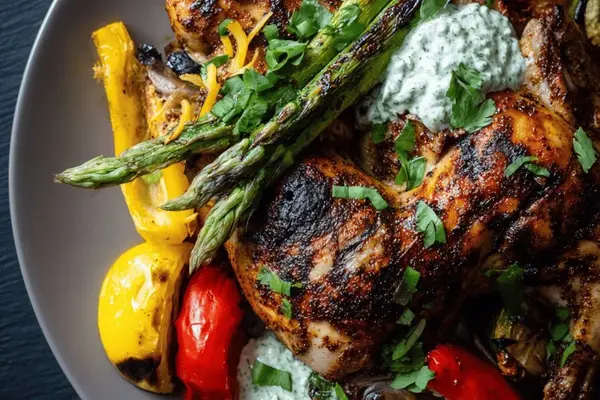
Spatchcock Grilled Chicken with Pesto Mayo
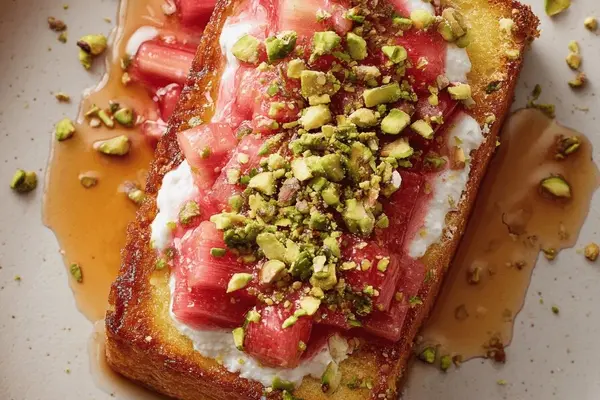
Rhubarb Almond Bostocks with Pistachio
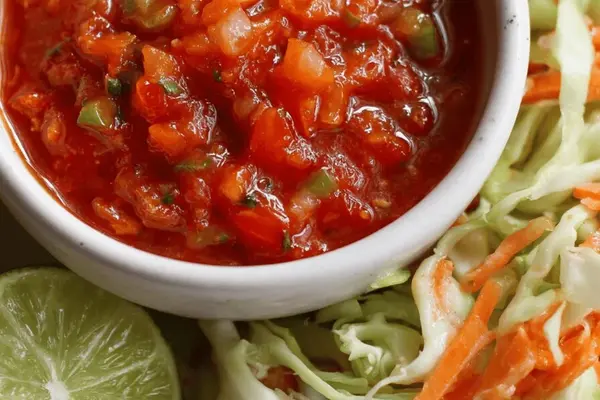
Coleslaw Recipe with Spicy Tomato Salsa
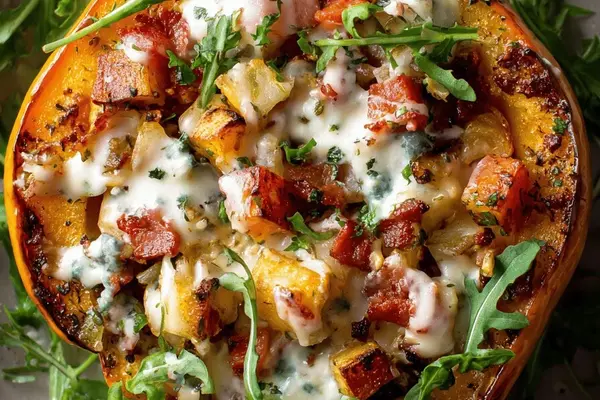
Stuffed Pepper Squash with Roasted Potatoes
Pineapple Lime Shaved Ice with Vanilla Ice Cream
Salted Caramel Chocolate Cake Recipe
Apple Tartlets with Granny Smith Apples
Beer Battered Fish Recipe with Cod
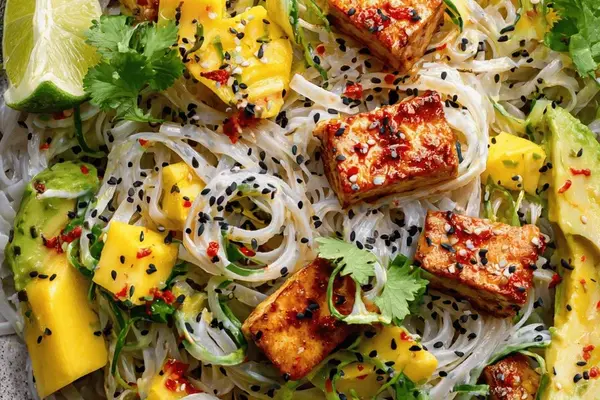
Rice Noodle Salad with Tahini, Tofu & Mango
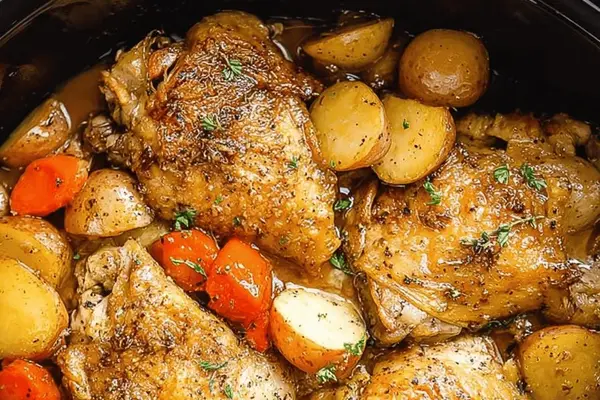
Slow Cooker Chicken Thighs with Potatoes
Apple Pie Recipes: Fresh Apples & Cinnamon
Sunny Side Up Eggs with Olive Oil
Macaroni Salad with Eggs & Cornichons
BBQ Chicken French Bread Pizza
Roast Lamb Dinner with Garlic and Sage
Strawberry Bread with Yogurt and Lemon

Chocolate Snowman Truffles with Nutter Butter
Cookie Recipe Cake Mix Orange Frosting