Sheet Pan Chocolate Cake with Sour Cream
By Emma
Certified Culinary Professional
·
Recipe tested & approved
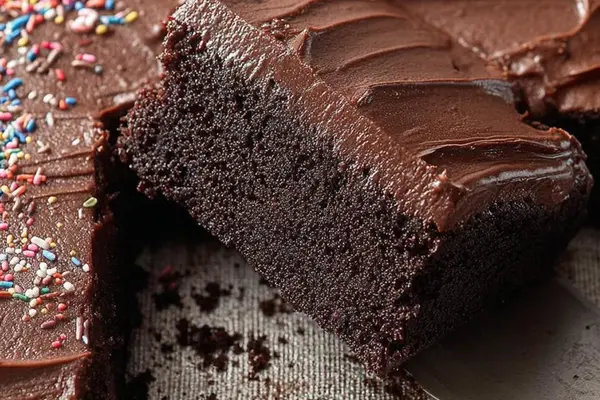
Sheet pan chocolate cake made with sour cream, espresso powder, and coffee for rich flavor. Cocoa frosting with chocolate chips finishes this tender, moist cake perfect for crowds.
Prep:
20 min
Cook:
22 min
Total:
42 min
Servings:
26 servings
Hot coffee poured into chocolate batter while it’s still in the bowl — that’s the move. Sounds wrong. Tastes like something you’d get at a coffee shop, except it’s from your sheet pan and took 42 minutes. Had three cups of coffee left over one Tuesday and a block of cocoa powder, so this happened.
Why You’ll Love This Easy Chocolate Cake
No mixers. No fussy layers. Just one pan and frosting that happens on the stove. Takes 42 minutes total — 20 minutes of prep, 22 in the oven. Done before you’re hungry. Stays moist for days. Actually tastes better the next morning. The espresso powder doesn’t make it taste like coffee. It makes chocolate taste like chocolate, but deeper. Richer. Cleanup’s normal — not nothing, but the pan’s easy since everything bakes in one place.
What You Need for an Easy Chocolate Cake
All-purpose flour — spooned in, not scooped. Scooping makes it tight. Two sugars. Granulated and brown. Brown adds moisture and a subtle sweetness that makes the cocoa less sharp. Unsweetened cocoa powder. Sifted. Lumps go grainy in the crumb. Baking powder and baking soda. Both. They work differently here. Espresso powder — a teaspoon. Not for coffee flavor. It deepens chocolate. Skip it and the cake still works, just flatter tasting. Sour cream. Full fat. The acid reacts with the soda and keeps everything tender. Cold eggs straight from the fridge. Warm eggs lose the lift. Hot brewed coffee. Strong. This gets poured in at the end and thins the batter to something almost runny. Sounds wrong. It’s not. For the frosting: sour cream, butter, sugar, cocoa powder, vanilla, chocolate chips, salt. That’s it. The chips melt into the frosting and make it shiny.
How to Make an Easy Chocolate Cake
Butter the sheet pan thick — corners and sides. Batter won’t creep over edges if it’s got grip. If your pan’s too shallow, grab a different one or bake cupcakes instead.
Whisk together flour, both sugars, cocoa, baking powder, baking soda, espresso powder, and salt in a big bowl. Sifting the cocoa with the flour stops bitter pockets from forming. This matters.
Another bowl: sour cream, oil, cold eggs, buttermilk, vinegar, vanilla. Mix until it’s silky. Not overbeaten. Cold eggs add lift to the crumb. Warm batter kills that.
Pour wet into dry. Stir until barely combined. Lumps are fine. Overmixing makes the cake dense and tight. The batter’s thick right now but that changes.
Hot coffee goes in slowly while you stir. Pour it gradually. The batter turns thin and shiny — almost runny. Don’t panic. This is right. Coffee blooms the cocoa and makes everything taste deeper.
Pour it into the pan and smooth the top with an offset spatula or the back of a spoon. Watch it doesn’t overflow at the edges.
How to Get Sheet Pan Chocolate Cake Cocoa Frosting Perfect
Slide it into a preheated 350°F oven at mid-height. Bake for 20 to 22 minutes. Start checking at 18. A toothpick should pull out with a few moist crumbs — not wet batter, not bone dry. Edges pull away from the pan when it’s done. Don’t overbake or the whole thing dries out fast.
While that bakes, start the frosting. Melt sour cream, butter, and sugar in a saucepan over medium-high heat. Stir constantly so the sugar dissolves evenly. Bring it to a gentle boil — that takes about a minute. Boil for 25 seconds then pull it off heat. Boil twice and the sugar gets grainy.
Whisk in cocoa powder, vanilla, chocolate chips, and salt. Whisk hard. The chips melt into the frosting and it gets glossy and shiny. If it’s not glossy, heat it one more time but don’t boil. Don’t.
When the cake’s just warm, pour the frosting on top and spread it quick before it stiffens. If it hardens too fast, warm the pan slightly or whisk it again. Otherwise you’re cracking it to pieces while spreading. The chocolate smell is strong enough to make your kitchen smell like that for hours.
Let it cool all the way before cutting, or cut it warm and accept that the frosting scrapes. Warm cake pulls apart more but tastes better. Cold cake cuts cleaner but feels like cheating.
Sheet Pan Chocolate Cake Tips and Common Mistakes
The batter looks thin after the coffee goes in. It’s supposed to. Don’t add flour. Don’t question it.
If you’re worried the pan’s too full, bake some cupcakes with the leftover batter. Cupcakes bake in about 15 minutes at 350. Watch for when they spring back.
Coconut oil works instead of vegetable oil — same amount. So does avocado oil. Olive oil burns.
Buttermilk’s hard to find? Make it. Milk plus apple cider vinegar. Sit for five minutes. Done.
Espresso powder tastes wrong to you? Leave it out. The cake’s still good. Just not as much depth.
Clean the edges of the pan before baking so stray bits don’t burn and smoke.
Sheet Pan Chocolate Cake with Sour Cream
Prep:
20 min
Cook:
22 min
Total:
42 min
Servings:
26 servings
Ingredients
- 2 1/2 cups all purpose flour spooned and leveled
- 1 1/3 cups granulated sugar
- 2/3 cup light brown sugar packed
- 3/4 cup unsweetened cocoa powder sifted
- 2 teaspoons baking powder fresh
- 1 1/4 teaspoons baking soda
- 1 teaspoon espresso powder
- 3/4 teaspoon fine sea salt
- 1 cup sour cream full fat
- 1/3 cup vegetable oil or substitute with melted coconut oil
- 3 large eggs cold from fridge
- 1/2 cup buttermilk or homemade: milk + vinegar
- 1 tablespoon apple cider vinegar
- 1 teaspoon pure vanilla extract
- 1 1/4 cups hot brewed coffee strong and freshly made
- For frosting: 1/3 cup sour cream
- 1/4 cup unsalted butter softened
- 1/2 cup granulated sugar
- 1/3 cup unsweetened cocoa powder sifted
- 1/4 cup bittersweet chocolate chips
- 1 teaspoon vanilla extract
- Pinch fine sea salt
Method
- 1 Butter half sheet pan 18x13x2 inches thickly. Scrape butter right into corners and sides so batter won’t creep over; 1 inch sides too shallow, you’ll regret spills. If pan too shallow, grab another or bake cupcakes side by side to use batter fully.
- 2 In large bowl, whisk flour spooned in, sugars, cocoa, baking powder, soda, espresso powder, salt evenly. Sifting cocoa and flour together helps prevent bitter pockets.
- 3 Mix another bowl sour cream, oil, eggs, buttermilk, vinegar, vanilla until silky but don’t overbeat. Eggs cold add lift; warm mix kills air.
- 4 Pour wet into dry. Stir only until barely combined. Lumps okay. Overmix = dense cake. Batter looks thick but accepts hot coffee good.
- 5 Gradually pour in hot coffee. Best to pour slowly while stirring gently. Batter will turn thin and shiny; don’t panic. It’s supposed to be like this; coffee blooms cocoa for deep chocolate. Batter consistency is runny but not watery.
- 6 Pour batter evenly into pan. Use offset spatula or back of spoon to smooth top. Watch that it’s not overflowing.
- 7 Slide into preheated oven at 350°F (adjust oven rack mid-height). Bake 20 to 22 minutes. Start checking at 18. Toothpick inserted should come out with few moist crumbs, not wet batter. Edges pull away when ready. Don’t overbake or cake dries out.
- 8 While cake bakes, start frosting. Melt sour cream, butter, sugar in saucepan on medium-high. Bring to gentle boil, stir frequently so sugar melts evenly. Boil about 25 seconds then remove from heat or risk grainy sugar.
- 9 Immediately whisk in cocoa powder, vanilla, chocolate chips, and salt. Stir vigorously until shiny and glossy. Chips melt into a chocolate ganache-like frosting. If not glossy, heat briefly again but don’t boil twice.
- 10 When cake cools to just warm, pour frosting on top spreading quickly before it stiffens. If frosting sets too fast, warm pan slightly or whisk again. Otherwise frosting will crack when spread.
- 11 Let frosted cake cool fully to let frosting firm up or cut while warm if impatient. Scraping edges is common; that chocolate aroma sets whole kitchen on edge. Decorate with sprinkles or chopped nuts to hide minor cracks and add texture.
- 12 If pan or batter full, don’t force it. Bake a few cupcakes with any leftover batter. These are great for control. Cupcakes usually need 15 minutes at 350; keep an eye on color and springiness.
- 13 Note on substitutions: oil can be swapped for equal melted coconut oil or avocado oil. Buttermilk can be replaced by oat milk plus lemon juice vinegar if lacking. Espresso powder omitted means slightly mellower but less depth. Sour cream in frosting can be replaced with full fat yogurt but texture varies.
- 14 Clean edges of batter on pan before baking; stray crumbs burn and can smoke. Let rest 5 minutes after baking outside oven to settle crumb.
Nutritional information
Calories
280
Protein
4g
Carbs
38g
Fat
12g
Frequently Asked Questions About Easy Chocolate Cake
Can I use cocoa frosting cake recipe instead of the stovetop frosting? Sure. Whatever frosting you want works. This one’s just easier and tastes better to me — the heat melts the chips and makes it glossy instead of grainy. But there’s no rule here.
How long does sour cream chocolate cake keep? Three days covered at room temperature. Gets moister as it sits, which is the point. Fridge keeps it longer but it dries out faster in cold air.
What if my espresso chocolate sheet cake batter is too thick? It shouldn’t be after the coffee goes in. But if for some reason it is, add hot water a tablespoon at a time. Thin. Don’t overthink it.
Can I make this as cupcakes instead? Yeah. Same batter, same frosting. Divide it into a 12-cup muffin tin. Bake for 15 to 17 minutes at 350. Watch for springiness. Cupcakes help if your pan’s not the right size or you just want individual portions.
Does the chocolate cake with coffee and cocoa powder frosting freeze? Freezes fine for a month. Wrapped tight. Let it thaw in the fridge overnight. Frosting stays glossy.
What’s the point of the cold eggs? Cold eggs whip better when mixed with the other wet ingredients. Warm eggs collapse the air bubbles and make the cake denser. It matters a little. Not everything.
You’ll Love These Too
Explore all →
Sheet Pan Quesadillas with Black Beans
Crispy Brownie Brittle with Pecans Recipe

French 75 Cocktail with Gin and Cranberry
Ham With Apricot Glaze Recipe

Creamy Garlic Parmesan Linguine Recipe
Broccoli Bacon Quiche with Feta & Nutmeg

Green Salsa Mussels with White Wine Sauce

Crunchy Asian Slaw with Sesame Oil
Nashville Hot Chicken Sliders Recipe
Crunchy Quinoa Oat Bars with Pistachios
Ambrosia Salad with Sour Cream Recipe
Herb Butter Toast Cubes with Tarragon
Shortbread Millionaire Bars with Pecans
Candied Almond Nuts with Cinnamon
Black Bean Stew Recipe with Pork & Linguiça
Chicken Pie Noodles with Mushrooms
No Bake Donut Cake with Mascarpone Cream
Chocolate Chip Cookie Ice Cream Sandwiches
Green White Hot Cocoa Recipe with Whipped Cream