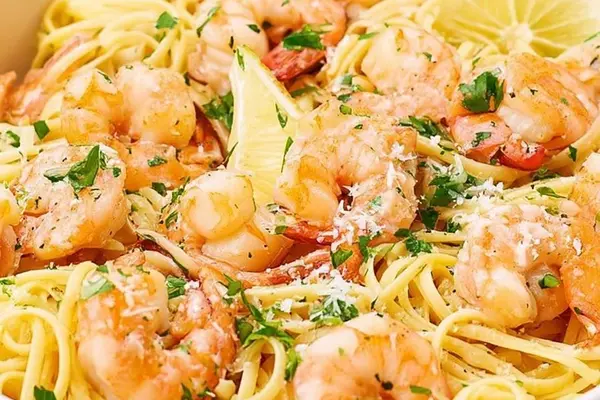
Shrimp Scampi Recipe with Vermouth & Lemon
By Emma
Certified Culinary Professional
·
Recipe tested & approved
Shrimp scampi made with butter, garlic, and dry vermouth over linguine. Fresh lemon zest brightens this elegant 20-minute seafood pasta dinner for four.
Prep:
12 min
Cook:
14 min
Total:
26 min
Servings:
4 servings
Shrimp hits the pan and immediately curls. Pasta water steams in the background. Vermouth goes in, smells like you’re cooking something real. 26 minutes total and dinner’s actually done.
Why You’ll Love This Shrimp Pasta
Takes 26 minutes. Linguine and tagliatelle both work fine. Actual seafood dinner on a weeknight, no complicated steps.
The vermouth makes it different from regular scampi — herbaceous instead of just buttery. Lemon zest stays bright. Better than juice actually.
Works cold the next day if you have leftovers. Probably won’t though.
Easy dinner that feels like you tried.
What You Need for Shrimp Pasta with Vermouth and Garlic
Linguine or tagliatelle. Eight ounces. Matters that it’s one of those two — the shape holds the sauce differently.
Unsalted butter. Three tablespoons. Not oil. The pasta water needs to emulsify into something smooth. Salted butter messes that up.
One medium shallot, diced fine. Not onion. Shallots are milder, dissolve into the sauce instead of staying chunky.
Garlic. Three cloves, minced. Not sliced. Minced means it disappears into the vermouth.
Fifteen to twenty large shrimp. Peeled and deveined already if you can find them. Raw, not frozen. Frozen works but they release water and the sauce gets thin.
Half a cup of dry vermouth. Dry white wine works if vermouth’s not there — but watch the reduction. Acidity’s different.
Sea salt. Crack your own black pepper. Lemon zest from one lemon — a microplane if you have it. Just the zest. No pith.
Red pepper flakes optional. Use them if you want heat.
How to Make Easy Shrimp Pasta Linguine
Get water boiling first. Salt it heavily. Linguine goes in and stays there 9-11 minutes depending on the box. Bite it every couple minutes starting at 8. You want it cooked but still got slight resistance when you bite. Not crunchy. Not mush. In between.
While it’s going, large skillet over medium heat. Butter goes in and you wait. Watch the edges bubble. Not browning. Once it smells slightly nutty and the edges are foaming a little, you add the shallot.
Stir it. Two and a half minutes. Keep stirring so it softens all the way through without getting brown. Brown shallots taste bitter and ruin everything. You’ll feel it when it’s right — goes kind of slack in the pan.
Garlic in. Stir for 45 seconds. That’s it. Garlic burns faster than you think.
How to Get Shrimp Scampi with Vermouth Actually Cooked Right
Lay shrimp flat in a single layer on the pan. It should hiss immediately. If it doesn’t hiss, your heat isn’t hot enough.
Two minutes. Then flip. You’ll see pink starting on the edges before you flip. Flip everything at once if you can, but they don’t all cook at the same speed so don’t stress about it.
Three to four and a half minutes total. They curl tight when they’re done. If they’re rubbery when you bite one, they’ve been in too long. Shrimp get tough fast.
Vermouth pours in. Listen for the sizzle. It sounds like the pan’s angry for a second. That’s right. Fifty seconds of reduction — the alcohol cooks off but the herbal flavor stays. The sauce should smell like herbs and wine and butter, not like rubbing alcohol.
Heat off. Pasta drains — keep some of the starchy water in a mug. Pasta goes straight into the shrimp pan. Toss it all together vigorously so the sauce coats everything. It’ll look dry at first. Pour in pasta water slowly. A little at a time. You’re looking for it to coat the pasta without pooling at the bottom.
Shrimp Scampi Pasta Tips and Common Mistakes
Pasta water is the secret. That starch makes the butter emulsify into something smooth instead of greasy. Don’t skip it.
Lemon zest, not juice. Juice waters everything down and makes it sour. Zest is bright and aromatic and doesn’t dilute the sauce. More vibrant actually.
Pat shrimp dry before they hit the pan. If they’re wet they’ll steam instead of sear. Water in the pan means thin watery sauce.
Shallot matters. White onion doesn’t work here. Red onion’s too sweet. Shallot has something going on that fits.
Don’t let the garlic brown. Thirty seconds more and it tastes burnt. You know it when it happens.
Vermouth or white wine — both work. Vermouth’s drier and more herbal. White wine’s slightly fruity. Either one. Just reduce it.
Shrimp Scampi Recipe with Vermouth & Lemon
Prep:
12 min
Cook:
14 min
Total:
26 min
Servings:
4 servings
Ingredients
- 8 ounces linguine or tagliatelle pasta
- 3 tablespoons unsalted butter
- 1 medium shallot, finely diced
- 3 garlic cloves, minced
- 15-20 large shrimp, peeled and deveined
- 1/2 cup dry vermouth (substitute dry white wine if needed)
- Sea salt as needed
- Fresh cracked black pepper to taste
- Zest of 1 lemon (instead of juice)
- Optional: pinch of red pepper flakes for heat
Method
- 1 Start pasta in boiling salted water; cook until firm but cooked through—test often by biting; no mush, slight resistance. Drain but keep some pasta water for sauce adjustments.
- 2 While pasta cooks, melt butter over medium heat in large skillet. Wait for bubbling edges, not browning.
- 3 Add diced shallots; stir continuously for 2 1/2 minutes until translucent, soft but not browned. Patience prevents bitterness.
- 4 Toss in garlic; stir 45 seconds until aromatic. Overcooking burns garlic fast—watch closely.
- 5 Quickly add shrimp in single layer; hear them sizzle immediately. Flip after 2 minutes when pink starts showing on edges. Cook total 3 to 4 1/2 minutes until shrimp curl tightly but stay tender. If shrimp toughen, they’re overdone.
- 6 Pour in vermouth. Listen for sizzle; reduce for about 50 seconds so alcohol cooks off but flavor remains herbaceous. Use white wine if vermouth unavailable, but carefully reduce as acidity varies.
- 7 Turn off heat. Drain pasta if not done. Add pasta directly to sauce; toss vigorously to coat evenly. Add reserved pasta water slowly if sauce looks dry or clumpy.
- 8 Plate immediately. Finish with sea salt, black pepper, and sprinkle lemon zest for aromatic citrus punch—more vibrant than liquid lemon. Optional red flakes add dimension.
- 9 Serve hot. If shrimp release water, pat dry before cooking to avoid sogginess. Extra butter helps smooth texture but don’t overdo or sauce becomes heavy.
Nutritional information
Calories
350
Protein
25g
Carbs
40g
Fat
14g
Frequently Asked Questions About Shrimp Pasta with Vermouth and Garlic
Can I use frozen shrimp for this easy shrimp pasta dinner? Thaw them first and pat them really dry. Frozen shrimp release more water than fresh. Drains the sauce out. Not worth it.
How long does shrimp scampi pasta keep in the fridge? Three days, maybe four. Reheats okay on low heat with a splash of pasta water. The shrimp toughen a bit but it’s still good.
What if I can’t find vermouth — can I make shrimp pasta with white wine instead? Yeah. Reduce it more though. White wine’s sharper and more acidic. Fifty seconds might not be enough. Go longer until it smells like wine and herbs, not just wine.
Do I need tagliatelle or does linguine actually work? Both work the same. Linguine’s thinner so it seems lighter. Tagliatelle’s wider so it holds more sauce. Pick whichever.
Should I serve this garlic butter shrimp linguine with anything? Bread to soak up the sauce. Nothing else. Green salad works too but honestly the pasta’s enough.
Why lemon zest instead of lemon juice for the shrimp scampi pasta topping? Juice dilutes the sauce and makes it tangy instead of bright. Zest stays concentrated. Hits harder.
You’ll Love These Too
Explore all →
Brownie Buckeyes with Peanut Butter
Herb Lamb Lollipops with Romesco Sauce
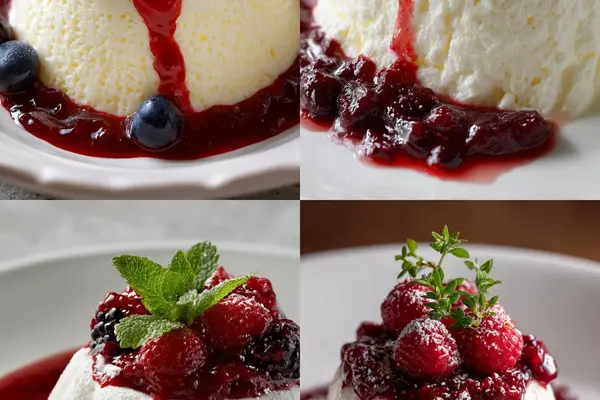
Ricotta Cream Heart with Lemon & Maple

Lenten Brioche with Apricots and Raisins
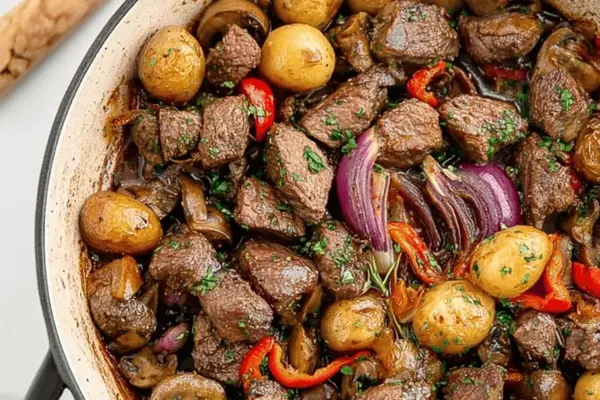
Beef Stir Fry with Potatoes and Mushrooms

Making Sugar Cookies with Cake Flour
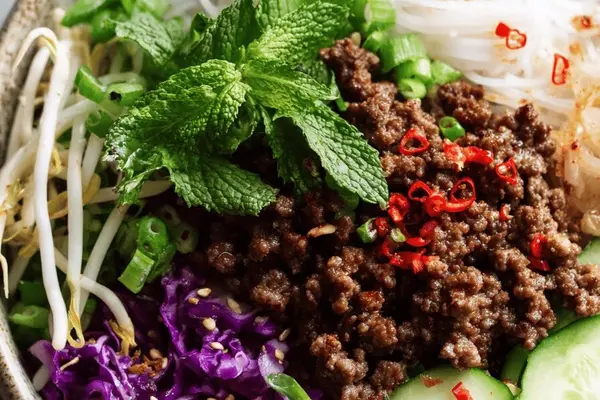
Hamburger Beef Pasta with Ginger & Lime
Chocolate Covered Kiwi with Dark Chocolate

Celery Cheese Shooters with Cheddar & Walnuts
Chocolate Mint Profiteroles with Whipped Cream
Porcini Sauce for Roasted Veal Rack
Chicken Tortilla Soup with Crispy Tortilla Strips
Grilled Chicken Breasts with Honey Soy Marinade

Lemon Souffle Pancakes with Blueberry Syrup
Rhubarb Almond Bostocks with Pistachio
BBQ Chicken Marinade with Smoked Paprika
Rocket Chicken Spätzle with Shiitake
Honey Mustard Dressing Recipe

Mojito Recipe with Raspberry Mixer