Simple Peanut Cookies
E
By Emma
Certified Culinary Professional
•
Recipe tested & approved
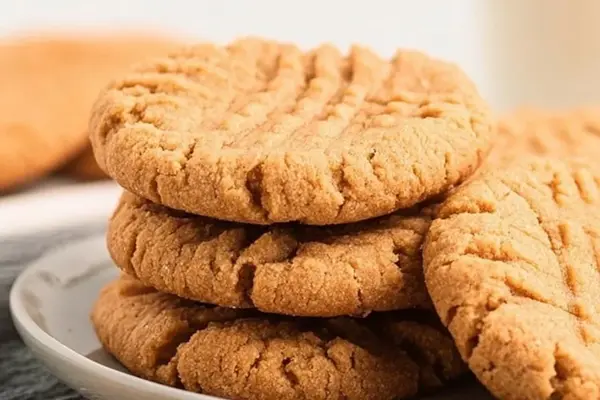
Fewer ingredients, quick mixing, sneak a hint of honey in place of brown sugar. Eggs beaten lightly to keep texture tender. Fork presses form that iconic crisscross pattern, essential for even spreading and baking. Oven heat invites edges to brown, the telltale sign the cookie’s ready. Cool slightly on pan, firm but soft inside. Store airtight if you want them longer. Nutty, sweet, no fuss. Substitutes like natural peanut butter or almond butter change texture and flavor subtly. Watch carefully to avoid dry edges or underdone middles.
Prep:
6 min
Cook:
8 min
Total:
14 min
Servings:
12 servings
#baking
#cookies
#peanut butter
#quick recipes
#no flour
Before You Start
Three ingredients only. No nonsense, straightforward. Peanut butter, sweetener, egg. I switched brown sugar with honey this round—keeps moisture, adds subtle floral tone, changes chewiness slightly. Tried natural peanut butter first; made cookies crumbly, lost that comforting melt-in-mouth factor. Creamy or chunky, your call but creamy works best here. Spacing on the tray is crucial; these spread thin and flat otherwise. Fork pressing is not just decoration, it’s functional. Makes the bake even, controls thickness. Heat cues are more reliable than timers—I learned this the hard way when biting an underbaked cookie, gooey in the center but raw dough flavor. Cool properly or they’ll fall apart. No chilling required unless using different peanut butter. No fillers, no flour needed. Love how fast they come together and that aroma wafts through your kitchen—the unmistakable scent of roasted peanuts mixed with gentle sweetness.
Ingredients
- 1 cup creamy peanut butter
- 3/4 cup honey
- 1 large egg
In The Same Category · Desserts
Explore all →
Pumpkin Mousse Pie Remix
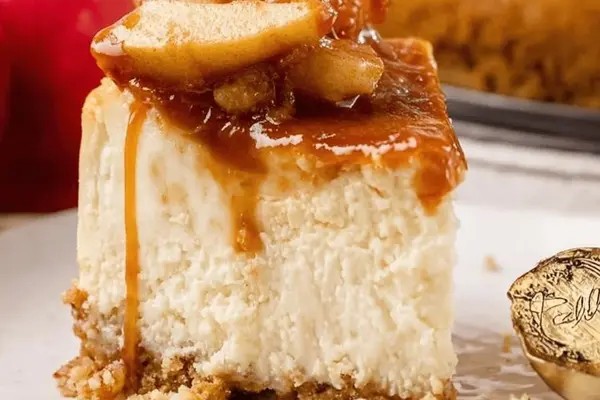
Caramel Apple Cheesecake
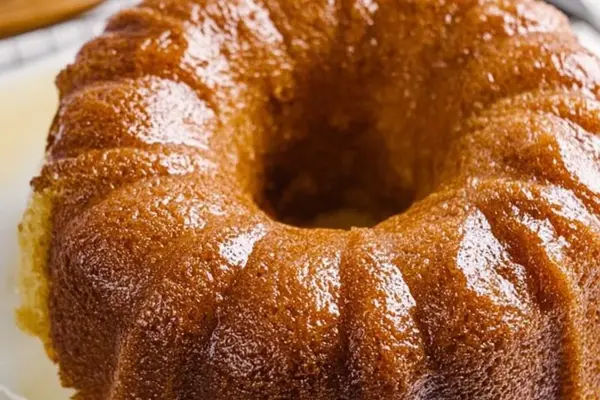
Kentucky Butter Cake
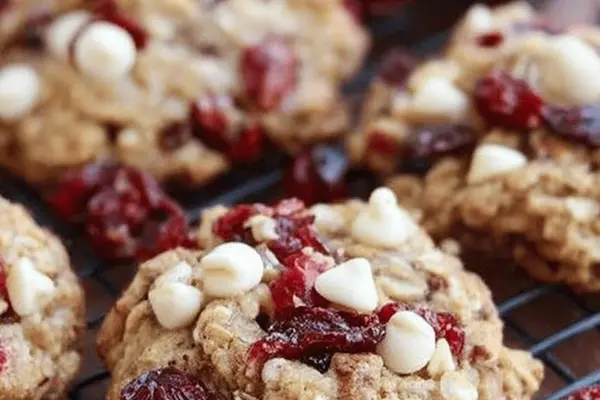
White Chocolate Cranberry Oatmeal Cookies
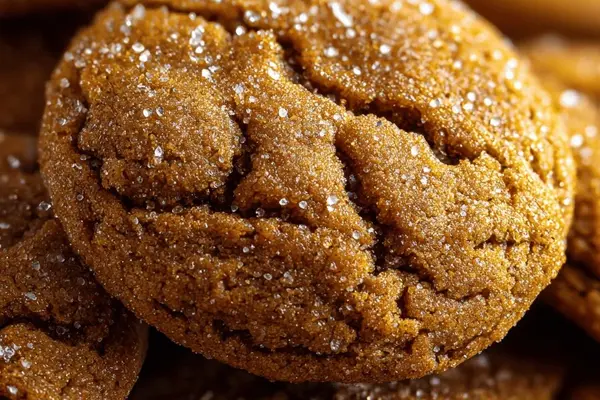
Molasses Banana Cookies
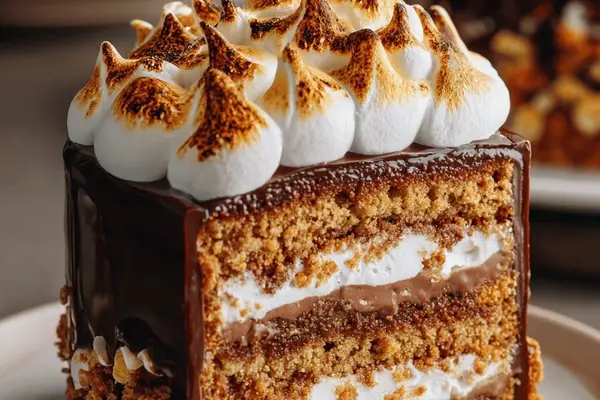
S'mores Cake Remix
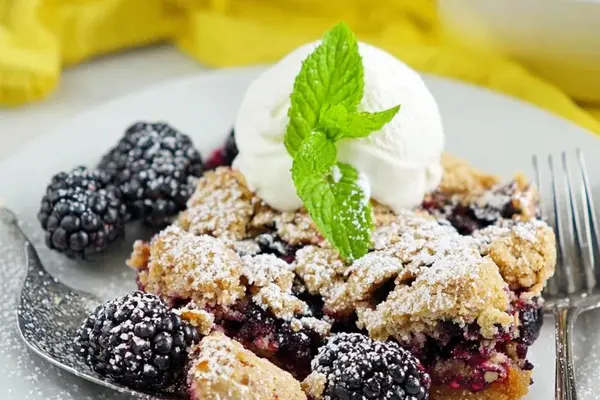
Blackberry Buckle Twist
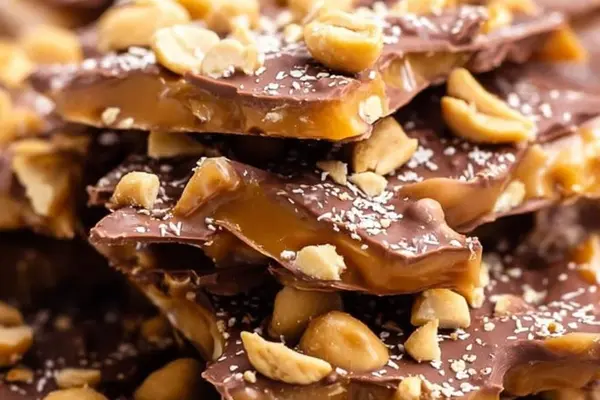
Chunky Peanut Toffee Bark
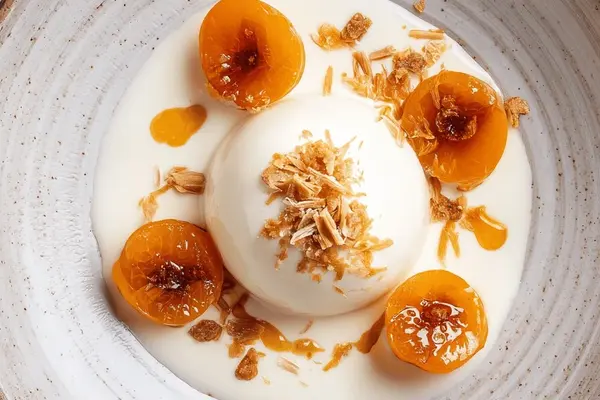
Sweet Ricotta with Honey Cinnamon
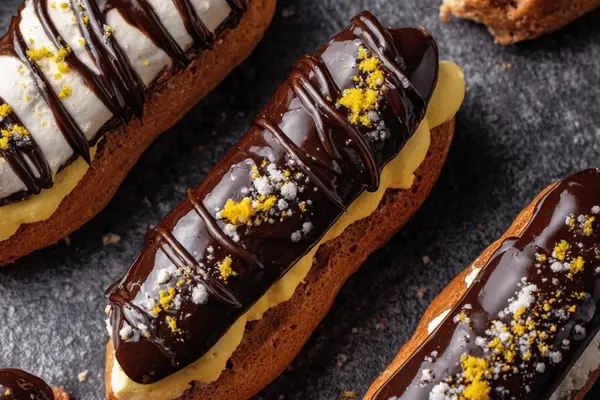
Double Chocolate Éclairs
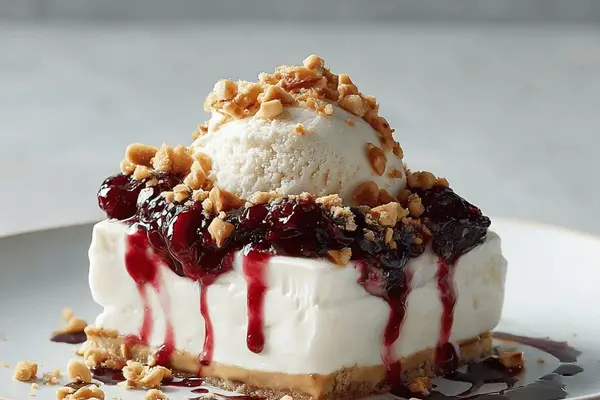
Peanut Butter Jelly Sundaes
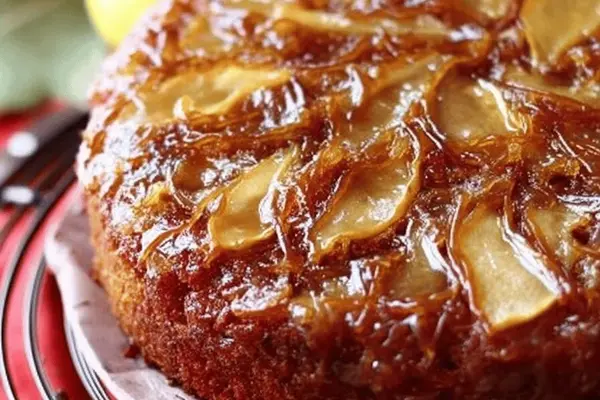
Caramel Apple Upside Cake
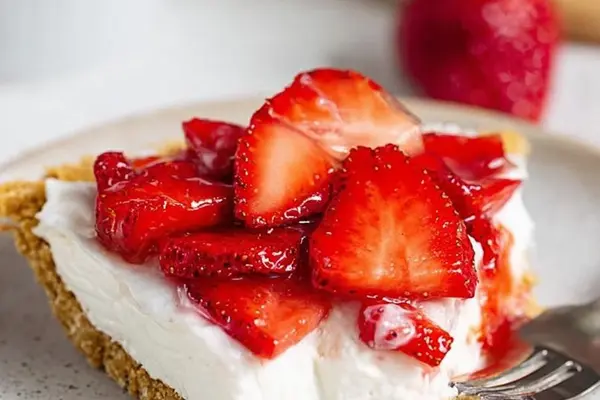
No-Bake Strawberry Cream Pie
Maple Cheesecake Candied Bacon
Spiced Vegan Chai Crème Brûlée
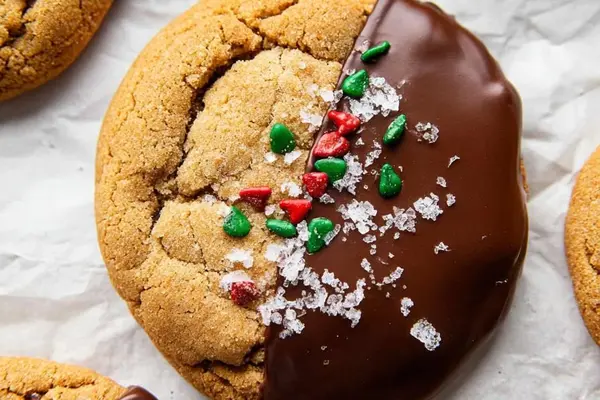
Chewy Peanut Butter Cookies
New Year Vasilopita Cake
Cheesecake with Fruity Sauce
Lemon Butter Frosting Remix
Vanilla Custard Pie
About the ingredients
Honey replaces brown sugar with a small trade-off: adds moisture and subtle flavor but makes dough stickier and baking times shift slightly. Creamy peanut butter preferred; natural versions may separate or cause dry crumbs. Egg binds but overbeating leads to dense cookie; mix just until blended to keep air. For allergy substitutions, almond or cashew butters are creamy, flavor differs notably but keep ratios. Greasing the fork is a key trick prevents stickiness when stamping shapes. Try half peanut, half tahini for a nutty exotic twist. Standard granulated sugar can work but texture changes, lose that chewy richness. Adjust consistency with a teaspoon of flour or oats in case dough seems too loose or wet. Always line baking sheets to stop sticky bottoms and burnt edges.
Method
PREP
- Heat oven 350 F give it time to steady not just blasting hot. Line a baking sheet with parchment paper nice and smooth. Reduce potential sticking, clean up easier.
MIX
- In a large bowl, spoon peanut butter and honey. Use a hand mixer or sturdy spoon. Beat medium-high speed—2 1/2 minutes this time to ensure honey fully incorporates. Creamy, shiny surface signals ready. Egg next; break it whole and pour in, then stir or beat on low briefly. Just until no more streaks or clumps. Overmixing ruins texture, leads to dense cookies.
SHAPE
- Scoop dough: Tablespoon-sized balls, but I prefer slightly rounded for uniform baking. Dough’s sticky but firm. Grease your fork (butter or cooking spray) before pressing. Do it twice in crisscross pattern, birds-eye on shape and even spread out. Press too hard—cookies turn tough. Too loose—lose shape. Precision counts.
BAKE
- Slide cookie sheet into oven center rack. Check after 8 minutes—edges start browning, look slightly dry or matte, middle soft but not runny. That subtle pull back from parchment, visual shrinking cues. Oven temps vary; trust eyes more than clock. Undercooked? Leave 1 to 2 minutes more but watch closely or risk burning.
COOL
- Let cookies rest on sheet for 2 to 3 minutes. Still fragile warm but beginning to set. Removing too soon breaks them. Then transfer to cooling rack to avoid sogginess. Cookies firm up more selectively. Store airtight, room temp, lasts days without losing that chewiness or flavor. Freezing works but slightly changes texture over time.
Cooking tips
Oven temperature stability is vital; preheat well, 350 F is sweet spot but watch edges of first batch for browning to judge your oven’s quirks. Parchment paper or silicone mats prevent mess and burning. Beat peanut butter and honey at medium-high speed until mixture gets a glossier appearance, signaling even blending; rushing leads to uneven texture. Just in goes the egg; low-speed mixing to fold gently preserves fluff. Uniform scoops assure consistent bake; size dictates spread and cook time. Fork pressing twice creates crevices for heat to reach inside, avoid raw centers. Bake until edges turn light brown and top seems set but still soft, roughly 7-9 minutes. Immediate cooling on pan for a couple of minutes prevents cracking when moving. Cooling rack prevents condensation. Airtight stash keeps cookies chewy, refrigerated storage prolongs freshness but hardens texture — bring to room temp before serving. Some people add pinch of salt to balance sweetness, but note this alters flavor profile slightly.
Chef's notes
- 💡 Honey swaps for brown sugar add moisture but make dough sticky. Scoop balls neat; sticky dough means fork must be greased well else sticks. Press light but twice across, creates texture and controls spread. Dough can be loose; adding a teaspoon flour or oats saves shape without drying.
- 💡 Heat oven fully preheated to 350 but watch edges browning on first batch. Oven temps vary wildly; look for dull matte edges and slight pull-back from parchment paper. Don’t rely solely on timers. Internal softness should remain slight, not runny, or risk underbake.
- 💡 Mix peanut butter and honey at medium-high speed until shiny, creamy. Then low-speed beat egg in gently; overmix toughens cookies fast. Texture depends on beating intensity. Clumps mean mix more but no overdo. Chunky peanut butter works but changes chew feel; creamy safer for uniform texture.
- 💡 Don’t skip parchment or silicone mats. Sticky bottoms and burnt edges turn up without lining. Cooling on sheet few minutes first firms outside. Moving too soon breaks shapes. Transfer to rack after to stop sogginess from trapped steam, keeps soft chew inside.
- 💡 Substitutions common: almond or cashew butter changes flavor and crumb. Half peanut, half tahini creates earthy tones; moisture adjusts baking time. Natural peanut butter tends to separate fats leaving crumbly cookies, adjust mix or baking time accordingly depending on brand and texture.
Common questions
Can I use brown sugar instead of honey?
Yes but dough less sticky. Brown sugar dries dough more, changes cookie chew. Bake times little shorter often. Honey adds moisture, floral notes but sticky mix tricky. Both work; texture shifts.
Why are my cookies too soft or raw inside?
Oven temp not steady? Watch edges not just time. Underbake means softer center but raw taste. Use fork press marks for heat to penetrate better. Let cookies rest before moving. Overmix egg makes dense tough cookies.
How to store cookies so they keep chewy?
Airtight jar room temp best few days. Freezing works but texture changes; cookie hardens then softens on warming. Refrigerate makes firm but long storage. Avoid humid spots or cookies dry fast or grow soggy with moisture.
What’s the best peanut butter type?
Creamy preferred for uniform mix. Natural types split oil, crumbly. Chunky okay but chunk bits change texture. Some brands require stirring oil back in before measuring. Adjust mix speed and timing accordingly or dough won’t hold well.
You’ll Love These Too
Explore all →
Creamy Quick Polenta Twist

Crunchy Beef Walking Taco
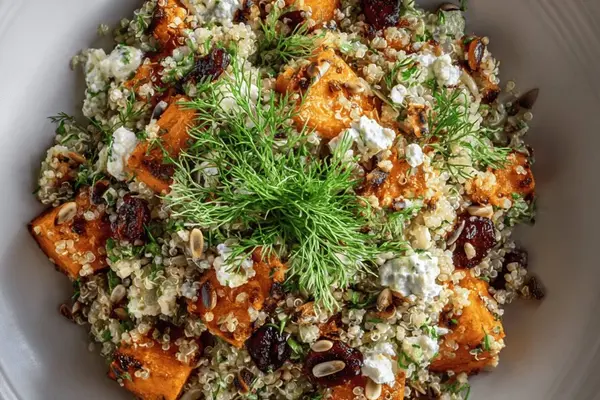
Sweet Potato Taboulé Twist
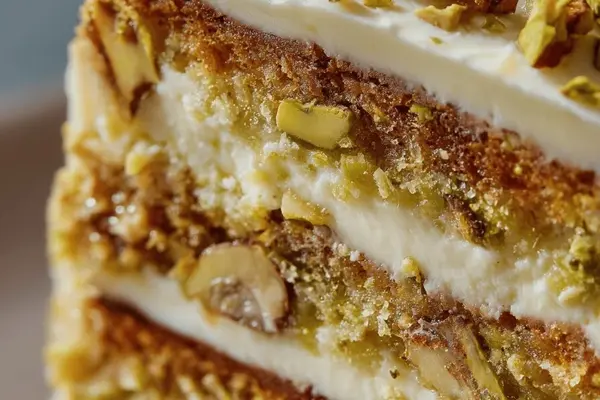
Twist Pistachio Cake

Zesty Ginger Citrus Syrup
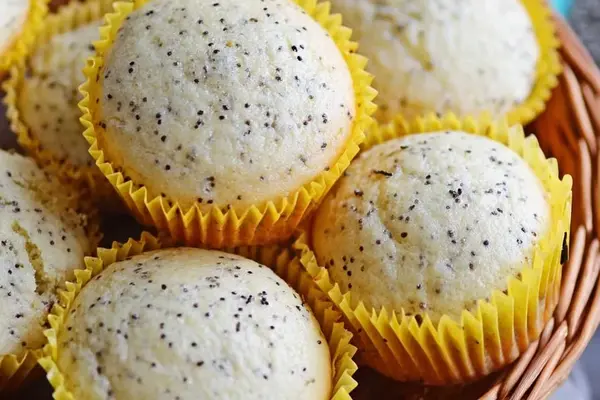
Lemon Poppy Muffins Twist
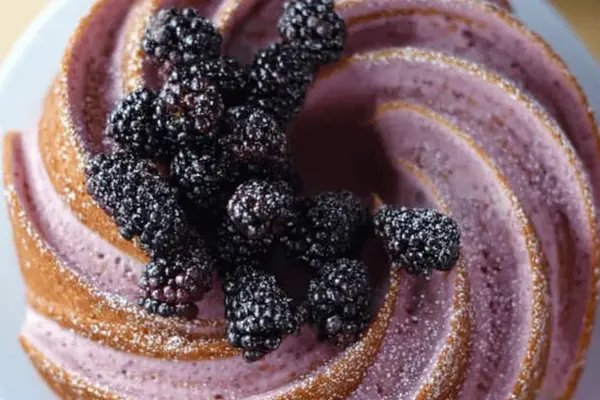
Blackberry Ginger Bundt
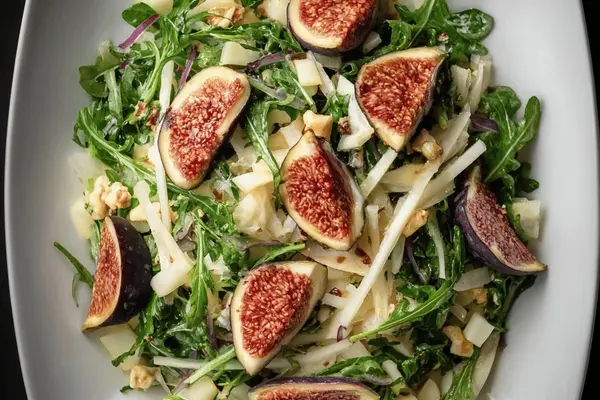
Kohlrabi Apple Salad Remix
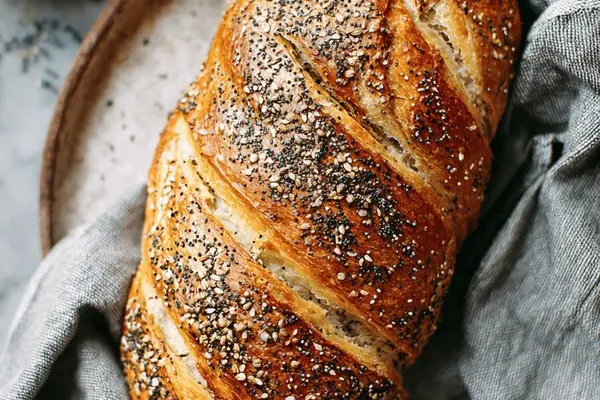
Seeded Ciabatta Twist

No Bake Horse Cookies
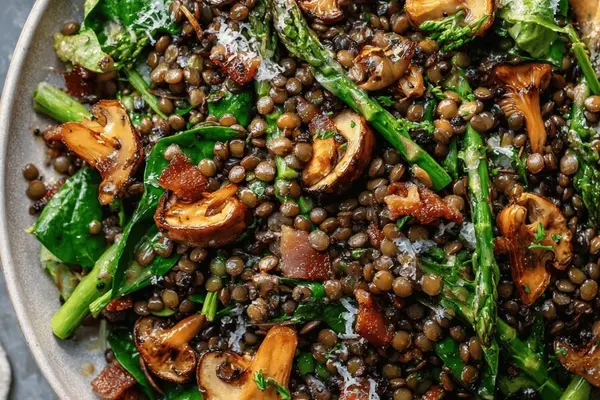
Spinach Lentil Asparagus Salad
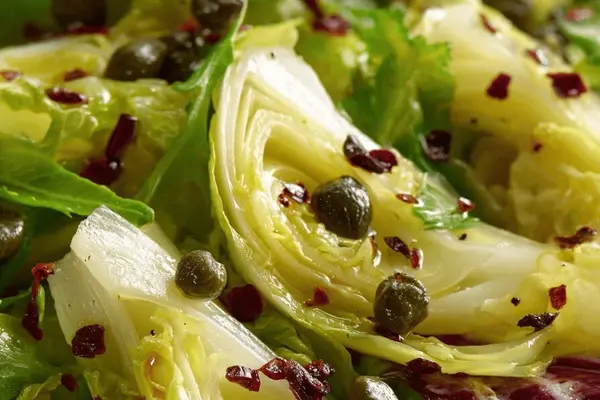
Roman Chicory Salad
Date Tart Remix
Holly Jolly Jello Shots Remix
Caramel Banana French Toast
Coconut Pecan Balls
Mixed Vinaigrette Varieties
Twisted Classic Meatloaf

Spiced Thai Seafood Soup

Coconut Cream Pie Bites