Slow Braised Pork Chops
E
By Emma
Certified Culinary Professional
•
Recipe tested & approved
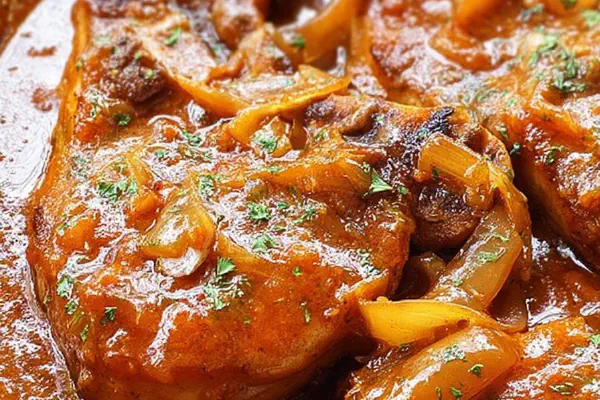
Sear pork chops browned well on each side. Cook onions low and slow till sweet and caramelized. Garlic, fresh herbs, and a touch of spice mingle with tomato paste and broth to form a rich braising liquid. Apple cider and honey add subtle acidity and sweetness but can skip or swap for maple syrup. Finished in the oven or stove-top gently reduces liquid until pork tender and juicy, clocks 145°F internal temp for perfect doneness.
Prep:
15 min
Cook:
50 min
Total:
65 min
Servings:
4 servings
#pork
#braising
#slow cook
#American cuisine
#comfort food
Before You Start
Braising pork chops slow. Searing first locks flavor and texture. Onions caramelized slow bring sweet depth. Garlic and thyme punch through with earthy heat. Tomato paste thickens and colors the sauce. Cumin adds a subtle warmth; not enough to overpower. Apple cider or dry wine kicks brightness with honey balancing acidity. Low and slow is key here—don’t rush. Watching liquid bubble and shrink is a satisfying sign. Pork tenderness measured by feel and the thermometer’s beep. Found searing chops right prevents rubbery bites—trust that crust. Oven or stove both good; I prefer oven for hands-off control. Sauce cling-y, luscious, coats each bite. Simple swap the apple cider for white wine or cider vinegar to change profile without losing soul. Cook times flexible; sensory cues more important than clock watching. Experienced this with bone-in chops, meat stays more moist. This method beats frying for juicy, rich meat every time.
Ingredients
- 4 pork chops about 1 inch thick
- Salt and black pepper to taste
- 2 tablespoons olive oil or avocado oil
- 2 medium onions sliced thin
- 3 garlic cloves minced
- 1 teaspoon fresh thyme leaves or ½ teaspoon dried thyme
- 1 tablespoon tomato paste
- 1 teaspoon ground cumin
- 1 ½ cups chicken broth or bone broth
- ½ cup apple cider or dry white wine
- 1 tablespoon honey or pure maple syrup
In The Same Category · Main Dishes
Explore all →
Smoky tomato tuna sauce
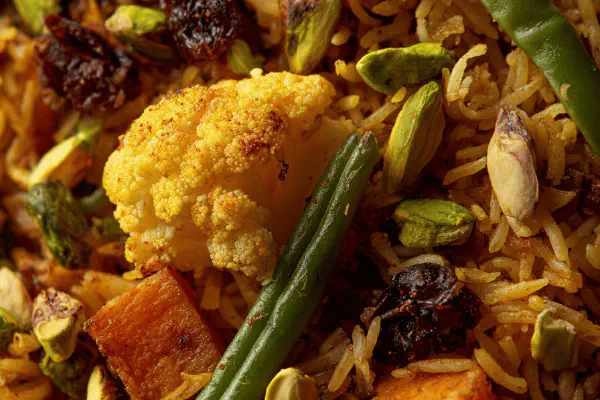
Cauliflower Pistachio Biryani
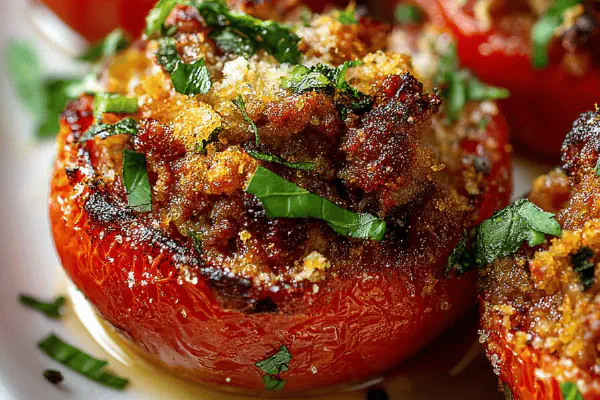
Sausage Roasted Tomatoes

Asian Noodles with Peanut Sauce
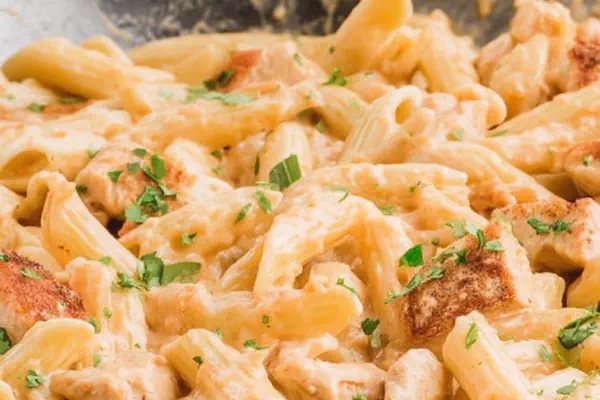
Spicy Creamy Chicken Penne
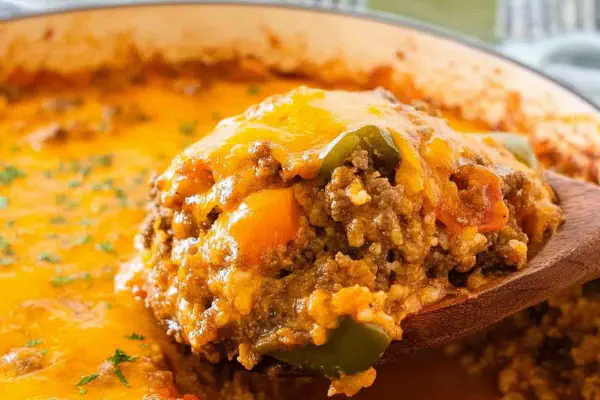
Stuffed Pepper Skillet Bake
Beer Honey Turkey Injection
Pan-Seared Haddock Spinach Ravioli
Spicy Four-Bean Crockpot Chili
Stuffed Chicken Fruit Cake Twist
Chunky Short Rib Chili
Chicken Pot Pie Twist

Crunchy Sesame Chicken Remix

Chicken Pot Pies in Ramekins
Two-Bean Spicy Chili
Cabbage and Beef Layers
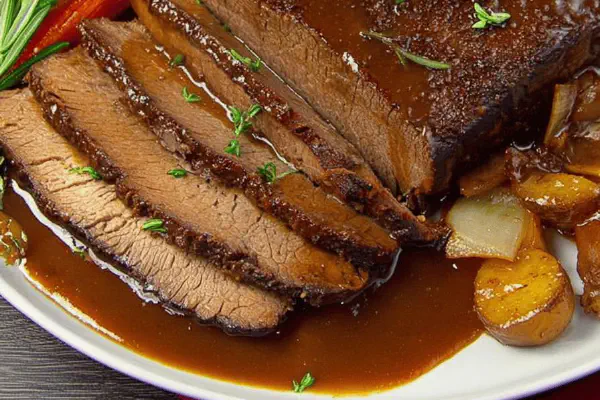
Slow Braised Brisket

Jalapeno Popper Chicken Pasta
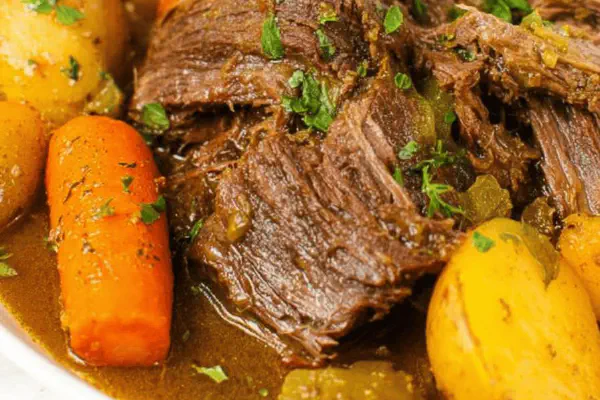
Slow Braised Pot Roast
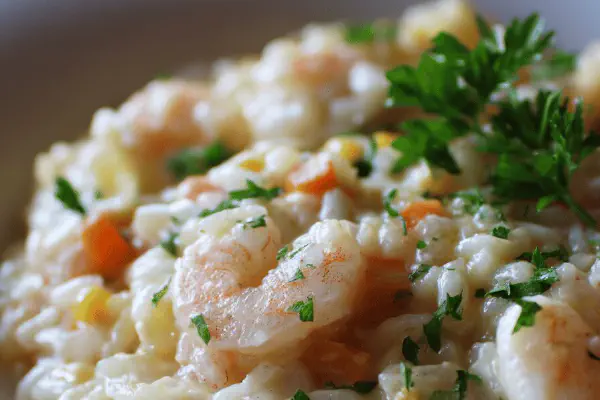
Shrimp Corn Risotto
About the ingredients
Pork chops: Choose bone-in for moister results, boneless if pressed for time but expect slightly less depth. Oil: Olive or avocado works best for high heat sear; skip butter at this stage, will brown too fast. Onions: Yellow or sweet onions caramelize beautifully, avoid white onions which cook too fast and taste sharp. Garlic: Fresh minced for punch, garlic powder won’t substitute here. Thyme: Fresh best but dried a good pantry standby. Tomato paste: Provide umami—don’t swap out for ketchup or sauces. Cumin: Adds warm earthiness, can be replaced with smoked paprika if desired for smoky notes. Broth: Homemade or store-bought chicken or bone broth add richness; water is fallback but less flavorful. Apple cider: Adds brightness and delicate acidity; dry white wine or cider vinegar diluted with water work fine alternatives. Honey: Brings balance and slight glaze; pure maple syrup works, skip if avoiding sweetness. All ingredients about balancing savory, sweet, and acidic to layer flavors thoughtfully.
Method
- Heat oven to 410F to compensate for slight longer cooking in braise
- Pat pork chops dry to avoid steaming instead of searing; season both sides with salt and pepper liberally
- Heat oil in large heavy skillet—cast iron best—medium-high heat until shimmer, not smoking
- Place chops in single layer, no crowding, sear about 2 ½ to 3 minutes per side, edges golden, crust forming, resist moving them
- Transfer chops to a warm plate, cover loosely with foil to keep juices trapped
- Lower heat to medium; add sliced onions, cook slowly, stirring often, about 7 to 12 minutes until translucent and rich golden-brown with some softly charred edges
- Add garlic, thyme, tomato paste, and cumin; stir constantly for about 90 seconds to awaken spices, smell that earthiness developing
- Pour in broth plus apple cider and honey, scraping browned bits off pan bottom—those brown bits are flavor bombs—bring to quick simmer
- Nestle pork chops back into skillet, pressing gently into liquid but only partially submerged to avoid stewing
- Transfer skillet to oven uncovered; cook 40 to 55 minutes until broth reduces at least half and pork registers 145F internal temp; check around 40 minutes to avoid dryness
- Alternatively, cover skillet and simmer gently on stove over low heat for same duration, stirring once mid-way
- If sauce reduces too quickly and risks burning, add splash more broth or water
- Rest pork chops tented for 5 minutes before serving to let juices redistribute
Cooking tips
Start by heating the pan and searing pork chops dry for best crust—wet pork steams, no crust. Listen for sizzle. Don’t overcrowd pan; chops need space to brown properly. Transfer chops to keep warm, avoid overcooking. Caramelize onions low and slow till golden to coax out natural sugars, you’ll smell sweet, rich aroma, faint bubbling signals ready for next step. Adding garlic and tomato paste wakes up flavors but don’t burn garlic or it turns bitter. Deglaze with broth and cider, scrape bottom meticulously to extract every brown bit—this is sauce glue and flavor base. Return chops nestled in liquid, do not drown them—partial submersion gives braising steam heat and renders fat slowly. Oven method frees up stove space, slower heat more even; stove-top covers quicker monitoring but risk hot spots. Watch liquid reduce, bubbles become slower and thicker—sauce clings to a spoon rim, pork jiggles tender but holds shape. Use meat thermometer mid-way to avoid drying. Resting chops before cutting helps juices settle, prevents dry ends. Sauce leftovers perfect spooned over veggies or mashed potatoes.
Chef's notes
- 💡 Dry chops thoroughly before searing. Moisture kills crust. Use oil with high smoke point. Olive or avocado best. Heat pan screaming hot but not smoking. Sear chops without moving till edges caramelize golden brown. That crust locks juices inside; skipping this means rubbery meat.
- 💡 Onions need low and slow. Don’t rush caramelization. Stir often, watch edges gently darken, sweet smell signals ready. If onions burn black, flavor turns bitter. Add garlic and spices only when onions soft and translucent, garlic burns fast, ruins taste if added too early.
- 💡 Scrape browned bits off pan bottom when adding broth and cider. Those bits hold deep flavor and dark color for sauce. Use liquid to loosen, stir constantly. If liquid boils too fast, lower heat, else sauce will scorch and taste bitter. Gentle simmer means sauce thickens and tastes rich.
- 💡 Partial submersion of chops in braising liquid crucial. Fully submerged chops stew rather than braise, lose texture. Keep chops nestled touching pan surface. Press down gently but avoid drowning; steam and liquid combo slowly breaks down connective tissue without mushiness.
- 💡 Temperature matters. Oven heat gives even cooking but requires closer time watching near end, liquid should bubble slowly, reduce at least half. Meat temp 145F gives tender chops, checking mid-way prevents drying out. Rest chops tented 5 minutes; juices redistribute, slice juicy.
Common questions
Why dry chops before searing?
Moisture kills crust fast. Dry chops make oil sizzle. Better crust seals juice. Skip drying, chops steam not brown. More water in pan means no caramelization.
Can I swap apple cider?
Sure. Dry white wine or diluted cider vinegar works. Changes brightness level slightly but still acidic. Honey can switch with pure maple syrup. Adjust sweetness if skipping sweetener.
Sauce burning on stove?
Lower heat right away once bubbling speeds up. Add splash broth or water. Stir often. Avoid high heat. Burned sauce bitter and ruins dish. Slow simmer avoids this.
How to store leftovers?
Chill in shallow airtight containers. Keeps few days. Reheat gently. Avoid microwave overheating or chops dry fast. Sauce thickens, add broth to loosen when warming.
You’ll Love These Too
Explore all →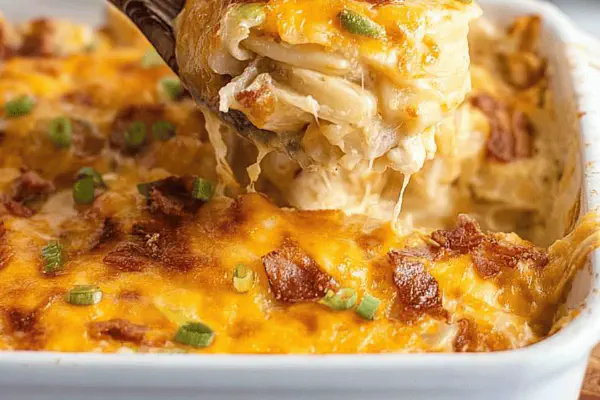
Pierogi Kielbasa Bake

Lemon Raspberry Tart
Crispy Sesame Chicken Drums
Crunchy Creamy Potato Gratin
Greek Yogurt Strawberry Dip
Pumpkin Spice Pancakes Twist

Chicken Stuffed Taquitos

Rhum Glazed Raisin Sablés

Caramel White Chocolate Tangerine Tart
Quick Pickled Carrots

Zesty Lemon Royal Icing
Creamy Butter Wine Sauce

Layered Grapefruit Gin
Apple Biscuit Monkey Bread
Strawberry Cheese Pie Remix

Donut Chicken Sampler

Crab Cake Egg Rolls Remix
Beet Pomegranate Sorbet Twist

Eggnog Chai Cheesecake

Citrus Twist Syrup