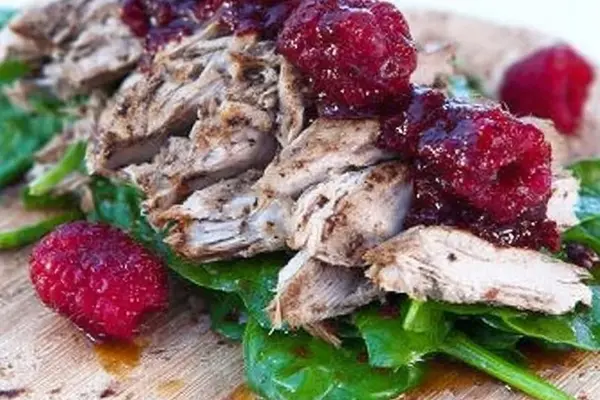
Slow Cooker Pork Tenderloin in Chianti
By Emma
Certified Culinary Professional
·
Recipe tested & approved
Slow cooker pork tenderloin braised in Chianti with shallots, thyme, and beef broth. Tender, flavorful meat with a rich wine sauce ready in hours.
Prep:
15 min
Cook:
5h 15min
Total:
5h 30min
Servings:
4 servings
Pat it dry first — that’s the only thing that matters for flavor. One pound and a half of pork tenderloin going into the slow cooker with red wine, shallots, thyme. The whole thing takes five and a half hours total, but most of that is sitting there while you do literally nothing else.
Why You’ll Love This Slow Cooker Pork
Comes out fall-apart tender without a sear pan — just meat and time. One pot. No stovetop monitoring. Wine sauce that tastes like you spent two hours on it. Actually five hours, but barely awake for any of it.
Italian herbs do the work. Shallots get soft and sweet instead of sharp. The jus is good enough to pour over everything else you’re eating that night.
Easy dinner. Weeknight proof. Kid-friendly without tasting boring.
Slow Cooker Italian Pork with Chianti and Aromatics
Pork tenderloin — one and a half pounds. Pat it with paper towels until it’s dry. Season all sides: two teaspoons kosher salt, three-quarters teaspoon fresh cracked black pepper, two teaspoons dried thyme. That’s it for the meat.
One medium onion. Slice it thick — like half-inch chunks. You want it to stay onion-shaped, not dissolve into the liquid.
Three fresh shallots, peeled and halved. Not garlic powder. Shallots are softer. Fresher. They won’t make the broth taste sharp.
One cup of Chianti — a bold red wine. Merlot works if Chianti isn’t there. Don’t use cheap stuff. It matters.
One cup low sodium beef broth. Maybe more if things get too thick later.
Two bay leaves. Two tablespoons olive oil.
Optional but good: one sliced roasted red pepper in the last hour. Adds sweetness. Cuts the wine’s edge.
How to Make Braised Pork Tenderloin in Red Wine Sauce
Layer the onion and shallots on the bottom of your slow cooker. Just toss them in loose. Lay the pork on top of everything.
Pour the wine over gently. Then the broth. Add the bay leaves. Drizzle the olive oil across. Don’t stir. The slow cooker does this work.
Cover and set it to low. Five hours. Maybe five and a quarter. Don’t look at it obsessively.
Check around hour five. Poke the pork with a fork. It should give when you push but not fall apart yet. If it’s still firm, leave it for another twenty, thirty minutes. Touch test wins over the timer every time.
The meat will start to pale at the edges. It shrinks a bit. You’ll smell it — wine and herbs and something sweet coming from the onions. That smell is when you know it’s close.
Pork Tenderloin Slow Cooker Tips and Common Mistakes
Don’t skip the drying step. Wet meat doesn’t absorb seasoning the same way. Takes thirty seconds.
Slice thick for the onion. Thin pieces turn into soup. You want chunks that hold their shape.
Check the liquid around hour four. If it looks super low, add a splash more broth. But usually there’s plenty — slow cookers trap moisture better than people think.
The jus — that’s the cooking liquid — will be thin. Some people like it that way. If you want it thicker, pull the pork out when it’s done, transfer the liquid to a pan on the stove, simmer uncovered for ten, fifteen minutes. Watch it shrink down. Tastes richer.
Rest the pork outside the cooker for ten minutes once it comes out. The juices redistribute. It stays juicier when you slice it.
Slice against the grain. That matters more than people realize. Makes each bite more tender.
No red wine situation? Mix grape juice with a splash of balsamic vinegar. Gets you acidity. Gets you that Italian flavor profile. Not identical but it works.
Don’t have a slow cooker? Braise it covered on the stovetop over low heat. Same timing. You’ll hear gentle bubbles. You’ll smell everything stronger. Lower risk of drying out because you can watch the liquid level.
Watch for dry pork. That’s the only real mistake here. Add broth if liquid gets low. Don’t crank the heat trying to speed things up. Slow patience is the whole point.
Easy Weeknight Pork Braise — What to Do With It
Serve the pork with the warm jus poured all over. That sauce is half the meal.
Roasted root vegetables underneath. Carrots. Potatoes. The jus soaks into them.
Plain rice takes the sauce well. Polenta. Even just bread.
Leftovers are better the next day. The flavor deepens. Freeze the jus separately or together — both work. Thaw and reheat low and slow. Never hot and fast.
Slow Cooker Pork Tenderloin in Chianti
Prep:
15 min
Cook:
5h 15min
Total:
5h 30min
Servings:
4 servings
Ingredients
- 1 1/2 pounds pork tenderloin
- 1 cup dry Chianti or substitute bold red wine like Merlot
- 1 medium onion sliced thick
- 3 fresh shallots peeled and halved
- 2 teaspoons dried thyme
- 2 teaspoons kosher salt
- 3/4 teaspoon black pepper fresh cracked
- 2 tablespoons olive oil
- 1 cup low sodium beef broth or more if liquid too thick
- 2 bay leaves
- Optional twist: 1 sliced roasted red pepper added last hour for sweetness
Method
- Preparation
- 1 Pat the pork dry with paper towels — this sets the stage for flavor absorption. Season all sides with salt, pepper, and thyme. Searing is optional but I skip it here to save time, relying on the slow cook flavor build.
- 2 Roughly slice onion thick so it doesn't dissolve into mush. Shallots swap garlic powder for a fresher, softer bite, cutting sharpness that sometimes ruins the broth.
- Slow Cooking
- 3 Layer onion and shallots in the crock pot base. Lay pork atop. Pour in wine and broth gently; don't drown the meat. Add bay leaves. Drizzle olive oil over. No stirring needed — let the crock magic happen.
- 4 Cover and cook on low for about 5 to 5¼ hours. Check meat around 5 hours: poke with fork. Tender if it yields easily but not falling apart. If still firm after 5 hours, keep covered on warm up to 30 mins more — touch test wins here.
- 5 Visual cue: edges begin to pale pinkish-gray, meat shrinks slightly, juices bubble softly at pot’s rim. Smell is intoxicating — sweet wine mingled with earthy onion and herbs.
- 6 For watery jus, remove pork when done; transfer liquid to pan, simmer uncovered on stove to thicken. Over-thick? Splash more broth.
- Final Touches and Serving
- 7 If using roasted red pepper twist, toss it in last hour; its sweetness counterbalances acidic wine beautifully.
- 8 Rest pork outside crock for 10 mins, juices redistribute. Slice against grain, pour warm jus liberally.
- 9 Jus is a small meal alone. Freeze leftovers. Or drizzle over roasted root veg.
- 10 Backup plans: No wine? Use grape juice + balsamic vinegar splash for acidity balance. No crock pot? Braise covered on stovetop at low simmer for similar timing—you’ll hear gentle bubbles and catch stronger aromas.
- 11 Watch for dry pork; add broth mid-cook if liquid low. Don’t rush by cranking heat — chewy pork is punishment. Slow patience. Trust smell and feel over clocks.
Nutritional information
Calories
320
Protein
35g
Carbs
6g
Fat
16g
Frequently Asked Questions About Slow Cooker Pork with Red Wine
Can I use a different cut of pork? Pork shoulder works but it needs six hours instead of five. Pork chops dry out. Tenderloin is the right shape for this.
What if the pork is still pink inside at five hours? Give it another thirty minutes. Slow cookers vary. Temperature doesn’t matter as much as the fork test — it should yield easily. Pink pork is fine if it’s tender.
Can I skip the wine? Not really without changing the whole thing. The wine is what makes the jus taste good. Grape juice and balsamic works if you have to. Broth alone gets boring.
How long does it stay good in the fridge? Three days. Wrapped tight. The jus keeps longer than the meat. Freeze it separately if you’re keeping it past day three.
Should I sear the pork first? Skip it. The slow cooker browns it enough over five hours. Saves a pan.
Can I add vegetables like carrots or potatoes? Yeah. They’ll be mushy after five hours but some people like that. Add them after three hours if you want them softer but not falling apart.
You’ll Love These Too
Explore all →
Slow Cooker Beef Stroganoff with Greek Yogurt

Baked Chicken Wings with Smoked Paprika

Bacon Cheese Ball with Ranch & Walnuts

Air Fryer Grilled Cheese with Mayo
Beef Masala Recipe with Ginger and Pears
Herb Butter for Turkey | Fresh Herbs
Red Wine Sautéed Vegetables with Pancetta
Lemon-Rosemary Salt Recipe with Sea Salt

Cheesy Garlic Meatball Bites with Pizza Dough

Banana Foster French Toast with Dark Chocolate
Moroccan Lamb Soup with Saffron

Red Potato Mash with Sweet Italian Sausages
Berry Salad with Vanilla Syrup Recipe

Cosmopolitan Drink Recipe with Cranberry
Pumpkin For Pie: Spiced Cake With Filling

Candy Cane Lush with Golden Oreo Crust

Duck Confit Spring Rolls Recipe

Bacon Ranch Potato Salad
Roasted Jerusalem Artichokes with Browned Butter