Slow Cooker Beef Ragu with Red Wine
By Emma
Certified Culinary Professional
·
Recipe tested & approved
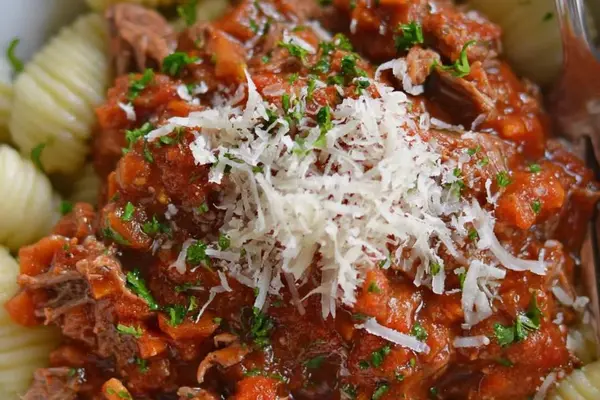
Slow cooker beef ragu with chuck roast braised in red wine, tomatoes, and balsamic vinegar. Fork-tender shredded beef in rich sauce. Ready in hours.
Prep:
20 min
Cook:
6h 15min
Total:
6h 35min
Servings:
8 servings
Six hours in the slow cooker and chuck roast turns into something that falls apart before the fork even touches it. That’s the whole thing right there—low heat, time, red wine doing the work you don’t have to.
Why You’ll Love This Beef Ragu
Takes basically no active cooking. Throw it in the morning, it’s ready by dinner. The meat shreds itself. No knife work after the braising’s done—just pull it apart while it’s still hot and it falls to pieces. Works on pasta. Works over polenta. Works with nothing but bread. The sauce is thick enough that it coats instead of sliding around. Tastes better the next day. Seriously. The flavors sit and tighten overnight. One pot the whole time. Slow cooker does the braising, you do the dishes once.
Ingredients for Italian Beef Ragu
Onion, garlic, celery, carrots—the soffritto base. Dice them rough. Doesn’t need to be pretty. Fresh parsley. Not the dried stuff. Dried tastes like nothing. A big can of diced tomatoes. 28 ounces. San Marzano if you see them. Regular works fine. Tomato paste. Three tablespoons. Concentrate. It’s stronger than it looks. Red wine. Something you’d drink. Not the cooking wine from the grocery store—that’s got salt in it already. Balsamic vinegar. One tablespoon. Cuts through the richness without making it taste sour. Bay leaves. Two. They disappear into it but they matter. Salt and black pepper. A tablespoon and a teaspoon to start. You’ll taste it at the end and fix it. Chuck roast. Three to four pounds. That’s the cut. Fatty, marbled, falls apart after hours of heat. Butter. Unsalted. Three tablespoons. Goes in at the end to make it glossy. Kale. Just the leaves. Stems removed. Wilts at the last second. Cornstarch and water. Mixed together. Only if the sauce runs too thin. Usually doesn’t need it.
How to Make Beef Ragu in the Slow Cooker
Everything except the meat goes in first. Onion, garlic, celery, carrots, parsley, tomatoes, tomato paste, wine, vinegar, bay leaves, salt, pepper. Stir it so it’s loosely mixed. Not aggressively. Just move it around. Lay the chuck roast on top, meat side up. Spoon some of the tomato mixture over it but leave parts of the meat exposed to the heat. That exposed surface gets some depth from direct contact with the ceramic. Set it to low. Walk away. Six hours. Don’t open the lid. Every time you peek, heat escapes and the cooking stretches longer. The connective tissue in chuck—that’s collagen—breaks down into gelatin under sustained low heat. That’s what makes it silky. The wine and vinegar cut through the fat so it doesn’t feel heavy.
Getting the Beef Ragu Texture Right
When the bubbling slows to a gentle simmer instead of that aggressive boil, it’s close. Skim the fat off the top if there’s a thick layer. Bay leaves come out now. Pull the roast out onto a plate. While it’s still hot, fork it apart. Should shred with barely any effort. If it fights you, if it’s still stringy and resisting, give it another 15 minutes. It’ll get there. Stir the shredded beef back into the sauce so every strand gets coated. This is when it starts looking like ragu instead of soup with meat in it. Drop butter in chunks across the surface. Stir on low heat until it’s glossy and the color shifts slightly. Butter softens acidity without heaviness. Then add the kale leaves. Stir it through. It wilts in maybe two minutes. Don’t leave it longer or it turns gray and tastes like nothing.
Beef Ragu Tips and Common Mistakes
The sauce should coat a spoon. If it runs off too fast, mix cornstarch with cold water—two tablespoons each—and pour it in slowly while stirring on low. Thickens fast. Don’t add it all at once or you get lumps. Chuck roast is the right call here. Not sirloin. Not brisket. Chuck has enough fat that it stays tender after six hours instead of turning stringy. Pasta-wise, something sturdy. Pappardelle, rigatoni, even thick spaghetti. The sauce is heavy enough that thin pasta slides around and doesn’t hold it. Salt the pasta water aggressively. Like it should taste like the sea. The pasta itself needs to be seasoned or the whole dish falls flat. If serving family style, toss the drained pasta with a bit of olive oil so it doesn’t stick to itself. Spoon the ragu over the top. You don’t need parmesan. You don’t need extra parsley. It’s rich enough on its own. But if you want them, they work. Leftovers keep for four days in the fridge. Reheat gently. Freezes for three months.
Slow Cooker Beef Ragu with Red Wine
Prep:
20 min
Cook:
6h 15min
Total:
6h 35min
Servings:
8 servings
Ingredients
- 1 medium onion diced
- 4 garlic cloves smashed
- 2 celery stalks chopped
- 3 carrots diced
- 1/4 cup fresh parsley chopped
- 1 (28-ounce) can diced tomatoes
- 3 tablespoons tomato paste
- 1 cup dry red wine
- 1 tablespoon balsamic vinegar
- 2 bay leaves
- 1 tablespoon salt
- 1 teaspoon black pepper
- 3-4 pound chuck roast
- 3 tablespoons unsalted butter
- 2 cups chopped kale stems removed
- 2 tablespoons cornstarch
- 2 tablespoons water
Method
- 1 Add onions, crushed garlic, celery, carrots, parsley, diced tomatoes, tomato paste, red wine, balsamic vinegar, bay leaves, salt, and pepper into the slow cooker. Stir loosely. Place the chuck roast over the veggies, meat side up. Spoon some tomato mixture on the surface but leave parts exposed. Set to low, cook 6 hours. Don't peek. The long braise breaks down the connective tissue and turns tough chuck silky. Wine and vinegar cut through the richness.
- 2 When the bubbling slows to a gentle simmer, skim the fat off the top. Pull out the bay leaves. Take the roast out onto a plate and fork it apart while it's still hot. Should shred with barely any effort. If it fights you, give it more time. Put the shredded beef back in the sauce and stir to coat.
- 3 Drop butter in chunks. Stir until glossy. It softens the acidity without making anything heavy. Add the kale last so it wilts but doesn't turn to mush. If the sauce looks thin, mix cornstarch with cold water and pour it in slowly. Stir on low heat. Thickens fast. Don't overdo it.
- 4 Cook your pasta. Something sturdy. Pappardelle or rigatoni hold up best. Salt the water well. Drain, toss with a bit of olive oil if serving family style. Spoon the ragu over the top. Parsley or parmesan if you want, but it's rich enough on its own.
Nutritional information
Calories
380
Protein
35g
Carbs
15g
Fat
18g
Frequently Asked Questions About Beef Ragu
Can I make slow cooker chuck roast ragu on high instead of low? You can. It’ll be done in about three hours instead of six. The texture won’t be as silky though. Low heat breaks down the collagen more evenly. High heat toughens the outside before the inside gets tender.
What if I don’t have red wine for this braised beef ragu recipe? Beef broth works. Dry white wine works. Skip it entirely and add more tomato paste and a splash of vinegar. It won’t taste exactly the same but it’ll still work.
How thick should the beef ragu sauce be? It should coat a wooden spoon and drip slowly. Not soup. Not gravy. Somewhere in between. If it runs off the spoon it’s too thin. If it barely moves it’s too thick.
Can I use a different cut instead of chuck roast for beef ragu? Brisket works but it gets stringy. Short ribs work great but they cost more. Sirloin gets tough. Chuck’s the best for this. It’s forgiving and it’s cheap.
Should I brown the meat before it goes in the slow cooker? No. You’re cooking it low and slow for six hours. The browning happens in the sauce. It’s not necessary and it’s an extra step.
What pasta goes best with Italian beef ragu? Wide ribbons like pappardelle. Tube shapes like rigatoni or penne. Short thick ones like shells. Anything that can trap the sauce. Long thin pasta like angel hair slides around.
You’ll Love These Too
Explore all →
Grilled Chicken Tzatziki Pita with Cucumber
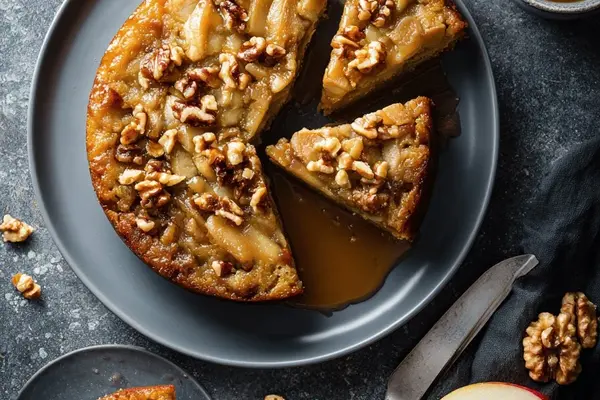
Apple Crumble Recipes with Walnuts

Maple Rum Babas Recipe With Dark Spiced Rum
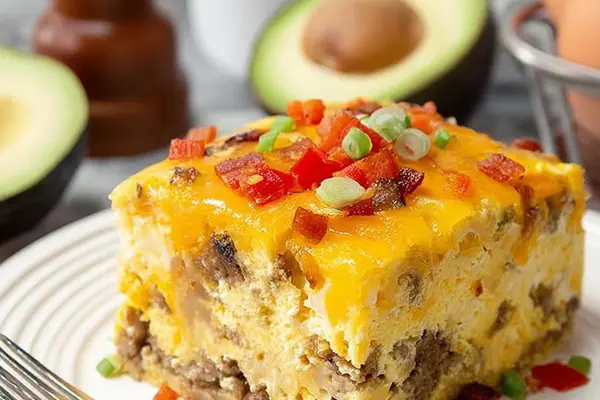
Breakfast Casserole with Sausage & Hash Browns
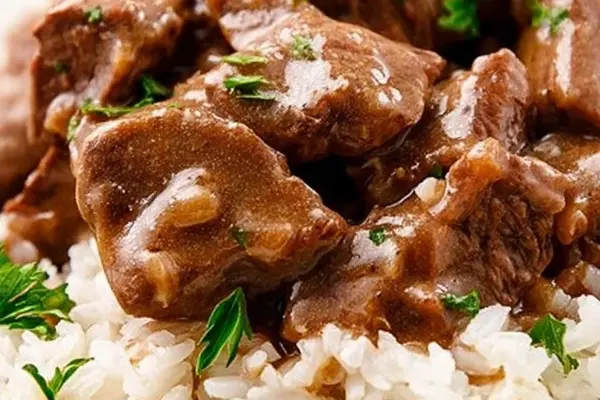
Slow Cooker Beef Tips with Mushrooms & Rice
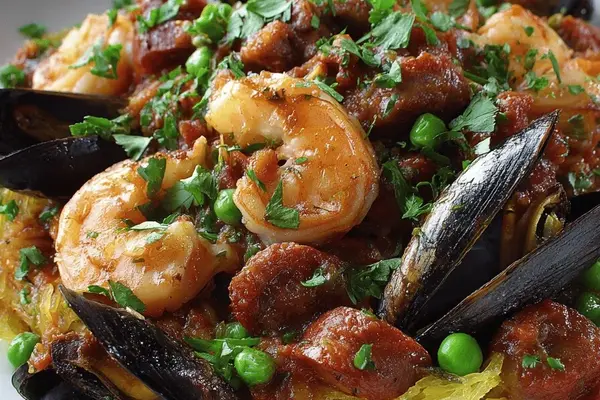
Seafood Paella with Spaghetti Squash
Country Cabbage Soup with Gruyère Cheese
Air Fryer Buffalo Wings
Asian Chicken Sandwich with Peanut Carrot Salad
Berry Quinoa Bowl with Greek Yogurt
Banana Foster French Toast with Dark Chocolate
Cream Cheese Frosting Recipe
Smoked Mackerel Tostadas with Avocado
Saffron Rice with Shrimp and Smoked Sausage
One Pot Creamy Beans with Sausage
Oven Roasted Corn with Fresh Basil

Carnival Fritters with Brandy Raisins & Citron
Crispy Cod Burger with Wasabi Mayo & Fried Pickles

Homemade Sorbet with Lime & Grapefruit