
Slow Cooker Garlic Dill Mash
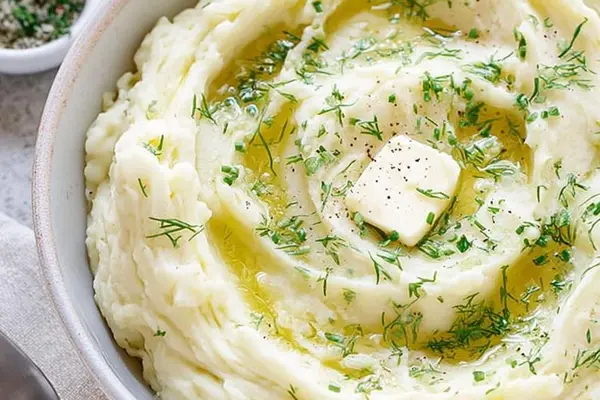
By Emma
Certified Culinary Professional
·
Recipe tested & approved
Slow cooker mashed potatoes with garlic, fresh dill, butter, and sour cream. Yukon Gold potatoes become creamy and soft in broth, perfect for any roast.
Prep:
20 min
Cook:
3h 30min
Total:
3h 50min
Servings:
6 servings
Dump the potatoes in raw. Butter and broth already melting. Scatter garlic and dill on top. Three and a half hours on high and you’ve got something better than stovetop — creamier, less stress, actually holds texture instead of turning to paste.
Slow cooker garlic dill mash does the work while you do literally anything else. The fat stays put. The herbs steep. Nobody’s standing there mashing for ten minutes.
Why You’ll Love This Slow Cooker Garlic Dill Mash
Takes 20 minutes to prep. Then it’s gone. The slow cooker does everything.
Creamy texture that doesn’t turn into wallpaper paste the way hand-mashed stuff sometimes does. The gentle heat just works differently.
Garlic gets sweet and soft instead of sharp. Dill stays green-tasting, not cooked into nothing.
Yukon Gold or Russet — either way it comes out good. Depends what you have. Both work.
Works as a side for literally anything. Roasted chicken, grilled steak, even just sitting there with butter melting on top. No complaints yet.
What You Need for Slow Cooker Potato Mash with Garlic and Dill
Five pounds of Yukon Gold potatoes — actually, Russets work if that’s what’s there. Peel them. Chunk them roughly. Size matters but not obsessively.
Eight tablespoons of butter. Unsalted. The salt comes later.
Two and a half cups of low sodium chicken broth. Hot or cold doesn’t matter much; the slow cooker gets there.
Four garlic cloves. Smashed or chopped. Raw is fine — it mellows completely in three hours.
Two tablespoons fresh dill, chopped. Or one tablespoon dried if that’s what you’ve got. Not the same thing but it works. Thyme does too if dill’s not happening.
One cup sour cream. Cold straight from the fridge or room temperature — doesn’t matter. This is what makes it creamy without being gluey.
Half to three-quarters cup whole milk. Depends on how loose you want it. Start with half.
Salt and pepper. Just have it ready.
Two tablespoons fresh chives for the end. The green color matters here. Makes it look like you tried.
How to Make Slow Cooker Garlic Dill Mash
Set the slow cooker to high. Pour in the butter and broth. Let them start doing their thing while you work on the potatoes — it should be melting and steaming, that smell starting to build. The butter pools on top. The broth underneath. This matters because it keeps everything from sticking to the ceramic base and burning at the edges.
Chunk your potatoes. They don’t have to be perfect. Bigger pieces take longer. Smaller ones risk falling into each other and turning into mush before the garlic even gets a chance. Somewhere in the middle is fine. Just not tiny.
Dump the potatoes into that hot butter-broth situation. Scatter your garlic on top — doesn’t matter if it’s smashed or chopped, raw is totally fine. Throw the dill on there. Thyme too if you’re going that route instead.
Lid goes on. Heat stays on high. Don’t touch it.
Three hours. Minimum. Check it at the 3-hour mark. Stab a piece. It should give under a fork without fighting back. Still hard? Give it another 20 minutes. It’ll get there. The whole thing should take about 3 hours 30 minutes total from when you locked the lid.
How to Get Creamy Slow Cooker Potato Mash with Sour Cream and Herbs
When they’re actually soft — and you’ll know because you can’t even feel resistance when you push a fork through — pull the pot out. Don’t drain anything. That broth is doing work.
Dump in your sour cream. Pour in about half a cup of milk. This is where the creamy part happens.
Electric mixer right in the pot works best. Get it in there and start blending. Not hard. Not aggressive. Just enough that the potatoes start breaking down and the sour cream starts working through everything. You’re looking for creamy but not glue. Not smooth and blank. Textured. Alive.
Stop. Scrape the sides. Stir the bottom. Go again.
If it’s too thick — if it won’t move when you push it — add milk. A splash. Stir. Taste. Too much liquid? Just let it sit. The potatoes keep absorbing.
Texture is the whole thing here. Too stiff and it sits in a lump. Too loose and it’s basically soup. The middle ground is when it moves but holds its shape. When you can taste the garlic and dill without hunting for them.
Salt and pepper come last. Taste it first. Then add. Then taste again. That bright, almost sharp feeling — that’s when you’re done.
Slow Cooker Potato Side Dish Tips and Mistakes
Russets and Yukon Golds cook at different speeds. Russets break down faster. Yukon Golds hold their shape longer and stay creamier naturally. Use whichever. Just know the difference if you’re switching.
Broth can dry out if the lid’s not sealed right. Check it at the two-hour mark if you’re worried. Liquid should still be visible. If it’s going low, pour in hot water. Just hot water. Keeps the temperature consistent and stops the edges from getting weird.
Don’t have sour cream? Greek yogurt does the job. Use less though — it’s tangier. Start with three-quarters cup instead of the full amount.
Fresh dill only if you can get it. Dried works but tastes dusty sometimes. Chives can be green onion tops or parsley if that’s what’s around.
Garlic raw makes some people nervous. It mellows. Completely. Three and a half hours on slow heat turns it sweet and soft. If you really hate it, roast the cloves first. Makes it almost caramel-like.
The electric mixer thing — go easy. Hand masher works too but you’ll work longer. The mixer saves time but can turn things to wallpaper if you let it run. Pulse. Stir. Check. Don’t just let it rip.
Over-mixing kills everything. Gluey paste is real. Taste it at each stage. Stop when it feels right.
Slow Cooker Garlic Dill Mash
Prep:
20 min
Cook:
3h 30min
Total:
3h 50min
Servings:
6 servings
Ingredients
- 5 pounds Yukon Gold or Russet potatoes peeled and chunked
- 8 tablespoons unsalted butter
- 2 1/2 cups low sodium chicken broth
- 4 garlic cloves finely chopped or smashed
- 2 tablespoons fresh dill chopped (or 1 tablespoon dried)
- 1 cup sour cream
- 1/2 to 3/4 cup whole milk
- salt and freshly ground black pepper to taste
- 2 tablespoons fresh chives chopped
- 1 teaspoon fresh thyme leaves (optional substitute for dill)
Method
- Start with warmth and fat
- 1 Set slow cooker to high. Patience rewards here. First, dump butter and chicken broth into the cooker base. It’ll smother edges and keep the mash from drying out. Allow this to start melting and steaming slowly while you chop your spuds. The liquid’s key for slow heat transfer; no hot spots. The butter should melt forming a pool, mingling scents of fat and broth before potatoes arrive.
- Potatoes meet heat and herbs
- 2 Toss potato chunks inside the bubbly butter broth layer. Scatter garlic and dill (thyme for a twist) on top before slapping the lid on. Smash a bit if garlic whole feels too intense or harsh raw. The shape matters—larger pieces stretch cook time. Fine chunks risk disintegrating into glue; chunkier means bite and structure. Now, let steam do its thing for about 3 to 3 hours 30 minutes on high. Check at 3 hours by stabbing a chunk. It should yield easily under a fork but not be falling apart.
- Mashed magic arrives
- 3 When the potatoes are tender enough to yield under tines, dump in your sour cream and half a cup of milk. Time for that ricer or electric mixer directly in the pot. I’ve learned the hand mixer saves a step but risks overworking. Pulpy, not glue. Blend until creamy yet textured. Interrupt as needed to scrape sides, stir pockets of broth or butter.
- Adjust and season
- 4 If mash feels too stiff or clunky, add more milk a splash at a time. Sensory check is everything. Mouthfeel is king. Don’t drown it or leave thick chunks that refuse to homogenize. Creaminess comes from balance not overload. Salt and freshly cracked pepper come last — you’ll know it when the mix tastes bright and lively.
- Finishing touches
- 5 Scatter chopped chives over steaming mounds just before serving. The fresh green flecks on creamy white contrast and their mild onion pop plays well with dill. The mash arrives mousse-soft and bursting with garlicky-herbal hints without overpowering. Serve alongside roasted chicken or grilled steak for a no-fuss crowd-pleaser.
- Tips from the trenches
- 6 Russets break down faster; Yukon Gold offer creaminess but hold shape longer. When broth runs low mid-cook, top up with hot water—slow cooker drying can trip you up if lid isn’t tight. If missing sour cream, plain Greek yogurt works but add less at first to avoid tang overload. Chives can be swapped for green onion tops or parsley for freshness. Garlic roasted beforehand gives complex sweetness if raw garlic is too harsh for your taste. Watch texture once mixed — over-beating creates gluey mash and no one wants that.
- 7 No fancy masher needed here; electric hand mixer in pot saves dirty bowls and effort but go easy. This method tames lump monsters while keeping some bite.
- 8 Slow and steady heat plus the interplay of fat, liquid, and aromatics make this mash standout — trust feel and sight over a timer every time.
Nutritional information
Calories
230
Protein
4g
Carbs
32g
Fat
9g
Frequently Asked Questions About Slow Cooker Mashed Potatoes with Garlic and Dill
Can I use a slow cooker potato side dish on low instead of high? Yeah, but it takes longer. Maybe 5 to 6 hours. High is faster and creamier — the heat does something different. Low works if you’re dumping it in the morning and coming back at dinner. Just add an extra hour.
What if I don’t have chicken broth? Vegetable broth. Beef broth. Even water works. The broth keeps things from sticking and adds flavor. Water’s the minimum. More liquid than you’d think, but it burns off some during the cooking.
Can I make hands-off mashed potatoes ahead of time? Sort of. The mash keeps for maybe 2 hours if you leave the slow cooker on warm. After that texture gets weird. Cold and reheated works better if you need to do it ahead — just stir in a splash of milk when you warm it back up.
Should I peel the potatoes or leave the skin on? Peel them. The recipe’s built for smooth creamy mash. Skins just get in the way here. Different texture entirely if you skip it.
Is dried dill okay or should I use fresh? Fresh is better. Dried tastes like nothing after hours in the slow cooker. But if dried is what you have, use one tablespoon instead of two and accept it’ll taste more subtle. The garlic carries the dish either way.
How do I know when the potatoes are actually done? Fork test. Stab one. It should slide through with zero resistance. Not mushy yet. Just tender. If it still feels even slightly firm, give it another 20 minutes. The difference between done and falling apart is like 30 minutes in a slow cooker.
Can I use Russet potatoes instead of Yukon Gold? Yes. They’re actually faster and get creamier faster because of their starch. They might be ready at 3 hours instead of 3 hours 30 minutes. Check early.
What if the mash is too thick even with milk added? Keep adding milk. A quarter cup at a time. Stir hard between additions. The potatoes absorb a lot. You can always add more but you can’t take it out.
You’ll Love These Too
Explore all →
Hamburger Beef Pasta with Ginger & Lime
Chocolate Icing Recipe with Mascarpone

Ham and Bean Soup Recipe with Navy Beans

Salmon Gravlax Canapés with Dill & Mustard
Buttermilk Herb Vinaigrette with Fresh Dill

Beef Macaroni Bake with Cheddar Mozzarella

Turkey Chili Recipe with Butternut Squash

Grilled Chicken Peach Salsa Recipe

Olive Oil Orange Rosemary Muffins

Spicy Sweet Potato Soup with Chorizo
Beef Panini with Au Jus Dipping Sauce
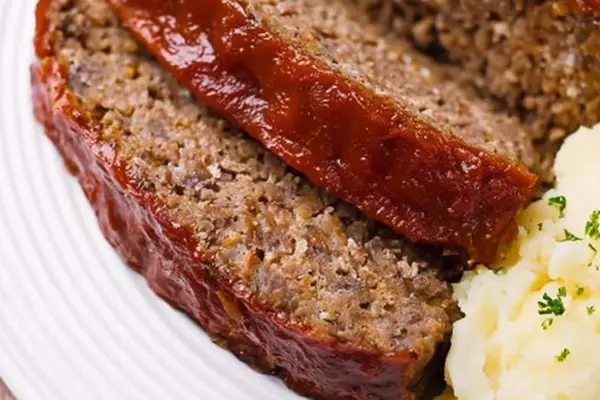
Slow Cooker Meatloaf with Panko and Worcestershire
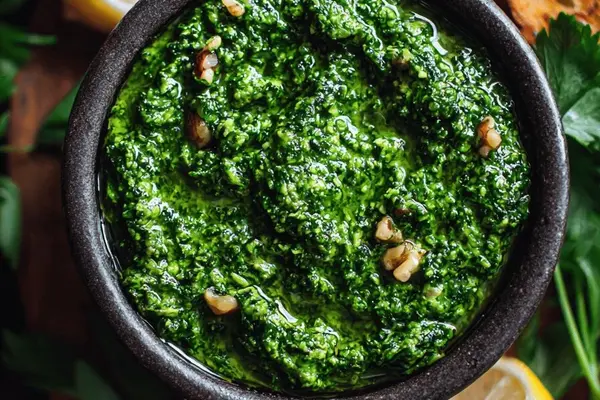
Fresh Basil Pesto Recipe with Spinach
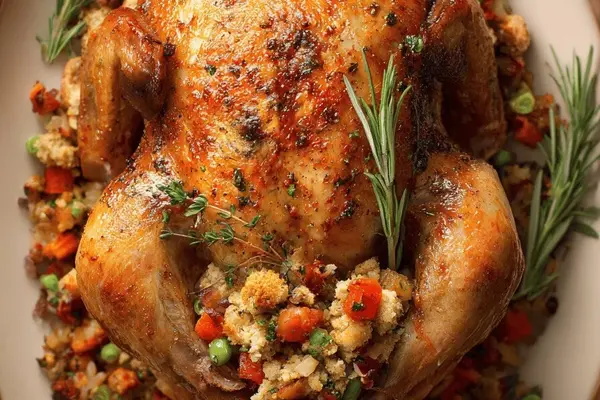
Roaster Chicken with Ground Turkey Stuffing

French Toast Recipe with Almond Extract
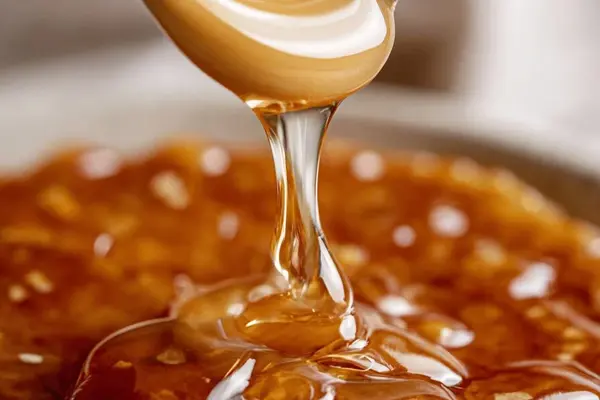
Honey Coconut Cream Sauce with Vanilla
Vegetable Broth Recipe with Smoked Paprika

Cabbage & Hamburger Casserole with Quinoa

Greek Yogurt Bowls with Strawberries