Baked Carrots Honey: Sweet & Glazed
By Emma
Certified Culinary Professional
·
Recipe tested & approved
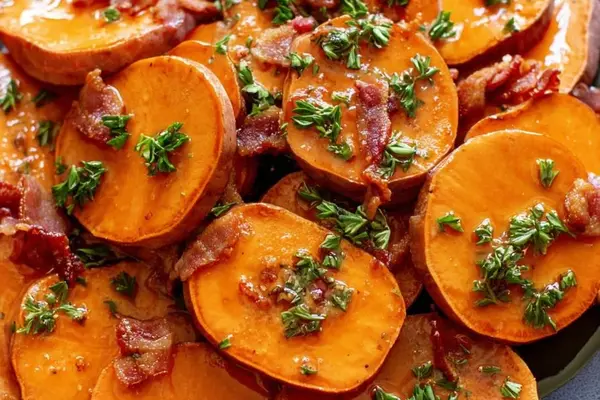
Baked carrots honey recipe with a sticky honey-cinnamon glaze, butter, and crushed chili flakes. Fork-tender slices finished with bacon and pecans for a balanced sweet and savory side dish.
Prep:
12 min
Cook:
5h 30min
Total:
5h 42min
Servings:
8 servings
Peel the potatoes first — sharp peeler keeps the edges clean. Slice them thick, about an inch. Uniform pieces matter more than you’d think.
Why You’ll Love This Slow Cooker Sweet Potato Casserole
Hands-off cooking for over 5 hours. Literally just layer and forget.
The honey and cinnamon do something weird — they get darker, richer, almost caramelized without any actual browning. Tastes like it sat in a candy shop overnight.
Spicy kick underneath all that sweetness. Not overwhelming. Just enough to make you realize it’s there on the second bite.
Works as a side for literally anything. Thanksgiving. Tuesday. Cold straight from the fridge the next morning. Doesn’t matter.
What You Need for Slow Cooker Sweet Potatoes with Honey
Four pounds of sweet potatoes, peeled and sliced about an inch thick. Thinner and they fall apart. Thicker and the middle stays firm while edges go soft.
Cornstarch — three tablespoons mixed into cold water first. No lumps. This is what makes the glaze actually stick instead of pooling at the bottom like soup.
Honey. A third of a cup. Not maple syrup yet. Honey here.
Crushed red chili flakes. Half a teaspoon. Maybe less if you don’t like heat creeping up on you. I learned that the hard way.
Ground cinnamon. A teaspoon. Salt too — a teaspoon. Stir it in while you’re thinking about it.
Six tablespoons of cold unsalted butter, cubed. Cold matters because it melts slow, seeping richness through everything as it cooks.
Toppings are optional but worth it — cooked bacon crumbles, fresh parsley, toasted pecans or walnuts if you have them.
How to Make Slow Cooker Sweet Potatoes
Drop the potato slices into your slow cooker base. Layer them evenly — don’t cram them tight. Air pockets help them cook right.
Whisk the cornstarch in cold water until it’s completely smooth. This slurry goes evenly over the potatoes. Skip this step and your sauce will be watery. Actually do it.
Drizzle the honey on top. Sprinkle the chili flakes — adjust the amount if you’re sensitive. Cinnamon. Salt. Stir gently but thoroughly so every slice gets coated with the sweet-spicy mix.
Drop the butter cubes over everything. Cold butter melts slowly, which is the point.
Cover. Set it to low. This takes 5 hours and 30 minutes to 6 hours total. Maybe longer. Maybe shorter — depends on your slow cooker and how thick you cut the potatoes.
Around the halfway mark, lift the lid. The smell should be warm and sweet with a chili tease underneath. Stir carefully — the potatoes are fragile now but the glaze needs to spread evenly. The sauce should look like it’s thickening, getting shiny.
If it still looks watery, whisk another tablespoon of cornstarch with a tablespoon of cold water. Pour it in, stir, let it cook uncovered for 15 more minutes. Repeat if you need to. Raw cornstarch tastes weird, so dissolve it completely before adding.
How to Get the Glazed Carrots Perfect — Honey Sweet Potato Casserole Texture
Final test is simple. Fork the potatoes. They should give easily but still hold their shape. The glaze should be glossy and cling to the surface — syrupy, not soupy.
Serve straight from the pot, spooning slices with all that extra glaze. If the glaze is too thick after sitting, stir in a splash of hot water. Too thin? Simmer uncovered on the stove for 10 minutes or crank the slow cooker to high.
The texture here is what makes it work. Not mushy. Not firm. That specific soft that still holds the shape.
Slow Cooker Sweet Potatoes Tips and Common Mistakes
Avoid over-mixing early. It breaks the potatoes down and turns the sauce chalky. Gentle stirs only.
Leftovers reheat fine in the microwave or a skillet. Add a splash of water to loosen the glaze back out.
If you want to swap honey for maple syrup, it works — earthier, less bright. Brown sugar if you’re low on honey. Different texture but still rich.
Butter can be coconut oil if you need dairy-free. Changes the mouthfeel a bit but still works.
Chili flakes can swap for cayenne or smoked paprika depending on what you want heat-wise.
Don’t cover it with tight foil if you try this in an oven — it traps steam and dries the glaze out fast. The slow cooker’s locking lid is better for this.
Baked Carrots Honey: Sweet & Glazed
Prep:
12 min
Cook:
5h 30min
Total:
5h 42min
Servings:
8 servings
Ingredients
- 4 lbs sweet potatoes peeled and cut into 1-inch thick slices
- 3 Tbsp cornstarch
- cold water to mix with cornstarch
- 1/3 cup honey
- 1/2 tsp crushed red chili flakes (reduce if sensitive)
- 1 tsp ground cinnamon
- 1 tsp salt
- 6 Tbsp cold unsalted butter cubed
- Optional toppings cooked bacon crumbles
- Optional toppings fresh parsley
- Optional toppings toasted pecans or walnuts
Method
- 1 First off, peel sweet potatoes. I use a sharp peeler to keep edges clean. Slice into chunks about an inch thick. Uniform size helps even cooking, no spots mushier than others.
- 2 Drop potato rounds in slow cooker base. Layer them evenly, but don’t cram tight. Air pockets help.
- 3 Whisk 3 tablespoons cornstarch in about 1/3 cup cold water till smooth — no lumps. Pour this slurry evenly over potatoes. This is key for a real sticky glaze; skip and sauce will be watery.
- 4 Next, drizzle 1/3 cup honey right on top. Sprinkle chili flakes (adjust heat; I learned the hard way with too much), cinnamon, and salt. Stir gently but thoroughly. Coats every slice with the sweet-spicy mix.
- 5 Distribute 6 tablespoons butter cubes over top. I drop them cold so they melt slowly, seeping richness as it cooks.
- 6 Cover, slow cook low for roughly 5 ½ to 6 hours (I round up to 5 ½ after testing doneness). Higher heat works if short on patience — about 3 ½ to 4 hours. Patience pays, though — low temp draws out sweetness and soft flesh.
- 7 Around halfway mark, lift lid. Aromas should be warm, sweet, with chili tease. Stir carefully — potatoes fragile now but need glaze spread evenly. Sauce should look thickening, shiny. If watery, whisk another tablespoon cornstarch and tablespoon cold water. Pour in, stir. Let cook uncovered 15 extra minutes to thicken. Repeat if necessary. Raw cornstarch flavor weird; dissolve well before adding.
- 8 Final test: slices should give easily to fork but hold shape. Glossy glaze clings to surface, syrupy not soupy.
- 9 Serve straight from pot, spooning slices with extra glaze. Toss on cooked bacon crumbles if you want salt crunch. Fresh parsley adds green brightness, nuts for texture contrast. I like toasted pecans here for slight bitterness.
- 10 If glaze too thick after resting, stir in a splash hot water. Too thin? Short 10-minute simmer uncovered on stove or higher slow cooker setting.
- 11 Leftovers reheat well in microwave or skillet. Add splash water to loosen glaze.
- 12 Avoid over mixing early— breaks potatoes too much and turns sauce chalky.
- 13 Substitute maple syrup for honey for earthier note, or brown sugar if pantry low. Butter can be replaced by coconut oil for dairy-free option, changing mouthfeel but still rich.
- 14 Chili flakes can be swapped for cayenne or smoked paprika depending on mood.
- 15 Avoid covering with tight foil if cooking in oven alternative — traps steam but dries glaze out fast. Slow cooker locking lid best.
Nutritional information
Calories
230
Protein
2g
Carbs
35g
Fat
9g
Frequently Asked Questions About Slow Cooker Sweet Potatoes with Honey
How long does this actually take? 12 minutes prep, 5 hours and 30 minutes on low. 5 hours and 42 minutes total if you count it. If you’re in a rush, high heat does 3 and a half to 4 hours but low is better.
Can I use regular carrots instead? This recipe’s built for sweet potatoes. Regular carrots would work texturally but they don’t have that natural sweetness to pair with the honey and cinnamon. Different thing entirely.
What if my glaze broke or looks separated? Means you added the cornstarch wrong or it got too hot. Whisk cold water and cornstarch again, pour it in slow. Cook uncovered 15 minutes. Usually fixes it.
Should I stir it? Once at the halfway point, yeah. Gently though. Early heavy stirring breaks potatoes and makes the sauce grainy from the cornstarch getting overworked.
Can I make this the night before? Prep the potatoes and glaze mixture, leave it in the slow cooker insert in the fridge overnight. In the morning, pop it in the base and cook. Adds maybe 30 minutes but it works.
How much spice is in this really? Half a teaspoon of chili flakes is subtle. You taste it on the back end, not upfront. If you hate heat, go lighter. If you want it spicy, go up to three quarters of a teaspoon. Start low.
Does this work in a regular oven? Yeah. Covered baking dish at 325 degrees for about 3 hours. Stir once halfway through. Check the glaze thickness — oven heat is drier, so you might need to add water or cover loosely with foil if it’s reducing too fast.
You’ll Love These Too
Explore all →
Grilled Lamb Skewers with Honey Mustard
Apple-Stuffed Maple Dumplings with Cinnamon

Remoulade Sauce with Mayo and Horseradish
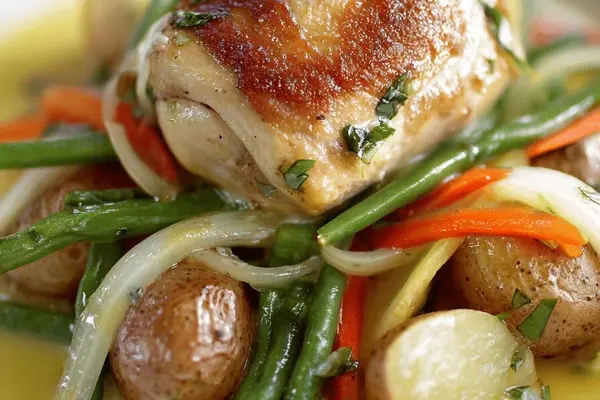
Chicken Roulades with White Wine Butter Sauce
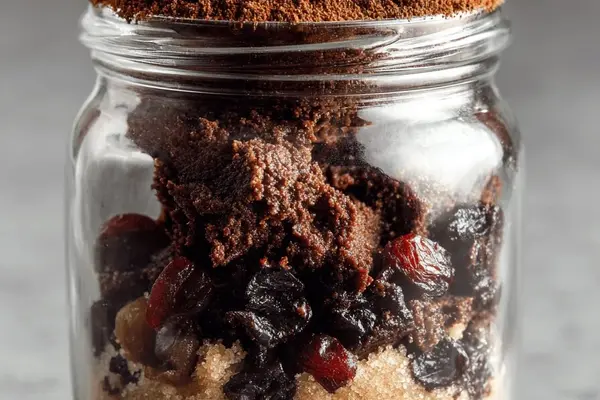
Brownie In A Jar Recipe With Cranberries
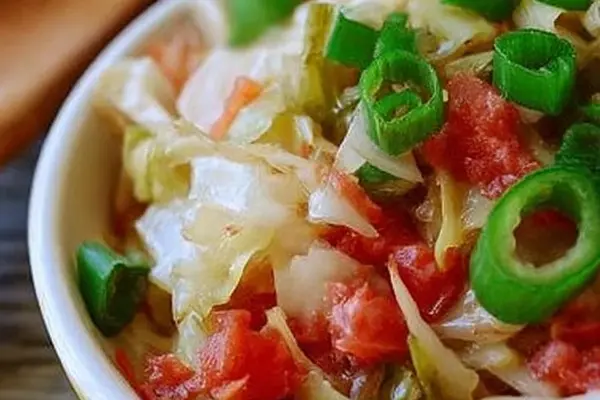
Cabbage Sauteed with Bell Peppers & Tomatoes
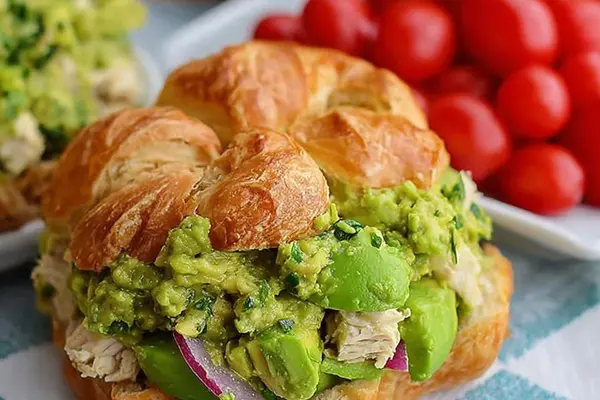
Chicken Salad with Avocado and Basil Pesto
Curried Ginger Vinaigrette Recipe
One Pot Meals with Ground Beef and Rice
Ground Turkey Zucchini Boats with Salsa
Chicken And Broccoli Rice Bake

Cake Cookies From Cake Mix With Sprinkles
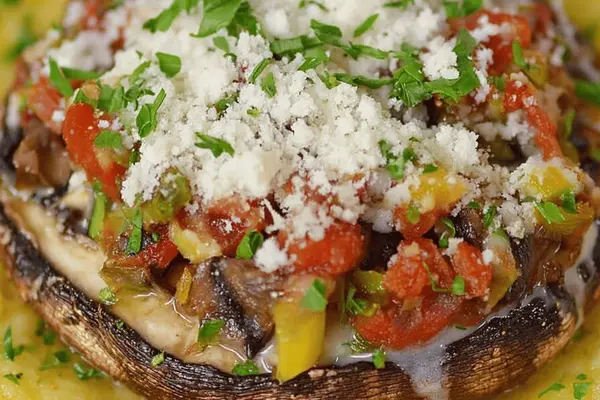
Porta Bella Mushroom Recipe with Polenta

Oyster Appetizers with Coconut Lemongrass Sauce
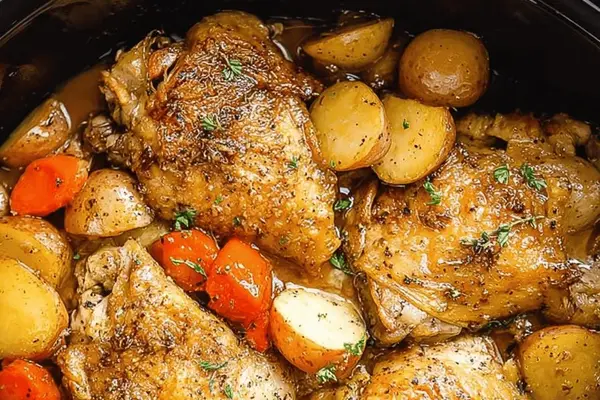
Slow Cooker Chicken Thighs with Potatoes
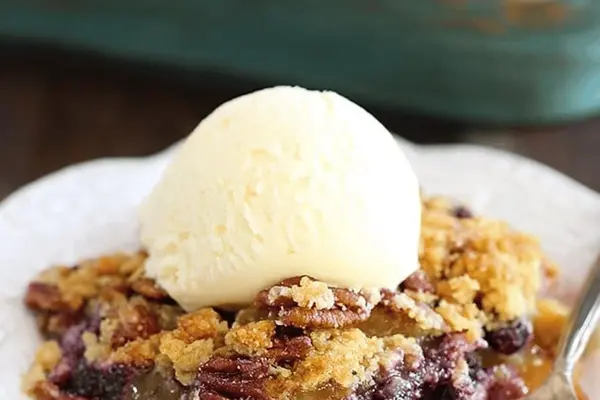
Pineapple Blueberry Crisp with Cake Mix

Avocado Chocolate Mousse with Tuna Tartare
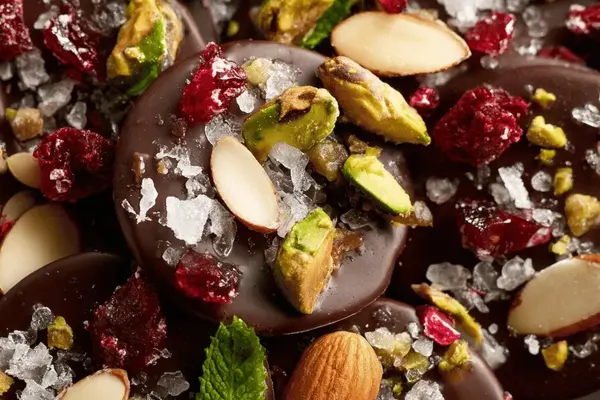
No Bake Cookie Recipe With Peanut Butter

Cheesecake Almond Cookies with Candied Cherry