
Ham and Bean Soup Recipe with Navy Beans
By Emma
Certified Culinary Professional
·
Recipe tested & approved
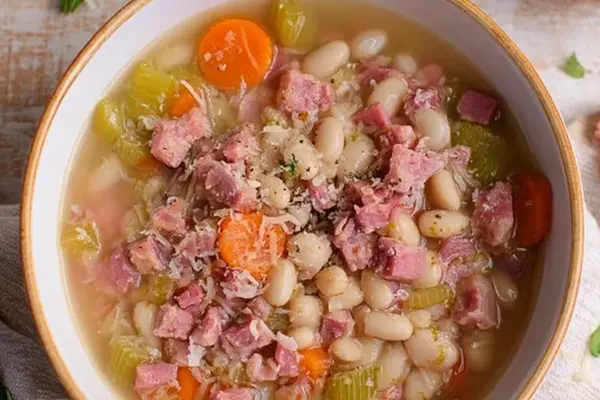
Easy ham and bean soup made with navy beans, carrots, celery, onion, and fresh herbs. Simmered with smoky ham and finished with apple cider vinegar and cream.
Prep:
12 min
Cook:
28 min
Total:
40 min
Servings:
6 servings
Heat the oil first. Medium heat, wait until it shimmers. Then carrots, onion, celery go in all at once. Stir it, don’t mess with it constantly. Three to five minutes and they start to go soft. You want translucent, not browned. That sweet smell means it’s working.
Why You’ll Love This Ham and Bean Soup
One pot. Everything goes in the same place — no juggling pans. Cleanup takes five minutes flat.
Tastes like someone’s grandmother made it. Not complicated, just good. Comfort food that actually fills you up. Works cold the next day, maybe even better.
Navy beans stay intact. Most soups turn to mush. This one keeps texture all the way through the bowl.
Takes 40 minutes start to finish. Twelve to prep, twenty-eight to cook. Wednesday night dinner. Nobody’s stressed.
What You Need for Ham and Bean Soup
Olive oil. Two tablespoons. Carrots, onion, celery — the base of everything. Two large carrots diced. One medium onion. Two celery stalks. Don’t overthink it.
Garlic. Three cloves minced. Fresh is better than jarred. Not a huge difference, but it matters.
Dried thyme and oregano. A teaspoon of each. Fresh rosemary if you have it — one teaspoon chopped. Herbs do most of the heavy lifting here.
Diced ham. Two cups. Good ham. Not the stuff in a can. Pancetta works. Good smoky bacon works too. The meat carries the whole soup.
Navy beans. Four cups cooked. Canned is fine, drained. Cannellini beans work. Any white bean works. Don’t use red beans. Trust me.
Chicken broth. Five cups. Low-sodium or it gets too salty. Vegetable broth if you’re skipping the ham. Broth matters — bad broth makes bad soup.
White pepper. Half a teaspoon freshly ground. Not black pepper. White doesn’t have the specs. Looks cleaner.
Apple cider vinegar. Two teaspoons. Lemon juice works. Something acidic to brighten it all up.
Heavy cream or half and half. A third cup. Cream goes in last — after heat’s off, or it breaks.
Crusty bread for the bowl.
How to Make Ham and Bean Soup
Mince the garlic. Cut the carrots and celery. Chop the onion fine. Get that done first. Everything else moves fast once you start.
Heat olive oil in a heavy pot over medium. Wait for it to shimmer. You’ll see it move. Then throw in carrots, onion, celery. Stir it. They’ll start getting soft in three to five minutes. Smell sweet. Translucent. Not brown. If they’re browning, heat’s too high.
Add the garlic. Stir once, twice. Garlic aroma hits fast — one to two minutes. Watch it. If you see color, it’s burning. The pan gets hot. Move faster if it starts turning. Garlic smell turns bitter real quick if you’re not paying attention.
Sprinkle the dried herbs in. Thyme, oregano. Stir for a minute or two. They go in dry at first but then they bloom in the oil. You’ll smell it change. That’s when you know they’re working. Don’t skip this part.
Ham goes in next. Stir it around to warm through. The fat releases and gets everything smoky. Then add the beans and broth all at once. Bring the heat up just enough for small bubbles on the sides. Not a rolling boil. Just a gentle simmer. Twelve to eighteen minutes. Bubbles should break slow.
Check the beans after fifteen minutes. Crush one between your spoon and bowl. Should be tender but still hold its shape. Mushy beans ruin it. Stir occasionally to make sure nothing sticks to the bottom.
Take it off heat. White pepper goes in — swirl it around. Then the vinegar. Taste it. Should be bright. Not too sharp. No salt yet because the ham’s already salty. Check it.
Last thing: cream. Drizzle it in slowly, swirl it so it doesn’t break and get weird. Ladle it into warmed bowls. Crusty bread on the side.
How to Get Ham and Bean Soup Right Every Time
The vegetables at the start matter. Don’t skip translucence. If you brown them, the whole soup gets bitter. Start with medium heat. You can always turn it up. Can’t un-brown them.
Garlic burns faster than you think. One minute you’re fine, next minute it’s black. Watch the pan. Or just move it to the side if you’re nervous. Doesn’t have to cook that long anyway.
The herbs dry out sitting in the pot. That’s normal. But they need that oil to wake up. Don’t add them to the liquid yet. Keep them dry. Let them sit in the oil. Two minutes and they go from dusty to fragrant. The whole thing changes.
Beans should stay intact. Drain them good from the can. Rinse them if they’re salty. Canned beans are already cooked, so you’re just heating them through. Over-simmer and they fall apart. Twelve to eighteen minutes is plenty.
Salt is a trap. The ham has salt. The broth has salt. You probably don’t need to add more. Taste before you add anything. Most people over-salt at this stage.
Cream at the end shouldn’t break. Hot pot, cold cream, slow swirl — it’ll be fine. If you’re nervous, warm the cream first. Not hot. Just room temperature. Doesn’t have to be exact.
The soup thickens as it sits. Cool down in the pot and it gets thicker. Add a splash of broth if it goes too thick. Reheating works fine. Flavor actually gets better. This is a next-day soup.
Ham and Bean Soup Swaps and Variations
No ham? Smoked turkey gets you halfway there. Bacon — good bacon — works. The smoke matters more than the exact meat. Pancetta’s actually better. Richer.
Beans. Use what you have. Cannellini instead of navy. Great northern. Any white bean. They all work. Don’t use kidney beans. Red beans throw the whole flavor. Just don’t.
Broth. Vegetable broth if you’re cutting the ham. Vegetable soup is just as good. Add smoked paprika if you go that route. Keeps the smoky feeling without meat.
Cream. Half and half is lighter. Regular milk works but it’s thinner. Skip it entirely if you want. Soup stands on its own. Cream makes it richer. Not required.
Vinegar. Apple cider or lemon juice. Both work. Lemon’s sharper. Vinegar’s rounder. Use what tastes better to you.
Ham and Bean Soup Recipe with Navy Beans
Prep:
12 min
Cook:
28 min
Total:
40 min
Servings:
6 servings
Ingredients
- 2 tablespoons olive oil
- 2 large carrots diced
- 1 medium onion finely chopped
- 2 celery stalks diced
- 3 cloves garlic minced
- 1 teaspoon dried thyme
- 1 teaspoon dried oregano
- 1 teaspoon fresh rosemary chopped
- 2 cups diced ham (sub pancetta or good smoky bacon)
- 4 cups cooked navy beans (or cannelini; substitute any white bean)
- 5 cups low-sodium chicken broth (or vegetable broth for meatless)
- 1/2 teaspoon freshly ground white pepper
- 2 teaspoons apple cider vinegar (can use lemon juice)
- 1/3 cup heavy cream (or half & half for lighter)
- Crusty bread for serving
Method
- 1 Heat olive oil over medium heat in a heavy pot. When shimmering, toss in carrots, onion, celery. Stir often. Softening should start 3-5 minutes. You want translucence, not browning yet. Vegetables should smell sweet and fresh.
- 2 Add garlic, stir once or twice. Garlic aroma will rise quickly. 1-2 minutes tops. Watch for burning—the pan gets hot fast. Move faster if you see color forming.
- 3 Sprinkle thyme, oregano, rosemary into pot. Stir for about 1-2 minutes until herbs release fragrance. Herbs dry at first but will bloom in oil. Don’t skip—this layers flavor early on.
- 4 Add diced ham, stir to warm through and release smoky fat. Then add beans and broth all at once. Bring up heat just enough for tiny bubbles on sides—no full boil. Simmer gently 12-18 minutes. Bubbles should break slowly.
- 5 Check bean texture after 15 minutes by crushing one. Should be tender but intact. Mushy beans kill soup texture. Stir occasionally to prevent sticking, don’t rush.
- 6 Off heat, swirl in white pepper—adds subtle heat without black specs. Then drizzle vinegar, taste for brightness balance. No salt yet—ham can be salty. Finish with cream, swirl slowly to avoid curdling.
- 7 Ladle into warmed bowls. Serve steaming with crusty bread. Soup thickens as it cools—add splash broth if too thick. Leftovers improve after a day, flavors marry.
- 8 If no ham, smoked turkey or bacon gets close. Use cooked beans, no soaking time. For vegetarian, swap broth for veggie and add smoked paprika.
Nutritional information
Calories
280
Protein
18g
Carbs
28g
Fat
10g
Frequently Asked Questions About Ham and Bean Soup
How long does ham and bean soup last in the fridge? Four days easy. Maybe five if you’re careful. Keep it in a container. Flavor gets better after a day. The beans soak up all the broth overnight.
Can you freeze ham and beans soup? Yeah. Freezes fine for three months. Don’t freeze the cream version. Add cream after you thaw and reheat it. Cream doesn’t freeze well in soup.
What if your ham and bean soup is too thick? Add broth. A splash at a time. Heat it gently and stir. Soup thickens as it cools, so wait until it cools before you panic about thickness.
Can you make this recipe for ham and split pea soup instead? No. Different bean entirely. Split peas need longer, they break down. Navy beans hold their shape. Two different soups.
Should you use ham bone instead of diced ham? Flavor’s better but it takes longer. You’d simmer it an hour minimum. This recipe is built for diced ham and 28 minutes of cook time. Different soup.
Does this beans for ham soup recipe work with canned beans? Yes. Drained, rinsed. Already cooked. Just heat them through. Don’t overcook or they get mushy. Twelve to eighteen minutes is plenty.
Why does the recipe use white pepper instead of black? Looks cleaner. No visible specs. Flavor’s more subtle. Black pepper works if that’s what you have. Not a dealbreaker.
Can you make navy bean soup without the ham? Totally. Use vegetable broth. Add smoked paprika for depth. It’s a different soup but a good one. Works as a vegetarian navy beans soup.
You’ll Love These Too
Explore all →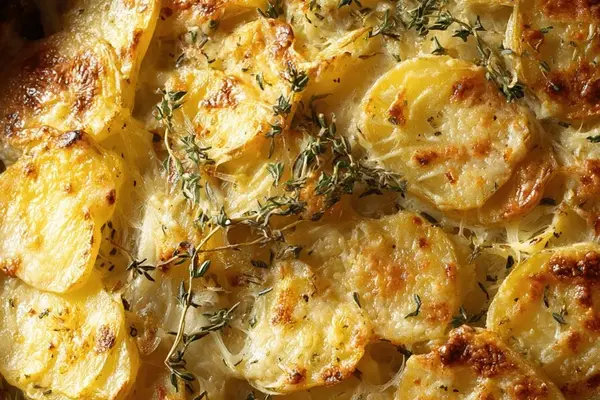
Scalloped Potatoes and Gruyere with Roasted Garlic

Broccoli Bacon Quiche with Feta & Nutmeg

M&M Cookies With Pecans and Crunch

Red Velvet Brownies with Mascarpone Swirl

Carrot Cake Pancakes with Cream Cheese

Grilled Red Snapper with Lemon and Garlic

Spinach Artichoke Dip Recipe with Puff Pastry

No-Bake Protein Bites with Honey & Chocolate

Candied Blood Oranges: Chewy Citrus Candy

Copycat PF Changs Lettuce Wraps Recipe
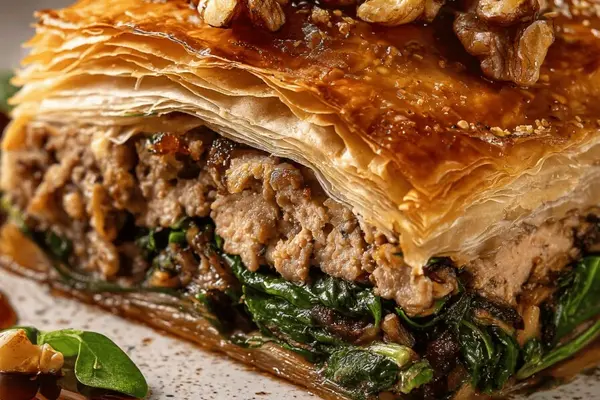
Pork Appetizers with Spinach & Walnuts

Chocolate Ninja Creami with Cream Cheese

Curried Beef Stuffed Peppers with Sweet Potatoes

Eggnog Cheesecake Recipe with Speculoos Crust
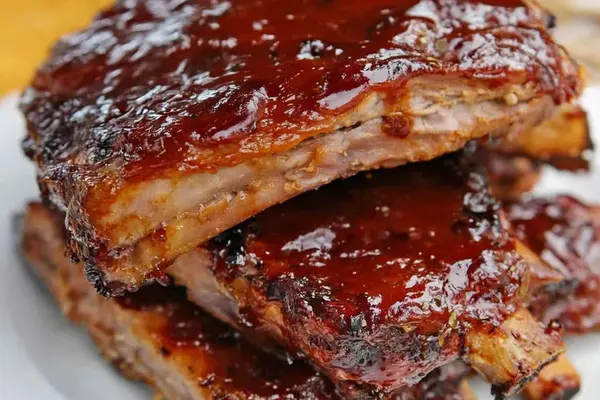
Oven-Steamed BBQ Ribs with Paprika Dry Rub

Butter Board Recipe with Roasted Garlic
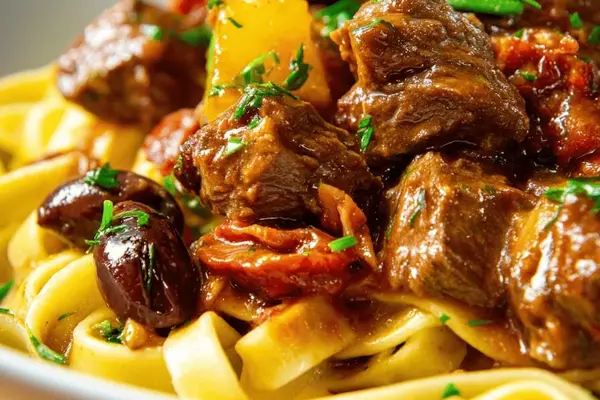
Slow Cooker Beef Stew with Red Wine
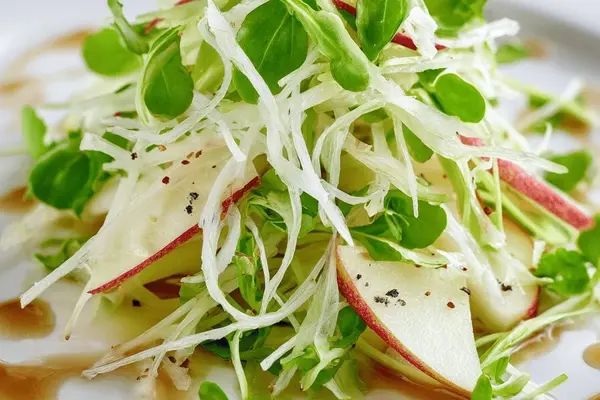
Salad Waldorf with Honeycrisp Apple

Chicken Casserole with Sweet Potatoes