Making Salsa with Chipotle and Lime
E
By Emma
Certified Culinary Professional
•
Recipe tested & approved
Cut the onion first. Three cloves garlic—actually one, minced fine. The chipotle is where the heat lives, but you control it. Takes 21 minutes total. Seven to prep, fourteen on the stove. This is a recipe for making salsa that actually tastes like something, not the canned stuff sitting in your pantry.
Why You’ll Love This Salsa
Smoke. That’s the main thing. Real smoked paprika and a chipotle pepper that doesn’t mess around—spicy enough to notice, not enough to wreck your mouth.
Works for everything. Dip, topping, base for other stuff. Had it with eggs, with chips, mixed into sour cream for a quick sauce.
Blended smooth or left a little rough. Your choice. Some texture, some silkiness, no one way.
Takes basically nothing to make. You probably have half of it already. Tomato sauce from a can. Spices in your cabinet. A lime.
Keeps for days. Better the next day, maybe. Flavors get comfortable with each other.
What You Need for This Homemade Salsa Recipe
Vegetable oil. A tablespoon and a half. Just enough to get hot without smoking up your kitchen.
Yellow onion. Half a cup diced. White onion doesn’t have the same sweetness—tried it, it’s flatter.
One chipotle pepper from the can. The adobo sauce comes with it, that’s good. Keeps the spice contained instead of loose and sharp. You can swap it—dried chipotle rehydrated works, or a teaspoon of smoked paprika if you want milder. Not the same flavor, but it functions.
One garlic clove minced. Just one. More than that and it takes over.
Tomato sauce. A cup and a third. The plain kind, nothing fancy. Low-sodium chicken broth—a third cup. Water works if you don’t have broth. Vegetable broth too.
Kosher salt. Half a teaspoon. Smoked paprika again—half a teaspoon. A teaspoon of dried oregano. Half a teaspoon chili powder. These are where the flavor actually comes from.
Fresh lime juice at the end. Two tablespoons. Lemon works if limes are expensive or you forgot. Changes it slightly but not ruined.
How to Make Salsa That Tastes Right
Heat the oil in a medium saucepan. Medium heat. You want to watch it shimmer but not smoke—thin ripples moving across the surface. That’s the tell.
Onions go in. Half a cup diced. Stir often. This takes about four minutes. You’re listening for a faint sizzle. Smelling for sweet onion starting to come alive. The onion should turn translucent and soft. If it’s browning too fast—edges getting dark—lower the heat. Browning means burned, and burned is the whole thing tastes bitter.
Chipotle and garlic next. Just stir them in. Cook gently. Two minutes. You’ll catch that roasted pepper scent—that’s when you know it’s working. Garlic softens. Don’t let it darken too fast because garlic burn is mean. It tastes acrid and there’s no coming back from it. If the pan gets too hot, lower it immediately.
How to Build the Sauce and Get the Texture Right
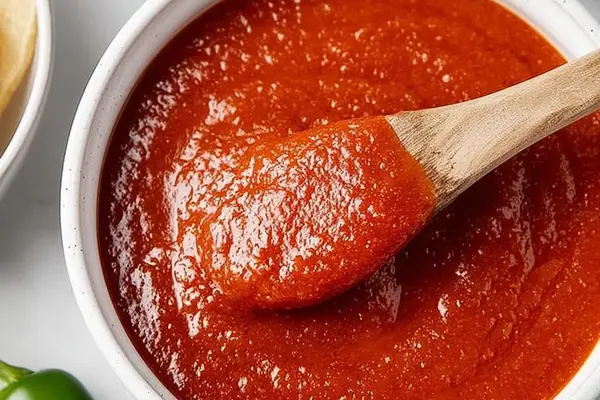
Pour the tomato sauce in. Then the broth. Salt, smoked paprika, oregano, chili powder—all at once. Mix it well so nothing clumps. The sauce should thin out. You want bubbles just barely breaking on the surface. That’s a low simmer. Not a rolling boil. Not still. Just barely moving.
Let it sit and cook for maybe eight minutes. The flavors meld. The spice spreads out instead of sitting in one place. It gets deeper.
Lime juice goes in last. After you turn off the heat. Don’t cook it down—heat kills that bright citrus and you lose it. Just stir it in.
Blend it now. Immersion blender right in the pot works fine. Or transfer to a stand blender and pulse. You want mostly smooth but some texture left—rustic feel instead of baby food. Stop when there’s still a tiny bit of roughness.
Cool it slightly. Then let it sit. Flavors keep developing while it rests. The sauce thickens up a little on its own.
Making Salsa to Can or Store
Refrigerate if you’re holding it more than two hours. It keeps for about five days before the flavor gets thin. Reheats gently. Add a splash of broth if it thickened up too much in the fridge.
Freezes fine. Three months easy.
If you want to can it—actually preserve it—that’s different. You need a recipe specifically for canning. The acid balance changes. The processing method is different. This version is fresh salsa that lasts cold.
Making Salsa with Chipotle and Lime
Prep:
7 min
Cook:
14 min
Total:
21 min
Servings:
2 servings
Ingredients
- 1 ½ tablespoons vegetable oil
- ½ cup diced yellow onion
- 1 small chipotle pepper canned in adobo sauce, chopped (substitute 1 dried chipotle rehydrated or 1 tsp smoked paprika for milder heat)
- 1 garlic clove minced
- 1 ⅓ cups plain tomato sauce
- ⅓ cup low-sodium chicken broth (can use vegetable broth or water in pinch)
- ½ teaspoon fine kosher salt
- ½ teaspoon smoked paprika
- 1 teaspoon dried oregano
- ½ teaspoon chili powder
- 2 tablespoons fresh lime juice (substitute lemon juice if needed)
Method
- 1 Heat oil in a medium saucepan over medium heat. Watch closely so it shimmers but doesn't smoke; oil ready when thin ripples form on surface.
- 2 Add onions and cook, stirring often, until translucent and sweet-smelling, about 4 minutes. Listen for faint sizzle, smell the sweet onion aroma starting. Lower heat if browning.
- 3 Stir in chipotle pepper and garlic. Cook gently until garlic softens and you catch that roasted pepper scent—about 2 minutes. Avoid burning garlic; if it darkens too fast, reduce heat.
- 4 Pour in tomato sauce and broth, then add salt, smoked paprika, oregano, chili powder. Mix well to combine. Sauce should thin out slightly; bubbles should just break on surface, signaling low simmer.
- 5 Add lime juice last, off heat, to preserve brightness—don't cook it down. Blend using immersion blender in the pot or transfer carefully to a stand blender. Pulse until mostly smooth; some texture left for rustic feel.
- 6 Cool slightly, then set aside to let flavors meld. Sauce thickens mildly while resting. Refrigerate if holding over two hours, rewarm gently with splash of broth to loosen.
Nutritional information
Calories
85
Protein
1g
Carbs
5g
Fat
7g
Frequently Asked Questions About Making Salsa
Can I make this salsa less spicy? Yeah. Use a teaspoon of smoked paprika instead of the chipotle. Or use half a dried chipotle rehydrated. Still spicy, just dialed back. Haven’t tried removing it completely—defeats the purpose.
What if I don’t have chipotle peppers? Smoked paprika does the job. Not identical but it’s the same direction. The heat drops though, so you might add a pinch of chili powder extra. Or use cayenne if you want the spice back up.
How long does homemade salsa keep? Five days in the fridge. Maybe six if it’s really cold. After that it gets watery and flat. Freezes for three months though, tastes fine when you thaw it.
Should I use fresh tomatoes? Could try it. But this recipe for making salsa specifically uses tomato sauce because you get consistent flavor without watering it down. Fresh tomatoes have too much liquid and not enough tomato taste. Canned sauce is more concentrated.
Can I use canned diced tomatoes instead of sauce? Not the same. Diced tomatoes are chunky and loose. Sauce is thicker and smoother. You’d end up with something different—watery, rough. Use sauce.
What’s the deal with lime juice at the end? Brightness. It cuts through the smoke and spice. If you add it while cooking, the heat burns off the citrus flavor and you just get sour. Off heat, it stays sharp. That’s what you want.
Does this work as a ranchero sauce? Yeah, but you’d thin it more. Add more broth or water. This version is thicker—dip consistency. For ranchero sauce to pour over eggs or enchiladas, loosen it up another half cup of liquid.
Can I blend it smooth instead of rough? Absolutely. Blend longer. Just means different texture. Some people like it that way. I prefer a little tooth to it but it’s not wrong either way.
You’ll Love These Too
Explore all →
Cuban Sandwich Sliders with Smoked Pork
Potato Casserole with Caramelized Onions
Irish Colcannon with Bacon and Cabbage
Beef Broth Soup with Parsnip Mousse
Homemade Brownie Mix with Dutch Cocoa
Make Ranch Dressing with Lemon & Lime
Herb Vinaigrette Remix with Tarragon
Profiteroles with Chocolate Chips & Zucchini
Sausage Gravy with Pork and Milk
Salty Sweet Monster Bars with Pretzels

Chocolate Snowman Truffles with Nutter Butter
Nutella Swirl Brownies with Hazelnut Spread
Chocolate Cookies with Marshmallow & Walnuts
Pistachio Cookies with Lemon Zest

Pumpkin Cake Cheesecake Recipe
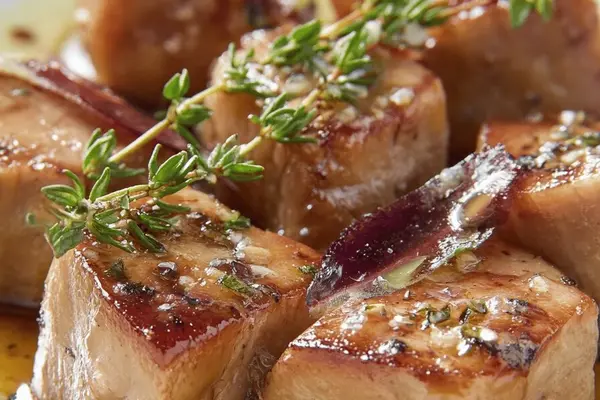
Foie Gras Appetizer with White Wine
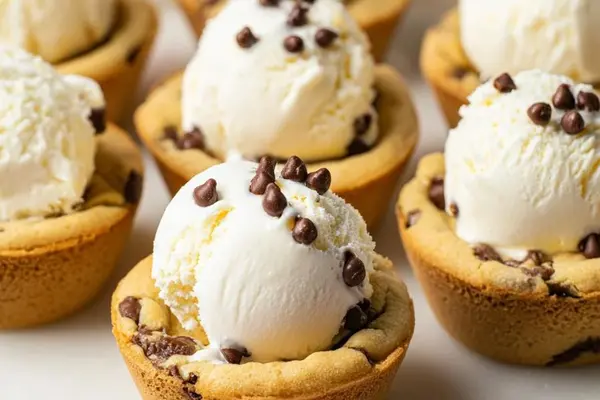
Cookie Ice Cream Bowls with Chocolate Chips
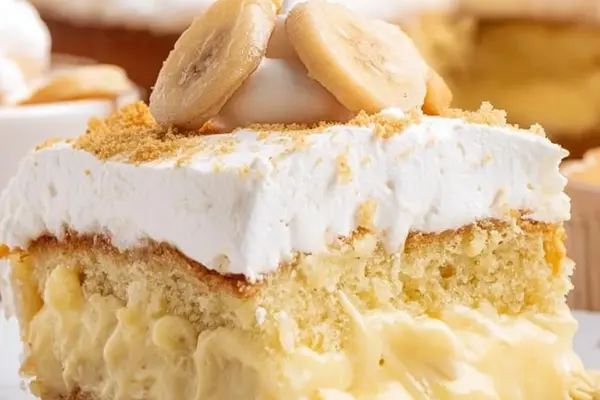
Banana Pudding Cake with Coconut Milk
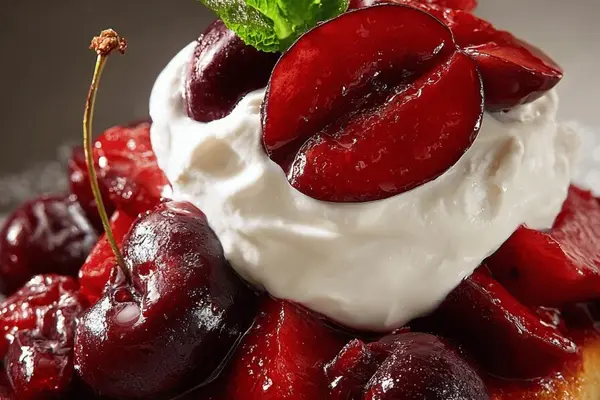
Plum Cherry Shortcakes with Maple Whipped Cream