Snow Crab Legs Guide
E
By Emma
Certified Culinary Professional
•
Recipe tested & approved
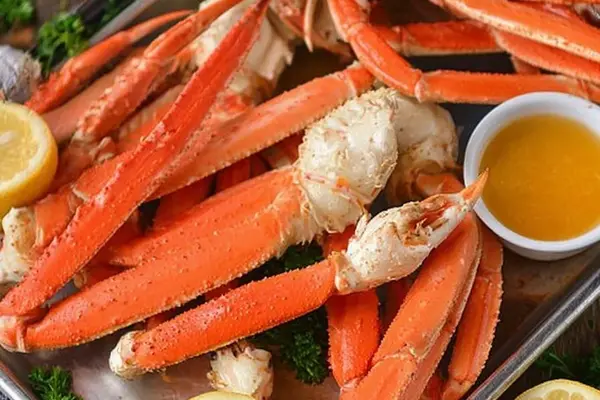
How to cook snow crab legs by boiling, steaming, baking, or grilling. Adjust water levels, salt quantities slightly. Work in batches if using smaller pots. Pay attention to thawed vs frozen timings. Use coarse kosher salt or substitute sea salt for briny kick. Visual cues like shell brightening and steam signals help nail timing. Remove crab legs promptly to avoid overcooking. Drain excess water before cracking for cleaner eating. Aluminum foil traps natural moisture in baking. Oil grill grates to prevent sticking. Insights on efficiency, common pitfalls, and sensory cues included.
Prep:
5 min
Cook:
20 min
Total:
25 min
Servings:
2 servings
#seafood
#crab legs
#boiling
#steaming
#baking
#grilling
#seafood cooking
Before You Start
Snow crab legs? A seafood classic that’s deceptively simple but easy to mess up. Boiling, steaming, baking, grilling—all valid. Each has its quirks, timing quirks mostly. Frozen or thawed dictates slightly different handling times; ignore at your own taste risk. I learned the hard way that water levels, pot choice, and salt amounts matter—too salty or bland is a quick fail. Steam traps moisture; overboil leaves dry, stringy meat. I prefer visual cues—the shell color change, how steam escapes, sound of bubbling or crackling. These tell you when they’re done better than clocks. Sure, crab legs take 10-15 minutes tops, but sensory details make or break the end result. No sous vide magic needed here, just understanding what’s happening inside that shell. And a few tricks are lifesavers if you’re short on space or tools.
Ingredients
- Snow crab legs approx. 1 pound
- Cold water
- Coarse kosher salt – about 1 1/4 tablespoons or sea salt
- Aluminum foil (for baking)
- Oil or spray for grill grates (optional)
In The Same Category · Seafood
Explore all →
Fish in Spiced Crust
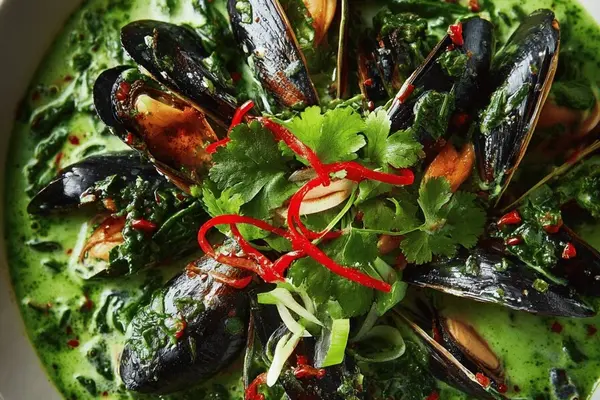
Green Salsa Mussels
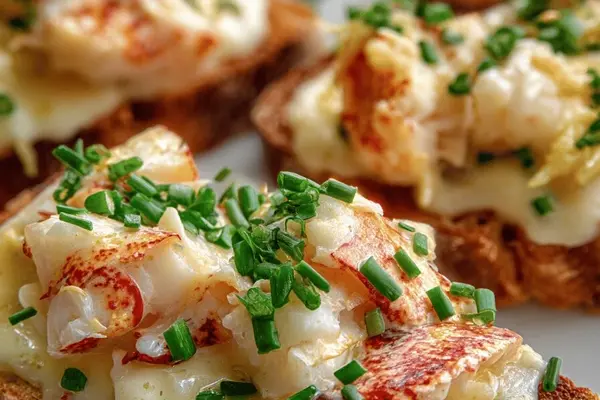
Lobster Croque-Monsieur Twist
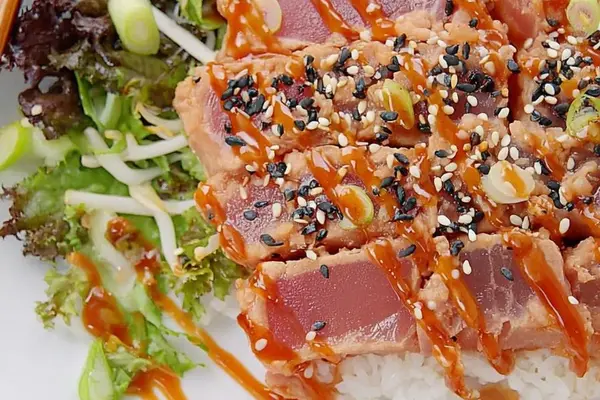
Sesame Seared Tuna Volcano
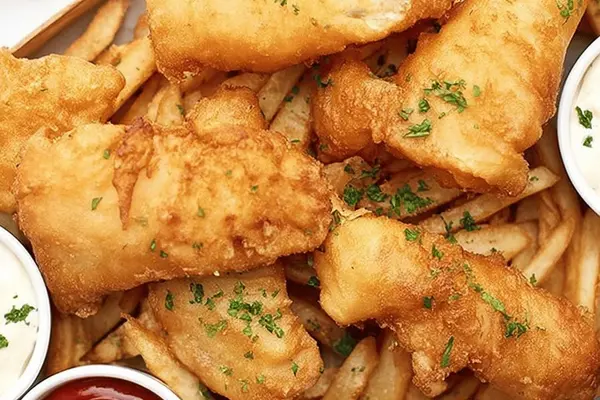
Crispy Beer Battered Cod
Lemon Dill Salmon Twist

Spicy Garlic Shrimp Twist
Glazed Fish Dijon Twist

Spiced Cajun Shrimp Skewers

Tangy Fish Tacos Twist
Spicy Citrus Air-Fried Salmon
Haddock Apricot Glaze
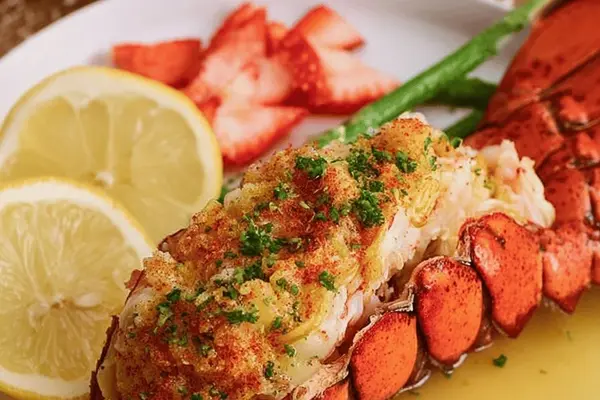
Crab-Stuffed Lobster Tail
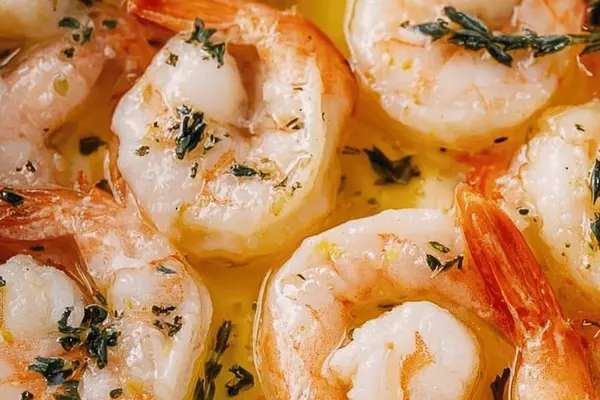
Garlic Lemon Brined Shrimp
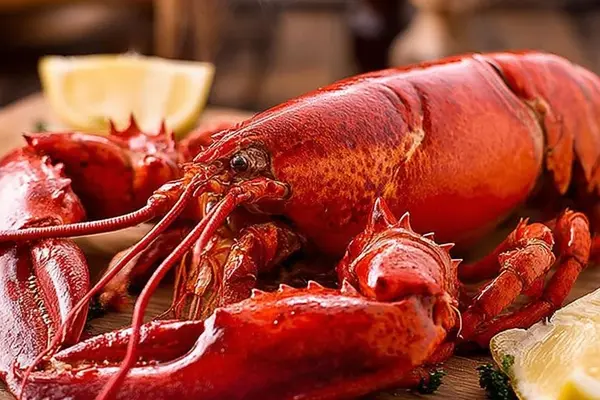
Steamed Lobster Simple
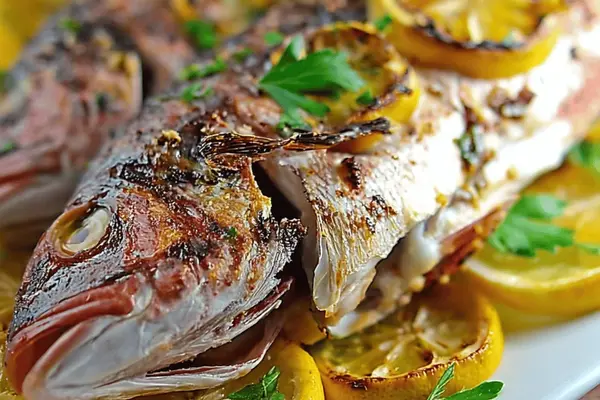
Grilled Whole Red Snapper
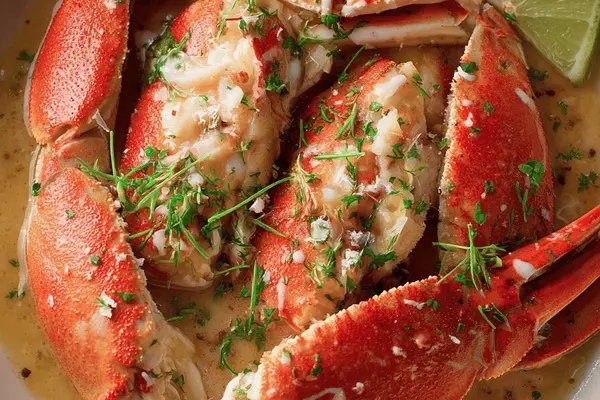
Hot Butter Snow Crab
Clams White Wine Bacon Crumble
Shrimp Scampi Twist
Maple Citrus Salmon
About the ingredients
Coarse kosher salt is the standard, but sea salt works; fine salt dissolves too fast, can over-salt. Adjust salt depending on desired brininess and crab freshness. Water—not too much to cover legs entirely is better, especially for steaming to force even heat. Skip butter in cooking; add after, butter can choke steam. For foil baking, foil quality matters—thin foil tears and loses steam. Oil or coconut spray the grill well or risk sticking/cracking shells. Frozen crab legs best fully thawed overnight, but if time-restricted, slight extra cooking compensates. When in doubt, hold off cracking shells until just before eating, crab meat dries out fast once exposed.
Method
How to Boil Snow Crab Legs
- 1. Big pot or Dutch oven? Depends on quantity. A decent Dutch oven fits about 0.45 kg at most; stock pot for whole batch. Avoid crowding – uneven cooking.
- 2. Fill pot half full with cold water. Add 1 1/4 tablespoons kosher salt. Briny but balanced, avoid fishy taste. Bring to a strong boil, hear the bubbling roar.
- 3. Drop crab legs carefully. Thawed? Simmer for roughly 3 1/2 minutes. Frozen? Closer to 5 1/2 minutes. Watch how shells brighten and steam billows, signals to check texture.
- 4. Lift out, place over paper towels on rimmed tray. Drain residual water stuck inside shells. Skip this, legs soggy, harder to crack cleanly. Let legs breathe before breaking them open.
How to Steam Snow Crab Legs
- 5. Same big pot or Dutch oven trick. Don't crowd; if small pot, work in halves. Steamer basket mandatory. No it doesn’t work without.
- 6. Add cold water to just kiss the steamer basket’s rim. Salt down to 1-2 teaspoons kosher salt here. Less water means more steam pressure, keeps meat moist.
- 7. Place crab legs in steamer basket, cover tightly. Thawed? About 5 1/2 minutes steam time; frozen? Push to 7 1/2 minutes based on altitude & size. Smell steam, subtle ocean scent intensifies.
- 8. Remove with tongs to a platter. Residual heat cooks them slightly after removing. Avoid opening lid early – steam escape means dry crab meat.
How to Bake Snow Crab Legs
- 9. Oven at 350°F. Toss crab legs in a deep baking dish or rimmed sheet—doesn’t need full single layer, pile is fine. Crusty edges will brown slightly as enclosed liquid steams.
- 10. Cover tightly with foil. Traps natural juices, steams crab legs gently. Bake thawed legs for 9-11 minutes. Watch foil’s slight ballooning; gas escapes pressure, a subtle timing hint.
- 11. Remove foil carefully—hot steam burst. Serve immediately. Watch legs plump and shells take on vivid orange-red tone.
How to Grill Snow Crab Legs
- 12. Preheat grill medium heat. Spritz or brush grates with oil to avoid sticking. Crab shells can catch fire if too dry.
- 13. Lay legs right on grill grates. Lid closed to trap heat. Heat through 3-4 minutes. Listen for subtle crackling sounds, aromatic char smoke.
- 14. Flip once mid-way or rotate if flames flare. Char adds smoky note but don’t overcook—shells harden, meat dries quickly.
- 15. Remove and serve hot. Good on its own but a lemon garlic butter dip is killer.
- Try each method, tweak salt and timing by crab size and freezer time. Crabby but rewarding.
Cooking tips
Preheat necessary before adding crab legs—cold water boil takes longer, encourages overcooking trying to chase the boil. Use a rimmed tray with paper towels to catch drips, prevents slippery hands and soggy meat post-cook. Don’t overcrowd pots—crab legs need surface space for even heat. Adjust times slightly ±20 seconds based on size and freshness; no one lies exactly in cookbook times. Steam cooking demands tight lids to harness heat and moisture, open lid and meat turns leathery. For grill, medium heat avoids burnt shells or rubbery insides. Tent foil loosely once baked but allow steam release to prevent soggy texture. Always trust color and smell signals over a timer; orange-pink shells turning bright and steaming richly mean done. If unsure, better undercook briefly and reheat gently than risk tough, dry legs.
Chef's notes
- 💡 Salt measurement is key. Coarse kosher salt preferred; sea salt works too but adjust for briny sharpness. Fine salt dissolves quick, burns taste balance. I learned too much salt kills natural crab flavor. Water level only half or less full when boiling to avoid watering down. For steaming, keep water just below steamer basket rim—more pressure, better heat distribution.
- 💡 Pot size influences heat and cooking evenness. Big Dutch oven fits about 1 lb crab legs nicely. Smaller pots? Work in batches. Crowding means uneven heat, inconsistent shell color, sometimes rubbery spots. Watch for shells brightening vivid orange-red; that’s your visual timer. Heat cues like bubbling boil roaring or gentle steam scent hold clues. They don’t lie.
- 💡 Handling frozen crab legs needs time shift. Thawed crab cooks faster—boil 3 1/2 minutes tops. Frozen tacks on 2-3 extra minutes, depends on altitude, size. Don’t rush thawing unless you want tougher meat. I once skipped thaw, crab turned stringy. Steam time too short? Leather texture follows. Don’t open lid early—steam escape dries meat fast.
- 💡 Baking needs tight foil sealing. Loose foil lets juice leak, crab dries out. I’ve torn cheap foil before; invest in thicker quality. Balloons foil slightly as gas forms during bake—that’s subtle sign. Oven 350°F held steady. Watch color changes, foil puff, sense steam venting quietly before removing. Remove foil slow for no steam burst burns.
- 💡 Grilling requires oil on grates or spray. Shells stick or crack without. Medium heat, lid closed traps heat well. Flames flare → flip mid-way or rotate legs. Listen close: crackles and smoky fire scents tell if done. Overcook and shells harden, meat dries fast. Lemon garlic butter dip optional but nice finish. Timing tricky with flare-ups.
Common questions
How long boil frozen crab legs?
Use about 5 1/2 minutes. Add couple minutes over thawed time. Depends on size too. Watch shells brighten and steam signals. Too fast means cold centers. Slow risers better for texture.
Can I steam crab legs without basket?
Not really. Water mustn’t touch crab. Basket creates steam environment. Tried without once, legs got soggy and uneven. Use foil rack workaround if no basket. Critical to trap heat and moisture.
Why crab meat rubbery sometimes?
Overcooked mostly. Steam or boil too long dries fibers. Opening lid early kills steam pressure, dries meat quicker. Also salt level factors. Under-salted water can toughen meat texture subtly.
How store leftover crab legs?
Wrap tight, fridge good 1-2 days max. Freeze if longer. Covered plate with foil ok short term. Reheat gently, steam or oven low to avoid drying out meat. Cold crab legs tough to reheat cleanly.
You’ll Love These Too
Explore all →
Spiced Turkey Roast with Carrots
Twisted Lemonade Syrup

Pitcher Paloma Remix
Seafood Cabbage Omelette
Pork Parmigiana Patties

Creamed Chipped Beef Remix

Shredded Tofu Sliders
Creamy Coffee Mudslide
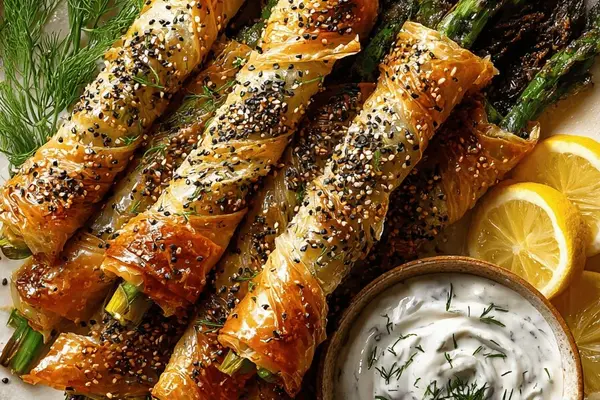
Crunchy Wrapped Asparagus

Citrus Lime Rice

Blueberry Cheesecake Cookies

Pickled Eggs with Shallots

Peanut Butter Pretzel Choc Cookies
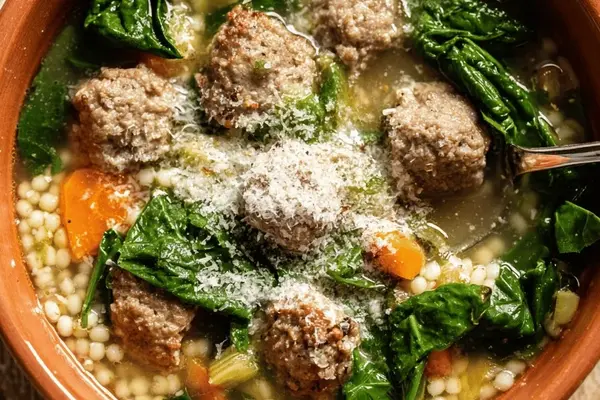
Rustic Italian Wedding Soup
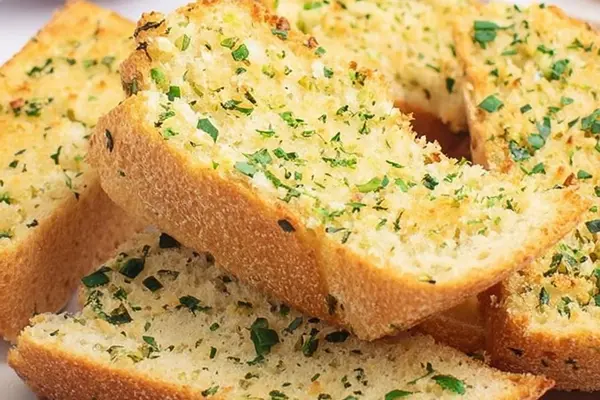
Garlic Butter Bread Twist

Vietnamese Fondue Sauces Remix
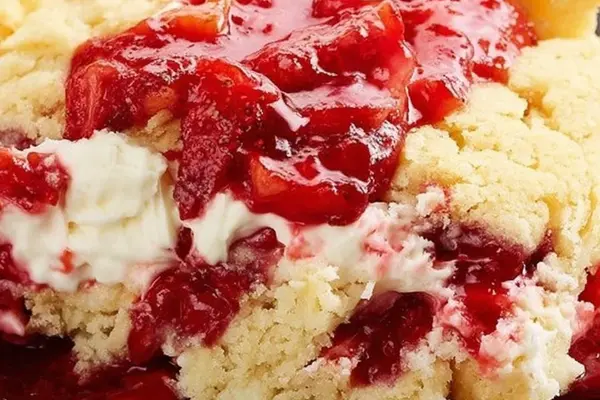
Strawberry Cheesecake Dump Cake
Beef Burger with Chipotle Cheese
Spiced Refried Pinto Beans
Maple Glazed Upside-Down Apple Cake