
Soft Cutout Sugar Cookies

E
By Emma
Certified Culinary Professional
•
Recipe tested & approved
Sugar cookie dough split in two, chilled hours, then rolled to about half inch thickness. Use favorite holiday cutters. Bake sheets lined with parchment; cookies spaced 1-2 inches apart to avoid merging. Re-roll scraps, chill in freezer quickly if too warm. Bake 8-12 minutes till edges faintly brown, centers puffed. Cool on sheet briefly, then wire rack. Royal-style sugary icing using powdered sugar, warm water, corn syrup, vanilla. Pinch salt balances sweetness, consistency tweaked by water or powder. Gel colors added sparingly; colors darken drying. Pipe outline with small round tip (#4 Wilton) then flood. Sprinkle or dip options. Dry at room temp 1-3 hours till hard. About 24-26 three-inch cookies.
Prep:
2h 15min
Cook:
0h 15min
Total:
2h 30min
Servings:
24-26 cookies
#cookies
#baking tips
#holiday treats
#icing techniques
Before You Start
Rolling chilled dough. I learned the hard way: too warm and cutters tear shapes, edges won’t hold crisp. Thick half inch rolls yield soft centers, yet crunch at edges. Using baking powder instead of soda adds gentle lift, less spread. Tiny kitchen hacks: re-chill scraps between roll-outs in freezer; dough warms fast under hands. Watch cookies in oven like a hawk for color change—edges light amber, centers puffed up but not cracked. Icing’s a game: balance water powder for just right flow. Add corn syrup to avoid dull finish, salt perks up flavor. Gel colors can turn out too bold once dried. Outline, flood, sprinkle fast—timing crucial. Patience till dry, cookies firm to pack or gift. Recipes teach but experience informs.
Ingredients
- For dough: 2 1/2 cups all-purpose flour, slightly reduced to 2 1/3 cups
- 1 teaspoon baking powder (swap baking soda for slight tang twist)
- 1/2 teaspoon salt
- 3/4 cup unsalted butter, softened but not melted
- 3/4 cup granulated sugar
- 1 large egg
- 2 teaspoons vanilla extract (vanilla bean paste works too, richer aroma)
- For icing: 3 cups powdered sugar (plus extra to adjust)
- 1/4 cup warm water
- 1 tablespoon light corn syrup
- 1 teaspoon vanilla extract
- Pinch salt
- Gel food colors
In The Same Category · Desserts
Explore all →
Dr Pepper Brownie Remix
Brown Butter Banana Cake

Valentine Sugar Cookies
Layered Pumpkin Spice Pie

Chunky Brownie Bites
Pear Upside-down Spice Cake
Chocolate Cream Cheese Pie
Brown Sugar Pecan Cake

Cheese Biscuits Strawberry Shortcakes
Old-Fashioned Apple Pie
Marshmallow Fluff Fudge
Maple Cream Cheese Frosting Twist
Easy Blackberry Cobbler
Brookie Stack Cookies
Strawberry Sheet Cake Remix
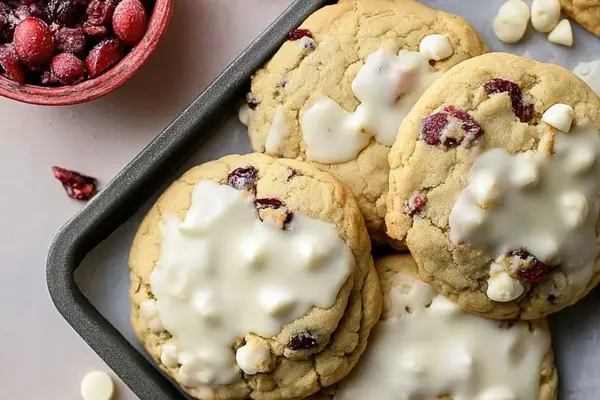
Cranberry White Chocolate Cookies
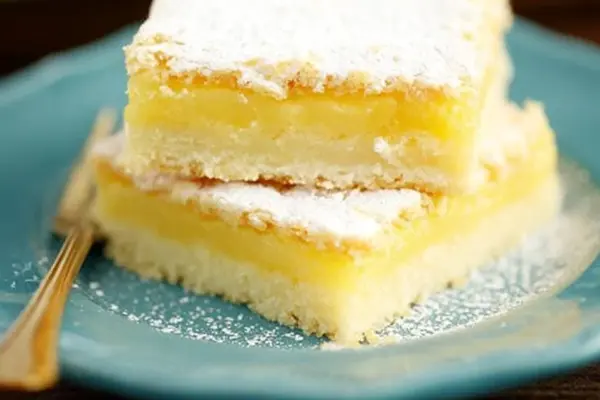
Tangy Lemon Cake Squares
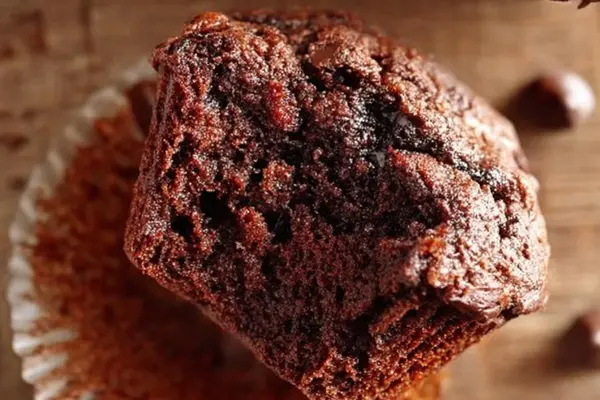
Dark Chocolate Chip Muffins
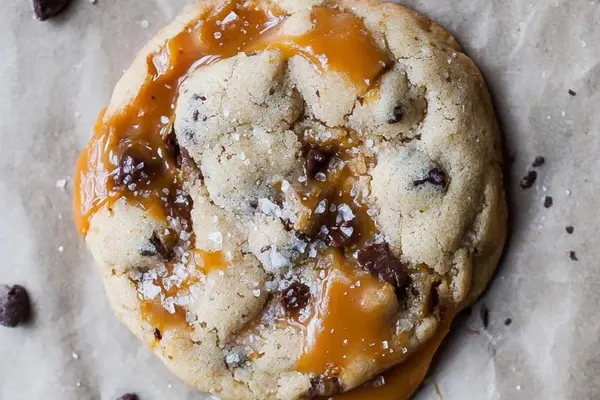
Salted Caramel Choc Chip Cookies

Raspberry Lemon Tart Remix
About the ingredients
Flour volume changes dramatically if too packed. Always measure by spooning flour loosely or sift— your cookie texture hinges on it. Butter’s softness matters: too warm and dough spreads thin; cold and you can’t mix smoothly. Swap baking powder for soda if you prefer slight chew and spread, soda reacts faster but can taste bitter if not balanced. Vanilla bean paste elevates aroma. Corn syrup keeps icing smooth, but mild honey or golden syrup can substitute if needed. Salt balances sugar aggressively sweet, don’t skip. If food gel not available, natural juices like beet or blueberry work but color fades faster. Keep dough cold between handling, expect multiple chills. Rushing here wrecks dough structure and shape.
Method
For the dough
- Measure dry ingredients exactly but sift flour for volume accuracy. Combine flour, baking powder, salt in bowl. Set aside.
- Cream softened butter and sugar until pale and fluffy; this traps air for tender crumb. Do not overbeat or it melts the butter.
- Add egg and vanilla. Mix just until combined; overmix toughens dough later.
- Gradually add dry mix, blend lowest speed to avoid flour clouds and dry tough spots. Dough should feel soft, not sticky.
- Divide dough in half. Wrap each and chill minimum 1 1/2 hours; can chill overnight. Cold dough prevents spread and keeps shape crisp edges with soft centers.
- On lightly floured surface, roll one half out to about 1/2 inch thick. Thicker dough yields softer cookie; thinner means crisp snap. Trust touch here.
- Cut shapes with cookie cutters. Press firmly to get clean edges; wiggle bad — cuts tear.
- Place cookies 1 1/2-2 inches apart on parchment-lined baking sheets. Space matters; cookies expand slightly and merge if too close.
- Collect scraps, re-roll once. Chill scraps 15 minutes in freezer before cutting again for less spreading. Avoid overworking dough; it warms too fast.
- Heat oven to 345-355°F— mid-range 350°F is fine but watch closely as every oven bakes differently.
- Bake cookies 7-12 minutes— look for edges just tinted golden and firm, centers puffed but not cracked. They firm further cooling. Too brown? Overbaked, dry.
- Cool on baking sheet 5 minutes to set structure, then shift to wire racks to stop steam from soggy bottoms. Let cool completely before icing.
For the icing
- Place powdered sugar in medium bowl. In small bowl, whisk warm water, corn syrup, vanilla thoroughly.
- Pour liquid slowly into sugar, stirring gently to avoid lumps. Icing thickness matters: too thin runs off; too thick cracks when drying.
- Add pinch of salt to cut sweetness; taste test essential. Adjust with tiny water drops or a sprinkle more sugar until viscous and creamy.
- Divide icing into smaller bowls for colors. Add gel colors dropwise; colors darken as they dry, so err on lighter side.
- Transfer to piping bags fitted with round tip #4 Wilton or to squeeze bottles for easier control. Outline cookies first to create dam.
- Fill center with thinned icing, flood carefully but quickly before outlining sets hard. Toothpick handy for spreading or fixing bubbles.
- Add sprinkles immediately or dip cookie edges for festive texture. Work on parchment or trays to avoid mess.
- Let decorated cookies dry at room temperature. Usually 1 to 3 hours depending on humidity and icing layer thickness. Do not refrigerate or icing may sweat.
- Package only once icing is fully hard or the decorations smear or stick.
- Keep leftover dough tightly wrapped in fridge up to 3 days or freeze for months. Icing can be stored airtight but may need stiffening whisk before use.
Cooking tips
Start mixing dry ingredients separately to avoid clumps and uneven leavening. Cream butter and sugar thoroughly— fluffy stage traps air, ensures tender crumb. Add eggs slowly; overmixing flour toughens cookies. Cold dough rolls easier, cuts cleaner; hot hands crash edges. Use parchment lined trays to prevent sticking and ease cleanup. Cut-outs require firm pressure; cookie cutters with clean edges best to maintain design. Re-roll scraps quickly, chill after each pass— prevents dough softening. Baking: watch edges for pale browning and firm texture; middles puff but stay pale. Less than 8 mins underbaking leads to doughy cookies; above 12 toughens. Icing mix thick, adjust with tiny liquid or powder as needed. Outline first creates barrier—flooding inside prevents messy spills. Use toothpick for air bubbles; decorate while wet for sprinkles adhesion. Dry at room temp till fully firm— don’t rush with fridge or heat, icing sweats and smears. Store decorated cookies in single layers to avoid damage.
Chef's notes
- 💡 Chill dough minimum 90 minutes. Cold dough cuts cleaner edges; warm dough tears shapes. Re-chill scraps between rolls to keep thickness consistent and prevent spreading. Dough softness controls crumb texture; too soft and cookies flatten fast. Roll thickness guides final bite—thicker means soft chew, thin pulls crisp snap. Use parchment for spacing; 1 ½ to 2 inches apart keeps cookies from merging. Egg binding delicate; overmix toughens flour network, so mix just until combined.
- 💡 Butter softened but not melted. Cream with sugar until fluffy—this traps air, gives crumb lightness. Avoid overbeating to prevent butter meltdown and greasy texture. Baking powder adds gentle lift; swap soda only if you want a touch of chew and spread but watch bitter aftertaste from soda unbalanced acids. Monitor oven closely 345-355 degrees Fahrenheit; color shift first indicator — edges faint amber, centers puff slightly, not cracked.
- 💡 Icing consistency critical. Mix liquid slowly into powdered sugar; too thin runs off cookie edges, too thick cracks on drying. Corn syrup smooths glaze, keeps shiny finish, but mild honey swap possible with flavor shifts. Pinch salt offsets sugar overkill; acts as flavor punch. Gel colors fade darker when dry, so err lighter when tinting. Outline creates dam; flooding after sets neat fill. Toothpick handy for air bubbles, quick fixes before drying starts. Sprinkles stick only on wet icing, dip edges immediately.
- 💡 Every oven differs; rack position and air flow influence baking times. Cookies baking too fast brown edges but remain doughy centers — lower temp a bit, extend bake time with watchful eye. Cooling on sheet firm ups edges; move to wire racks quickly to prevent sogginess from trapped steam underneath. Icing drying best at room temp. Refrigeration causes sweat and smears.
- 💡 Storage tight seal. Dough frozen months; thaw wrapped to prevent dry crust. Icing stiffens in fridge; whisk lightly before use. Decorated cookies layered with parchment between keeps decorations intact but avoid stacking too soon. Timing of chills and icing takes patience; rushing wrecks texture and look. Watch for subtle signs—cookie tops lose sheen, edges firm — that’s done.
Common questions
How thick to roll dough?
Around half inch thick best—thicker yields soft inside, edges still firm. Too thin snaps instead of yielding tender crumb. Use ruler or eyeball but thickness controls chew. Rushing rolling warm dough causes tearing edges.
Can I replace baking powder?
Baking soda works but watch flavor shift. Soda rises faster; cookies spread more thinly. May need acid balance in recipe or risk bitter taste. Powder more stable for cutouts needing shape hold. Try half soda, half powder for blend.
Edges burn but centers underdone?
Lower oven temp slightly, use middle rack. Longer bake slower finish. Also check oven hot spots. Rotate pans halfway. Thicker dough or colder dough can change timing. Watch colors not clock.
How store decorated cookies?
Airtight container best; parchment between layers to avoid decoration damage. Avoid fridge unless humidity high—icing sweats then. Cookies keep well several days at room temp if dry. Freeze undecorated dough tightly wrapped.
You’ll Love These Too
Explore all →
Cornbread Salad Remix
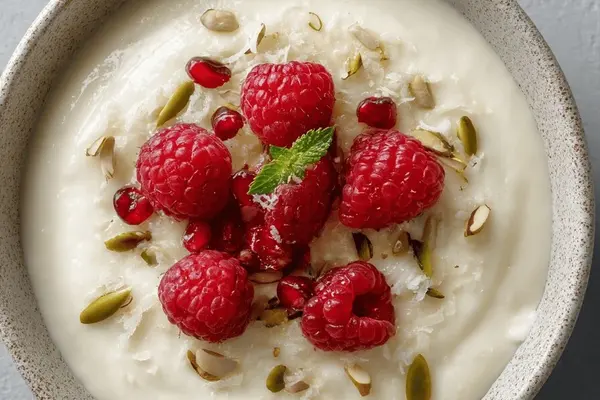
Vanilla Frozen Yogurt Remix

Spicy Garlic Shrimp Twist

Double Chocolate Éclairs

Rhubarb Hibiscus Cooler
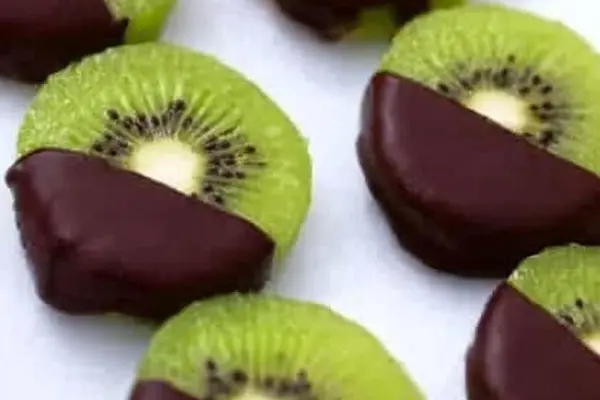
Choc-Dipped Kiwi Rounds
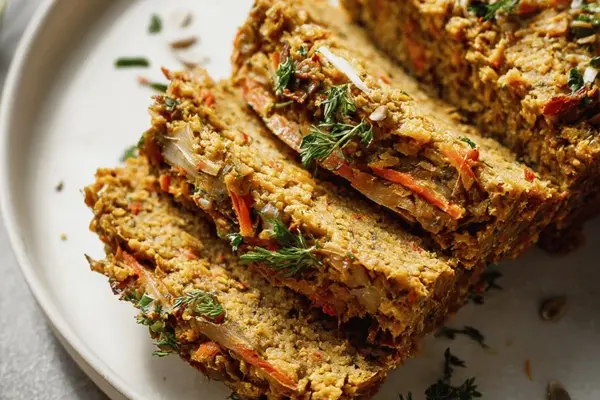
Sunflower Veggie Pâté
Brookie Stack Cookies

Oven-Baked Steak Hash Omelet

Sesame Salmon Edamame Bowl

Tangy Milk Buns
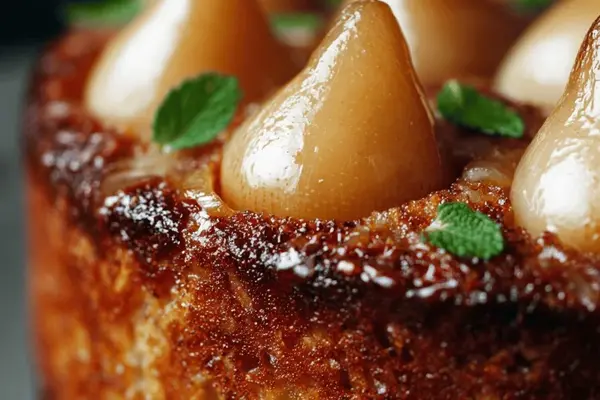
Almond Paste Pear Cake

Veal Bites in Spicy Glaze

Slow Cooker Green Bean Casserole

Grilled Pitas with Green Veggies
Veal Rack with Wild Mushroom Sauce
Espresso Chip Brownies

Slow Cooker Italian Beef

Cookie Monster Cupcakes

Lobster White Chocolate Soup