
Gingerbread Men Cookies with Cream Cheese
By Emma
Certified Culinary Professional
·
Recipe tested & approved
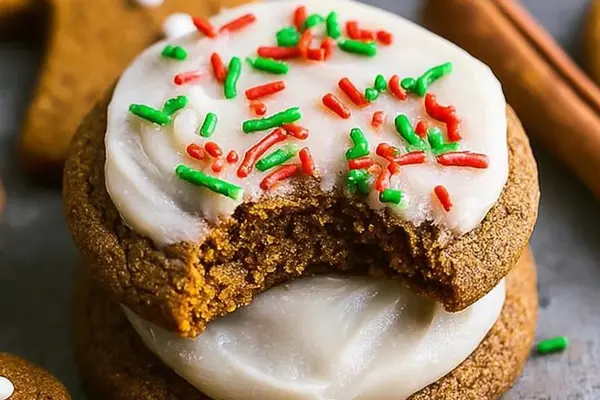
Butter and brown sugar. Three, four minutes until it’s pale and light — that’s where it starts. Molasses comes in next, dark and thick. One egg. Vanilla. Then flour mixed with ginger, cinnamon, cloves. Bake at 350 for maybe eleven minutes. Edges go golden. Centers stay soft. They taste like Christmas got baked into a cookie.
Why You’ll Love These Gingerbread Men
Homemade gingerbread cookies taste nothing like the box stuff. These actually have molasses depth — not just sugar and spice coating your mouth. Takes 31 minutes total. Twenty to prep, eleven in the oven. Not a weekend project. Cream cheese frosting makes them taste better the next day. The spice settles in overnight. Kids decorate them. Adults eat four in a row. Works for both. Dough comes together fast. No chilling required if you don’t want to wait — scoop and bake cold from the mixer bowl and they’re fine.
What You Need for Gingerbread Cookie Dough
Unsalted butter. One cup, soft. Not melted. Not cold from the fridge — soft like it’s been sitting out an hour.
Brown sugar, packed. Three quarters of a cup. Light or dark. Dark makes them deeper, less bright. Light keeps more molasses flavor front and center.
Molasses. One third cup. Use the actual molasses, not honey, if you want that specific gingerbread thing — honey makes them softer, less chewy. Molasses is thicker. It matters.
One large egg. Room temperature works better. Cold eggs break up the fluffy you just made.
Vanilla. Half a teaspoon. Not a tablespoon. Just enough.
Flour. Two and a quarter cups. All-purpose. Don’t sift unless you have lumps, but if your flour’s been sitting in a humid cabinet, sift it.
Baking soda. One teaspoon. This is what makes them rise and spread slightly.
Baking powder. Half a teaspoon. Sounds small. Skip it and they get dense like hockey pucks.
Ground ginger. One tablespoon. That’s your main spice. If it’s been in your cabinet for two years, replace it. Old ginger tastes like nothing.
Ground cinnamon. One teaspoon. The warm note that rounds everything out.
Ground cloves. Quarter teaspoon. Just enough to make people say “what is that spice” without knowing.
Salt. A tiny pinch. Maybe an eighth of a teaspoon. Cuts the sweet.
For frosting: cream cheese, powdered sugar, more butter, more cinnamon, vanilla, milk. Optional sprinkles.
How to Make Gingerbread Men Cookies
Set oven to 350. Line your baking sheets with parchment. Don’t grease them with butter or spray. Cookies spread enough without help.
Grab a big bowl. Paddle attachment if you have a stand mixer, hand mixer if not. Beat the butter and brown sugar together. Three minutes. Four if you’re not in a rush. It should look pale. Slightly fluffy. The sugar dissolves into the butter instead of staying gritty. This step matters more than people think.
Scrape down the sides. Get the stuff stuck to the bowl back into the mix.
Add the egg. Add the molasses. Add the vanilla. Mix until you can’t see the streaks anymore. Don’t keep going after that. Overmixing at this point deflates what you just made fluffy.
In another bowl — smaller one — whisk together flour, baking soda, baking powder, ginger, cinnamon, cloves, salt. Combine them all before they hit the wet stuff. Lumps get broken up this way instead of beaten into submission.
Add the dry to the wet. Do it in two batches. Fold it in on low speed with the mixer, or by hand. Dough should come together soft and tender. Still slightly sticky. That’s right.
Scoop with a small cookie scoop if you have one. One and a half tablespoons per cookie. Space them two inches apart on the sheet. They rise a bit. They spread a little. They don’t go crazy, but they don’t stay tiny either.
How to Get Gingerbread Cookies Perfect Every Time
Bake for nine to twelve minutes. Not eleven. Not ten. Somewhere in that range depends on your oven, how cold your dough was, whether Mercury’s in retrograde — doesn’t matter. Watch for the real signs.
Edges should go light golden. Not dark. Light. The center should look set but still soft when you touch it gently. Like it yields. That’s done. If it still looks wet in the very middle, another minute. Maybe ninety seconds.
Pull them out. They’re going to feel way too soft. That’s correct. Let them sit on the baking sheet for five minutes. Just sitting there. Not moving. They firm up. The bottoms set. Then transfer to a wire rack to cool all the way.
Don’t try to move them hot or they’ll crack in half. Don’t wait until they’re totally cold on the sheet or the bottoms get cakey and dense from the residual heat.
The smell tells you when they’re almost done. Deep spice. Warm molasses. That’s the sign more reliable than any timer.
Gingerbread Cookie Tips and Common Mistakes
Molasses varies. Some bottles are thick and dark and bitter. Some are thin and mild. If yours tastes aggressively bitter, swap half of it for honey next time. Honey won’t taste like honey in the final cookie — it just softens the bite and makes them chewier.
Cold dough won’t scoop right. It cracks. It tears. If your dough’s been in the mixer for a while and got hard, let it sit on the counter for ten minutes or give it five seconds in the microwave. Just a touch. Soft but still cold.
Flatten too much? Add a tablespoon more flour next time or chill the dough for fifteen minutes before baking. Both work. Chilling is faster if you’re impatient.
Don’t skip the baking powder. It adds lightness. Without it they’re dense and heavy like actual gingerbread cake instead of cookies.
Storage matters. Room temperature in an airtight container, they last three days. After that they start tasting stale. Frosted cookies especially. The frosting pulls moisture out of the dough if they sit too long at room temp. Put them in the fridge if you’re keeping them past day two, but they get tougher. Unfrosted cookies freeze fine for weeks.
If you stack frosted cookies, put wax paper between layers or the frosting glues them together and tears when you try to separate them.
Cream cheese frosting — beat it until thick before you add milk. Once you start adding milk, do it teaspoon by teaspoon. Stop before it’s runny. Spreadable and thick is the target. Runny frosting slides off and tastes less like frosting.
Spread it on completely cooled cookies. Warm cookies melt the frosting into a puddle. Put sprinkles on while the frosting’s still tacky so they stick instead of sliding off.
Gingerbread Men Cookies with Cream Cheese
Prep:
20 min
Cook:
11 min
Total:
31 min
Servings:
30 servings
Ingredients
- 1 cup unsalted butter softened
- 3/4 cup packed brown sugar (light or dark)
- 1/3 cup molasses (or substitute honey for milder)
- 1 large egg
- 1 teaspoon vanilla extract
- 2 1/4 cups all-purpose flour
- 1 teaspoon baking soda
- 1/2 teaspoon baking powder
- 1 tablespoon ground ginger
- 1 teaspoon ground cinnamon
- 1/4 teaspoon ground cloves
- Cap pinch salt
- Cream Cheese Frosting
- 4 ounces cream cheese softened
- 1 1/2 cups powdered sugar sifted
- 2 tablespoons unsalted butter softened
- 1/2 teaspoon ground cinnamon
- 1/2 teaspoon vanilla extract
- 2 to 4 teaspoons milk (adjust for spreadable)
- Optional Christmas sprinkles
Method
- Cookie dough
- 1 Set oven to 345°F to 350°F. Line sheets with parchment or silicone mats. No direct greasing, cookies spread too much otherwise.
- 2 In a big mixing bowl, use paddle attachment or hand mixer. Beat butter and brown sugar for 3 to 4 minutes until fluffy and slightly pale. Stops gritty sugar bits. Scrape sides often; don't rush this step.
- 3 Add egg, molasses (or honey for softer note), and vanilla. Mix just until homogenous. Too much mixing here starts to break down the fluff.
- 4 In another bowl, whisk flour, baking soda, baking powder, spices, and salt. Sifting isn’t mandatory but throws lumps out and makes dough uniform.
- 5 Add dry to wet in two additions. Fold with mixer on low or by hand. Dough should come together but remain tender. Overworking makes cookies tough.
- 6 Scoop 1 1/2 tablespoons dough balls with a small cookie scoop or spoon. Place about 2 inches apart, as they rise and spread slightly.
- 7 Bake for 9 to 12 minutes. Edges go light golden and the center looks set but soft when touched. Should feel like it yields slightly. If too soft, back in oven 1–2 minutes more. Don’t rely on strict time; oven heat varies.
- 8 Let cool 5 minutes on sheet so cookies firm up before transferring to wire rack. Too hot to move will cause breakage; too cold and cookies get cakey.
- Cream cheese frosting
- 9 Beat cream cheese, powdered sugar, butter, cinnamon, and vanilla until thick. Add milk teaspoon by teaspoon to loosen spreadability but avoid runny frosting.
- 10 Spread on completely cooled cookies with offset spatula for neat edges. Sprinkle holiday colored bits on tacky frosting so they stick. Frosting is tasty thick or thin but melts if cookies warm.
- Tips and troubleshooting
- 11 Molasses can vary in sweetness and thickness; honey tames strong bitterness but reduces chew. Substitute butter with margarine carefully — texture changes noticeably. Too cold dough won’t scoop well; soften for 10 minutes or microwave 5 seconds.
- 12 If cookies flatten too much, flour a bit more or chill dough 15 minutes before baking. Baking powder adds lightness — don’t skip it or cookies densify.
- 13 Signs of doneness — smell deep spiced aroma, edges slightly curl up, centers still soft but not wet. Underbaking leaves waxy middles, overbaking dries edges into crackers.
- 14 Store frosted cookies in airtight containers at room temp max 3 days; longer refrigeration toughens dough but frosting lasts better chilled.
- 15 Use wax paper between stacked frosted cookies to prevent sticking.
Nutritional information
Calories
150
Protein
1.5g
Carbs
21g
Fat
7g
Frequently Asked Questions About Gingerbread Cookie Recipe
Can I make gingerbread men without molasses? Honey works. Not the same thing — they’ll be softer and less chewy — but they taste good. Corn syrup doesn’t work. Too thin. Too sweet without the depth.
How do I know when gingerbread cookies are done baking? Edges light golden. Center soft but not wet. Smell the spice. That’s your signal more than any timer. Nine to twelve minutes depending on your oven. The smell matters most.
Can I chill the dough overnight? Yeah. Wrap it. Fridge it. Scoop it cold the next day or let it warm up ten minutes first. Cold dough from the mixer bowl bakes fine without chilling, so don’t feel obligated.
What makes gingerbread snaps different from regular ginger cookies? The snap comes from more ginger and spice, less molasses, sometimes a touch of sugar on top while they’re hot. These are softer, chewier. Less crispy. Different animal.
Does the cream cheese frosting need to stay refrigerated? Not for three days at room temp. After that it gets weird. Frosting keeps better cold. Cookies get tougher cold. Pick your priority. Most people just eat them.
Can I substitute the spices? Not really. Ginger has to stay. Cinnamon’s optional if you hate it, but it rounds everything. Cloves is small enough that skipping it doesn’t break the thing, but it does something. Together they taste like gingerbread men. Separate it’s just sugar and spice cookies.
Why does my gingerbread cookie dough stick to the scoop? Warm hands. Cold dough. Dip the scoop in flour before each one or run it under cold water and tap it dry. Stops sticking every time.
You’ll Love These Too
Explore all →
Buttermilk Rye Crumpets Recipe

Pumpkin Snickerdoodle Recipe Cookies
Pork Chops With Pears: Honey Maple Glazed
Marinated Bavette Steak with Cilantro Sauce

Recipe For Chicken For Tacos

Creamy Carrot Soup with Tahini Sauce

Baked Mac and Cheese with Smoked Gouda
Apple Blueberry Almond Muffins Recipe

Lemon Fennel Roasted Chicken Breasts
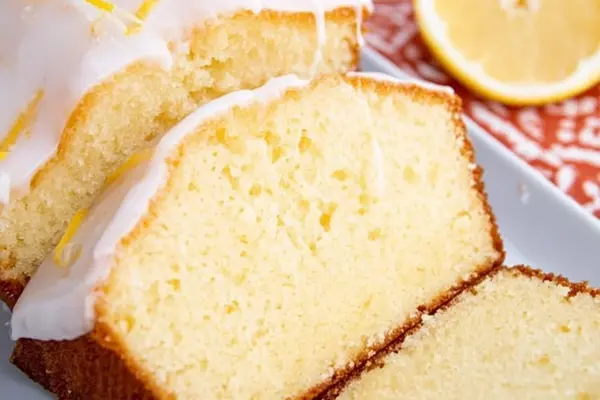
Yogurt Plum Cake with Lemon Glaze

Corn Flour Savory Crêpes with Smoked Paprika

Keto Peanut Butter Balls – No-Bake

White Wine Cocktail with Vodka & Citrus

Curried Beef Stuffed Peppers with Sweet Potatoes
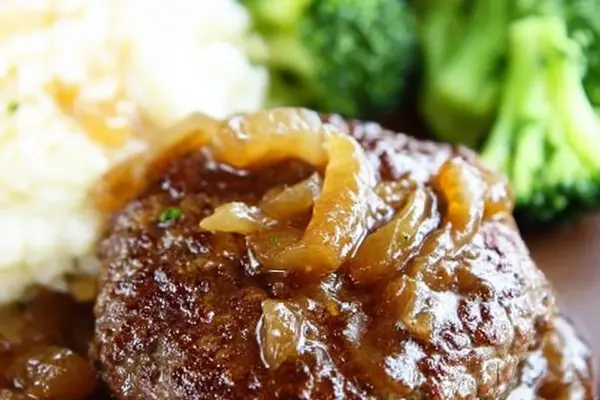
Hamburger Steaks with Onion Gravy

Thai Kitchen Curry Paste Red Sauce

Steel-Cut Oats with Cinnamon & Orange Zest
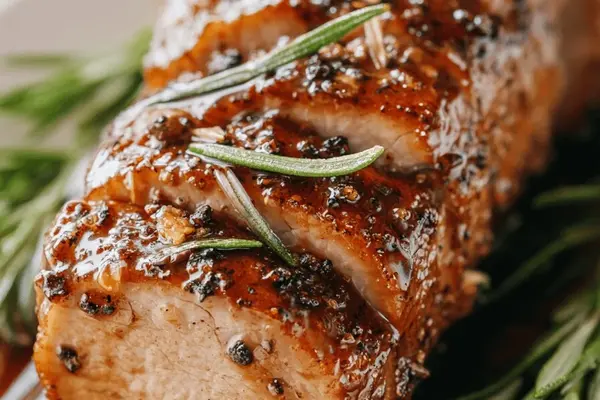
Pork Tender Loin Recipe with Honey Garlic

Cheesy Macaroni Recipe with Sweet Potato