Almond Cookies Recipe with Butter & Vanilla

By Emma
Certified Culinary Professional
·
Recipe tested & approved
Divide the dough in half. Roll it out thin between parchment—about half an inch. That thickness matters. Too thin and the edges go hard and snappy. Half an inch keeps them tender all the way through, even after they cool.
Why You’ll Love These Almond Cookies
Takes 27 minutes start to finish. Fifteen to prep, twelve in the oven. They’re soft. Like, actually soft. The kind of cookie that’s still chewy the next day. Works as a holiday dessert or just because. No special occasion required. Easy enough that a kid can help. Food processor does most of the work. You can make them plain or frosted and decorated. Both ways are good.
What You Need for Almond Cookies
Two and a quarter cups all-purpose flour. Nothing fancy. Three quarters cup sugar. Granulated, not powdered—the dough comes together better that way. Half a teaspoon of salt. Kosher or fine. Fine dissolves better. A teaspoon of baking powder. Not baking soda. They’re different. Twelve tablespoons of butter. Cold. Cut into pieces before you start. Cold is the whole thing. One egg plus one yolk. The yolk makes them richer. Vanilla extract. A teaspoon and a half. You already have this. Optional almond extract—a quarter teaspoon. Or lemon extract if you want something different. Milk. Just a splash. Maybe a tablespoon total. Only if the dough won’t come together.
How to Make Almond Cookies
Food processor is faster. Combine flour, sugar, salt, and baking powder. Pulse a few times. Just until it looks even. Toss in the cold butter pieces. Blitz again. You want it sandy. Still bits of butter visible. That’s what gives you the tender crumb. Add the egg, yolk, vanilla, and almond extract if using. Pulse in short bursts. Stop as soon as the dough starts clumping. Overwork it and they toughen. Not worth it. Milk goes in only if it’s too crumbly. Just a splash. Usually you don’t need it.
Or use a stand mixer. Combine sugar and salt. Beat in the cold butter on medium. Watch it turn creamy without melting. The butter should stay in distinct pieces that gradually blend, not turn into paste. Add the egg, yolk, and extract. Mix until combined. Switch to low speed. Fold in the flour and baking powder. Just until the dry stuff disappears.
Either way, divide the dough in half. If it’s rough, knead it gently on a floured surface just to bring it together. Don’t overwork it. You’re not making bread.
How to Get Tender Almond Cookies
Sandwich each dough half between parchment sheets. Roll to half an inch thick. This is specific on purpose. Freeze both packs 15 to 25 minutes. Until firm but not rock solid. Cold dough cuts clean. Warm dough tears. Using a pizza cutter or sharp knife, slice into squares or rectangles. Sizes don’t have to match. Re-roll scraps, chill again if they warm up.
Bake at 345 to 350 degrees. Watch the edges. Golden. Centers still pale. About 12 minutes. If you’re not sure if they’re done, poke the center lightly. Should spring back just barely. Overbaking dries them out. That’s the mistake everyone makes. Cool them fully before frosting.
Almond Cookies Tips and Common Mistakes
The butter has to be cold. This is not negotiable. Cold butter stays in pieces. Those pieces create the tender crumb. Room-temperature butter and you get dense, tough cookies. Roll to half an inch. Not thinner. Not thicker. Half an inch. Don’t overbake. Golden edges, pale center. That’s it. Pull them out early rather than late. If you want to decorate—whip up some buttercream. Gel food coloring if you’re going holiday colors. Red, green, white. Spread or pipe it on while the cookies are cool. Sprinkles go on while the frosting is still tacky. Store in an airtight container. They keep soft for days. Fridge not necessary unless it’s hot where you live.
Almond Cookies Recipe with Butter & Vanilla
Prep:
15 min
Cook:
12 min
Total:
27 min
Servings:
60 squares
Ingredients
- 2 ¼ cups all-purpose flour
- ¾ cup granulated sugar
- ½ teaspoon fine salt
- 1 teaspoon baking powder
- 12 tablespoons unsalted butter cold, cut into pieces
- 1 large egg plus 1 egg yolk
- 1 ½ teaspoons vanilla extract
- ¼ teaspoon almond extract optional; use lemon extract alternative
- 1-2 tablespoons whole milk splash if dough too dry
Method
- Food processor method
- 1 1 Combine flour, sugar, salt, and baking powder in food processor bowl. Pulse a few times just to mix evenly.
- 2 2 Toss cold butter cubes in. Blitz briefly until mixture looks sandy with pea-size butter bits. That’s key for tender flakes, not paste.
- 3 3 Add egg, yolk, vanilla, and optional almond or lemon extract. Pulse in short bursts until the dough just starts to clump up but isn’t overworked. Add a splash of milk if it seems crumbly or won’t hold.
- Stand mixer method
- 4 4 Mix powdered sugar (or granulated if preferred) with salt briefly in bowl.
- 5 5 Switch to paddle attachment. Add butter pieces cold. Beat on low then medium speed. Watch for butter and sugar turning creamy without melting. Scrape bowl sides often.
- 6 6 Toss in egg, yolk, vanilla, and optional almond/lemon extract. Mix until combined.
- 7 7 Fold in flour and baking powder gently. Use slow speed or hand fold. Just until no dry flour patches remain. Add splash milk if dry.
- Common steps
- 8 8 Divide dough in half. If rough, gentle knead on floured surface just to bring together, no overworking or it toughens.
- 9 9 Sandwich each half between two parchment sheets. Roll to about ½ inch thickness. Why thick? Cookies puff nicely and stay tender. Thin means hard edges.
- 10 10 Freeze both packs 15-25 minutes until firm but not frozen rock solid. Helps cleaner cuts.
- 11 11 Using pizza cutter or sharp knife, slice into squares or rectangles. Don’t stress precise sizes; re-roll scraps and chill again if dough warms.
- 12 12 Bake on parchment-lined sheet at 345-350°F. Watch edges: golden but centers still pale; poke lightly if unsure. Overbake dries out chewiness.
- 13 13 Let cool fully before topping.
- Frosting and decorating
- 14 14 Whip up buttercream. I like keeping one batch white, dye two more holiday red and green using gel colors — less runny, richer hues.
- 15 15 Spread or pipe a dollop on each. Sprinkle festive decorations while frosting still tacky. Crunch of sprinkles, color pop makes these irresistible.
- 16 16 Store cooled decorated bites in airtight container. They keep softness for days, fridge not necessary unless hot weather.
Nutritional information
Calories
85
Protein
1g
Carbs
10g
Fat
5g
Frequently Asked Questions About Almond Cookies
Can you use almond flour instead of regular flour? No, not really. Almond flour cookies are a totally different texture. These need regular all-purpose flour to hold together and get that tender bite. If you want almond flour cookies, that’s its own recipe.
Do these actually taste like almonds? Only if you add the almond extract. And even then it’s subtle. The vanilla is louder. Skip the almond extract if you prefer—they’re still good. Lemon extract is actually better sometimes.
Can you make them ahead? Dough keeps in the fridge three days. Roll it out, freeze it between parchment, then bake whenever. The frozen dough might need an extra minute in the oven.
Why are mine hard? Baked too long. Every oven runs different. Check them at 10 minutes. If the edges look golden, pull them. They keep cooking after they come out.
Can you freeze the baked cookies? Yeah. Airtight container, up to three months. Thaw at room temperature. Frost after if you’re decorating.
What’s the difference between almond and lemon extract? Almond is nutty and warm. Lemon is bright. Use whichever sounds better to you. Or skip it entirely—vanilla carries the whole thing fine.
You’ll Love These Too
Explore all →
Retro Chicken Tetrazzini Casserole
Italian Meatballs with Ricotta Topping

Cheese Casserole Potato with Gruyère

Peppermint Chocolate Shards with Candy Canes

Ginger Chicken Fried Rice with Mushrooms

Coconut Cream Pie Bites with Almond Bark
Kiwi Strawberry Smoothie with Coconut Water
Homemade Panko Breadcrumbs with Olive Oil
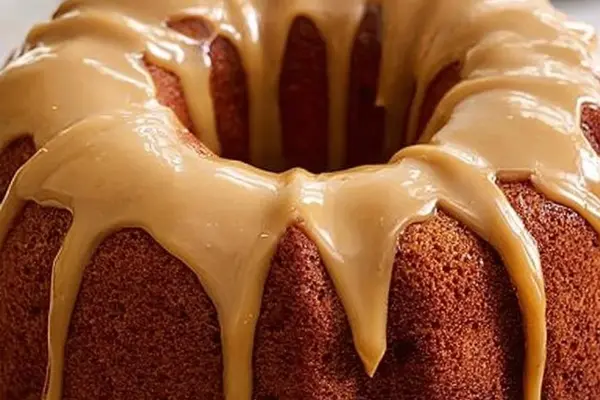
Salted Caramel Pound Cake Recipe
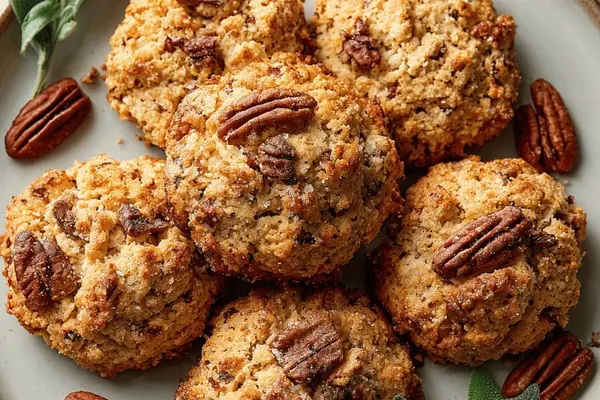
Pecan Butter Biscuits with Cardamom
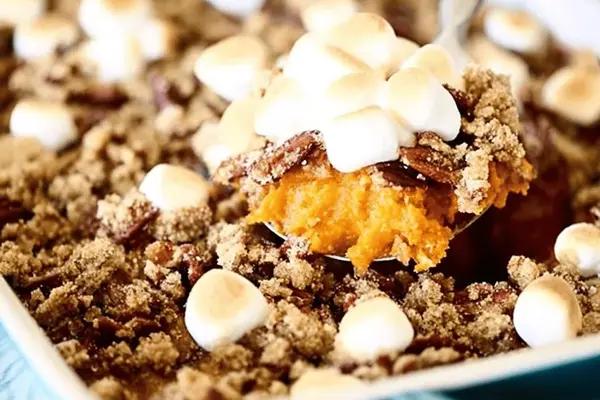
Sweet Potato Casserole with Pecans & Marshmallows

Lentil Wonton Tacos with Chipotle
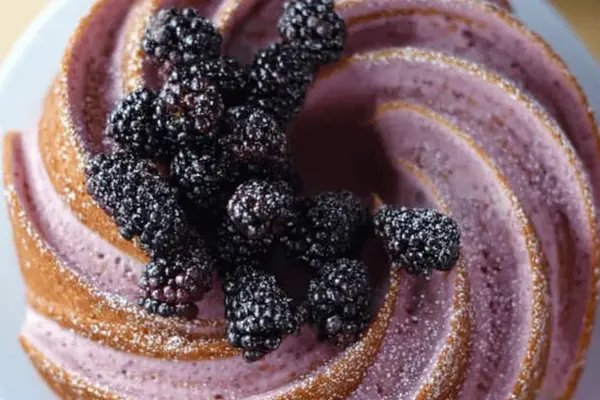
Blackberry Cake with Ginger Ale
Bean Tostada Recipe: Quick 15-Minute Meal

Crispy Dill Pickle Fritters with Cornmeal
Creamy Yukon Gold Mashed Potatoes
Citrus Mousse Cookies with Finger Lime
Apple Tart with Granny Smith and Fuji
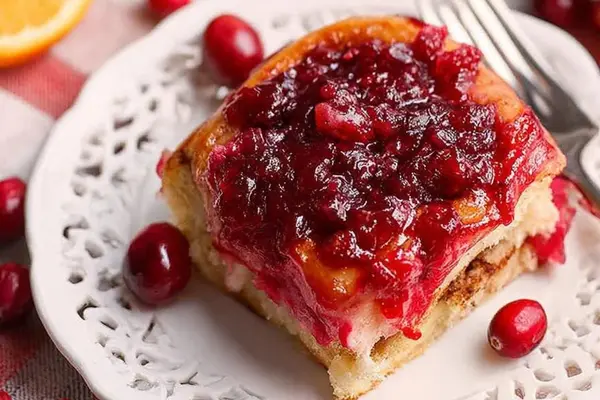
Cranberry-Orange Sticky Buns with Cinnamon