Sour Cream Rose Cookies
E
By Emma
Certified Culinary Professional
•
Recipe tested & approved
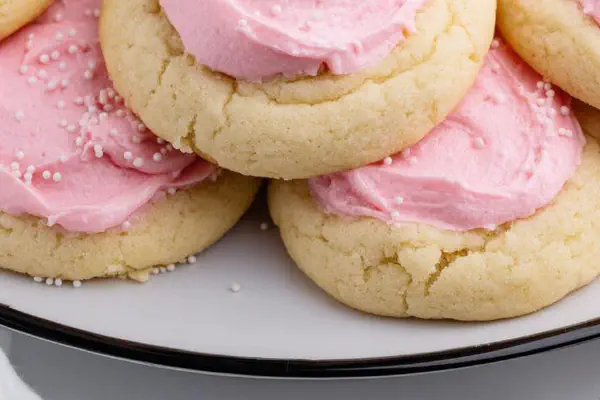
Soft, tender cookies with a touch of tang from sour cream. Lightly sweet, faint vanilla scent. Butter yields subtle richness. Gel coloring for a fun twist. Egg incorporation key for texture. Chill dough for manageable shaping; feels dense but soft. Visual cues guide baking more than clocks—edges pale gold, slight crackle on top. Frosting thick but pipeable, bright pink shade. Simple swaps include Greek yogurt for sour cream, olive oil for butter; texture shifts but tasty. Watch for overmixing gluten forming dense bites. Cooling rack essential; warm cookies crumble. Made with minor tweaks to original quantities and reordered steps to streamline, learn from kitchen experience.
Prep:
20 min
Cook:
10 min
Total:
1h 25min
Servings:
24 servings
#baking
#cookies
#desserts
#American cuisine
#frosting
Before You Start
Soft, tender bites that feel rich but light from sour cream’s tang. I’ve tried skipping the chill step and ended with dough blobs spreading too wide, losing cookie shape and perfect crumb. Spoiler: chilling’s non-negotiable. Butter and sour cream make for a velvety fat base; eggs beaten carefully, no rushing or you get dense bites. The scent of vanilla rounding in with sugar warming the bowl is irresistible—keep breath steady through the beat. Using a scoop keeps size uniform; pressing gently on dough balls lets cookies puff just right, not pancake flat. Visual cues rule here. Watch those golden edges and silken tops, not the clock. Frosting adds brightness—don’t overdo it; a saturated pink swirl is enough. Bonuses: Greek yogurt works if sour cream’s out, and yes you can swap olive oil for butter—texture shifts but flavor stays interesting.
Ingredients
- 2 1/4 cups all-purpose flour
- 1 teaspoon baking powder
- 1/2 teaspoon baking soda
- 3/4 cup unsalted butter softened
- 1/2 cup sour cream
- 2 large eggs
- 1 cup granulated sugar
- 1 teaspoon vanilla extract
- 1/4 teaspoon salt
- For frosting:
- 1/2 cup unsalted butter softened
- 3 1/2 cups powdered sugar sifted
- 2 tablespoons half and half
- 1 teaspoon clear vanilla extract
- Pink gel food coloring
In The Same Category · Desserts
Explore all →
Carnival Fritters Twist

Rainbow Layer Cake
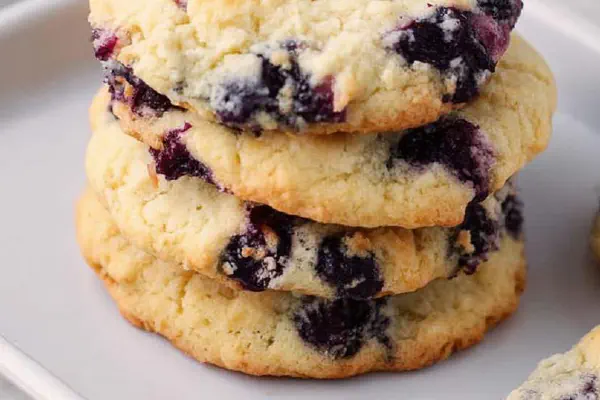
Blueberry Cheesecake Cookies
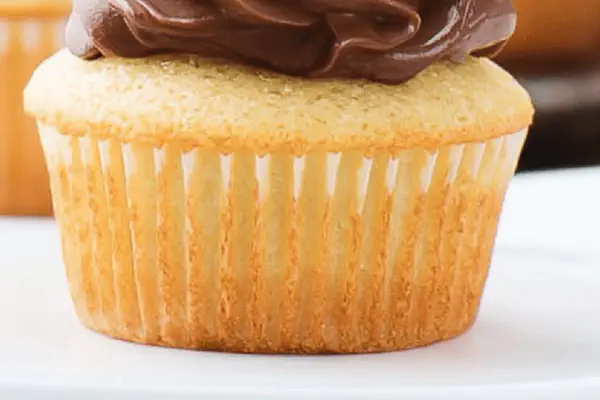
Boston Cream Cupcakes
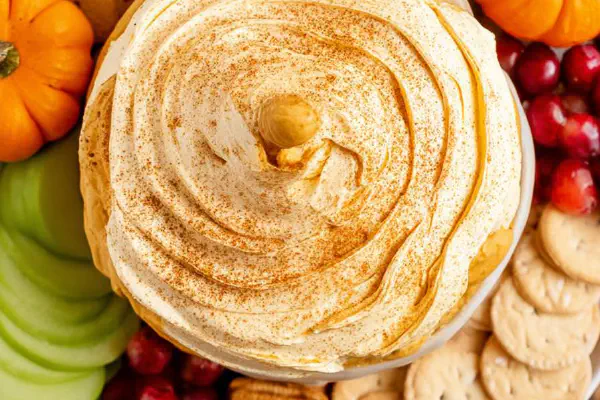
Spiced Pumpkin Mousse
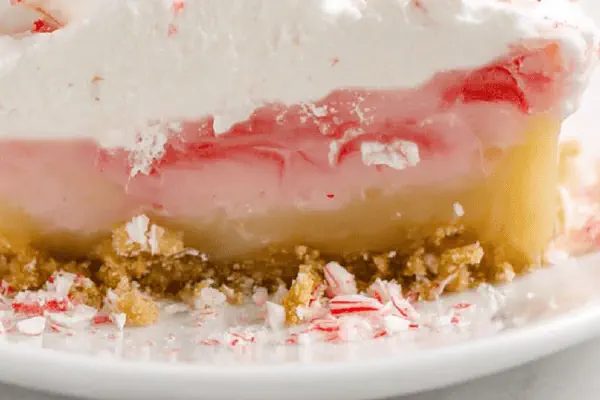
Candy Cane Lush Remix
Caramelized Pear Hand Pies
Corn Crumble Twist
Mint Chocolate Crisps
Bubblegum Cake Remix

Buckeye Brownie Cookies
Strawberry Angel Mixup
Snickerdoodle Swirl Loaf
Honey Cinnamon Apple Fritters
Mint Chocolate Brownies
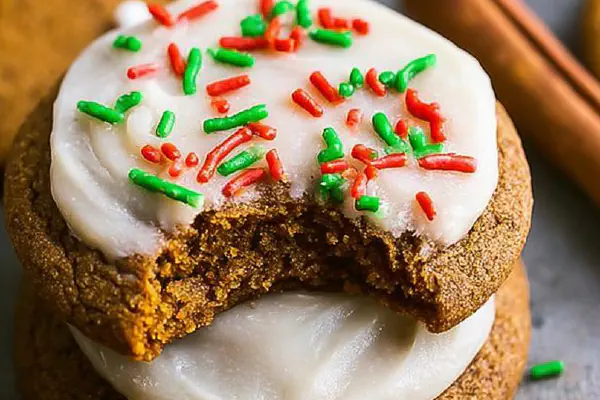
Soft Gingerbread Cookies
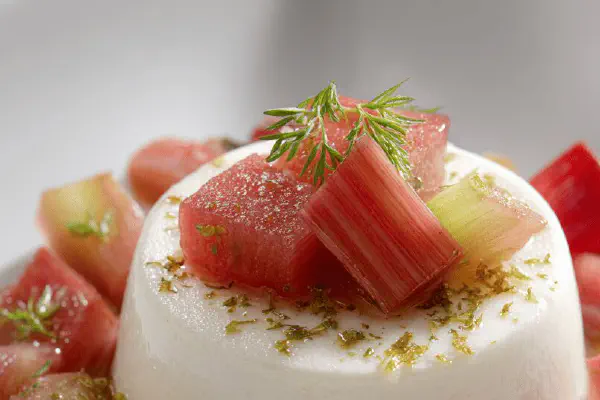
Vanilla Panna Cotta Rhubarb Compote
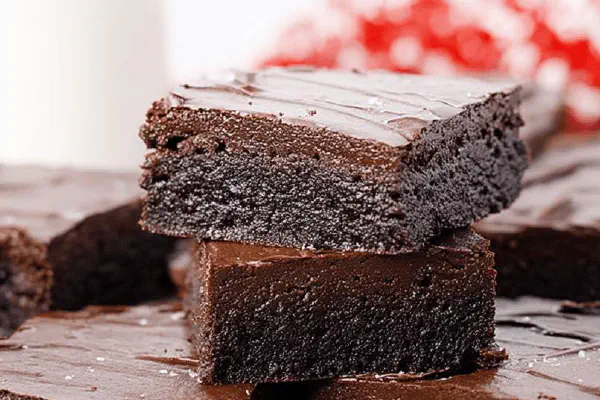
Layered Cookie Brownies
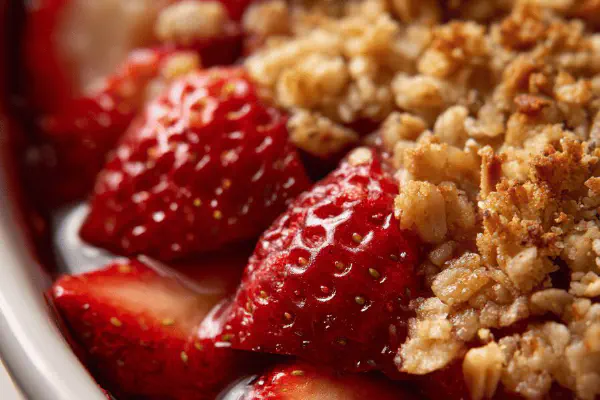
Strawberry Crisp Air Fryer
Mini-Caramel Cornets
About the ingredients
Sour cream gives tang needed for tender crumb, but plain Greek yogurt can hold the fort if needed, albeit less richness. Butter should be room temp, but not melty or you’ll end up with greasy dough. Granulated sugar beating with butter adds structure; swapping half for brown sugar can add chew and molasses notes. Vanilla extract is critical here—clear vanilla for frosting so it stays white and bright, not yellow. For an alternative flour approach, half all-purpose, half cake flour softens the cookie bite further. Baking powder and soda combo balances rising and browning. Don’t skip salt; it highlights flavors. Gel food coloring better—powders can dull and watery food color runs frosting. Half and half helps frosting shine with softness; milk is okay, but less creamy. Familiarize with ingredient substitutions. Always sift powdered sugar for smooth frosting; lumps make piping torture.
Method
- Whisk flour, baking powder, baking soda, and salt in medium bowl. Set aside.
- Beat softened butter and sour cream on medium-high until creamy, about 1 to 1.5 minutes. Check texture—should be velvety but not oily.
- Add vanilla and granulated sugar. Mix another minute until fluffy and somewhat pale. Beat in eggs one at a time on low speed till no streaks remain—scrape bowl edges to ensure full incorporation. Look for smooth batter without lumps or yellow lines.
- Increase mixer speed to medium, add flour mix gradually, cup by cup. Stop mixing as soon as flour disappears to avoid tough cookies. Dough is thick and soft, almost sticky.
- Cover dough airtight. Refrigerate at least 25 to 35 minutes to let fats solidify. Dough becomes easier to handle—don’t skip this or shapes will spread too much and lose form.
- Preheat oven 350°F. Line baking sheets with parchment. Using 1.5-tablespoon scoop, portion dough balls spaced 2 inches apart. Gently press the center of each dough ball just slightly—too much squashing leads to flat cookies.
- Bake 10 to 12 minutes, watch edges for a delicate golden hue and faint crackling tops—signs cookies are set and moist inside. Cool on sheet 2 to 3 minutes before transferring, or cookies might break apart. Use wide spatula.
- For frosting, beat softened butter with clear vanilla flavor on medium-high for about a minute until glossy and light.
- Lower speed, add powdered sugar gradually alternating with half and half to get a thick but spreadable texture. Mix in pink gel a drop at a time until color is even—don’t overbeat or frosting gets too airy and hard to pipe.
- Frost only cooled cookies. Store in airtight container. If frosting gets runny, refrigerate 10 minutes before decorating.
Cooking tips
Flour combo first for even rising and texture. Whisk well then set aside to maintain patience. Butter and sour cream creams up faster than cloud but must be fluffy with no grainy lumps—beat right on medium-high; slow beating drags texture down. Add eggs slow and steady, no yellow streaks allowed, that’s partially cooked egg batter. Flour added gradually, quick but don’t overmix; stop once combined or cookies harden. Chill lets fats firm, stops spreading in oven—a must-try experiment if unsure. When baking, edges tell story—watching them lightly golden with gentle cracks means joy inside while centers still tender. Baking sheets lined—parchment over greasing, less mess, and no cookie sticking. Frosting needs steady pulse, not wild beating, sugar alternating with liquid keeps it creamy and stable. Coloring sparing—too much turns it weird. Chill frosting if runny but avoid refrigerator frost hardening. Frozen dough ok too, defrost few minutes before scooping for best shape.
Chef's notes
- 💡 Chilling dough non-negotiable here. Dough feels dense but soft, harder to handle fresh. Fat solidifies during refrigeration; stops shapes from collapsing or spreading into blobs. Tested skipping chill early on, cookies spread wide losing form. Wait at least 25 minutes, better if 35. Even scooping easier after fridge rest because dough firms up without drying out.
- 💡 Beat eggs slow and steady. Add one at a time on low mixer speed till no yellow streaks. Streaks mean partly cooked batter inside, yields dense textures. Scraping bowl edges after each egg helps full incorporation. Good batter slick, no lumps or yellow lines. If eggs rushed, cookies tough. This keeps texture tender but structured.
- 💡 Use visual and tactile clues over timer. Baking 10 to 12 minutes standard but watch edges for pale golden color and small crackle on top as doneness sign. Overbaking dries cookies despite timer. Middle stays tender but set. Cool 2-3 minutes on sheet to firm up before moving with spatula or cookies fall apart easily.
- 💡 Frosting texture critical. Beat softened butter until glossy but not whipped too much or it turns airy and breaks down after coloring. Add powdered sugar slowly alternating with half and half until thick but spreadable, like pipeable paste. Pink gel added dropwise to avoid weird hues or runny frosting. Chill for 10 minutes if runny before piping.
- 💡 Ingredient swaps shift texture so expect differences but still tasty. Greek yogurt replaces sour cream if needed; tang slightly less pronounced, crumb less rich. Olive oil swap for butter possible too but results in less structure, softer cookie edges. Sugar variations affect chew—brown sugar adds molasses notes and chew but changes classic crumb.
Common questions
Can I skip chilling dough?
No. Dough soft and sticky without chill. Shapes spread out flat if skipped. Chilling firms fat needed to hold shape under oven heat. Tried skipping, got blobs. Chilling 25-35 mins. Dough easier to scoop, handle. Not optional.
What if eggs add lumps or streaks?
Eggs must go in slow and beat low speed. Lumps mean incomplete mixing or eggs cooked by warm butter. Scrape edges often. If streaks, batter uneven. Results in dense bites. Mix until smooth, no yellow lines. Add eggs one at a time.
Why do cookies crack or dry out?
Looks like cracking on top signals done but drying happens if baking too long. Watch edges color, not clock. 10-12 mins range usually. Cooling on pan for 2-3 mins helps set. Overbaking dries cookies even with correct timer.
How to store after baking?
Airtight container best. Room temp ok few days if frosting firm. If frosting soft or runny, refrigerate 10 mins before applying or store refrigerated. Bring back to room temp before serving. Freezing dough possible, defrost a bit before scooping for shape maintenance.
You’ll Love These Too
Explore all →
Spinach Scallion Tomato Shrimp Omelette
Curried Chicken Toasts
Buffalo Chicken Nachos Remix
Turkey Spinach Meatballs
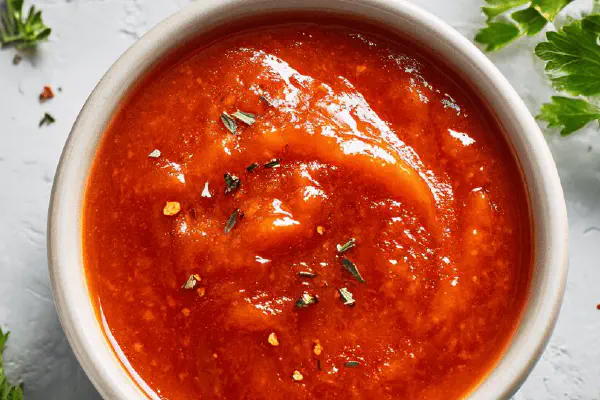
Tangy Sweet Pepper Sauce
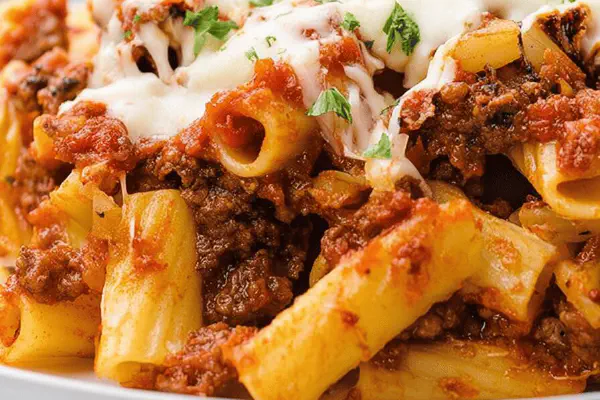
Crockpot Ziti Bake
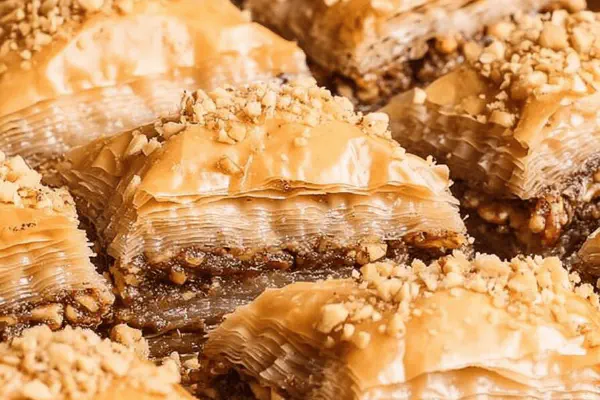
Honey Nut Baklava
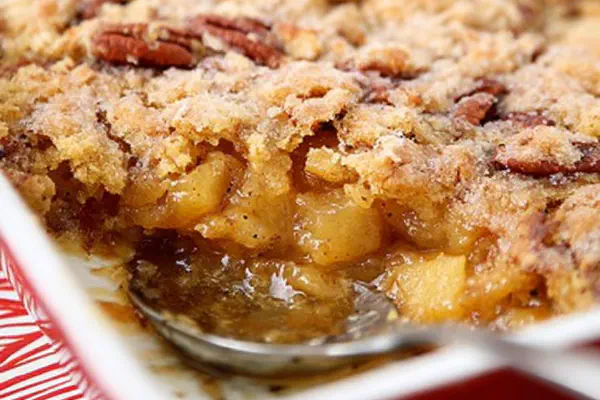
Apple Pecan Dump Cake
Strawberry Yogurt Popsicles

Hansel Gretel Cake House

Twisted Cheese Tortellini
Raspberry Hazelnut Smoothie

Soft Cutout Sugar Cookies
Microwave Toasted Nuts
Cookie Scoop Ice Cream
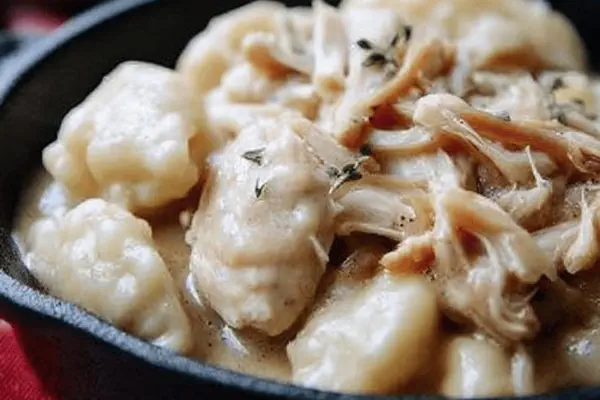
Slow Cooker Chicken Dumplings
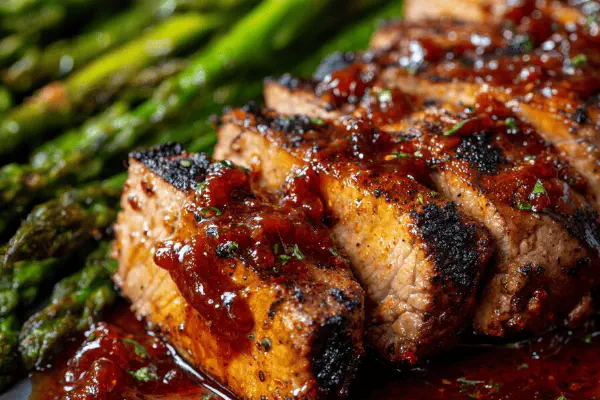
Glazed Pork Filets Fig Herbs
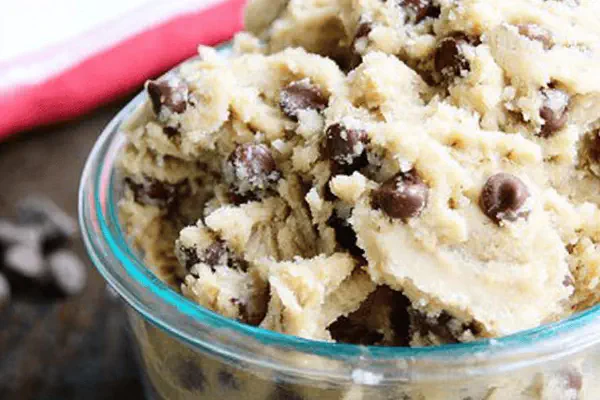
Edible Choco Dough Remix
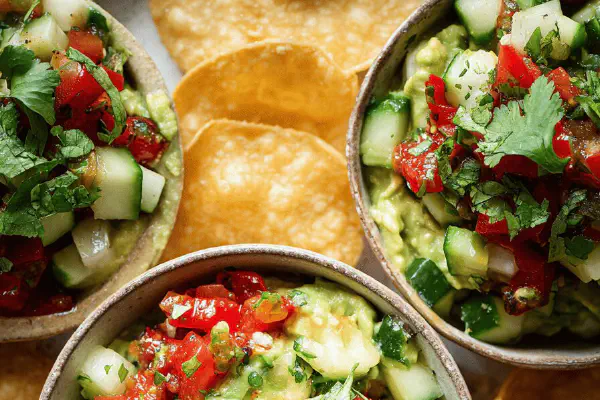
Mexican-Style Dips
Twisted German Chocolate Filling