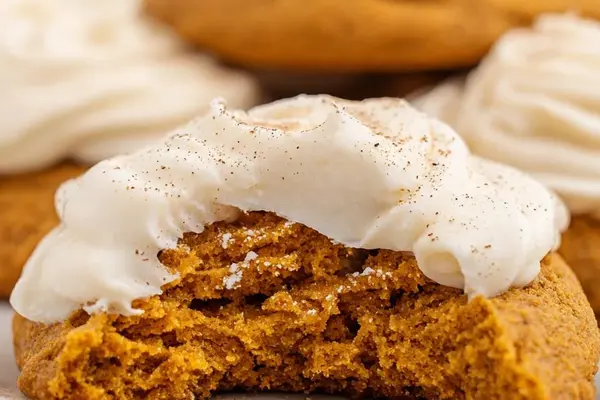
Pumpkin Cookies with Cream Cheese Frosting
By Emma
Certified Culinary Professional
·
Recipe tested & approved
Cut the dough cold. Scoop warm. Frost cool. That’s it. These aren’t just pumpkin cookies — they’re the reason fall actually exists.
Why You’ll Love These Pumpkin Pie Spice Cookies
Takes 33 minutes total. Fifteen to prep, eighteen in the oven. That’s one afternoon thing, not an all-day commitment.
The spice hits different when you use actual pumpkin pie spice instead of guessing. Brown sugar keeps them chewy. Granulated gives them snap. Both happening at once.
Cream cheese frosting. Not buttercream. Tastes like pumpkin cheesecake except you don’t have to wait for it to set overnight. Cold from the fridge. Eaten warm from the oven. Works both ways.
Fall cookies that don’t taste like regret. Most pumpkin desserts are dry or weirdly spiced. These stay soft. Spices actually taste like cinnamon and ginger and whatever else went in, not like one blurry warm flavor.
What You Need for Pumpkin Pie Spice Cookies
Flour. Three cups. All-purpose. Don’t use cake flour — too soft, cookie collapses into itself.
Pumpkin pie spice and cinnamon. A teaspoon of the spice, another teaspoon of cinnamon on its own. Yeah, that’s a lot of spice. That’s the point. One and a half teaspoons of the spice might sound like enough but it isn’t.
Baking powder and baking soda. Half a teaspoon of each. Salt too. Flour needs seasoning or everything tastes flat.
Butter and olive oil. A quarter cup of each. The olive oil keeps them tender longer. Straight butter means they firm up fast. Not worth it.
Both sugars. A cup of granulated, three quarters cup brown. The brown stuff matters — molasses underneath everything, that’s where chew lives.
Pumpkin puree. One cup. From a can. Fresh roasted pumpkin works but it’s not worth the work. Canned is consistent, less water, simpler.
Eggs, vanilla, clear vanilla for the frosting. The clear vanilla doesn’t brown the frosting. Regular vanilla turns it kind of beige. Matters if you care about color. Maybe you don’t.
Cream cheese frosting needs cream cheese — twelve ounces, softened — butter, powdered sugar sifted, buttermilk or regular milk, and pumpkin pie spice for dusting on top.
How to Make Pumpkin Pie Spice Cookies
Heat the oven to 345 degrees. Line a sheet with parchment. Don’t use a bare pan — they’ll stick.
Mix the dry stuff first. Flour, pumpkin pie spice, baking powder, baking soda, salt, cinnamon. Whisk it. Takes a minute. You’ll feel the spices break up. Don’t skip this — lumps in the dry mix mean lumps in the cookies.
Cream the butter and olive oil together. Just under a minute. It’ll go pale and fluffy. That’s aeration. That’s what makes them not dense.
Add the sugars slowly. The granulated sugar first, then the brown sugar. Beat until it looks like wet sand. Maybe a minute more. Scrape the sides or the bottom stays dry.
Pour the pumpkin puree in slowly. Low speed. If you go fast it splashes everywhere. Mix until you can’t see streaks of orange anymore. Look at the sides of the bowl — uniform color means it’s mixed through.
One egg at a time. Vanilla extract in there too. Medium-low speed. Too fast and you’re whipping air into it, which sounds good except it makes the cookies cakey and flat. You want them thick.
Fold in the dry mix gently. Don’t overmix. Overmixing the flour develops gluten and gluten in a cookie is actually bad — it gets tough. Scrape the sides halfway through. Look for stubborn clumps at the bottom.
Scoop by tablespoon onto the parchment. Two inches apart minimum. They spread a little but not like snickerdoodles. Not crazy. Bake for eighteen minutes. The edges should look set. The center should still feel a tiny bit soft when you touch it. That’s when they’re done. They’ll firm up as they cool.
How to Get Pumpkin Chocolate Chip Cookies Crispy vs. Chewy
The sugar ratio controls the texture. Granulated sugar makes them snappy. Brown sugar makes them chewy. You’ve got both, so they’re both. That’s intentional.
If your kitchen is cold the cookies come out a little cakier. Room temperature butter matters. Cold butter doesn’t cream the same way. Soften it for real — leave it out for twenty minutes if you have to.
Don’t overbake. This is the one thing that actually kills them. Eighteen minutes. Maybe seventeen if your oven runs hot. Maybe nineteen if it runs cold. But not much past that. The centers should still yield when you press them.
Cool them on the sheet for at least thirty minutes. I know you want to frost them hot. Don’t. Hot cookies plus cold frosting equals frosting that melts off and pools on the counter. Learned that one the hard way.
Pumpkin Chocolate Chunk Cookies Tips and Common Mistakes
Brown sugar should be packed. Not just scooped. Pack it in the measuring cup. Loose brown sugar is barely brown sugar.
Pumpkin puree isn’t pumpkin pie filling. Pie filling has sugar and spices already. Puree doesn’t. They look the same but they’re different. Check the label. One ingredient should say “pumpkin” not “pumpkin puree with sugar and spices.”
The frosting needs to be soft butter and cream cheese. If they’re cold it won’t beat smooth. It’ll clump. Let them sit out first.
Sift the powdered sugar. Yeah, it’s one more step. But lumpy frosting on top of a perfect cookie is annoying. Takes thirty seconds.
Buttermilk is better than regular milk but regular milk works fine. The buttermilk just adds a tiny bit of tang. Not a huge difference.
You can add chocolate chips to the dough. Half a cup. Dark chocolate, milk chocolate, doesn’t matter. Add them after you fold in the dry mix so you don’t overwork the dough trying to get them distributed.
Cookies keep for three days in a container. After that they get kind of hard. They’ll still taste fine but they’re not soft anymore.
Pumpkin Cookies with Cream Cheese Frosting
Prep:
15 min
Cook:
18 min
Total:
33 min
Servings:
40 servings
Ingredients
- 3 cups all-purpose flour
- 1 1/2 teaspoons pumpkin pie spice
- 1 teaspoon baking powder
- 1/2 teaspoon baking soda
- 1/2 teaspoon salt
- 1 teaspoon ground cinnamon
- 1/4 cup unsalted butter softened
- 1/4 cup olive oil substitute for half vegetable oil
- 1 cup granulated sugar
- 3/4 cup packed brown sugar
- 1 cup pumpkin puree
- 1 1/2 teaspoons vanilla extract
- 2 large eggs
- For frosting ===
- 12 ounces cream cheese softened
- 1 teaspoon clear vanilla flavoring
- 4 tablespoons unsalted butter softened
- 3 cups powdered sugar sifted
- 2 tablespoons buttermilk or milk
- Pumpkin pie spice for dusting
Method
- Cookie Dough
- 1 Heat oven to 345°F, parchment ready on sheet. Watch for that faint buttered aroma before dough hits. Sounds: gentle whirr. Mix dry: flour, pumpkin pie spice, baking powder, baking soda, salt, cinnamon — taxonomy of flavor, don’t rush cut corners.
- 2 Cream butter and olive oil till pale, fluffy, just over a minute; signals aeration crucial for bite. Then slow-speed add sugars—granulated for snap, brown sugar for molasses chew—beat till grainy smooth mash-up, scrape sides or risk dry pockets.
- 3 Slowly pour in pumpkin puree, low speed to avoid splatter, mix until blended, check bowl sidewalls — uniform orange glow means life.
- 4 Add vanilla and eggs, one at a time. Eggs bind, building dough muscle. Mix medium low; too whipped means cakey cookie, flat flavor.
- 5 Fold in dry mix slowly — quick inclusion clogs gluten overwork risk, denser cookie nightmare. Scrape sides mid-way, consult spatula for stubborn clumps.
- 6 Scoop dough by tablespoon, little mounds, two inches apart — will spread, but not fight neighbors. Shoulder tap to settle dough. Bake close to 18 mins, watch for edges set but center soft. Tap top lightly; spring means just right.
- 7 Cooling at least 30 mins mandatory. Hot cookie + frosting = meltdown, rug mess.
- Cream Cheese Frosting
- 8 Beat cream cheese, butter, clear vanilla 1 to 1.5 minutes. Silky smooth. Stops gooey clumps.
- 9 On low, sift in powdered sugar to avoid cloud storm. Increase speed medium-high to fluff, a minute or so. Add buttermilk gradually; too much=runny failure, too little=dry bites.
- 10 Once cookies cooled, spread about a tablespoon frosting — thin edges, center scoop for luscious bite ratio. Dust gingered cinnamon or leftover pumpkin spice on top.
- 11 Store in fridge loosely covered. Bring to room temp before serving or frosting stiffens like brick.
Nutritional information
Calories
164
Protein
2g
Carbs
25g
Fat
7g
Frequently Asked Questions About Pumpkin Pie Spice Cookies
Can I use canned pumpkin pie filling instead of puree? No. Pie filling has sugar in it already. You’d end up with cookies that are way too sweet and the spice blend gets weird because you’re double-dosing. Puree or nothing.
How long do these actually take? Fifteen minutes to get everything mixed and scooped. Eighteen minutes baking. Then you’ve got to cool them, which is thirty minutes, but you can make the frosting while they cool. Total time if you’re moving — close to an hour. Most of that is waiting for them to get cold enough to frost.
Do I really need both sugars? Yeah. Granulated gives you snap, brown gives you chew. One or the other and they taste flat. Both and they taste like fall.
Can I make these without the frosting? They’re fine plain. Not as good, but fine. The frosting is what makes them actually taste like pumpkin cheesecake recipe adjacent. Without it they’re just spiced cookies.
Why isn’t the frosting sweet enough? Cream cheese frosting isn’t as sweet as buttercream. It’s supposed to be tangy. If you want it sweeter, add more powdered sugar. But not too much or it gets grainy and weird.
What happens if I bake them longer? They get hard. Crispy edges are fine but a hard center is a mistake. Eighteen minutes. Edges set, center soft. That’s the window.
You’ll Love These Too
Explore all →
Crockpot Honey Teriyaki Chicken Recipe
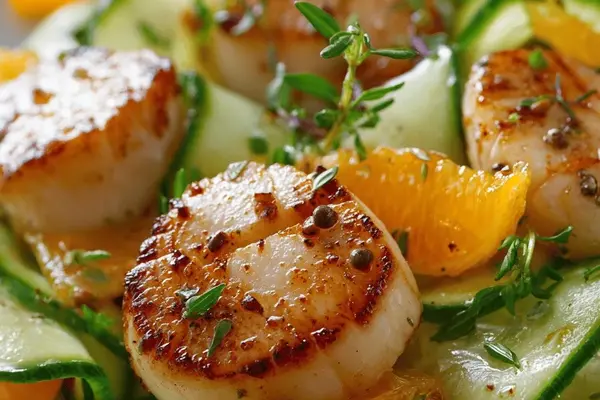
Seared Scallop Orange Salad with Tulip Petals
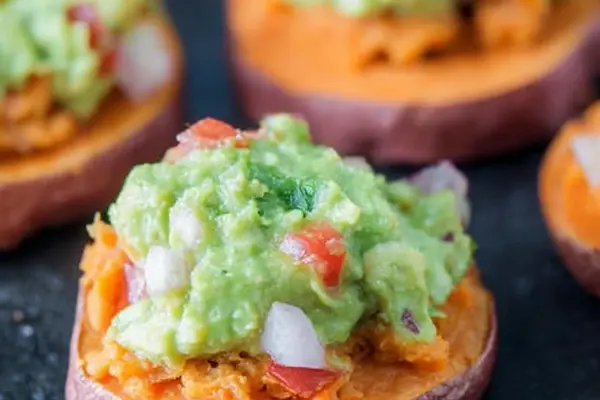
Roasted Sweet Potato with Guacamole
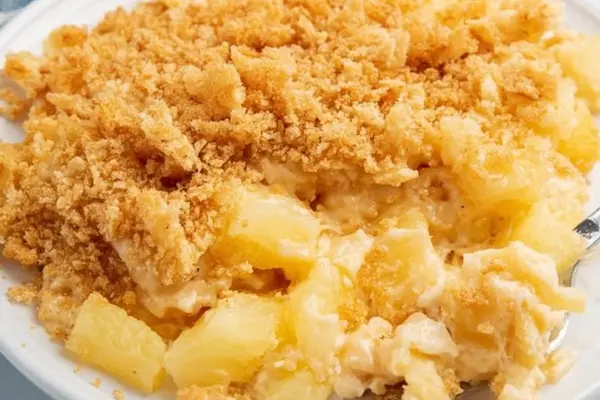
Pineapple Cheese Casserole with Crackers
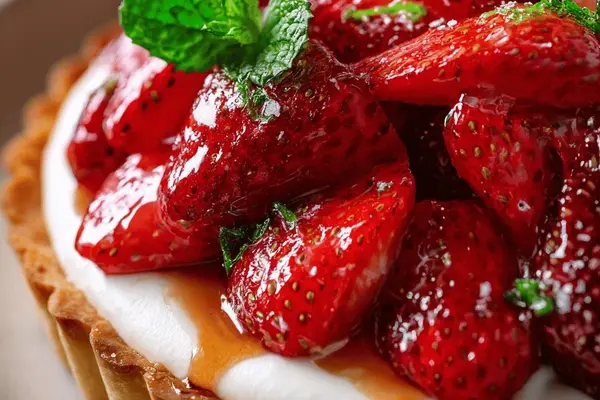
Strawberry Short Cake with Mascarpone
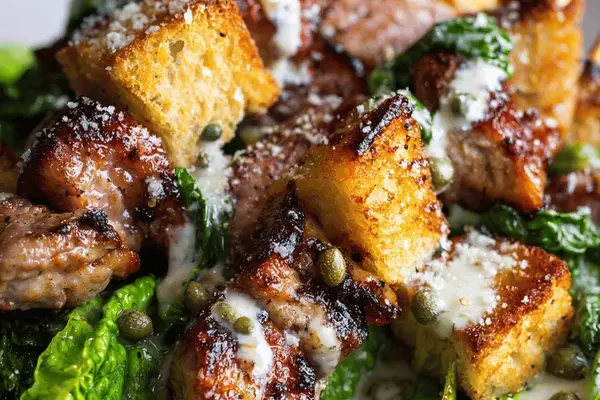
Mini Chicken Caesar Bites with Pancetta
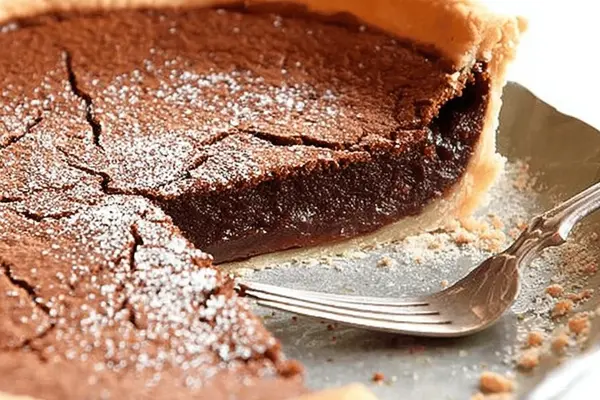
Rustic Chocolate Chess Pie with Dutch Cocoa
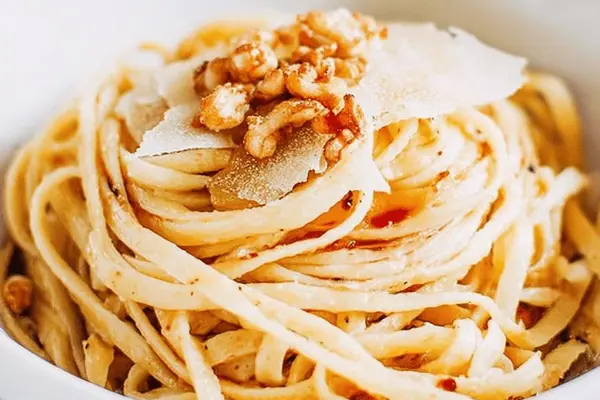
Pancake Spaghetti Remix with Almonds
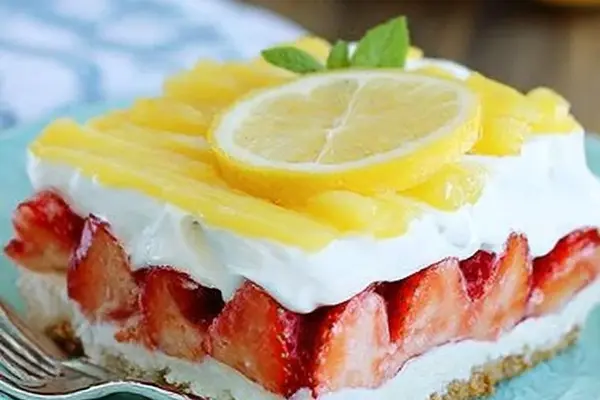
No Bake Cheesecake with Lemon & Strawberries
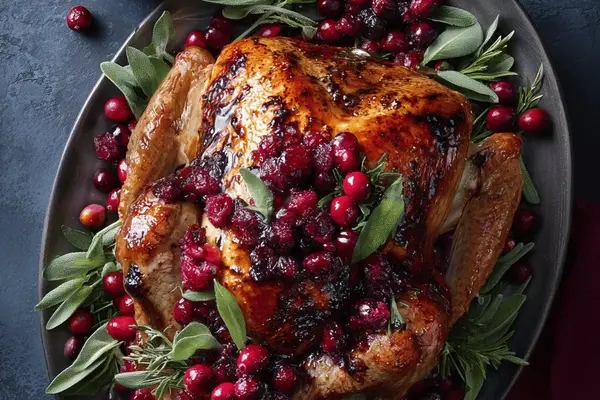
Thanksgiving Food: Port Wine Roasted Turkey
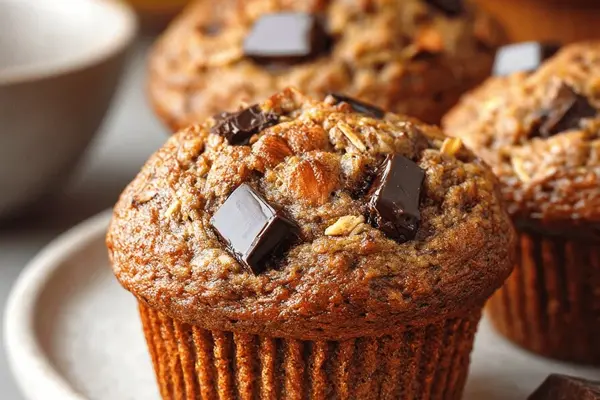
Buckwheat Banana Muffins with Dark Chocolate
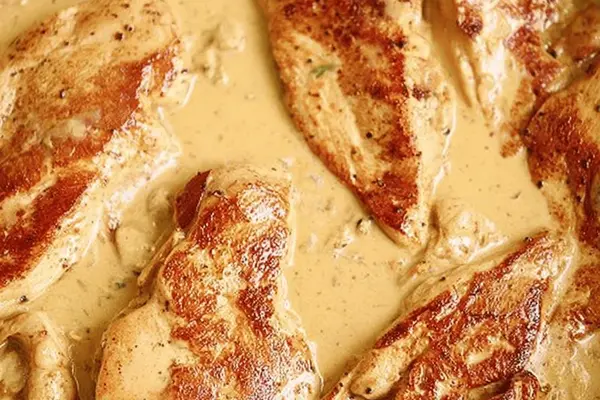
Pan Seared Chicken Breast with Creamy Sauce
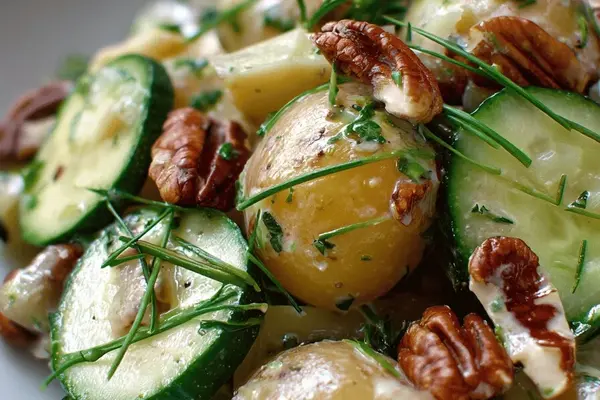
Potato Salad Recipes with Pecans & Lime
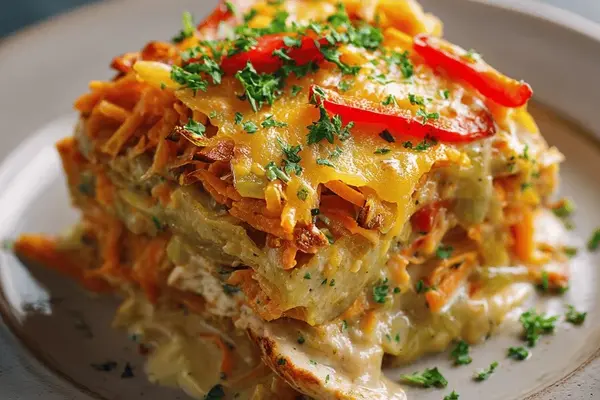
Chicken Casserole with Sweet Potatoes
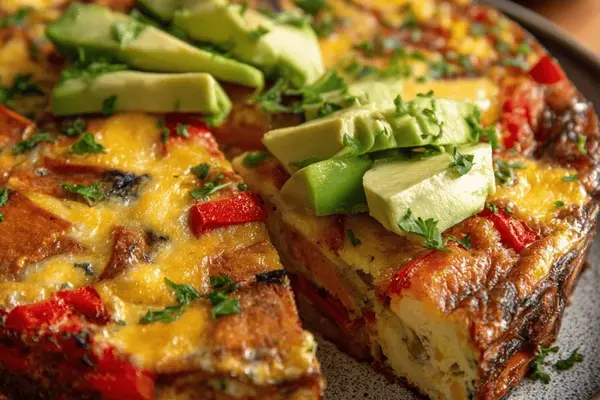
Frittata With Vegetables | Sweet Potato Recipe
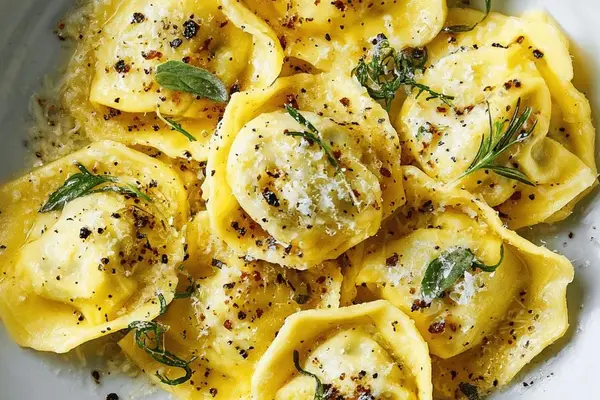
Carbonara Dish: Homemade Pasta with Eggs
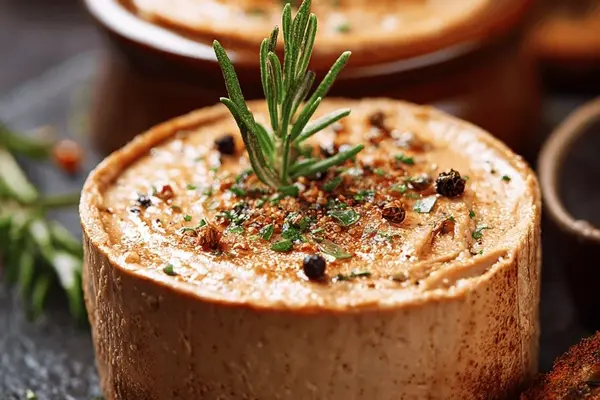
Cognac Foie Gras with Palm Sugar
Japanese Hot Pot with Pork, Miso Broth
Graham Cracker Crust Recipe with Browned Butter