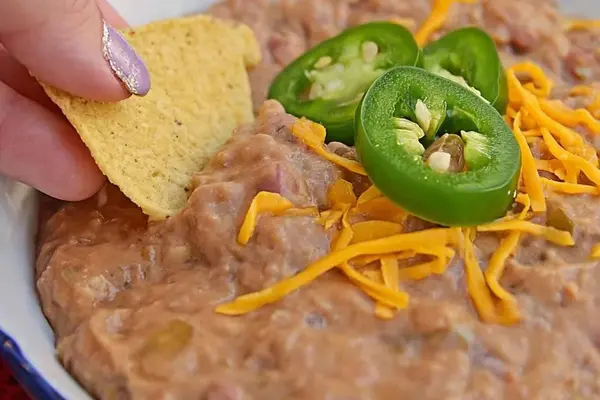
Bean Pinto with Garlic, Cumin & Cheddar
By Emma
Certified Culinary Professional
·
Recipe tested & approved
Creamy pinto bean mash with garlic, cumin, cayenne, green chilies, and sharp cheddar cheese. Quick homemade refried beans using canned beans for speed with layered spice depth.
Prep:
6 min
Cook:
9 min
Total:
15 min
Servings:
4 servings
Heat the oil. Garlic goes in first. Ninety seconds and it smells done before it looks done.
Sprinkle the cumin and cayenne straight in. Watch it. Spices toast fast—you want fragrant, not burnt. The smell tells you everything.
Why You’ll Love This Mexican Bean Side Dish
Takes 15 minutes total, start to finish. Seriously. Tastes like comfort food that actually has heat—not aggressive, just there. One saucepan. That’s it. No cleanup. Works cold tomorrow, maybe better. Cheese gets weird but the beans stay good. Shredded sharp cheddar melts into actual pockets instead of coating everything. Pepper jack works if you want more kick.
What You Need for Mashed Beans
Two tablespoons of vegetable oil. Nothing fancy.
Four cloves garlic, minced. Not three. Four.
Ground cumin—a teaspoon. Earthy, not bitter if you don’t burn it. And cayenne, a quarter teaspoon. Start there. Add more if spicy is your thing.
Two cans of pinto beans. Fifteen ounces each. Drain them. Rinse them. Trust the rinsing.
Half a cup of diced green chilies. That’s the heat. Roasted poblano works if you want milder—softer flavor, less punch. Regular green chilies you get in the can are fine.
One cup of shredded sharp cheddar. Not mild. Not Mexican blend. Sharp cheddar. Pepper jack if you want a different angle—more spice, more character.
How to Make Mashed Beans Mexican Style
Heat the oil over medium in a heavy-bottom saucepan. Swirl it around so it coats the whole bottom. Heat matters here—too hot and garlic browns instead of softening.
Toss in the garlic. Wait for it to sizzle. About ninety seconds. That’s when the aroma hits and you know it’s ready. Not before.
Sprinkle cumin and cayenne straight over the garlic. Watch it. Seriously. Spices toast in like thirty seconds. You want fragrant, toasted, not acrid and burnt. Stir constantly. One minute. Two tops.
Add the beans straight from the can. Drained and rinsed, right. Stir them in. Listen for a soft bubbling sound starting. The heat should shimmer around the edges where the beans meet the pan.
Let them heat until they steam. Three to four minutes. Some of the skins will split and break apart. That’s good. That’s what you want—it means the beans are softening, ready to mash, and flavor’s actually infusing into them instead of just sitting on top.
How to Get Creamy Mashed Beans
Take a potato masher or a large fork. Press down. You’re not trying to make baby food. Rustic. Some chunks stay. That texture matters.
Keep pressing. You want creamy but not gluey. There’s a line. Too much mashing and it turns pasty, like wet sand. You’ll feel it.
If it’s too thick—and sometimes the beans are drier—splash in a bit of broth or water. Just a bit. Stir it in. Check the texture. Add more if you need it.
This takes maybe a minute. Don’t overthink it.
Fold in the green chilies. Watch for their heat mixing with the cumin. Smell that.
Toss the cheese in last. Off the heat. The residual warmth melts it into actual pockets instead of one flat layer. Let it sit a minute or two. Cheese spreads, links everything together.
Pinto Beans Tips and Mistakes
Some canned beans are salty. Some aren’t. Taste before you season aggressively. You can always add salt. You can’t take it out.
Burnt spices ruin everything. If cumin and cayenne smell harsh instead of warm, start over. Low heat. Watch it.
Mashing—don’t go crazy. Texture’s part of the point. Chunks. Creamy. Both.
Too thick? Water or broth. Hot water. Stir while you add it so it actually incorporates.
Cheese last, off heat. That’s the rule. If you melt it over heat, it breaks and gets stringy instead of smooth.
Lime at the end lifts the whole thing. Not essential. But it works.
Bean Pinto with Garlic, Cumin & Cheddar
Prep:
6 min
Cook:
9 min
Total:
15 min
Servings:
4 servings
Ingredients
- 2 tablespoons vegetable oil
- 4 cloves garlic minced
- 1 teaspoon ground cumin
- 1/4 teaspoon cayenne pepper
- 2 cans (15 oz each) pinto beans, drained and rinsed
- 1/2 cup diced green chilies (substitute with roasted poblano for milder heat)
- 1 cup shredded sharp cheddar cheese (try pepper jack for twist)
Method
- 1 Heat oil over medium heat in heavy-bottom saucepan; swirl to coat. Toss in garlic first. When it sizzles and aroma hits (about 90 seconds), sprinkle cumin and cayenne. Watch closely—spices toast fast; you want them fragrant, not burnt.
- 2 Add beans straight from the can. Stir, listen for a soft bubbling sound, rims beginning to shimmer. Heat until beans steam and betray their broken skins, about 3-4 minutes. This preps for mashing while flavor infuses.
- 3 Mash beans with potato masher or large fork. Some chunks okay — rustic feel. Press until creamy but not gluey. Too much mashing = pasty. Adjust with a splash of broth or water if too thick.
- 4 Fold in green chilies—watch for their fiery scent mixing with cumin earthiness. Toss in shredded cheese last. It melts into pockets of molten sharpness, linking texture and taste. Let sit 1-2 mins off heat so cheese spreads nicely.
- 5 Serve hot. Garnish optional but a squeeze of lime lifts heaviness. If too thick, thin with hot water or broth bit by bit while stirring.
- 6 Always taste for seasoning before serving. Some beans canned salty; others play bland. Balance cayenne, cumin, and salt to your liking.
Nutritional information
Calories
280
Protein
14g
Carbs
32g
Fat
12g
Frequently Asked Questions About Pinto Beans Recipe
Can you use dried pinto beans instead of canned? Yeah, but not in 15 minutes. Soak them overnight, cook them for like an hour in a crock pot, then do the rest. Not a quick side dish anymore. Canned just works better here.
What’s the difference between this and refried beans? This is mashed beans. Refried beans are cooked longer, mashed more—almost a paste. This one has texture. More like beans that got partially mashed, not completely broken down.
Can you make this spicier? More cayenne. Or more green chilies—use three quarters of a cup instead of half. Or both. Taste as you go.
Does it keep in the fridge? Three days, maybe four. Cheese gets weird after that—separates a bit. Beans stay good. Just reheat with a splash of water and stir.
What if you don’t have sharp cheddar? Pepper jack works. Monterey jack works. Mild cheddar tastes like almost nothing, not worth it. The point is flavor.
Can you make this in a slow cooker? Not the point of this recipe. It’s 15 minutes. But if you want slow cook pinto beans, sure—combine everything on low for like 30 minutes. You lose the quick angle. Might as well do actual refried beans that way.
You’ll Love These Too
Explore all →
Lemon Souffle Pancakes with Blueberry Syrup

No Bake Donut Cake with Mascarpone Cream

Stuffed Chicken Breast with Spinach & Apple Gravy

Curried Beef Stuffed Peppers with Sweet Potatoes
Cranberry White Chocolate Cookies

Greek Yogurt Strawberry Dip with Lemon
Amaretto Cherry Hazelnut Brownies Recipe

Sous Vide Carrots with Butter and Shallots

Stuffed Mushrooms with Panko and Parmesan

Grapefruit Cocktail with Elderflower Tonic
Dark Chocolate Chip Muffins with Sour Cream
Beet Risotto with Arborio Rice & Ricotta

Unsweetened Coconut Juice with Soybeans
Barbecue Smoked Turkey Salad with Corn
Microwave Peanut Brittle with Coconut Oil
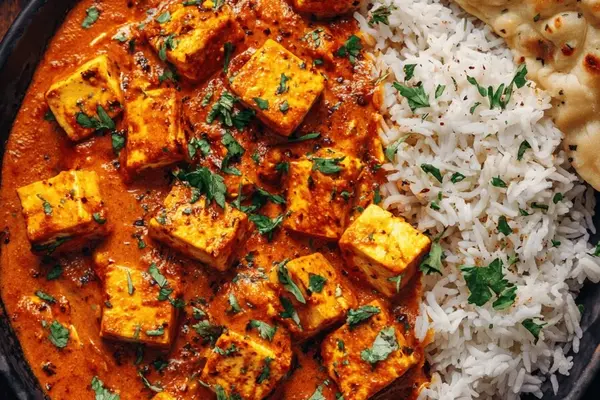
Tofu Butter Masala with Tomato Cream
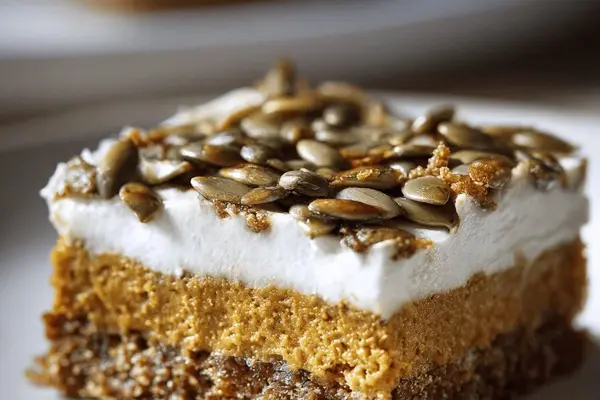
Pumpkin For Pie: Spiced Cake With Filling
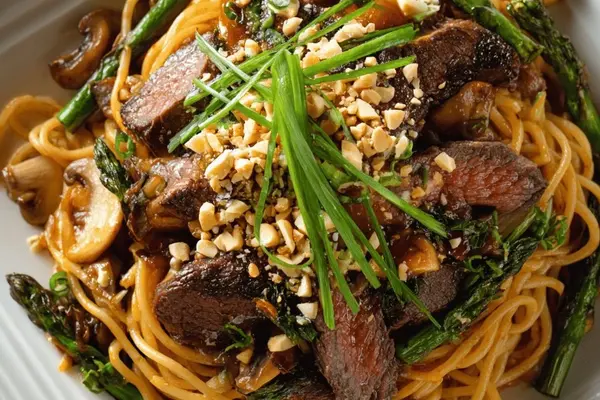
Beef Pasta With Mushrooms & Hoisin
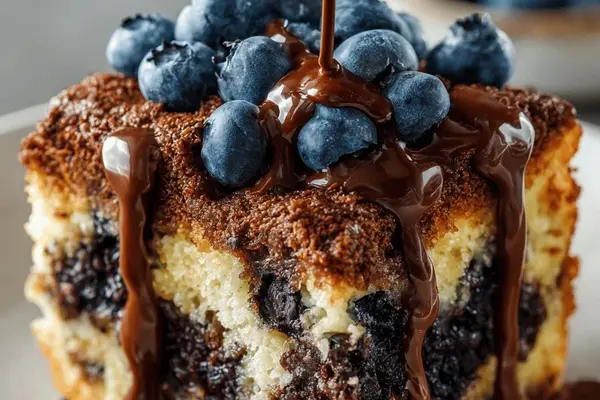
Chocolate Blueberry Pudding Cake Recipe