Spicy Crispy Chicken Tenders
E
By Emma
Certified Culinary Professional
•
Recipe tested & approved
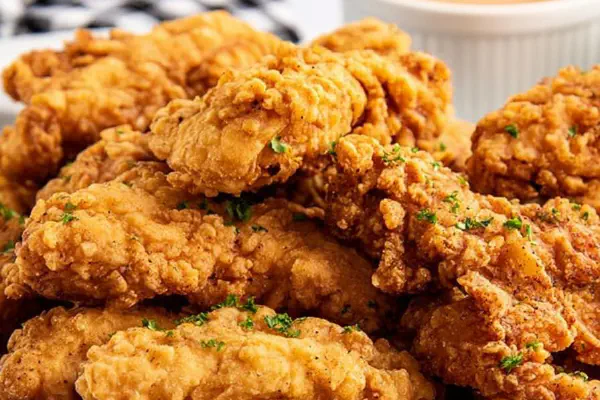
Chicken tenders soaked in a buttermilk-sriracha bath, double-dredged in a seasoned flour mix with cornstarch for crunch. Fried in hot oil until golden, crispy, juicy inside. A slight twist with smoked chili powder instead of paprika for a smoky heat. Learn to identify when oil’s too hot or cool, how to double-dip for crunch, and ditch the soggy aftermath. A straightforward fried chicken approach with some rebel tweaks. Keeps you checking color, texture, aroma. No wasted buttermilk. A solid, approachable chicken tender method for frying fanatics.
Prep:
15 min
Cook:
30 min
Total:
1h 40min
Servings:
14 servings
#fried chicken
#chicken tenders
#spicy
#crispy
#double dredge
#buttermilk marinade
#southern cooking
Before You Start
The trick with good fried chicken tenders isn’t just the recipe, it’s the timing and textures. Ever had soggy batter, or dry chicken buried under too-thick coating? Me too. So after a few experiments, I settled on soaking in a spicy buttermilk bath—that tenderizes and adds heat simultaneously. Double dredging the chicken ensures crunch sticks firmly, and swapping smoked chili powder for paprika gives a smoky note that’s hard to nail with just paprika. Watch the oil temp—too high burns outside, raw inside. Too low soaks oil up and ruins that crunch. This recipe is about knowing.. when the crust bubbles up, the crackle under tongs, and hitting that golden moment. It’s messy, but worth it. Always use thicker paper towels to absorb extra grease—don’t rush serving. Patience at every step pays off.
Ingredients
- 1 cup buttermilk
- 1 tablespoon sriracha
- 2 pounds chicken breast tenders
- 1 1/4 cups all-purpose flour
- 1/4 cup cornstarch
- 1 1/2 teaspoons kosher salt
- 1 teaspoon freshly ground black pepper
- 1 teaspoon onion powder
- 1 1/2 teaspoons baking powder
- 1 teaspoon smoked chili powder
- 2 large eggs
- Vegetable oil for frying
In The Same Category · Main Dishes
Explore all →
Crab-Stuffed Beef Tenderloin
Maple-Glazed Pork Medallions

Spiced Beef Stir Fry
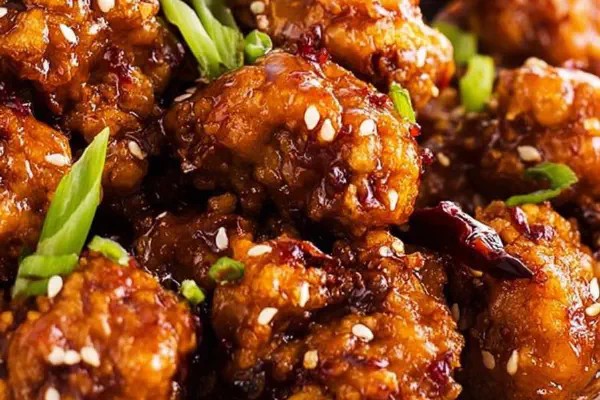
Spicy Crispy Chicken
Creamy Chili Crab Pasta
Smoked Ham Steaks with Sage Cream
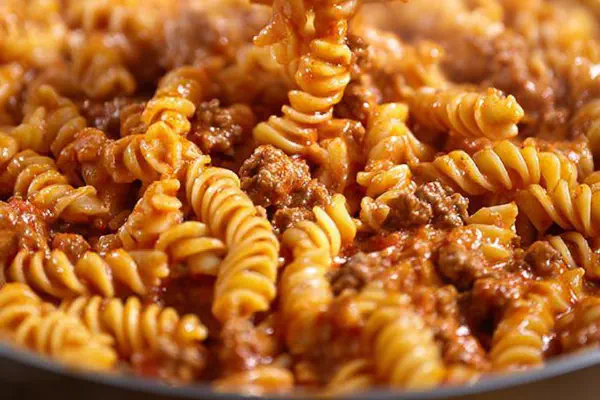
Creamy Italian Beef Pasta
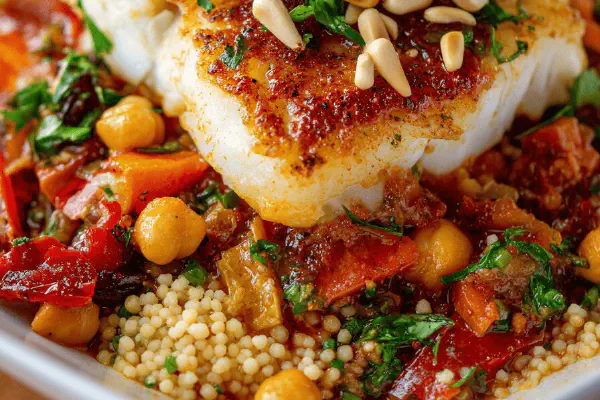
Tunisian Fish Couscous
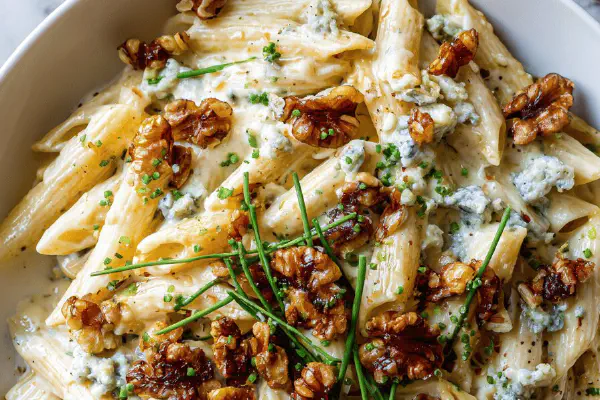
Blue Cheese Walnut Penne
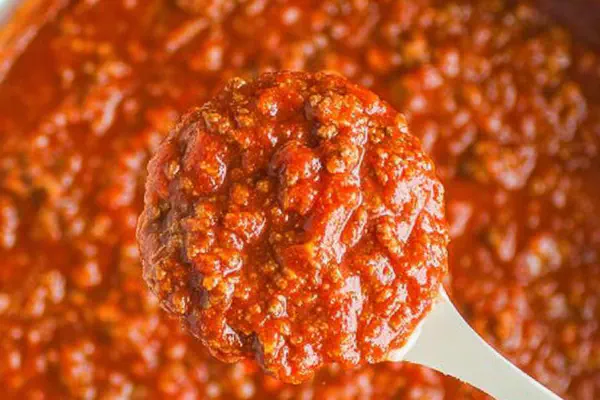
Hearty Beef Spaghetti Sauce
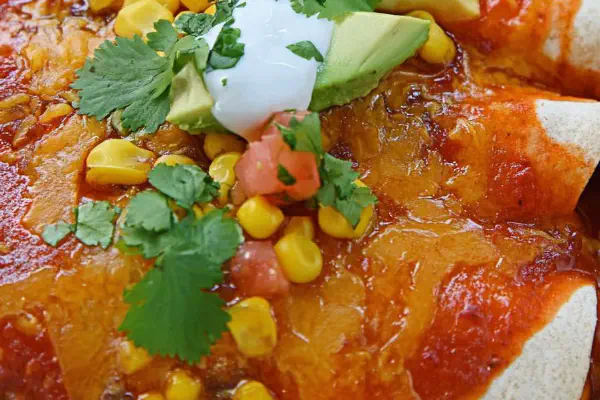
Smothered Beef Burritos
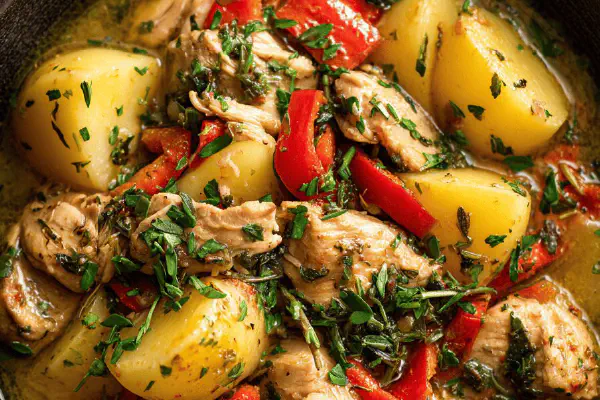
Turkey Stew with Potatoes and Peppers
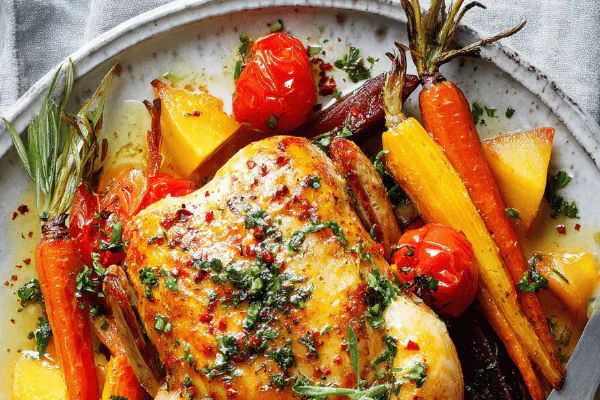
Roast Chicken with Tomatoes & Roots
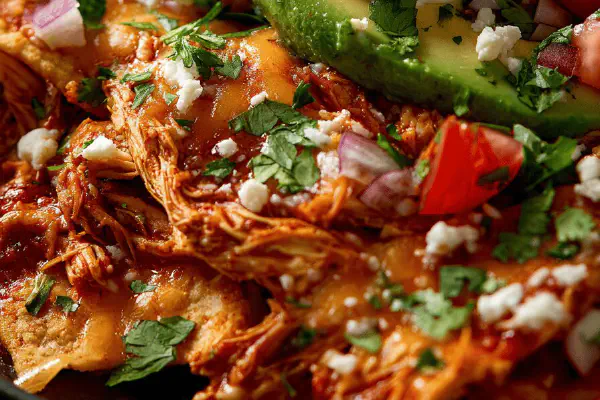
Turkey Chile Chilaquiles
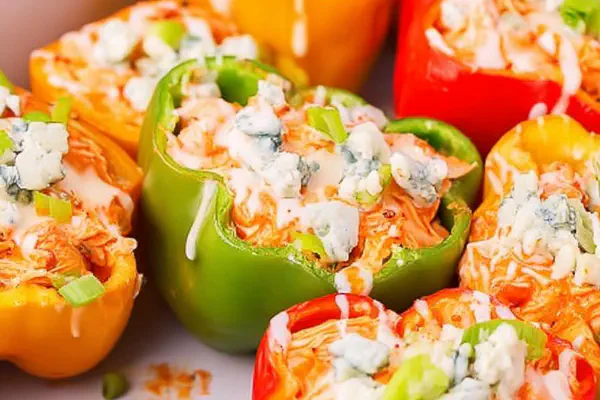
Buffalo Chicken Stuffed Peppers
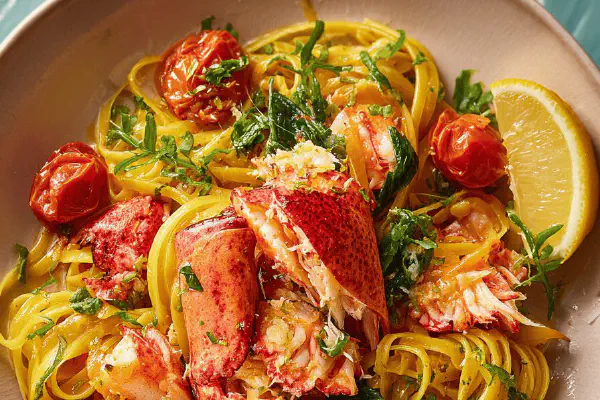
Lobster Spaghetti Delight
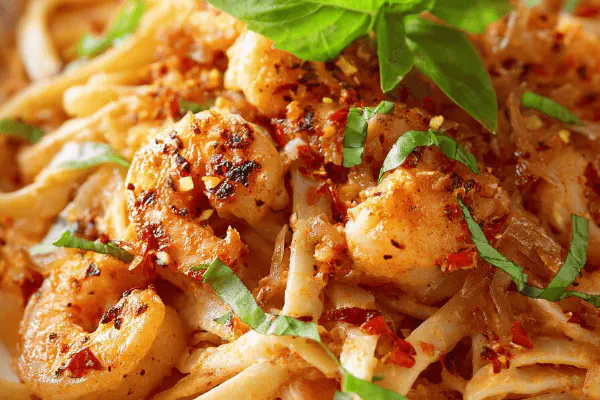
Cajun Shrimp Linguine Twist
Butternut Leek Rigatoni Gratin
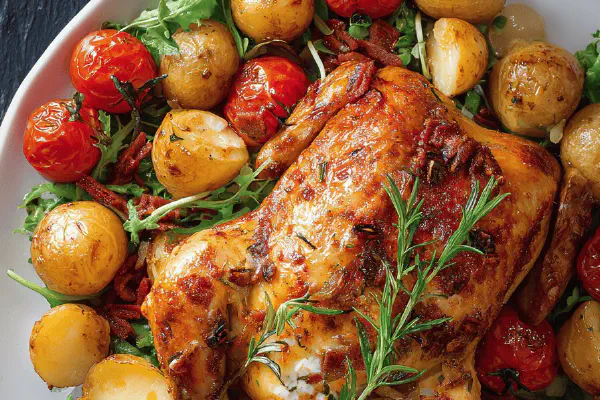
Lemon Chorizo Roast Chicken
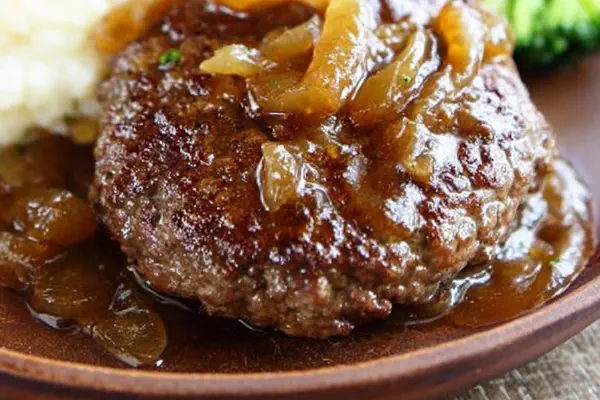
Onion Soup Hamburger Steaks
About the ingredients
Cetain tweaks make a big difference. Buttermilk is your tenderizing champion but whole milk mixed with a tablespoon of vinegar works if not on hand—just adjust marinating time to about 45 minutes. I swapped smoked chili powder for paprika recently; it adds that smoky heat fringe without overpowering. Kosher salt is best here for flavor without bitterness. If you don’t have cornstarch, potato starch works as well. It helps crust crisp and keeps moisture trapped inside. Baking powder in the flour mix? Yes, it’s a small lift but gives a lighter crunch. Eggs just need to be beaten lightly, no extra seasoning in them usually. Vegetable oil or canola are oil choices—peanut oil if you want extra aroma but watch for allergens. Oil temp is crucial; thermometer recommended but a simple flour test can guide you. Marinate chicken fully submerged so every bite stays juicy.
Method
- Whisk buttermilk with sriracha vigorously in small bowl, not just mixing, emulsify a little.
- Stuff the chicken tenders into a gallon Ziploc or a lidded container. Pour the spicy buttermilk bath over. Seal, nudge around for coating. Refrigerate minimum 55 minutes, up to 1 hour 5.
- In a large shallow bowl, sift or whisk together flour, cornstarch, salt, pepper, onion powder, baking powder, smoked chili powder. That chili powder switch? Adds a deeper kick I prefer over plain paprika. Keep this bowl close.
- Beat eggs in medium shallow bowl. No fancy whisk needed, a fork works fine.
- Heat 5 to 6-quart dutch oven with vegetable oil on high until it hits around 345°F. If no thermometer, test with a pinch of flour: it should sizzle and float rapidly without smoking violently.
- Line a baking dish or large platter with thick paper towels to catch excess oil.
- Grab each tender with tongs, shake off marinade (don’t drip too much but don’t leave it sloppy either). Dredge in seasoned flour mix, press flour in lightly with fingers. That initial coat sticks better this way–don’t rush this step.
- Dip coated tender into beaten eggs, get full coverage. Then dredge once more into flour mix, this double-layer keeps the crunch lasting. Excess flour means a gritty bite so shake off gently.
- Discard remaining marinade. No second use. Bit of buttermilk left over ruins batter consistency and flavor if reused.
- Slide 4 to 5 tenders into hot oil. Expect a loud sizzle and visible bubbling around edges. If oil bubbles aggressively and smells burnt, lower heat early to medium-high or medium immediately. Fry about 3 to 5 minutes, until tenders turn deep golden with crispy crust. Flip once with tongs halfway through. Texture changes from soft to firm, edges get crackly and crispy.
- Transfer cooked tenders to paper towels. Rest five minutes before serving. Crunch stays crisp, juices redistribute inside. Serve with any dipping sauce—ranch, honey mustard, or even a white pepper gravy for the full Southern vibe.
Cooking tips
Start with combining buttermilk and sriracha for that base punch. Don’t skip resting the chicken; 1 hour is ideal, but 55 to 65 minutes won’t throw things off. The dry flour mix should be well blended—don’t guess on measuring, that balance avoids a bland or off crunch. The double dredging method creates a crunchy shell that holds up to frying oil. Tossing chicken directly from buttermilk into flour without shaking too much liquid off gives better adhesion but too much moisture can clump the batter—shake lightly but keep the coat stable. Oil at 350°F is where magic happens; frying fewer pieces at once avoids temperature dips and uneven cooking. Look for a deep golden crust and firm texture for doneness, typically around 4 to 6 minutes. Remove tenders promptly to drain and rest. Leftover marinade toss—always toss! Don’t risk bacteria or flavor ruining your coating. Serve fresh but if needed, keep warm in a low oven at 200°F to maintain crispness without drying.
Chef's notes
- 💡 Marinate fully submerged. Buttermilk tenderizes—don’t skip. If no buttermilk, whole milk plus vinegar works fine. Adjust soak time down to about 45 minutes then. Sriracha adds heat but can overwhelm if too much; a tablespoon balances punch without overkill. Refrigerate between 55 to 65 minutes; any less and coating adhesion weakens. Pat chicken lightly before dredging but leave moisture for that first flour coat to cling. Too wet equals clumpy batter, too dry won’t stick well.
- 💡 Double dredge builds crunch. Flour mix needs full blending. Baking powder is key—not just fluff. Cornstarch locks moisture, potato starch good sub. Smoked chili powder replaces plain paprika—adds smoky depth without bitterness. Press flour firmly into tenders first coat—do not rush. Then dip in egg fully, coat again. Shake gently off excess flour after second dredge or grit creeps in. Let coating set briefly before frying to firm up crust and avoid batter falling off in oil.
- 💡 Oil temp makes or breaks crunch. Around 345 to 350°F best. No thermometer? Drop pinch of flour. Immediate, lively sizzle means heat’s right. Brown smoke, burn smell means too hot, lower heat or chicken chars outside but raw inside. Too cool and oil soaks in, soggy crust. Fry small batches to keep temp stable. Listen for crackle sound when batter bubbles—key doneness clue. Flip once midway—don’t poke constantly or crust softens. Drain on thick towels. Rest five minutes; juices redistribute, crust firms.
- 💡 Leftover marinade no reuse. Bacteria risk, ruins flavor balance and coating consistency. Keep eggs simple—no seasoning needed. Oil choice affects taste; peanut oil adds aroma but allergen warning. Vegetable or canola neutral. Paper towels must be thick—thin ones saturate fast, grease seeping back. Hot oil can splatter aggressively, use tongs for handling tenders carefully. Avoid overcrowding pan or temp dips. Watch for color change; golden deep, edges crackly, texture firm indicates done.
- 💡 If no smoked chili powder, mild chipotle or ancho powder works for smoky heat. Salt grind matters—kosher salt preferred for clean flavor without bitterness. Onion powder must be fresh—stale hits hardness. Tongs best for flipping—fingers or forks poke holes, juice loss. Eggs beaten lightly, no need for high air incorporation. Baking powder too much leads to weird texture—measure right. Always drain well but don’t press tenders or crust breaks. Serve with sharp dipping sauces—ranch, honey mustard, white pepper gravy; cuts richness.
Common questions
How long to marinate chicken?
Minimum 55 minutes, up to 65. Less than 45 can mean weaker coating cling. Buttermilk tenderizes during soak. Whole milk plus vinegar needs shorter time. No quick skip; flavor and texture need soak.
Can I use regular paprika?
Yes, but smoked chili powder adds needed smoky layer. Paprika is milder, lacks depth. Alternatives like chipotle powder give heat plus smoke. Adjust amounts to taste, smoky is subtle but distinct.
My crust gets soggy, why?
Oil temp too low probably. Absorbs too much oil, loses crunch. Overcrowding pan drops heat fast. Also, too much moisture on chicken before dredging. Shake excess marinade but keep some wetness. Double dredge without letting coats dry out too long.
Best way to store leftovers?
Store cool wrapped loosely in paper towels inside airtight container. Refrigerate no more than 2 days. Reheat in oven at 350°F to restore crisp. Microwave ruins crispness fast but okay for quick warm. Avoid airtight seals trapping steam.
You’ll Love These Too
Explore all →
Buckeye Brownie Cookies
Spiced Roasted Acorn Squash
Rustic Baked Macaroni Cheese
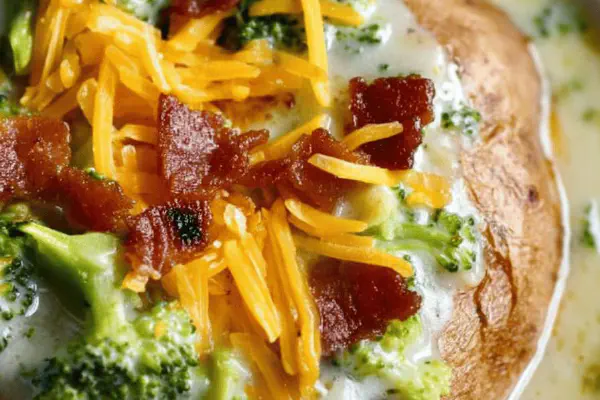
Cheesy Broccoli Potato Soup
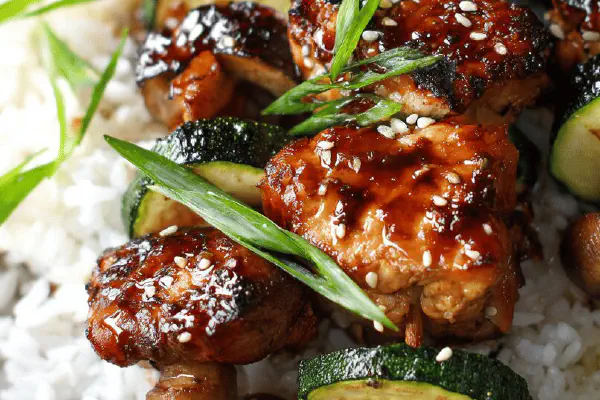
Chicken Skewers with Hoisin Glaze
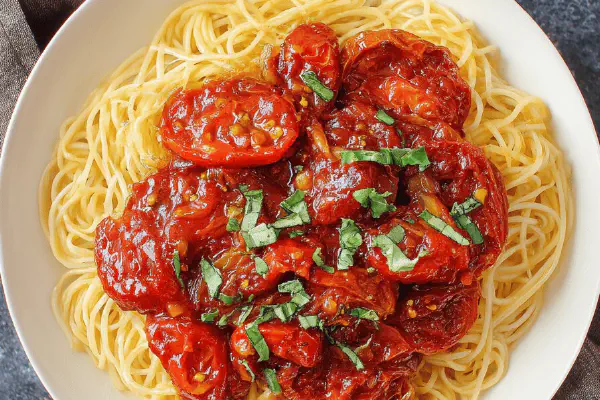
Grilled BBQ Tomato Sauce
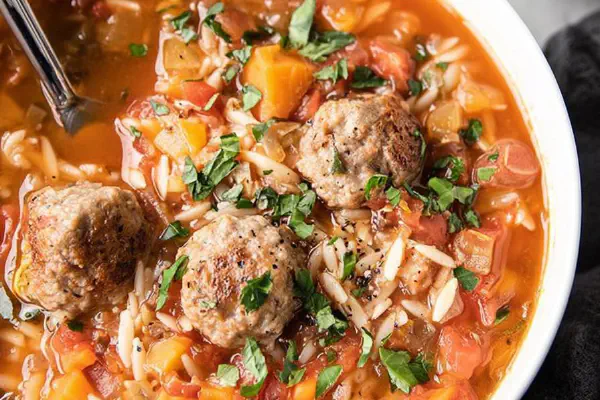
Italian Meatball Soup Remix
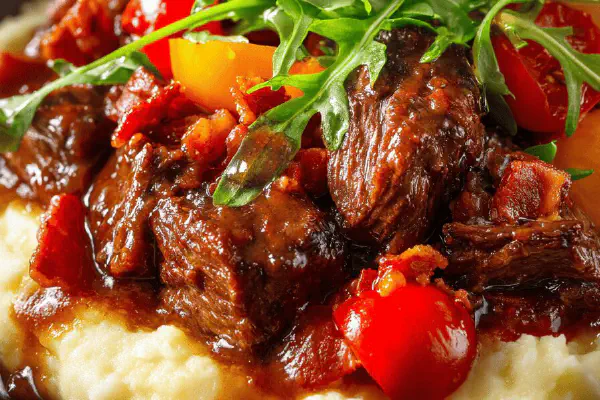
Braised Beef with Peppers and Cherry Tomatoes
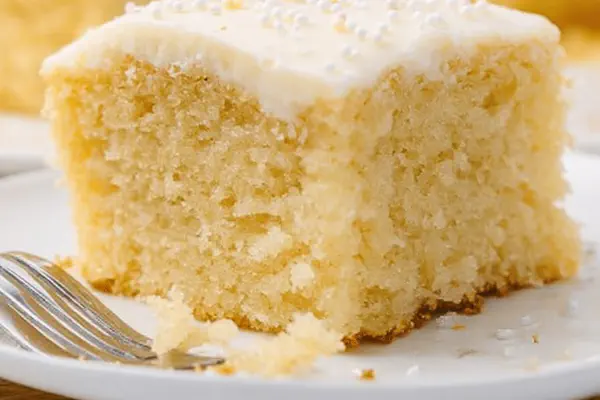
Vanilla Almond Cake

Citrus Aperol Twist
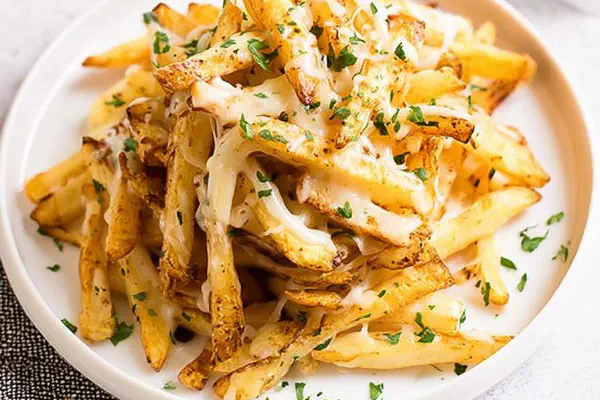
Garlic Herb Fry Tower
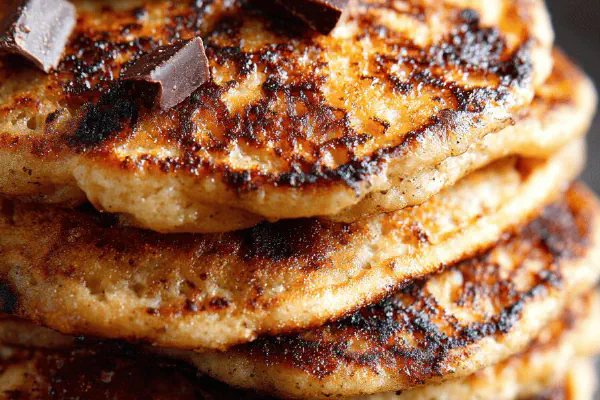
Fluffy Cinnamon-Chocolate Pancakes
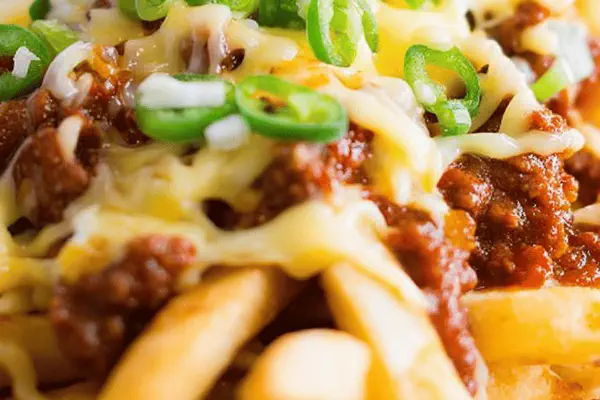
Chunky Chili Cheese Fries
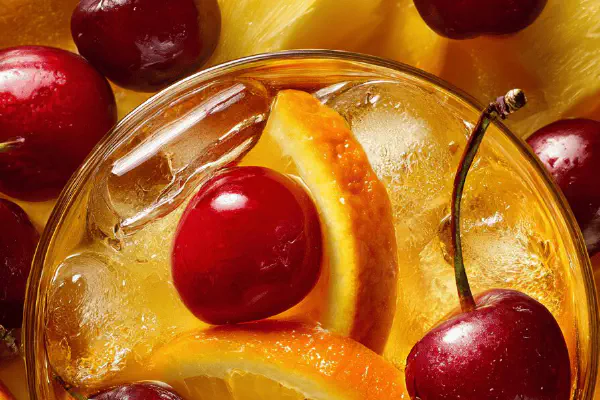
Cherry Citrus Punch
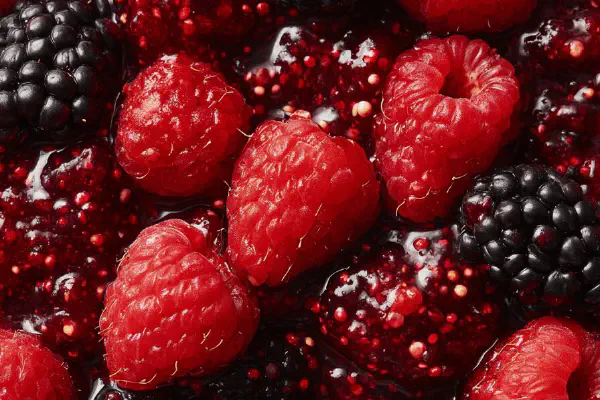
No-Cook Berry Jam with Orange and Pink Pepper
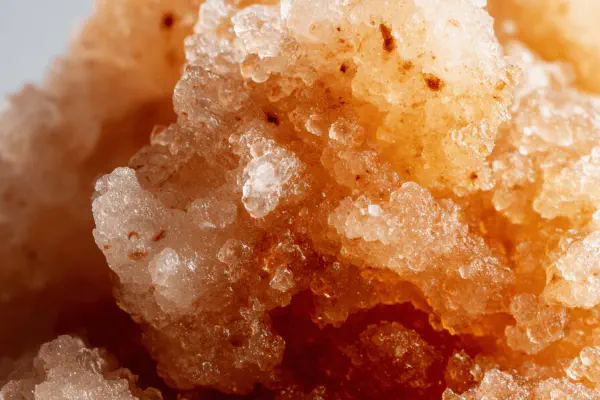
Frosty Apple-Maple Granité
Chewy Oatmeal Choc Chip

Creamy Cucumber Dill Salad
Stuffed Cheese Potato Squash
Brownies In A Jar