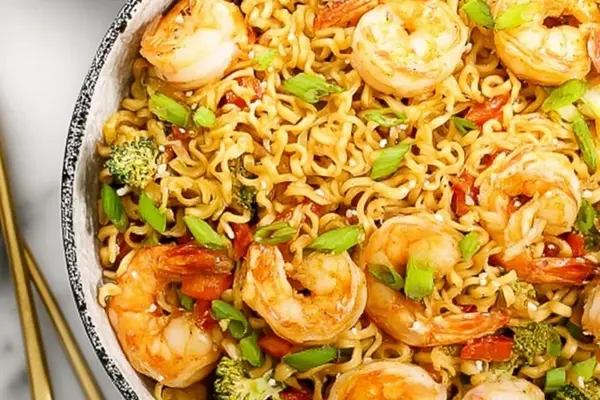
Garlic Shrimp Noodle Recipe With Sriracha
By Emma
Certified Culinary Professional
·
Recipe tested & approved
Garlic shrimp noodle dish with ramen, bell peppers, broccoli, and mushrooms in a savory soy-hoisin sauce with sriracha heat. Quick weeknight meal.
Prep:
18 min
Cook:
17 min
Total:
35 min
Servings:
6 servings
Set it to medium-high. One tablespoon of oil. Shrimp goes in when it shimmers—listen for the sizzle. Two to three minutes a side, then out. That’s the whole thing.
Why You’ll Love This Shrimp Noodle Dishes
Eighteen minutes to plate. Actual dinner on a weeknight, not stress. One pot. One skillet. Cleanup is just rinsing. Spicy if you want it, mild if you don’t—sriracha is adjustable. Everything else already has heat underneath. Works cold the next day, maybe better. Flavors sit overnight and get louder. Shrimp stays tender when you pull it early. The noodles finish cooking in the sauce, so they don’t get gummy.
What You Need for Shrimp Ramen Recipes
The sauce is five tablespoons of soy, tamari, hoisin, rice wine vinegar, sugar. Three cloves of garlic, minced fine. Ginger—fresh, grated. Oyster sauce, sriracha, white pepper. Mix it all. Taste it. Too sweet? Add vinegar. Needs kick? More sriracha.
Eight ounces of ramen or fresh egg noodles. Canola oil—three tablespoons split. A pound of raw shrimp, peeled and deveined. Red bell pepper, diced. Cremini mushrooms—about a cup sliced. Broccoli florets. Yellow onion, diced. Scallions if you have them. Sesame seeds too, if you’re going that route.
How to Make Stir Fried Noodles with Shrimp
Boil eight cups of water. Rolling boil. Drop the noodles in, stir them with a fork so they separate. They cook fast—two to four minutes. You want them pliable but still with some fight in them. Not soft. Not yet. Drain and rinse under cold water. Shake off what’s sitting on there. Set aside.
Get one skillet going. Medium-high heat. One tablespoon of oil. Wait for it to shimmer—not smoking, just shimmering. Lay the shrimp in a single layer. Don’t crowd them. Listen. You’ll hear it sizzle. Two to three minutes per side. They curl up, they turn opaque, they’re done. Pull them out. Plate them.
Add the rest of the oil—two tablespoons. Bell pepper, mushrooms, broccoli, onion. All in. Cook, stir sometimes, five to seven minutes. You’re looking for soft but still with crunch. Bright color. Onions go translucent. That’s when you know you’re close.
How to Get Shrimp Noodle Dishes Glossy and Perfect
This is where it comes together. Turn the heat down to medium. Shrimp back in. Noodles in. Pour the sauce over everything. Tongs—grab them. Toss it all. Coat the noodles, coat the vegetables. Everything gets the sauce. One to three minutes more. Just enough to warm through. The sauce thickens a bit. You’ll smell the garlic and vinegar hitting the heat.
Taste a noodle. Taste a shrimp. Does it need more salt? Soy sauce. Needs brightness? Lemon juice. A teaspoon of sesame oil at the end—right at the end, off heat—adds something. But don’t cook it. It burns.
Stir Fry with Noodles and Shrimp Tips and Common Mistakes
Noodles clump if you don’t stir during boiling. Keep moving them. Then cold water stops them dead. That matters. Don’t skip it.
Frozen shrimp. Thaw it. Pat it dry. Water in the skillet means they steam, not sear. Ruins the whole thing.
Overcook the shrimp by thirty seconds and it gets rubbery. Not worth it. Pull it early. It finishes in the sauce anyway.
The sauce gets thick fast if the noodles are still wet. Shake them off. Wring them out if you have to.
Bell pepper stays firmer than mushrooms. Onion takes forever. Cut them all the same size, roughly, or some finish before others.
Garlic Shrimp Noodle Recipe With Sriracha
Prep:
18 min
Cook:
17 min
Total:
35 min
Servings:
6 servings
Ingredients
- 5 tablespoons soy sauce
- 1 tablespoon tamari sauce replacing dark soy sauce
- 1 1/2 tablespoons hoisin sauce
- 1 tablespoon seasoned rice wine vinegar
- 2 teaspoons granulated sugar reduced a bit from original
- 3 cloves garlic minced fine
- 1 teaspoon grated fresh ginger replacing grated garlic for twist
- 2 tablespoons oyster sauce
- 1 1/2 teaspoons sriracha
- 1/4 teaspoon white ground pepper
- 8 ounces ramen noodles or substitute fresh egg noodles
- 3 tablespoons canola oil divided
- 1 pound raw shrimp peeled and deveined
- 1 medium red bell pepper diced
- 1 cup sliced cremini mushrooms
- 1 1/2 cups broccoli florets
- 1 medium yellow onion diced
- Optional sliced scallions for garnish
- Optional toasted sesame seeds for garnish
Method
- 1 Whisk soy sauce, tamari, hoisin, rice wine vinegar, sugar, minced garlic, grated ginger, oyster sauce, sriracha, and white pepper in a small bowl. Set aside and taste to confirm balance; add more vinegar if too sweet or sriracha for kick.
- 2 Bring 8 cups water to rolling boil in 3-4 quart pot. Drop in noodles, stir gently with chopsticks or fork to separate strands. Cook 2-4 minutes until just pliable but still resistant not fully soft. Drain quickly and rinse under cold water to stop cooking and prevent clumping. Shake off excess water and set aside.
- 3 Heat 1 tablespoon canola over medium-high in 10-12 inch skillet until shimmering but not smoking. Add shrimp in single layer. Listen for light sizzle, cook 2-3 minutes per side until shrimp turn opaque and curl just right. Avoid overcooking or rubbery. Remove shrimp to plate.
- 4 Add remaining 2 tablespoons oil to skillet. Toss in bell pepper, mushrooms, broccoli, and onion. Cook stirring occasionally, 5-7 minutes till vegetables soften but retain some crunch and color brightens. Avoid browning; translucent onions signal nearing readiness.
- 5 Reduce heat to medium. Return shrimp, noodles, and sauce mixture to skillet. Using tongs, toss everything to coat noodles and veggies evenly. Cook an extra 1-3 minutes to warm through and thicken sauce slightly. Smell garlic and vinegar zing; noodles should look glossy, veggies tender-crisp.
- 6 Taste a shrimp or noodle strand to check seasoning and texture. Adjust with splash of soy or dash of lemon juice if needed for brightness.
- 7 Transfer to serving dish. Scatter scallions and sesame seeds on top. Serve immediately for best texture and heat.
- 8 If lacking fresh garlic, substitute garlic powder but reduce quantity. If no cane sugar, brown or honey can work but expect different caramel notes.
- 9 Avoid noodles clumped by constant stirring during boiling and rapid cooling. For shrimp, if frozen, thaw fully and pat dry to prevent watery skillet.
- 10 If you want a richer finish, a teaspoon of toasted sesame oil added right at the end gives a nice aroma. But do not add early or sauté it; it burns fast.
Nutritional information
Calories
310
Protein
9g
Carbs
40g
Fat
13g
Frequently Asked Questions About Shrimp Noodle Dishes
Can I use frozen shrimp? Yeah. Thaw it in the fridge overnight. Pat it completely dry before it hits the pan. Wet shrimp steams instead of sears.
What if I don’t have tamari or hoisin? Tamari’s just darker soy. Use straight soy if you have to. Hoisin’s sweet and thick. Nothing replaces it exactly. Skip it and add a teaspoon of honey instead. Not the same thing but it works.
How do I know when the shrimp is done? Opaque and curled. Two to three minutes a side usually does it. You’ll know by looking. Don’t overcook it.
Can I make this with rice noodles? Sure. Rice noodles cook faster—one to two minutes usually. Watch them. They fall apart if you leave them.
Should I cook everything in one pan? The noodles and shrimp go separate at first so they cook right. Then combine. If you throw it all together from the start, noodles get gummy and shrimp overcooked.
What’s the spice level? One and a half teaspoons of sriracha isn’t much heat. You can double it. Or skip it. The soy and ginger carry flavor either way.
Can I meal prep this? Cold or room temperature, it holds fine for two days. Noodles soften a bit but they don’t fall apart. Shrimp stays tender if you didn’t overcook it.
You’ll Love These Too
Explore all →
Easy Naan Bread Recipe with Labneh
Creamy Mushroom Sauce with Parmesan
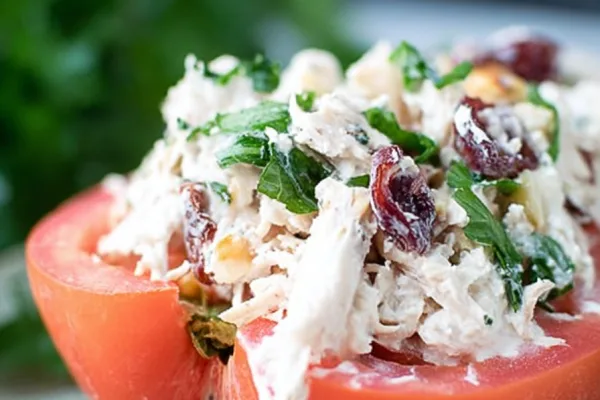
Tomato Wedge Greek Yogurt Chicken Salad
French Onion Dip Recipe with Smoked Paprika
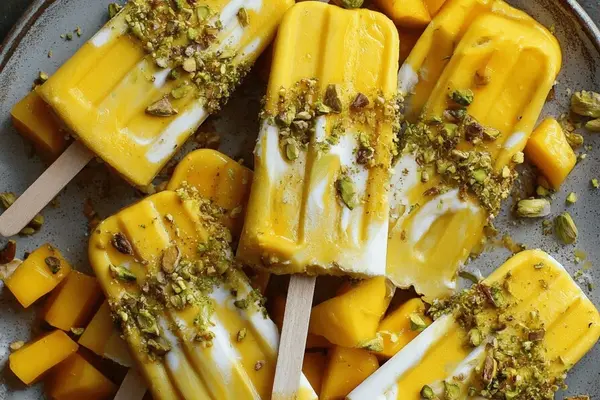
Mango Lassi Pops with Pistachio Crunch

Lego Block Cake with Almond Extract
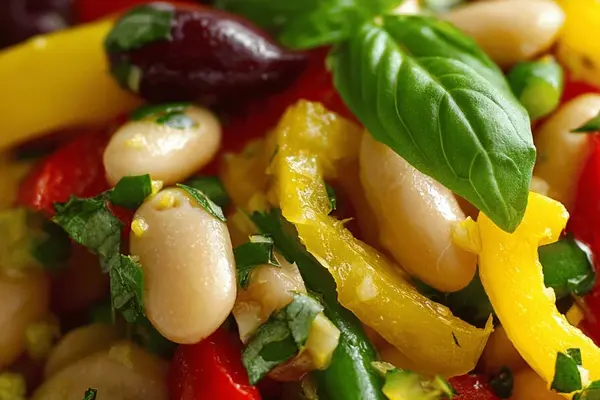
Mediterranean Salad with White Beans
Asparagus Soup with Poached Eggs
Crispy Herb Roast Chicken with Butter
Saltine Crusted Chicken Tenders Recipe
Chilaquiles Recipe with Turkey Broth
Crispy Salami Cups with Ricotta & Mozzarella
Air Fryer Apple Pudding in Ramekins
Poke Recipe with Ahi Tuna and Jasmine Rice
Sausage Pesto Pasta Bake
Buttercream Lemon Pound Cake Recipe
Roasted Tomato Soup with Tarragon
Crispy Shrimp Fritters with Lime Mayo

Mini Chicken Pot Pies with Cheddar Biscuits