Spicy Sweet Potato Soup with Chorizo
E
By Emma
Certified Culinary Professional
•
Recipe tested & approved
Spicy sweet potato soup blending chorizo, chipotle, and lime. Creamy bisque with onions, garlic, ginger, and sweet potatoes simmered in vegetable broth, finished with cream and smoked paprika.
Prep:
20 min
Cook:
30 min
Total:
50 min
Servings:
4 servings
Butter hits the pan. Onions go in first—that earthy spice market smell that means you’re doing it right. Twenty minutes of prep, thirty of actual cooking. Fifty total if you move steady. Had a pot of these potatoes sitting around on a Wednesday and three cloves of garlic just staring at me. This happened.
Why You’ll Love This Spicy Sweet Potato Soup
Comfort food that doesn’t feel heavy. The soup gets silky without being boring—cream tempers the spice without burying it. Chorizo crisps on top. That’s texture. That’s flavor. Takes fifty minutes start to finish. Chorizo does most of the work while you’re blending. Cold leftovers taste better the next day, maybe even better. Feeds four people or two people twice. Not sure why that matters except it does.
What You Need for Potato Soup Spices
Three tablespoons of butter. Regular unsalted. Salted works if you cut back on salt later. One medium yellow onion diced—not minced, actual chunks. Garlic. Three cloves minced. One tablespoon of fresh ginger grated. The kind you peel, not the powder stuff. Four cups of sweet potatoes diced into one-inch cubes. Russets break down too much. Reds get mealy. Sweet potatoes actually stay whole-ish until you blend them. Four cups of vegetable broth. Chicken works. So does water if you’ve got nothing else. One tablespoon of chipotle chili powder. Not regular chili powder. Chipotle has smoke. Regular doesn’t. Eight ounces of Mexican chorizo. Casing removed. Half a cup of half and half. Or heavy cream if that’s what you’ve got. One teaspoon of smoked paprika. Lime wedges for the end. One tablespoon of fresh lime juice that goes in early. Not bottled. Fresh.
How to Make Spicy Sweet Potato Soup
Melt the butter over medium heat. Don’t let it brown. Add the onions, garlic, and ginger all at once. Stir constantly. The smell blooms fast—that spice market thing happens in maybe two minutes. Keep stirring. Onions go from opaque to translucent, shimmering, soft. Backs off browning completely. That’s your sign to move forward. Takes about five minutes total.
Pour in the lime juice immediately. Sounds random but it stops the cooking slightly and adds brightness later. Immediately dump in the sweet potatoes. Spread them around the pot so they sit in a single layer-ish. They’ll soften at the edges first—centers stay firm. Five minutes for the edges. Then the broth goes in. All four cups. Sprinkle the chipotle chili powder over top. Stir hard. Make sure the chipotle distributes evenly or you’ll get one spicy bite and then boring. Turn heat up to medium-high. Bring it to a boil. Then lower it immediately to a gentle bubble. Not a rolling boil. A bubble.
Sweet potatoes break down. You watch them go soft, lose shape, start falling apart if you poke them. Takes about eighteen to twenty-two minutes depending on how big your cubes are. Fork test. Pierce the largest piece. If it melts a little under pressure, you’re done.
How to Get Chipotle Sweet Potato Crispy—The Chorizo Part
While potatoes stew, heat a medium skillet. Medium heat. Crumble the chorizo straight in—casing removed, just the meat. Don’t stir too much. That’s the mistake everyone makes. You stew it instead of crisping it. Let the edges brown. Let it sizzle. Oil releases. Nine to eleven minutes. Once the bits look darkened, crispy at the edges, scoop it out onto paper towels with a slotted spoon. Keep the skillet. You’re done with it but keep it nearby because reasons.
Sweet Potato Bisque Soup Recipe—Blending and Finishing
When sweet potatoes nearly fall apart—seriously, they should be collapsing—pull the pot off heat. Use an immersion blender. Blend it in the pot. Target texture is chunky applesauce. Not watery. Not smooth like pudding. Just in between. No immersion blender? Transfer it in batches to a food processor. Or a regular blender. Takes longer but same result. Check the texture before the next step. Too thick? Add more vegetable broth. Or apple juice if you want to lean into the sweetness. A splash of apple juice does something unexpected—fruity lift without thinning it out.
Lower heat to low. Pour in the half and half slowly. Stir gently so it folds in silky-like. No boiling or the cream curdles and breaks. Just warm it through. Sixty seconds. Maybe ninety. You’ll feel when the flavors meld. That’s done.
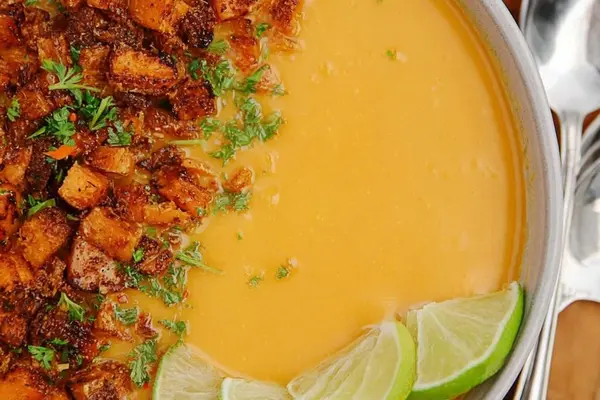
Serve warm. Spoon it into bowls. Scatter the crispy chorizo on top. Dust smoked paprika over everything for extra char aroma. Squeeze lime juice fresh from the wedge. If you want more spice, drizzle chili oil over top. Or swap half the chorizo for andouille next time—smokier, different note entirely.
Spicy Sweet Potato Soup with Chorizo
Prep:
20 min
Cook:
30 min
Total:
50 min
Servings:
4 servings
Ingredients
- 3 tablespoons unsalted butter
- 1 medium yellow onion diced
- 3 cloves garlic minced
- 1 tablespoon fresh ginger grated
- 1 tablespoon fresh lime juice
- 4 cups diced sweet potatoes about 1 inch cubes
- 4 cups vegetable broth
- 1 teaspoon chipotle chili powder
- 8 ounces Mexican chorizo casing removed
- 1/2 cup half and half or heavy cream
- 1 teaspoon smoked paprika
- Lime wedges for garnish
Method
- 1 Melt butter in a large heavy-bottom pot over medium heat. Toss in onions, garlic, and ginger. Stir often. Smell should bloom like earthy spice market. Onions go translucent, soft and shimmering; backs off browning — that’s your sign.
- 2 Slide in lime juice, immediately follow with the sweet potatoes. Spread them around. Softening takes about 5 minutes; edges soften, centers firm. Next, ladle in vegetable broth and sprinkle chipotle chili powder. Give a good stir making sure chili distributes evenly. Turn heat up to medium-high, bring to a boil; then lower heat to gentle bubble. Sweet potatoes should tenderize, lose shape, starting to break down. About 18 to 22 minutes depending on cube size. Test by piercing largest piece with fork; if melts a bit under pressure, you’re there.
- 3 While potatoes stew, heat a medium skillet over medium heat. Crumble chorizo straight in. Resist stirring too much or you’ll stew it instead of crisp. Let edges brown, sizzle, and release oil—around 9-11 minutes. Once bits look darkened and slightly crispy, scoop with slotted spoon onto paper towels. Keep that skillet handy for later.
- 4 When sweet potatoes nearly fall apart, remove pot from heat. Carefully use immersion blender to puree in pot—if you don’t have one, transfer in batches to food processor or blender. Target texture close to chunky applesauce not watery soup. Check and adjust consistency before next step. Too thick? Add reserved vegetable broth or even a splash of unsweetened apple juice for a fruity lift instead of thinning with broth.
- 5 Lower heat to low. Pour in half and half—creamier than milk but lighter than heavy cream. Stir gently so it folds in silky. Warm through, but no boiling or curdling. Just enough heat to soften edges and meld flavors.
- 6 Serve warm. Spoon bisque into bowls. Scatter crispy chorizo on top. Dust smoked paprika for extra char aroma. Finish with a squeeze of fresh lime. If you crave a little extra punch, drizzle with a touch of chili oil or swap half chorizo for spicy andouille sausage next time for a smokier note.
- 7 Taste tweaks: If bisque feels too sweet, a pinch of salt or tiny splash of vinegar balances it. No chorizo? Use smoky bacon or seared tofu with smoked salt. No half and half? Coconut cream works, though shifts flavor. Loads of garlic can overpower; ginger adds that warming zing without clashing.
Nutritional information
Calories
320
Protein
12g
Carbs
20g
Fat
22g
Frequently Asked Questions About Chipotle Sweet Potato
Can you use canned sweet potatoes? No. Actually—don’t. They’re already soft. This needs the texture shift from firm to falling apart. Fresh takes thirty minutes. Canned gets mushy-paste. Different soup.
What if the soup tastes too sweet? Pinch of salt. Or vinegar—even a tiny splash. Lime juice helps too if you’re not already using the full tablespoon. Salt usually fixes it though.
Does it freeze? Yeah. Not with the cream though. Blend and freeze it plain. Add cream after reheating. Freezes cleaner that way.
Can you make this without chorizo? Sure. Bacon crisps on top works. Seared tofu with smoked salt if you want that angle. But the chorizo does something—oils infuse the soup somehow. Not the same without it.
What about coconut cream instead of half and half? Works. Changes the whole thing though. Goes tropical. Less comfort food, more resort menu. Not bad. Just different.
How much garlic is too much? Three cloves is the line. More than that and it overpowers the chipotle and ginger. Haven’t tried eight cloves. Probably a disaster.
You’ll Love These Too
Explore all →
Strawberry Lemon Bars with Buttery Crust
South Carolina Mustard BBQ Sauce with Molasses
Caramelized Onion Dip Recipe with Gouda
Slow Cooker Beef Ragu with Red Wine
Iced White Chocolate Mocha with Lemon Zest
Piquante Pepper Sauce Recipe

Cookie Dough Truffles with Bittersweet Chocolate
Creamy Blue Cheese Penne with Toasted Walnuts

Orange Marmalade Chicken with Cherry Tomatoes

Lemongrass Gin Cocktail with Yuzu Juice
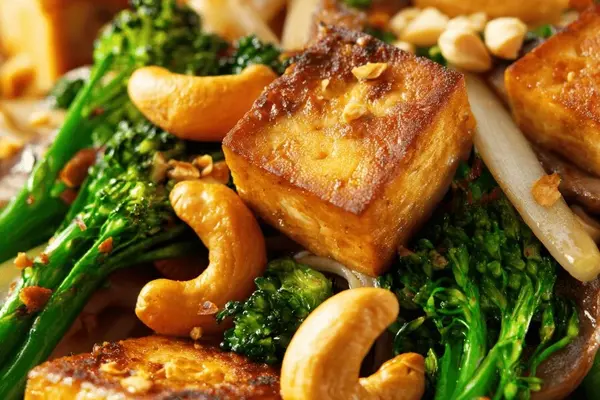
Sauteed Vegetables with Tofu and Almonds
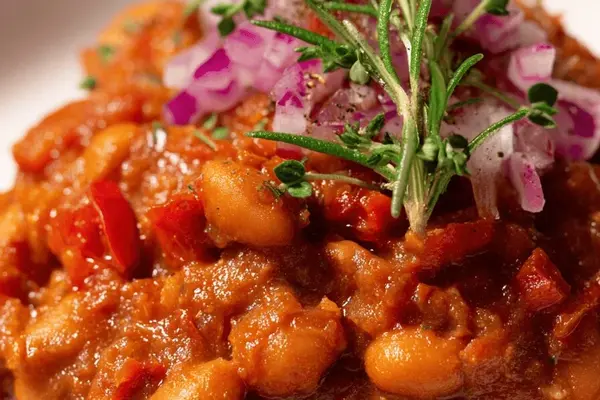
Pinto Bean Chili with Smoked Paprika

Marshmallow Pecan Brownies Recipe

No-Bake Pumpkin Brownies with Chocolate

Chicken Enchilada Casserole with Sour Cream
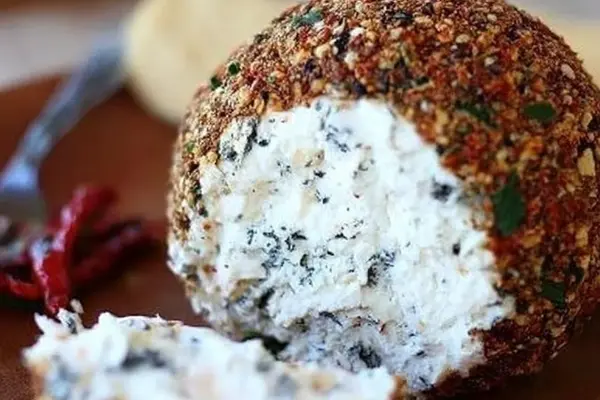
Peppery Ranch Cheeseball with Cream Cheese
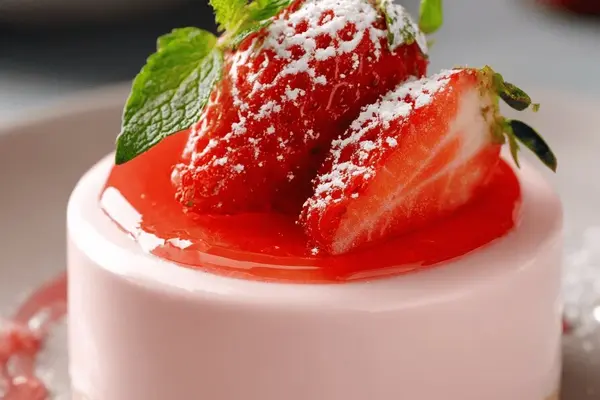
Strawberry Short Cake with Mousse
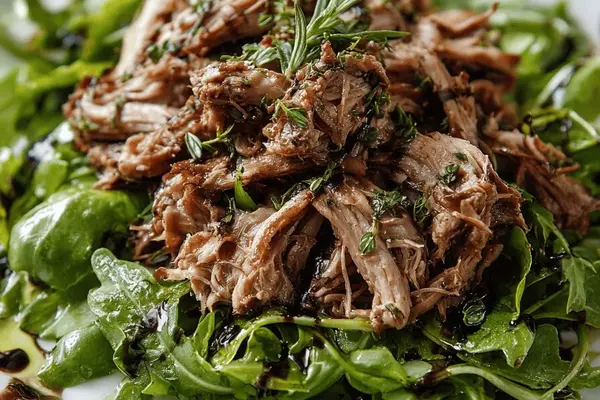
Slow Cooker Pulled Pork with Garlic & Thyme
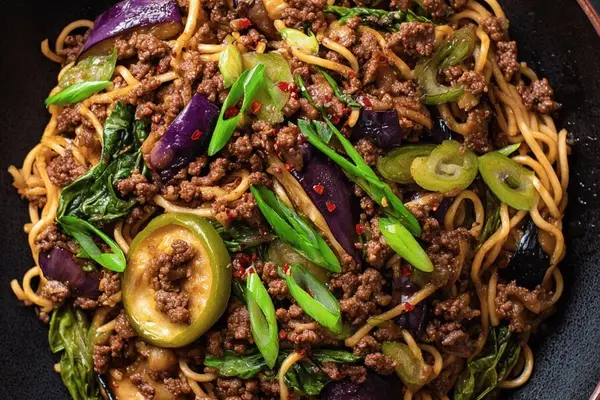
Beef Eggplant Pleurote Ramen Recipe