How Do You Make An Omelet with Shrimp
E
By Emma
Certified Culinary Professional
•
Recipe tested & approved
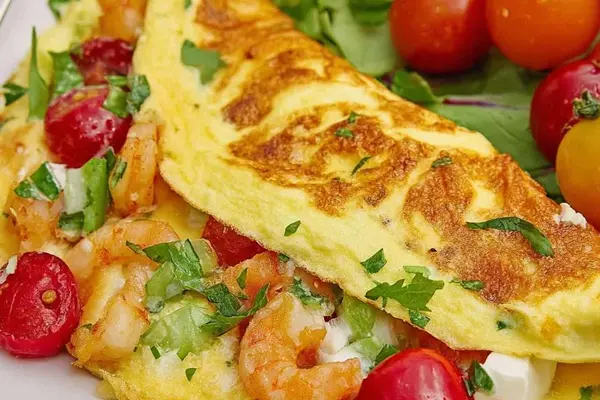
Crack eggs into a bowl. Whisk until they’re pale and just barely frothy—that air matters more than you’d think. Butter’s already hot in the pan, that specific smell right before it burns. Pour it in. Watch the edges set while the middle stays loose. Shrimp goes on one half. Spinach. Mozzarella. Fold. Done. Eleven minutes start to finish.
Why You’ll Love This Shrimp and Spinach Omelet
Takes 11 minutes total. That’s prep, that’s cook, that’s done. Easy breakfast on a Tuesday morning when you’re half asleep.
The shrimp makes it feel fancy but it’s literally cooked shrimp from the store. Spinach disappears into the eggs—tastes better than it sounds.
Mozzarella melts into this soft, salty layer. Not cheddar. Different thing entirely.
Works cold the next day if you actually have leftovers. Probably won’t.
Flipping it feels harder than it is. Actually does it in one motion once you try.
What You Need to Make an Omelet
Two large eggs. Not medium. The size matters for the pan-to-fill ratio. Heavy cream or milk whisked right in—makes the eggs puff slightly when they hit heat. Regular milk works. So does nothing. Butter’s non-negotiable. Unsalted. Clarified butter burns slower but regular unsalted is fine.
Fifty grams of cooked shrimp. Cold from the fridge is okay. Smoked salmon works too. So does tofu if you’re not eating shrimp. Crumbled, diced, whatever—just distributed.
A quarter cup of spinach, chopped rough. Doesn’t have to be perfect. Two scallions sliced thin. Five cherry tomatoes, each one quartered. A quarter cup of shredded mozzarella—and this one matters. Fresh mozzarella gets weird when you cook it. Low-moisture stuff like part-skim is what works here. Feta if you want tang instead.
Salt. Black pepper. That’s it.
How to Make an Omelette That Actually Works
Medium skillet. Medium heat. Butter goes in and you watch it. Not brown. The foam subsides, still pale, and there’s that gentle sizzling sound. That’s your signal.
Eggs get cracked into a bowl. Both of them. Cream or milk poured on top—doesn’t have to be exact, two tablespoons is the range. Whisk it hard. Or use a blender for like five seconds. Either way, you’re trapping air. The eggs should be pale and thickened, slight froth on top. This part’s important even though it looks like nothing.
Pour the whole thing into the hot pan evenly. Bubbles form at the edges immediately. Don’t touch it. Fifty to fifty-five seconds, just sitting there. The edges firm up. The center stays soft. That’s when you know.
How to Cook an Omelet With Shrimp and Spinach
Sprinkle half the omelet with everything—shrimp, scallions, spinach, tomato. Mozzarella goes right on top of that. Salt and pepper scattered gently.
The surface might bubble sporadically. Use a fork tip to pop the bubbles. Keeps the texture even. Listen for the faint sizzling. It slows down as you go.
Slide a thin spatula under it. Loosen the edges. If the pan feels dry or it’s sticking, add a small pat of butter. Now the flip. Swift movement. One motion. If you can’t commit to it, do it in two parts—flip half over first, then fold the other side. Cook the second side one to one point five minutes. Watch for pale golden. Not brown. The cheese melting inside is the goal.
How to Make the Perfect Omelet — Tips and Common Mistakes
Don’t whisk the eggs half-heartedly. The air makes it fluffy. Slack eggs make a rubbery omelet. Also don’t wait for the eggs to fully set in the pan—that’s when it gets tough. You want soft center still.
Overcrowding kills it. Too many fillings and the thing breaks apart when you flip. Half the pan is your limit. Save toppings for the fold.
Butter temperature is everything. Smoking means it’s too hot. No sizzle means it’s too cold. That middle spot where it smells good and sounds right—that’s the place.
The flip is easier than you think. You’re lifting the whole thing at once, not scraping. Confidence helps. Or just fold it slow.
Second side cooks fast. Thirty seconds sometimes. Watch it. Dark spots mean you overshot.
How Do You Make An Omelet with Shrimp
Prep:
6 min
Cook:
5 min
Total:
11 min
Servings:
1 serving
Ingredients
- 2 large eggs
- 2 tbsp heavy cream (or whole milk)
- 1 tbsp unsalted butter
- 50g cooked shrimp, peeled and deveined (substitute smoked salmon or cooked tofu)
- 1/4 cup fresh spinach, roughly chopped
- 2 scallions, finely sliced
- 5 cherry tomatoes, quartered
- 1/4 cup shredded mozzarella cheese (replace with feta for tang)
- Salt and black pepper to taste
Method
- 1 Warm butter in medium skillet over medium heat. Watch carefully. Wait for butter foam to subside but not brown. Butter sizzling gently, not burning—best sign.
- 2 Crack eggs into bowl. Add cream or milk. Whisk vigorously or blitz in blender briefly to trap air. Eggs pale, thickened, slight froth on top.
- 3 Pour eggs evenly into hot pan. Legs of bubbles will form at edges; do not disturb immediately. Let eggs surface set slightly till edges firm but center still soft, roughly 50-55 seconds.
- 4 Sprinkle shrimp, scallions, spinach, tomato quarters evenly over half the eggs. Add half the mozzarella right on top. Salt and pepper sprinkled gently.
- 5 Surface may bubble up sporadically. Use toothpick or fork tip to puncture bubbles to prevent uneven pockets. Listen for faint sizzling, bubbling slows.
- 6 Slide thin spatula under entire omelette, loosen edges. Add small pat more butter if pan seems dry or omelette sticking.
- 7 Flip omelette carefully in one swift movement; if intimidating, flip in two parts. Cook second side 1 to 1.5 minutes. Surface should turn pale golden without browning. Cheese melting within is key.
- 8 Remove from heat. On plate, fold omelette in half or thirds using spatula. Top with remaining mozzarella, let sit 30 seconds to melt from residual heat. Serve immediately.
Nutritional information
Calories
320
Protein
25g
Carbs
6g
Fat
22g
Frequently Asked Questions About How to Make an Omelet
Can I make an omelet without cream? Yeah. Water works. Milk works. Nothing works too. The cream just makes it puff a tiny bit more. Not essential.
What if I don’t have shrimp? Smoked salmon. Cooked chicken. Literally any protein. Tofu if that’s your thing. The omelet doesn’t care.
How do I flip it without breaking it? One fast movement. Spatula under the whole thing, wrist flick, it lands. Or fold it in half while it’s still in the pan. Slower but safer. Works just fine.
Should I use a nonstick pan? Stainless steel works. Cast iron works. Nonstick is easier. Pick whatever you have.
What if the spinach is frozen? Thaw it. Squeeze out the water. Too much liquid and the omelet gets soggy. Dry it as much as you can.
Can I make this ahead? Not really. Omelets are one of those things you make right before eating. Reheats weird. Cold one the next day tastes fine—just different texture.
What’s the difference between an omelet and scrambled eggs? This one folds. Stays together. Scrambled eggs you break apart as you go. Different techniques, same eggs. Omelets look fancier for basically the same effort.
You’ll Love These Too
Explore all →
Crab-Stuffed Lobster Tail Recipe
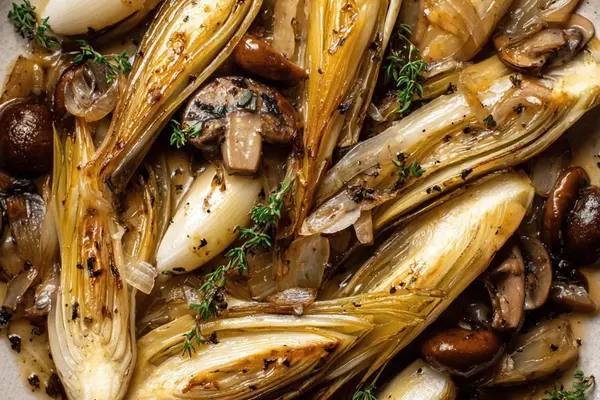
Braised Endives with Maple Syrup
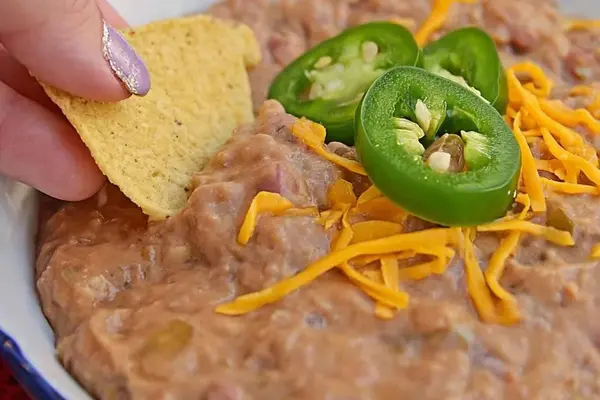
Bean Pinto with Garlic, Cumin & Cheddar
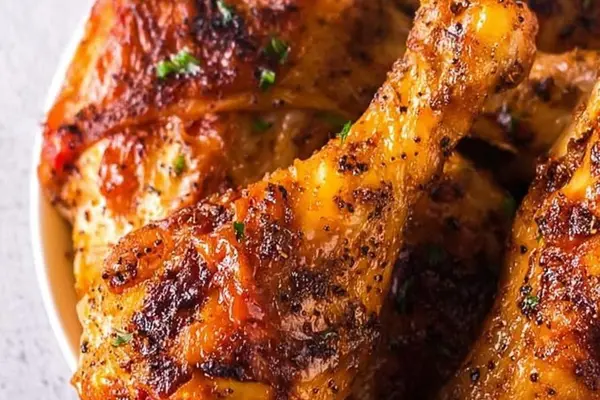
Oven Baked Spiced Chicken Legs with Paprika

Corn Salad with Smoked Cheddar
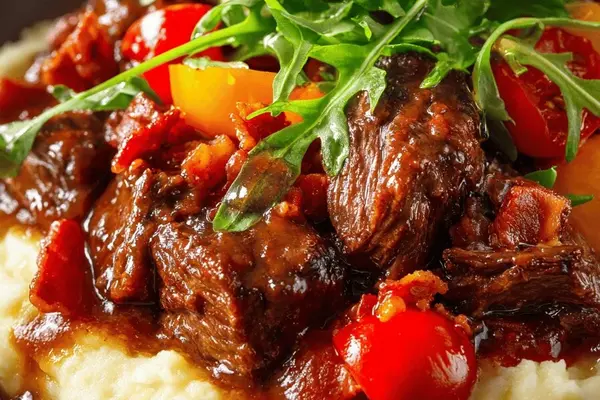
Braised Beef with Peppers and Cherry Tomatoes
Peach Cobbler Muffins with Crumb Topping
Meatball Sauce with Beef, Veal & Fresh Basil
Beer Battered Fish Recipe with Cod
Light Crispy Waffles with Separated Eggs
Lemon Butter Sauce with Dijon Mustard
Barbecue Shredded Pork Loaded Potato Skins
Jiggly Japanese Cheesecake Recipe
Peppermint Bark Ice Cream Recipe
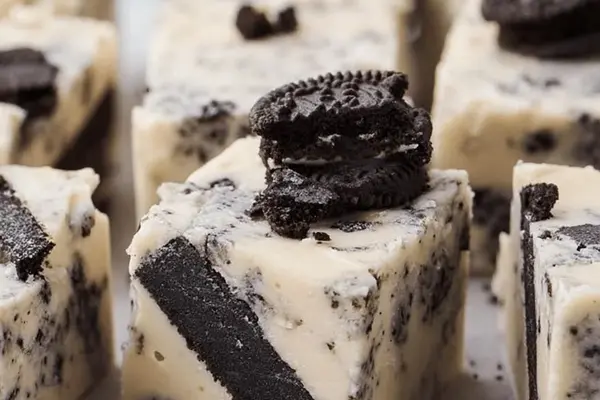
Sundae Cookie Fudge with Oreos
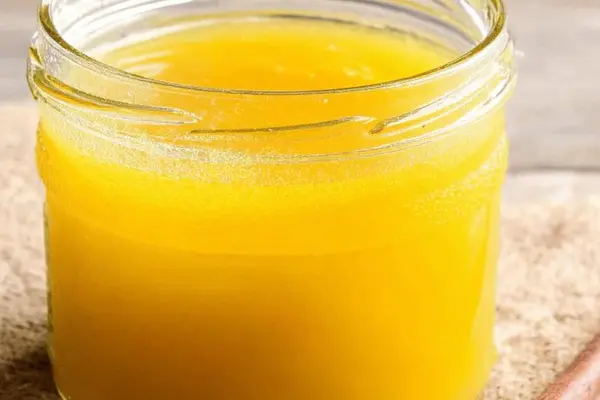
Clarified Butter: Make It at Home
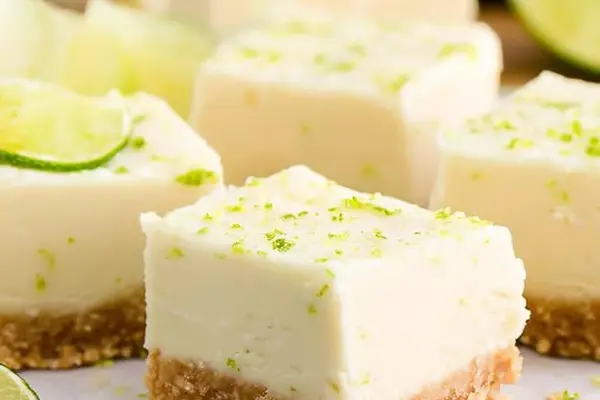
Key Lime Pie with White Chocolate Fudge

Chicken & Gnocchi Recipe with Creamy Broth
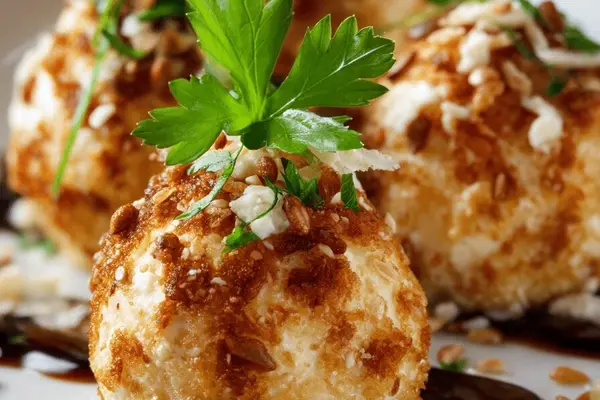
Parmesan Cream Balls with Balsamic