Squid Ink Seafood Pasta
By Emma
Certified Culinary Professional
·
Recipe tested & approved
Squid Ink Seafood Pasta cooks tender squid ink spaghetti tossed in butter, seared scallops and shrimp, and a creamy white wine sauce with garlic, shallots, lemon zest, Parmesan, and parsley. Ready in 30 minutes for 4 servings.
Prep:
10 min
Cook:
20 min
Total:
30 min
Servings:
4 servings
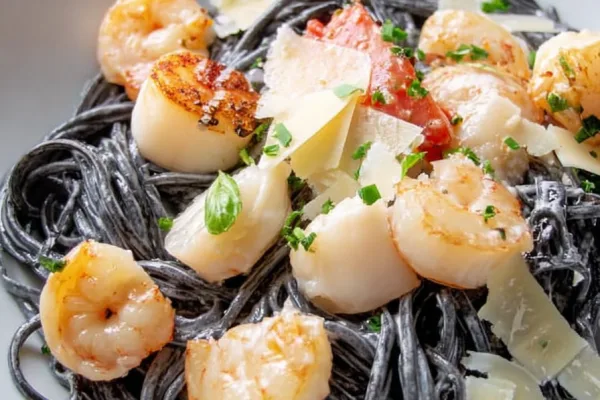
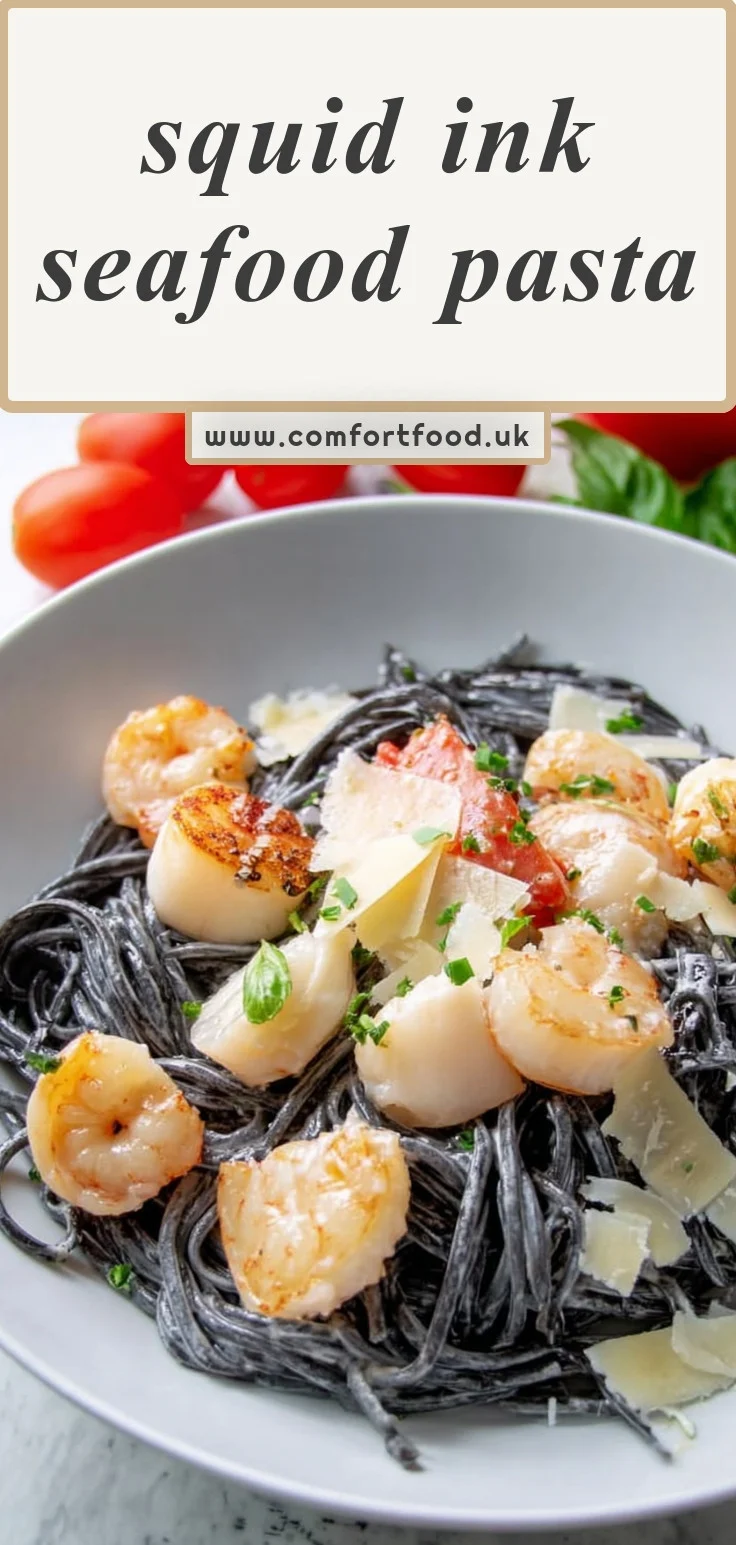
I made this squid ink seafood pasta last Tuesday and it turned out way better than I thought it would. The black noodles look dramatic but they’re really just regular pasta that tastes slightly briny, and when you throw scallops and shrimp on top with that creamy white wine sauce it feels fancy without being stressful.
Why You’ll Love This Recipe
- It’s done in 30 minutes which is honestly perfect for a weeknight
- The squid ink pasta doesn’t need salt in the water because it already has that ocean thing going on
- Scallops get this golden crust that makes them taste way more expensive than they are
- You use the same skillet for everything so there’s less cleanup and more flavor buildup
- The sauce is creamy but the lemon zest cuts through it so it doesn’t feel heavy
- Grape tomatoes on top add this sweet pop that balances all the garlic and butter
The Story Behind This Recipe
I saw squid ink pasta at the store a few weeks ago and bought it on impulse because it looked cool. Then it sat in my pantry because I had no idea what to do with it and I was scared I’d mess it up. Last Tuesday I had some shrimp and scallops that needed to get used and I just went for it.
Turns out the pasta itself is super forgiving. The real trick is not overcooking the seafood, which I’ve done about a hundred times before with regular seafood pasta.
This time I pulled the scallops early and they were actually tender instead of rubbery. The white wine sauce came together faster than I expected once I stopped overthinking the flour part.
What You Need
You’ll need squid ink pasta, whatever the package says for 4 people. Mine was 12 ounces but check yours.
Get 8 tablespoons unsalted butter total because you’ll use it in waves. 2 tablespoons go with the drained pasta, 4 tablespoons melt in the skillet for searing, and you’ll need more for the shallots. Don’t use salted butter here since the seafood and Parmesan add plenty of salt on their own.
For the seafood, grab however many scallops and shrimp feel right for 4 servings. I used about 8 large scallops and maybe 12 shrimp because that’s what I had. Pat the scallops dry with paper towels or they won’t get that crust.
You’ll need finely chopped shallots and minced garlic but I didn’t measure, just used what looked like enough. Maybe 2 shallots and 4 cloves of garlic. Then there’s flour for thickening the sauce, white wine for deglazing, lemon zest from one lemon, heavy cream, crushed red pepper flakes and grated Parmesan. Fresh parsley gets chopped at the end. Fine sea salt and black pepper go in when you taste the sauce. For garnish I used shaved Parmesan and halved grape tomatoes, which honestly made the whole thing look way better than I expected.
How to Make Squid Ink Seafood Pasta
Get your big pot of water going until it’s really boiling. Drop the squid ink pasta in and don’t add salt because the pasta already has that ocean flavor baked in. Cook it however long the package says, mine was 9 minutes. When it’s done, drain it and put it back in the pot with 2 tablespoons of butter, then toss everything so the noodles get coated and don’t turn into a clump.
While that’s happening, heat your large skillet on medium-high and add 4 tablespoons of butter. Watch it melt but don’t let it brown, it should just shimmer and pool. When the butter’s ready, lay your scallops in the pan and don’t touch them for 2 minutes. They’ll get this golden crust on the bottom and release easily when they’re ready to flip. Flip them, give them another 2 minutes, then take them out and set them somewhere safe.
Toss the shrimp into that same butter. They cook fast, maybe 3 minutes total until they’re pink and curled up. Pull them out before they get rubbery.
Now add whatever butter you have left to the pan, then throw in your chopped shallots and minced garlic. Stir them around for 2 minutes until they smell good and get soft, but if the garlic starts turning brown you’ve gone too far. Sprinkle flour over everything and scrape the bottom of the pan with a wooden spoon to get all those brown bits up. It’ll look like a paste.
Pour in enough white wine to deglaze the pan. It’ll hiss and steam when it hits the hot surface. Let it boil for a minute so the alcohol cooks off and the liquid reduces a little. The smell changes from sharp to mellow when it’s ready.
Add your lemon zest, heavy cream, crushed red pepper, grated Parmesan and chopped parsley. Stir it all together and add fine sea salt and black pepper to taste. The creamy white wine sauce should be loose enough to pour but thick enough to coat a spoon.
Put the scallops and shrimp back in and spoon sauce over them for 2 to 3 minutes to warm them through. The sauce will settle around the seafood and everything heats together without cooking the scallops into erasers. When you stir the sauce near the end, you’ll notice tiny droplets of butter separating out, which means it’s rich enough but not broken.
Split the black pasta between 4 bowls. Spoon the seafood and sauce on top, then finish with shaved Parmesan and those halved grape tomatoes.
What I Did Wrong the First Time
I crowded the scallops in the pan because I was impatient and didn’t want to do two batches. They steamed instead of seared so I got no crust and they released this watery liquid that made everything sad. The second time I left space between each one and they actually browned. Also I added the garlic too early with the shallots and it burned a little, which made the whole sauce taste bitter underneath. Now I add the garlic maybe 30 seconds after the shallots so it just softens without turning dark.
Squid Ink Seafood Pasta
Prep:
10 min
Cook:
20 min
Total:
30 min
Servings:
4 servings
Ingredients
- squid ink pasta, quantity as per package instructions
- 2 tablespoons unsalted butter
- 4 tablespoons unsalted butter
- scallops, quantity as needed
- shrimp, quantity as needed
- remaining butter, quantity as needed
- shallots, finely chopped
- garlic, minced
- flour, amount not specified
- white wine, pour sufficient to deglaze
- lemon zest
- heavy cream
- crushed red pepper
- Parmesan cheese
- parsley, chopped
- fine sea salt
- black pepper
- shaved Parmesan cheese, for garnish
- grape tomatoes, halved, for garnish
Method
- 1 Bring a large pot of water to a rolling boil. Add the squid ink pasta and cook following package instructions, skipping salt since the pasta has a natural briny presence. Once tender but firm to the bite, drain and return to the pot. Immediately toss with 2 tablespoons butter to coat each strand and keep the noodles from sticking together.
- 2 While the pasta boils, set a large skillet over medium-high heat. Add 4 tablespoons butter but watch carefully to prevent browning or burning; the butter should melt and glisten without foaming aggressively.
- 3 Place scallops into the hot butter, letting them sear for about 2 minutes on each side. When you see a golden crust forming and they release easily from the skillet, remove and set aside.
- 4 Add shrimp to the same skillet; as they cook until vibrant pink and their tails curl slightly, listen for a gentle sizzle. Remove shrimp once cooked through to avoid toughness.
- 5 Drop the remaining butter into the pan, then toss in shallots and garlic. Stir constantly for 2 minutes until softened and aromatic, careful not to brown the garlic harshly.
- 6 Sprinkle flour over the buttery shallot mixture and use a wooden spoon to scrape up all the browned bits from the pan. This turns into a paste that will thicken the sauce.
- 7 Pour white wine slowly to deglaze. Listen for the hiss as the alcohol hits the pan; bring to a steady boil to reduce the liquid slightly, concentrating flavors without burning.
- 8 Stir in lemon zest, heavy cream, crushed red pepper flakes, grated Parmesan, and chopped parsley. Give it a good stir to combine while seasoning with fine sea salt and black pepper to taste. The sauce should feel loose and coating, not heavy or cloying.
- 9 Return scallops and shrimp to the skillet, spooning sauce over to gently reheat the seafood for 2 to 3 minutes. Keep an eye on the sauce’s thickness; it should cling slightly but still be pourable.
- 10 Divide the squid ink spaghetti among serving bowls. Ladle the seafood and creamy sauce over the top. Finish by garnishing with shaved Parmesan and scattered halved grape tomatoes for a fresh pop of color and sweet acidity.
Nutritional information
Calories
estimated 450
Protein
25g
Carbs
35g
Fat
28g
Tips for the Best Squid Ink Seafood Pasta
Use a fish spatula to flip the scallops instead of regular tongs. They slide under easier and don’t tear that crust you worked so hard to get.
When you deglaze with the white wine, tilt the pan away from you so the steam doesn’t blast your face. I learned that one the hard way and it’s not fun.
The sauce might look too thin at first but it thickens as it sits with the Parmesan melting in. Don’t panic and add more flour or you’ll end up with gravy instead of a creamy white wine sauce that actually coats the pasta.
Save a cup of the pasta water before you drain it, even though this recipe doesn’t call for it. If your sauce gets too thick when you’re plating, a splash loosens everything without making it watery like cream would.
The squid ink pasta stains everything it touches so serve it right away. If it sits in the bowl for 10 minutes the black bleeds into the white sauce and it looks muddy instead of dramatic.
Serving Ideas
I put this in shallow bowls instead of plates because the sauce pools at the bottom and you can scoop it up with crusty bread. Garlic bread works but honestly plain sourdough is better since there’s already so much garlic in the seafood pasta.
A really simple arugula salad with lemon juice cuts through all the butter. Don’t overdress it or it competes with the sauce.
White wine at the table makes sense since you already cooked with it. I opened a Pinot Grigio and it matched the ocean taste without being too sweet or heavy.
Variations
You can swap the scallops for more shrimp if scallops are expensive where you live or if you just don’t like them. The recipe still works but you lose that sweet caramelized crust thing that makes scallops worth it.
Regular spaghetti works if you can’t find squid ink pasta at your store. The dish won’t look as cool but the creamy white wine sauce tastes the same and honestly most people won’t know the difference.
Mussels instead of shrimp would be good here since they love white wine and garlic. Throw them in during the sauce part and let them steam open, then pile everything on top of the pasta like a fancy seafood pasta situation.
Cherry tomatoes instead of grape tomatoes for garnish doesn’t really matter. They’re basically the same and I’ve used both depending on what’s in my fridge.
FAQ
Can I use frozen scallops and shrimp for this? Yeah but thaw them completely and pat them really dry with paper towels or they won’t sear right. Frozen seafood releases more water when it hits the pan so if there’s any ice left you’ll steam them instead of getting that crust.
What kind of white wine should I use? Anything dry that you’d actually drink works. I used Sauvignon Blanc because that’s what I had open but Pinot Grigio or even a dry Vermouth would be fine. Don’t use cooking wine from the grocery store, it tastes like salt and regret.
How do I know when the scallops are done? They should feel firm when you press the top but not hard like a rubber ball. The sides turn opaque and white instead of translucent. If they’re still see-through in the middle when you cut one open, they need another 30 seconds.
Can I make the sauce ahead of time? Not really because it separates when it cools down and reheating it makes it grainy. The whole thing comes together so fast that there’s no point. You could prep your shallots and garlic earlier though.
What if I don’t have heavy cream? Half and half works but the sauce will be thinner. Whole milk is too watery and it won’t coat the pasta the same way. I wouldn’t go lower than half and half or you lose that creamy texture that makes this feel worth the effort.
Why didn’t my scallops get a crust? They were probably wet or the pan wasn’t hot enough. Pat them dry until the paper towel comes away clean, then wait for the butter to shimmer before you add them. Don’t move them around or flip them early, just let them sit there for the full 2 minutes.
Can I use dried parsley instead of fresh? You can but it doesn’t taste the same. Fresh parsley has this bright green flavor that wakes everything up at the end. Dried parsley tastes like dust and doesn’t do anything for the sauce except make it look speckled.
How much flour do I actually need for the sauce? I used maybe 2 tablespoons but I wasn’t measuring. Just enough to coat the shallots and garlic without leaving dry pockets. It should look like wet sand when you stir it, then the wine loosens it up.
What if the sauce is too thick? Add more white wine or a splash of that pasta water you saved. Stir it in slowly so you don’t thin it out too much. The sauce should pour off a spoon but still cling to it a little.
Can I use pre-grated Parmesan from the container? It won’t melt into the sauce as smooth because they add stuff to keep it from clumping. Fresh grated from a block melts better and tastes less like sawdust. The pre-grated stuff works in a pinch but the sauce might feel grainy.
How do I store leftovers? Put everything in an airtight container in the fridge for maybe 2 days. The scallops and shrimp get tougher when you reheat them and the pasta soaks up the sauce so it’s kind of dry. It’s honestly better to just make what you’ll eat that night.
What’s the best way to reheat this? Low heat in a skillet with a splash of cream or white wine to loosen the sauce. Microwave makes the seafood rubbery and the pasta gummy. If you have to reheat it, don’t expect it to taste like it did fresh.
Can I add other seafood? Clams or mussels would work if you throw them in with the sauce to steam open. Lobster tail would be fancy but honestly that feels like overkill. I’d stick with the scallops and shrimp because they cook at the same speed and don’t make things complicated.
Why does the recipe say not to salt the pasta water? Because squid ink pasta already tastes salty and briny from the ink. When I added salt the first time I made this the whole dish ended up too salty and I couldn’t fix it. Just skip it and season the sauce instead.
What size scallops should I buy? Large sea scallops work best because they’re thick enough to sear without overcooking the middle. The small bay scallops cook too fast and turn rubbery before you get any color on them.
Do I need to devein the shrimp? Yeah unless you bought them already deveined. It’s not dangerous to eat the vein but it’s gritty and looks weird in a dish this nice. Takes like 2 minutes with a paring knife.
Can I use a different type of pasta? Regular spaghetti or linguine works if you can’t find squid ink pasta but then it’s just regular seafood pasta. The black noodles are what make this look cool even though they don’t taste that different.
What if my sauce breaks and looks oily? Turn the heat down and whisk in a little cold cream. Sometimes if it gets too hot the butter separates out but you can bring it back together if you catch it early.
You’ll Love These Too
Explore all →
Air Fryer Tofu Sandwich with Vegan Cheddar
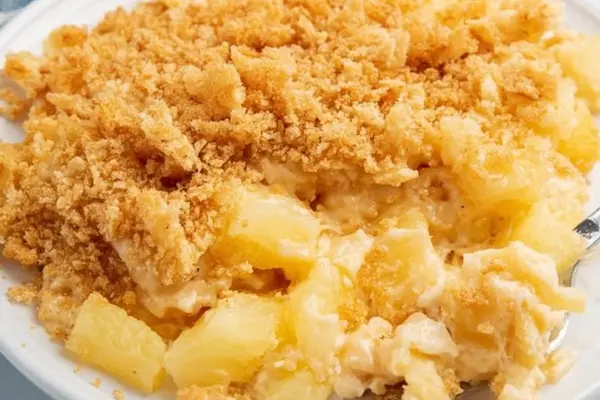
Pineapple Cheese Casserole with Crackers
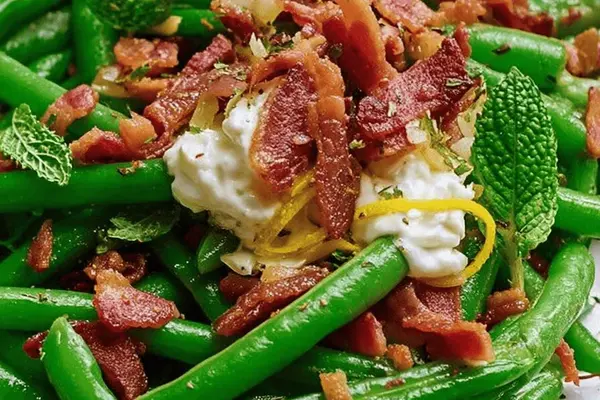
Bacon Green Beans with Burrata & Lemon
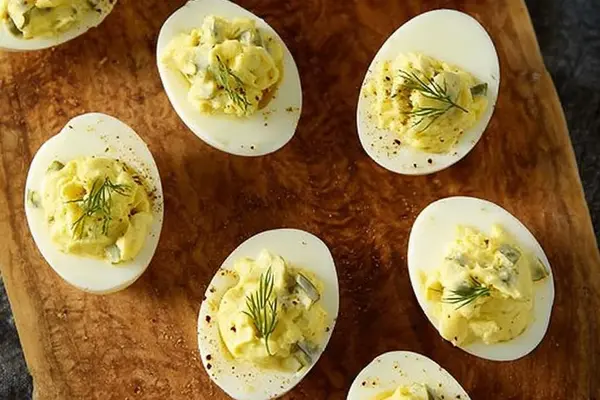
Dill Pickled Deviled Eggs Recipe

Pecan Pretzel Rolo - Homemade Caramel Chocolate
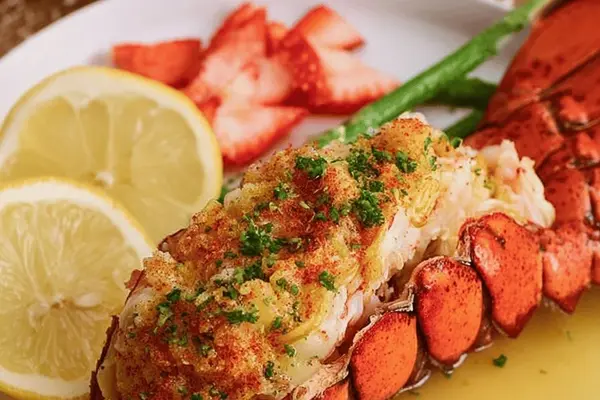
Crab-Stuffed Lobster Tail Recipe

Lemon Mascarpone Cannoli Recipe
Spicy Sweet Potato Soup with Chorizo

Ice Cream Cone Cupcakes with Lemon Pudding
Pork Ginger Lemongrass Skewers with Cashew Sauce

Strawberries Mousse with Gelatin and Whipped Topping
Herb Pesto with Walnuts and Pecorino
Carrot Chive Soup with Fresh Leeks
Marinated Chicken With Yogurt & Chickpeas
Creamy Cheesy Chicken Green Bean Casserole
Easy Mexican Rice with Cumin and Canned Tomatoes
Lyonnaise Potatoes with Escargots

Oreo Mug Cake Recipe: 5-Minute Microwave
Homemade Baby Broccoli Purée with Cauliflower