Best Ways To Make Lobster Tails
E
By Emma
Certified Culinary Professional
•
Recipe tested & approved
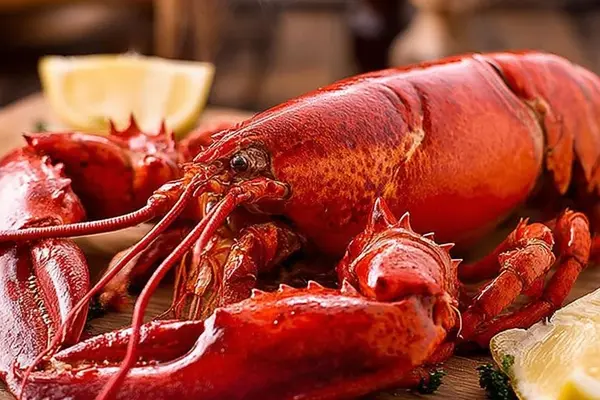
Drop lobsters headfirst into rolling boil and they’re done in 12-15 minutes. Steamed, not boiled. Big difference. The meat stays firm, the flavor stays sweet. Everything else is just setup.
Why You’ll Love This Steamed Lobster
Takes 34 minutes total. Twelve of prep, 22 in the pot. Actual cooking time is short.
One pot. Everything lives in the same pot. No secondary equipment besides a rack. Cleanup’s not nothing, but it’s basically rinsing salt water.
Works for one lobster or six. Scale the water, keep the ratios. The steaming method stays the same no matter the count.
Lobster stays tender when steamed. Not rubbery like boiled. The flesh doesn’t toughen because the steam cooks gentler than rolling water does.
Clarified butter—garlic-infused if you’re feeling it—makes it a whole meal. Nothing else needed. Maybe lemon. That’s it.
What You Need to Steam Lobster Tails
Big pot. 4-5 gallon stock pot or turkey fryer. Has to be thick-bottomed. Thin metal throws heat everywhere and cooking times fall apart.
Water or seafood broth. Just 2-3 inches. Enough to create steam, not submerge anything.
Kosher salt. One tablespoon per quart of water. Not negotiable. The meat firms up differently with proper salinity. Don’t skip it.
Live lobsters with claws banded. The bands matter—keeps them from fighting or snapping at you mid-cook.
A steam rack or basket. Sits in the bottom. Keeps lobsters off the actual water. Direct contact steams meat into mush.
Clarified butter for serving. Or garlic-infused. Melt real butter, let the milk solids separate, pour off the clear liquid. The twist: smash garlic into that butter, add lemon juice. Cuts the richness.
Tongs or gloves. You’ll need them. Lobster claws snap when they’re hot.
How to Make Steamed Lobster Tails
Get the pot ready first. Big. Sturdy. Thick bottom. Set your steam rack or basket inside on the bottom—this is non-negotiable. The lobsters never touch water directly.
Pour water or seafood broth into the pot. 2-3 inches. Not more. Not less. Enough to steam for 22 minutes without running dry, not so much that it splashes up and cooks the meat unevenly. Salt it. One tablespoon kosher salt per quart of water. This is where the flavor starts. The salt firms the meat texture in a way unsalted cooking doesn’t.
Bring it to a rolling boil. Loud bubbling. Visible steam rising. You’ll see the salty steam itself in the air—that’s what you want. No half-measures here. The heat has to be aggressive from the start.
How Long to Steam Lobster Tails
Drop them in headfirst. If you’ve got multiple lobsters, bigger ones on the bottom of the rack, smaller ones on top. Direct steam hits the bigger ones first. They finish around the same time that way. Close the lid tight. This part matters. Steam escapes if it’s not sealed.
Watch the clock. Start at 10 minutes for a standard lobster. Add 2-3 minutes for every quarter pound over a pound. So a 1.25-pound lobster is roughly 12-13 minutes. A 1.5-pounder hits around 15.
Halfway through, crack the lid open fast. Just a second. Shift the lobsters if they’ve stacked weird. Steam pockets hide in these pots and some sections cook faster than others. One quick rearrange fixes it.
The shell turns bright orange. That’s the sign you’re close. The meat inside firms up. You’ll hear snapping sounds from the claws—they’re moving as the connective tissue cooks. That’s near perfect. Keep going maybe two more minutes after the first snap sound.
Overcooked lobster is chalky. Stringy. Tastes like nothing. The texture goes wrong before the flavor does. So actually watch. Smell is your real timer—salty seafood aroma with something sweet underneath means you’re there.
Steamed Lobster Tips and Common Mistakes
Too little water and the steam concentrates into something burnt-smelling and aggressive. The meat cooks too fast on the outside, doesn’t have time to firm evenly inside. Too much water and the lobsters basically boil instead of steam. Same problem, different route.
Keep the claw bands on until they’re fully cooked. They prevent claws from snapping off in the pot—or snapping you when you reach in. If you want to remove bands before cooking, you have to stun the lobster with a sharp knife at the center of the head first. Calms them down. Most people skip this and just keep the bands on.
Don’t toss them into just-boiling water with no steam rack. That’s boiling, not steaming. The taste gets different. The texture gets mushy, especially in the claws. Steam is gentler. That’s the whole point.
Size matters when cooking multiple lobsters. Grab ones similar weight. A 1-pound and a 2-pound lobster in the same pot don’t finish at the same time. You end up with one overcooked while waiting for the other. If you only have mixed sizes, rearrange halfway through—smaller on top, bigger getting direct steam.
After they’re done, pull them out with tongs or heat gloves. Let them sit a minute. Not cold. Not hot-to-the-touch hot. In between. Too hot and you burn your mouth and hands cracking into it. Too cool and the meat gets tough, contracts.
Save the cooking water. Seriously. It’s salty seafood broth. Base for bisque. Base for risotto. Freeze it. Don’t dump it down the drain like most people do.
The smell test works. Salty. Sweet undertone. That’s done. Eyes should be black and glossy, not dull. Shell bright orange. Tail meat feels firm when you poke it but not stiff.
Frozen pre-cooked lobster can be steamed gently—same method, less time. 5-8 minutes depending on size. Frozen lobster that’s never been cooked before needs the full timing but add a minute or two because the temperature starts lower.
Best Ways To Make Lobster Tails
Prep:
12 min
Cook:
22 min
Total:
34 min
Servings:
1 serving
Ingredients
- 4-5 gallon large stock pot or turkey fryer
- 2-3 inches water or seafood broth
- 1 tablespoon kosher salt per quart water
- Live lobsters with bands on claws
- Clarified butter for dipping - optional twist: garlic infused butter
Method
- 1 Choose a big sturdy pot 4-5 gallons preferably thick bottomed for even heat. Stock pot or turkey fryer is the best. Avoid thin metal pots; heat unevenly wrecks timing.
- 2 Pour in water or seafood broth, enough to cover base 2-3 inches. Salt it well like the sea, roughly 1 tablespoon kosher salt per quart, no skimping or bland lobsters. The salinity firm ups meat texture.
- 3 Set a steam rack or basket in bottom so lobsters don’t touch water. Sinking them ruins steam method, ends in mushy claws.
- 4 Bring liquid to a rolling boil, loud bubbling, invigorating salty steam rising. No half-heat here or limp shells.
- 5 Keep lobster claw bands on till cooked—bands prevent claws from killing each other or you. If you want to remove bands beforehand, stun with a sharp knife at center of head first to calm the critters.
- 6 Drop lobsters headfirst on the rack. Multiple lobsters? Put bigger ones on bottom to get direct steam, smaller on top. If uneven, re-arrange mid-cook to spread heat and steam contact. Close lid tightly.
- 7 Cook about 10 minutes plus extra 2-3 minutes for every quarter pound but watch carefully the shell turning bright orange and meat firming. Snapping sound as claws move in the pot is an early sign of nearing done. Overcooked lobster is chalky, stringy.
- 8 Halfway through, lift lid for quick check and shift lobsters if stacked. Steam pockets are sneaky and uneven cooking ruins the texture.
- 9 When done, remove lobsters with tongs or gloves. Let them cool a bit before cracking open. Too hot and you burn fingers; too cold and meat toughens.
- 10 Serve with clarified butter, but for a twist, melt butter with smashed garlic and a squeeze of lemon juice to add zest and cut richness.
- 11 Save lobster water after cooking—great base for bisques or seafood risottos. Don’t dump that treasure.
- 12 Watch for these mistakes: Too little water means over-concentrated steam and burnt smelling pot. Too much cooking time dries meat out or makes it rubbery. Tossing lobsters in boiling water kills flavor contrast of steamed meat.
- 13 Smell is your timer—salty seafood aroma with a hint of sweetness means near perfection. Sight is next: shells bright orange, eyes black and glossy, tail meat firmed but not stiff.
- 14 If lacking fresh lobster, frozen pre-cooked lobster can be gently steamed but add less time. Freshness matters. Always get lobsters of similar size if cooking many—a game changer to evenness.
- 15 Final tip: use gloves or tongs when handling lobsters; claws snap quickly when hot, and shells can tear skin easily when cracking.
Nutritional information
Calories
180
Protein
35g
Carbs
2g
Fat
5g
Frequently Asked Questions About Steamed Lobster Tails
How long do you steam a lobster tail? 10-15 minutes depending on size. 10 for a standard 1-pound lobster. Add 2-3 minutes for every quarter pound after that. So 1.25 pounds is 12 minutes. 1.5 pounds is 15. Watch for the shell turning bright orange. That’s your actual done signal more than the timer.
What’s the difference between steaming and boiling lobster? Steaming uses hot steam to cook the meat. Boiling dunks it in hot water. Steamed lobster stays firmer, sweeter. Boiled gets mushy faster and the flavor dilutes into the water. The meat texture is the difference you notice first.
Can you steam frozen lobster tails? If they’re pre-cooked frozen, yeah. 5-8 minutes. If they’re frozen raw, same timing as fresh but add a minute. They start colder so they take slightly longer to come up to temp. Thawing first makes it faster but not necessary.
Do you really need that much salt in the water? Yeah. One tablespoon per quart. The meat firms differently with proper salinity. No salt and the texture gets soft, stringy. Skip it and the meat doesn’t taste like anything either. It matters.
What happens if you overcook steamed lobster? Gets chalky. Stringy. The connective tissue breaks down too much and the meat becomes less pleasant to eat. It happens fast—like 3 minutes too long and you’ve wrecked it. Watch the color and the smell. That’s more reliable than the timer alone.
Can you steam lobster tails without a steam rack? Technically yes if you get creative. Use a small trivet. Use crumpled foil. Anything that keeps the lobster off the direct water. Direct water contact turns steam into boiling and the texture suffers. So find something to elevate them.
How do you know when steamed lobster is done? Shell turns bright orange. Meat inside firms up—you can feel it when you poke the tail. You’ll hear snapping sounds from the claws. Smell salty and sweet, not fishy. Those signs together mean it’s ready. The timer is just a starting point.
Is garlic-infused butter necessary for steamed lobster? No. Clarified butter alone is fine. Garlic butter is just a twist that cuts the richness. Some people add lemon juice instead. Some serve it with nothing. The lobster carries itself. The butter is just for dipping flavor boost.
You’ll Love These Too
Explore all →
Fresh Basil Pesto Recipe with Spinach
Coconut Lime Scones Recipe with Coconut Cream

Crab Rangoons with Cream Cheese & Jalapeños
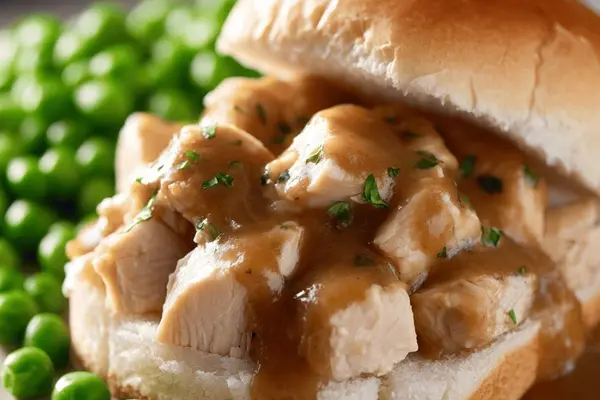
Hot Chicken Sandwich with Brown Sauce

Balsamic Cherry Crostini with Goat Cheese
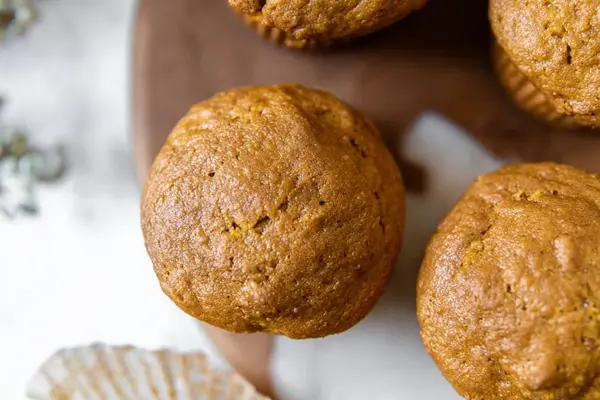
Pumpkin Muffins with Greek Yogurt
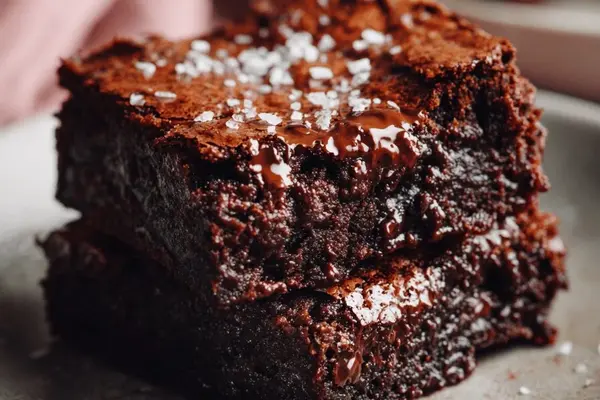
Slow Cooker Chocolate Brownies with Hazelnuts
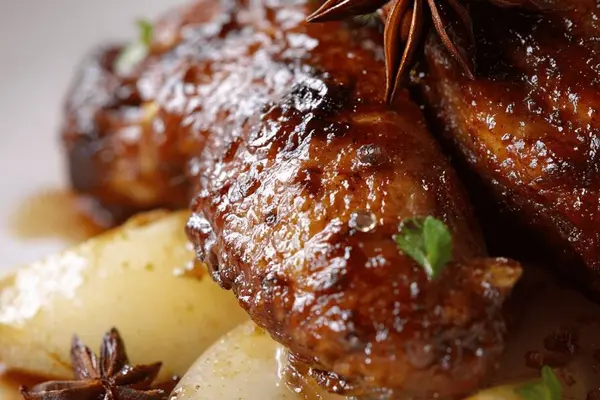
Pheasant Roast with Pears and Spices

Biscuits and Gravy Casserole Recipe

Chocolate Pretzel Bark with Toffee Bits
Strawberry Short Cake with Mousse
Beef Broth Soup with Parsnip Mousse

Kung Pao Chicken with Peanuts & Peppers

Ham Waffles with Poached Eggs & Béarnaise

White Wine Cocktail with Vodka & Citrus
Homemade Marshmallows Recipe with Honey
Korean Kiwi Beef Skewers with Soy Marinade

Apple Cider Vinegar Dressing Recipe

Open Face Pizza Burgers with Mozzarella