Sticky Chicken Salad
E
By Emma
Certified Culinary Professional
•
Recipe tested & approved
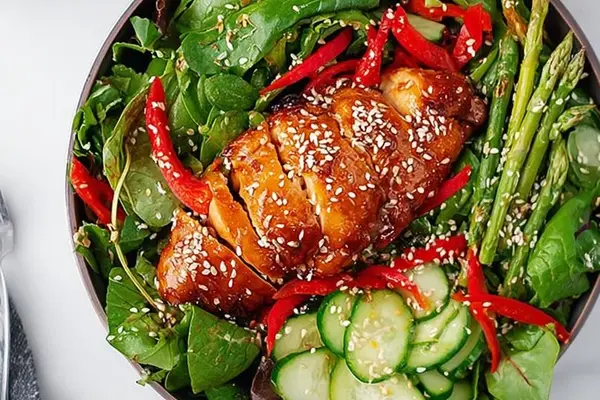
Tenderized chicken breasts marinated in a tangy-sweet mixture with soy, ginger, and a spicy kick. Seared until caramelized and juicy. Salad packed with lettuce, charred asparagus, crunchy almonds, scallions, roasted red peppers. Topped with toasted sesame seeds and a zingy ginger dressing. Balanced textures and bold flavor bursts in every bite. Easy prepped; cooks fast. Great for busy weeknights or casual gatherings. Adjust times by eye, rely on smell and color changes; no guessing. Adaptable with pantry swaps; hints of sweet heat and freshness. Protein and fresh veggies combine for a hearty meal light on fuss.
Prep:
12 min
Cook:
22 min
Total:
34 min
Servings:
4 servings
#chicken
#salad
#American fusion
#quick meals
#weeknight dinner
#easy prep
Before You Start
Sticky chicken coated in a sticky glaze; honey sweetness with chili heat underneath. Not your run-of-the-mill salad. Crisp greens and crispier almonds layered under tender, juicy chicken. There’s this crunch from asparagus seared just so, balancing the softness. I’ve learned over time to keep chicken thickness consistent; it’s the big difference between juicy and dry. The marinade? I used to skimp on marinating, now I don’t. At least an hour or two. The sweet and salty mix is no joke; caramelization is what makes it sing. And that garlic chili element wakes up the whole dish. Ginger dressing tops it off with a bite and brightness. These layers take simple ingredients and give them some edge. Even leftovers reheat well if handled carefully. My go-to for when I want a hearty salad that’s actually satisfying, not just rabbit food. It’s unfussy but bold. And quick enough for busy nights.
Ingredients
- 1 1/4 lb chicken breasts, pounded to even thickness and halved to 4 pieces
- 1/3 cup ketchup
- 2 tablespoons honey
- 1 1/2 tablespoons brown sugar
- 3 tablespoons tamari sauce (or soy sauce for sub)
- 1 teaspoon freshly grated ginger
- 3 garlic cloves, minced
- 1/2 teaspoon kosher salt
- 1 teaspoon hot chili garlic sauce (substitute with harissa or sriracha if unavailable)
- 2 tablespoons vegetable oil
- 1 bunch asparagus, trimmed and cut into 2-inch pieces
- 4 scallions, sliced
- 1/3 cup sliced almonds, toasted
- 6 cups mixed romaine and butter lettuce
- 1/2 cup jarred roasted red peppers, sliced
- 1 tablespoon toasted sesame seeds
- Ginger dressing, homemade or bottled (see notes)
In The Same Category · Salads
Explore all →
Smoked Gouda Corn Salad
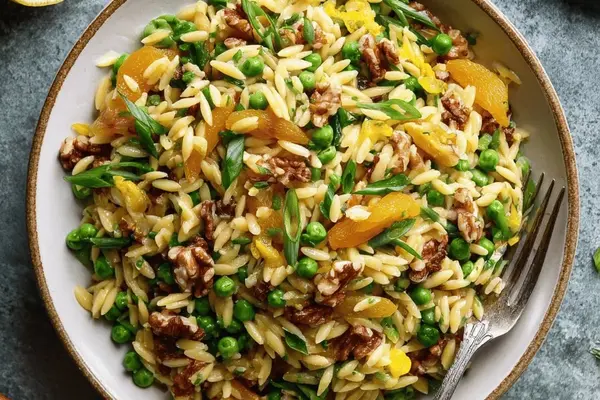
Orzo Salad with Peas and Apricots
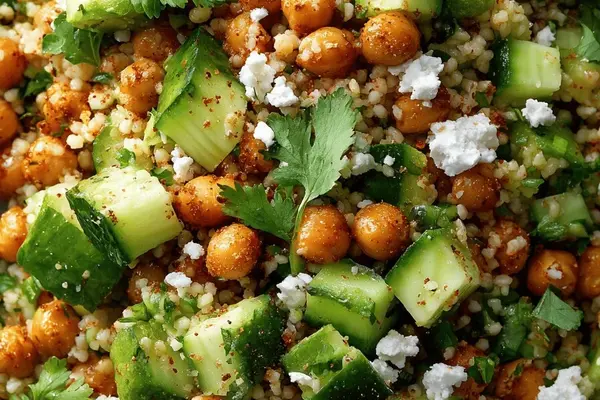
Chunky Veggie Chickpea Couscous Salad
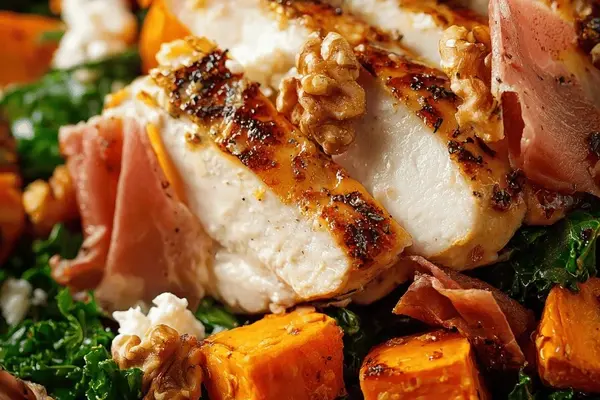
Warm Chicken and Sweet Potato Salad
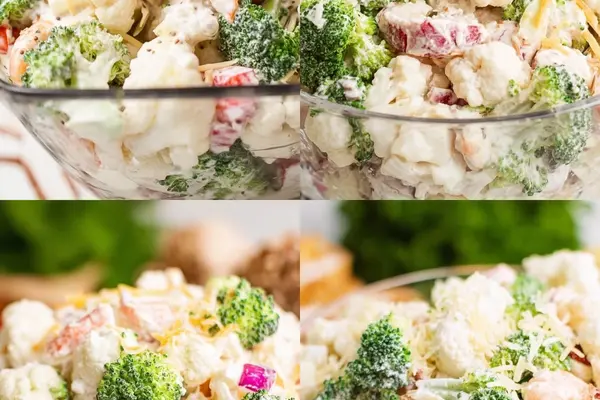
Broccoli Cauliflower Salad Twist
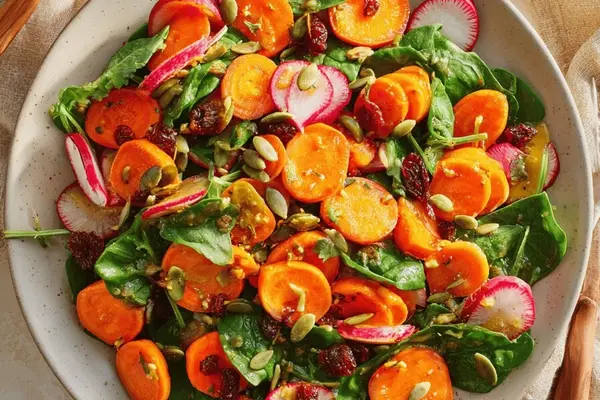
Crunchy Veggie Salad Remix
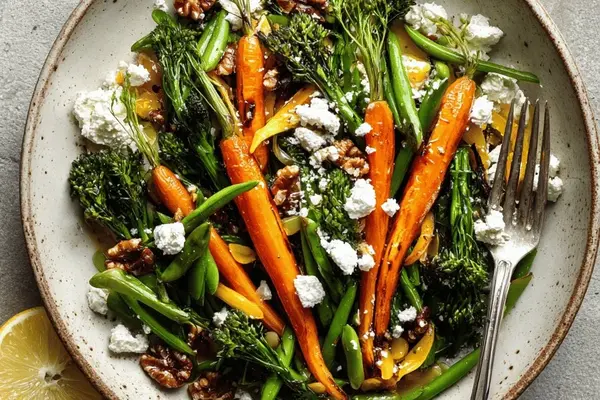
Roasted Veggie Salad Feta Twist
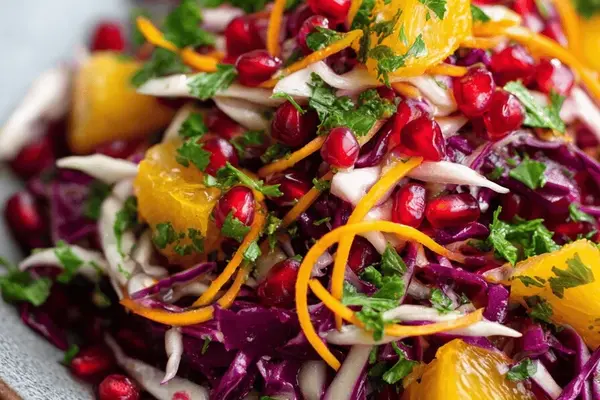
Cabbage Beet Pomegranate Salad
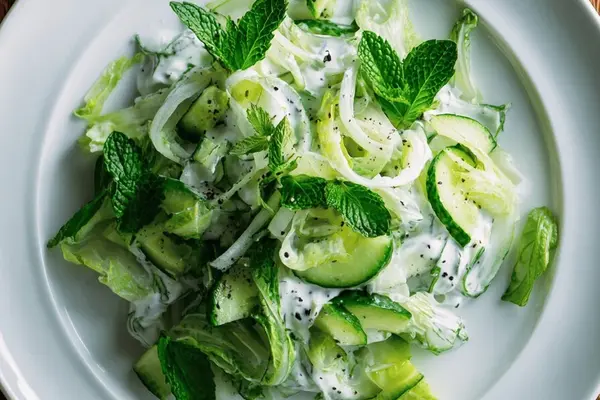
Whipped Cream Garden Salad
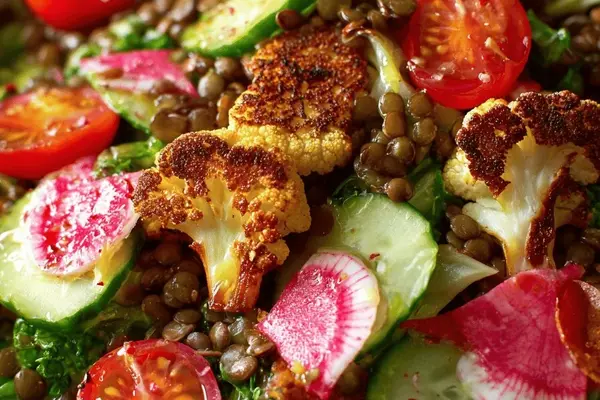
Fattoush Lentil Salad
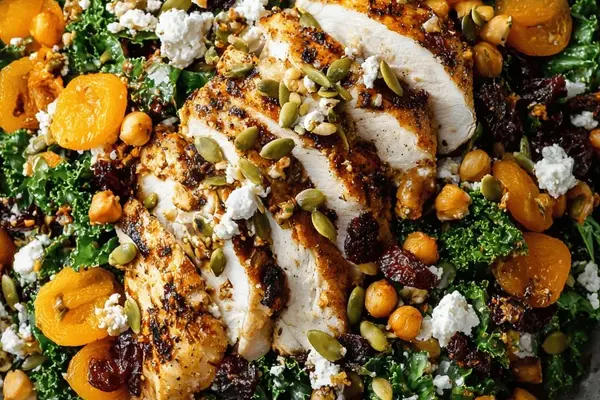
Kale Chicken Fig Salad
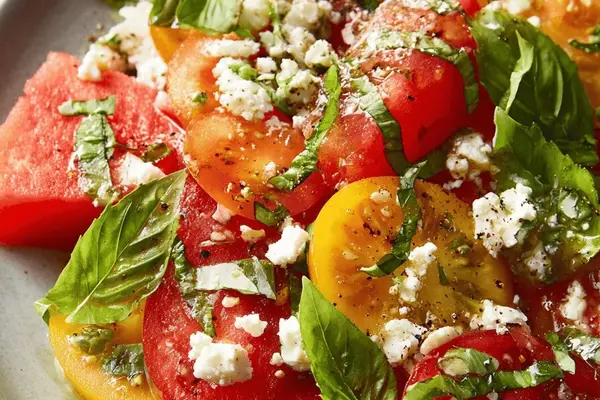
Watermelon Tomato Basil Feta
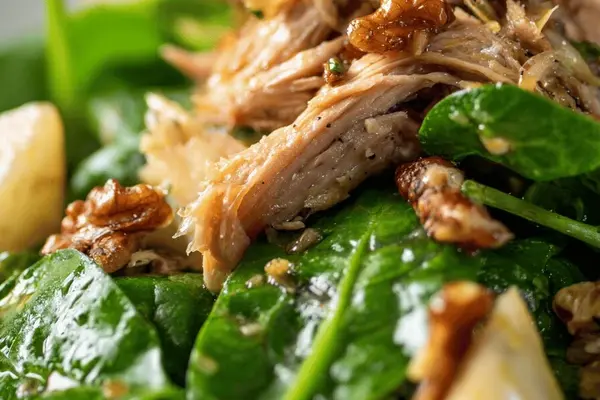
Warm Partridge Pear Salad
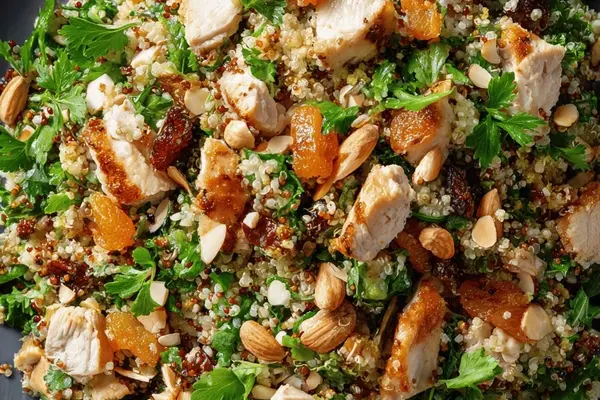
Quinoa Chicken Apricot Salad
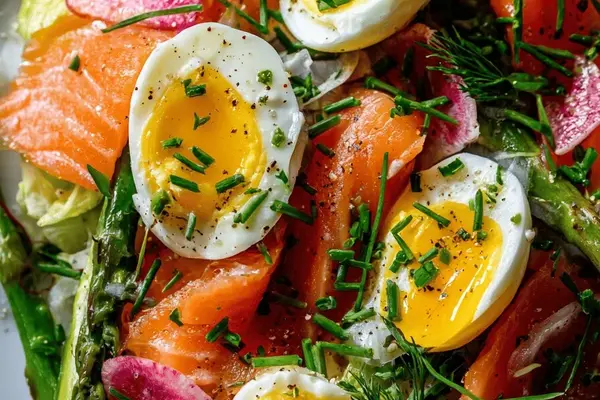
Smoked Trout Mimosa Salad
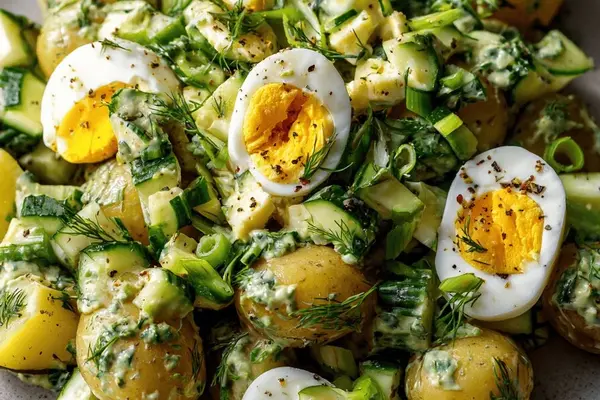
Rustic Gnocchi Potato Salad
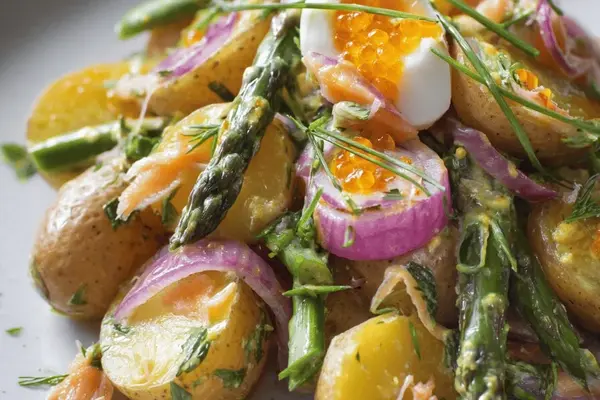
Potato Asparagus Smoked Trout Salad
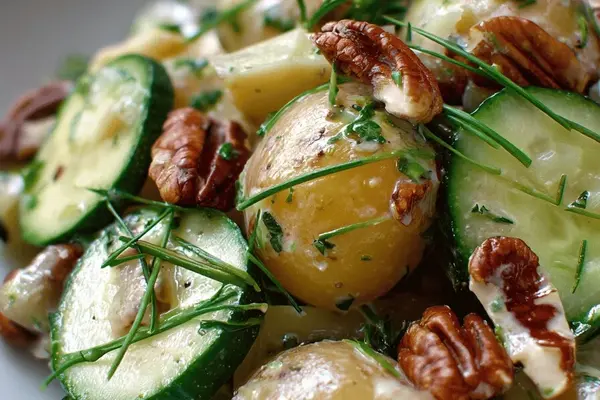
Potato Topinambour Salad
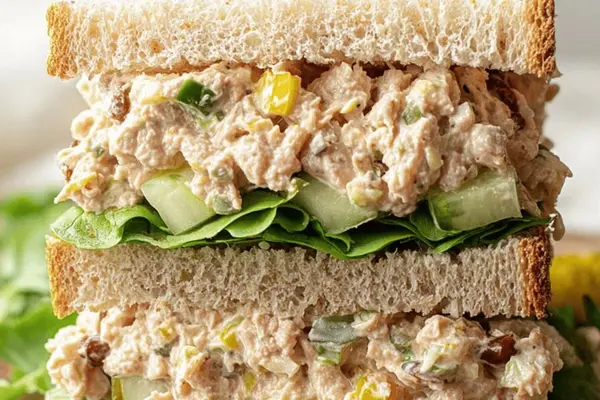
Spicy Tuna Salad Remix
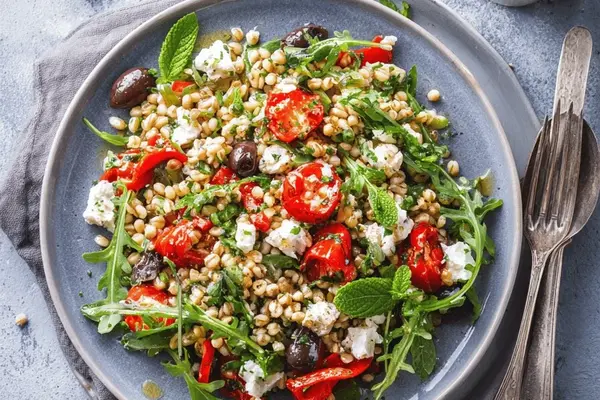
Barley Salad Roasted Peppers Feta
About the ingredients
Brown sugar and honey are interchangeable but adjust to taste; honey pushes more floral, brown sugar adds molasses depth. Tamari is my preferred sauce over soy for gluten considerations and a richer flavor but soy is fine in a pinch. Chili garlic sauce adds more than heat—garlic aromatics deepen the umami; subbing sriracha or harissa works but alters flavor profile slightly. Asparagus cooks fast so trim and cut uniformly for even sauteing; undercook rather than overcook. Almonds for crunch—toast separately or in pan but keep an eye as they burn quickly. Roasted red peppers bring essential sweetness and moisture, fresh bell pepper or sun-dried tomatoes could substitute but will change texture. Lettuce mix—I like romaine and butter for leaf structure plus tender bite. Ginger dressing—store-bought cut corners but homemade adds brightness with fresh ginger and rice vinegar, worth the effort. Vegetable oil chosen for neutral high heat; avocado oil could swap but watch flavor strength.
Method
Chicken marinade and cooking
- Start with meat mallet to even out chicken breasts slightly thicker than usual; halves to 4 pieces so they cook quickly and evenly. Too thin, they dry out, too thick, still raw inside. Mix ketchup, honey, brown sugar, tamari, ginger, garlic, salt, and chili garlic sauce vigorously to break sugars and meld flavors. Chicken goes in, coat well; cover tightly. Rest at least 1 hour, up to 5 for deep flavor but no longer or chicken turns mushy from acid. Skip if hurried but flavor muted.
- Heat cast iron or grill on medium-high; oil well. The moment you smell that sizzling hot oil, lay chicken down. You want a caramelized crust, that sweet sticky smell taking over kitchen. Flip after about 7-9 minutes when edges brown and juices clear. Internal temp 165F ideal but piercing occasionally with fork to check juice clarity works fine. No pink, springy but firm texture. Rest 5 minutes before slicing—lose every drop of precious juice otherwise.
Salad prep and assembly
- Sizzling pan again but medium just to crisp asparagus edges. Listen for soft crackles and see light char spots, not blackened. Overcooked asparagus is mushy and dull. Toss scallions next 2-3 minutes for slight fragrance pop and translucency; then in almonds until warm and nutty. Set aside. No limp veg here.
- Build salad fast: lettuce leaves down, roasted red peppers bright and soft for sweetness, asparagus mixture for crunch and bite, then warm sliced chicken on top. Drizzle ginger dressing but sparingly; you want zing, not drowning. Sprinkle toasted sesame seeds last for nuttiness and texture contrast.
- Serve immediately or chill chicken separately if prepping ahead. Dressing keeps salad crisp. Chicken reheats quickly without drying if sliced thin. Can swap chicken thighs but cook times differ and skin-on adds aroma; adjust accordingly.
Cooking tips
Tenderizing chicken evens cooking; uneven thickness leads to dry edges and raw centers—worth the extra step. Marinating unlocks flavors but don’t exceed 6 hours as acid and salt break down texture excessively, causing mushiness. Whisk sauces thoroughly—brown sugar especially needs dissolving for even coating. Cooking chicken on medium-high helps get that sizzling crust—listen to pan’s pop and hiss, smell sharp sweet caramelization; fires below this temp won’t develop glaze, too hot burns sugars. Resting chicken important: juices redistribute, juicy bites assured. For asparagus and scallions, medium heat—not scorched but hot enough to char edges lightly; limp veg ruins texture in salad. Almonds toasted in same pan absorb leftover flavors; keep stirring once golden to avoid bitter burn. Assembly fast; avoid sogginess—dress last minute, keep dressing quantity controlled. Use tactile cues—lettuce crisp, chicken firm but yielding, and charred specks on asparagus—to signal doneness better than timers. Reheating: gentle in microwave or quick pan toss covered to preserve moisture. Don’t drown salad in dressing; better to add more at table if needed. Common mistake: over marinating or overcooking chicken; moisture lost, texture off. Efficiency tip: marinate overnight if planning ahead, roast nuts in advance, chop veggies while chicken rests.
Chef's notes
- 💡 Pound chicken breasts evenly; thickness controls juiciness. Too thin dries out, too thick stays raw inside. Aim for uniform thickness close to 1/2 inch. Marinate minimum 1 hour but never past 6 hours; acid breaks down protein too much and mushiness happens. Coat well, mix marinade vigorously to dissolve brown sugar fully. Look for caramelizing sugars once in pan; medium-high heat hits right balance between crust and moisture. Use kitchen smells, sizzling sound cues; when oil pops sharply, lay chicken down carefully to avoid splatter. Rest post-cook essential; juices settle, keep meat tender.
- 💡 For asparagus, trim and chop consistently; cook just enough to char edges with soft crackling sounds—blackened spots mean overdo. Toss scallions last 2-3 minutes until translucent with aroma burst. Toast almonds separately or in same pan after veggies; monitor closely, quick color change signals ready, no bitter burnt taste wanted. Work fast to keep warm nuts crunchy; moist heat kills that crisp layer. Assemble salad last minute; dressing goes on sparingly for zing not soggy leaves. Use tactile feel on lettuce crispness and chicken firmness, not timers exclusively.
- 💡 Swapping ingredients easy but important: tamari preferred over soy for gluten issues and flavor, soy works in pinch. Hot chili garlic sauce interchangeable with harissa or sriracha but expect slight flavor shift. Honey pushes floral sweetness, brown sugar adds molasses depth; adjust ratio depending on sweet heat preference. Vegetable oil neutral for high heat; avocado oil possible but imparts flavor. Roasted red peppers can swap fresh bell peppers or sun-dried tomatoes but texture and moisture affect salad crunch and balance.
- 💡 Temperature control key for glaze formation; too low and sugars don't caramelize, too high burns and turns bitter fast. Look for shiny sheen on chicken surface with small dark specks starting. Flip when edges brown and juices run clear; poke occasionally if uncertain. Chicken rest crucial, five minutes minimum so fibers reabsorb juices, keep slices moist. Cook chicken thick enough to retain moisture but thin enough to cook through. Holding cooked chicken? Chill separately, reheat gently in microwave or covered pan quick toss; sliced thin reheats evenly without drying.
- 💡 Prep order speeds things up; marinate chicken while prepping veggies. Roast nuts ahead or day before for time saving. Use cast iron or grill pan; steel reacts well to heat, gives that audible sizzle and quick crust. Watch closely; cooking times flexible depending on thickness, don’t rely solely on timers. Sensory cues more reliable: smell sharp caramel notes, hear popcorn like crackles from vegetables, see slight char hints without black spots. Don’t drown salad in dressing; start small add later if needed. Avoid limp asparagus and soggy leaves by fast assembly and light dressings.
Common questions
How long to marinate chicken?
At least 1 hour, max 6 to avoid mushy texture. Acid and salt start breaking down muscle fibers. Skip if rushed but flavor dull. More than 6 turns chicken mealy; less time less bright impact on flavor.
Can I substitute chicken thighs?
Skin-on thighs add aroma but cook longer; adjust cook time carefully. Thicker, less uniform shape needs more attention. Flip often, check for internal temp 165F or clear juices. Consider trimming excess fat for even cooking.
Tips to prevent soggy salad?
Dress right before serving, sparingly. Wait to slice chicken until last; keep lettuce dry, chill separately if prepping ahead. Toasted nuts help maintain texture. Use crisp lettuce types, romaine and butter varieties hold shape best under dressings.
How to store leftovers?
Separate cooked chicken from salad components. Wrap chicken airtight in fridge up to 3 days. Lettuce and veggies best stored dry separately to avoid wilting. Reheat chicken gently on low heat or microwave short bursts. Avoid premixing salad if planning later meals.
You’ll Love These Too
Explore all →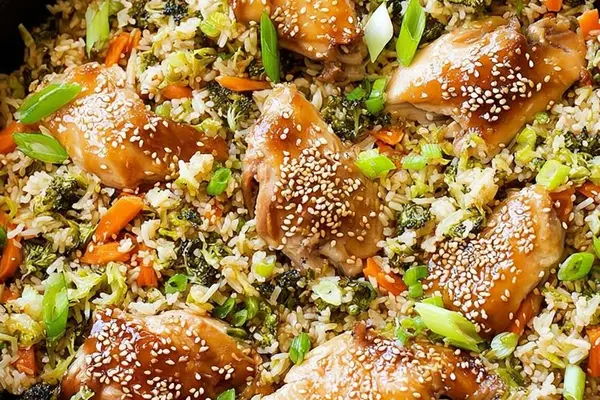
Oven-Baked Teriyaki Chicken Rice
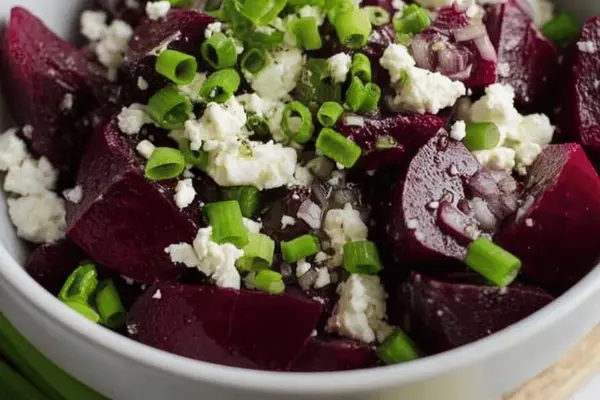
Roasted Beet Salad Remix
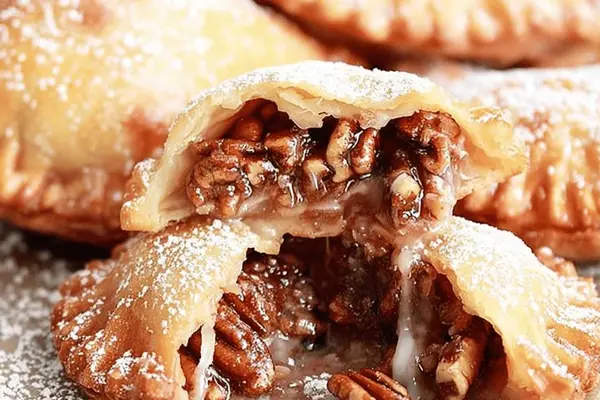
Deep Fried Pecan Pockets
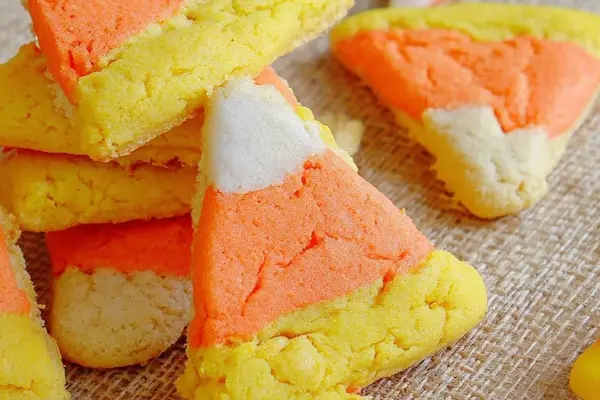
Layered Candy Corn Cookies

Conversation Heart Bark
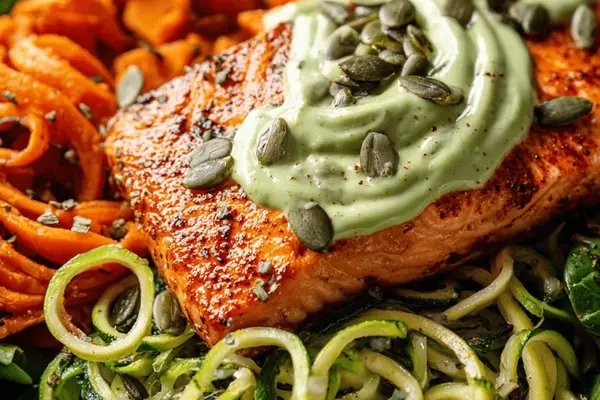
Salmon Sweet Potato Bowls
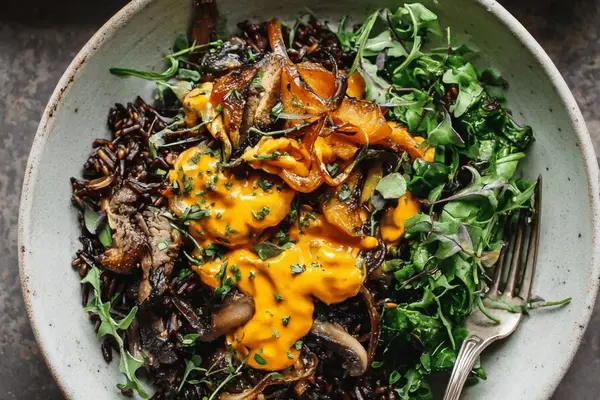
Wild Rice Squash Duck Bowls
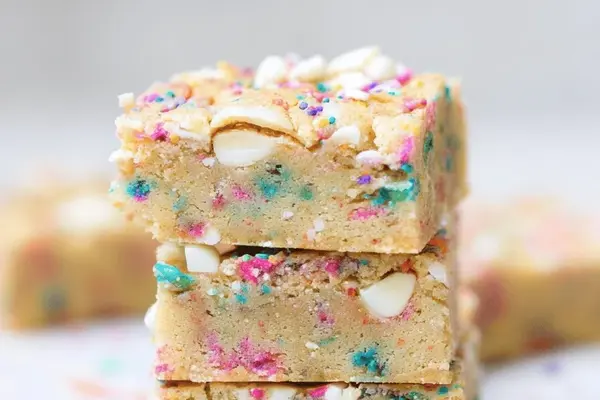
Funfetti Oreo Cookie Bars
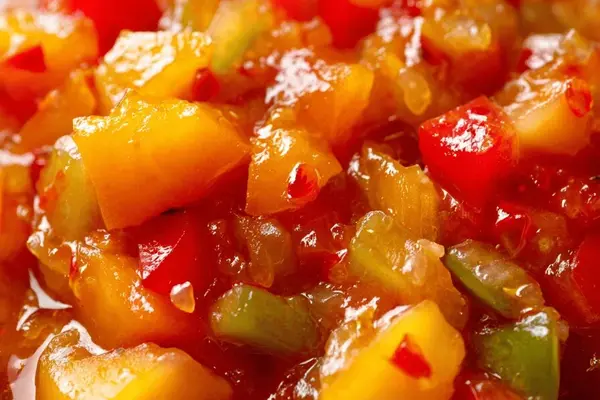
Sea Buckthorn Fruit Chutney
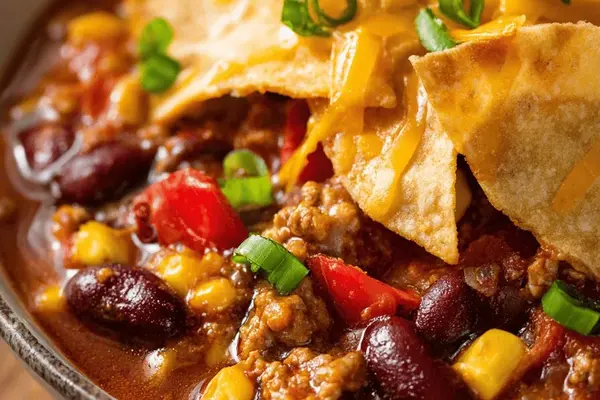
Spiced Pork Chili Pot Pie
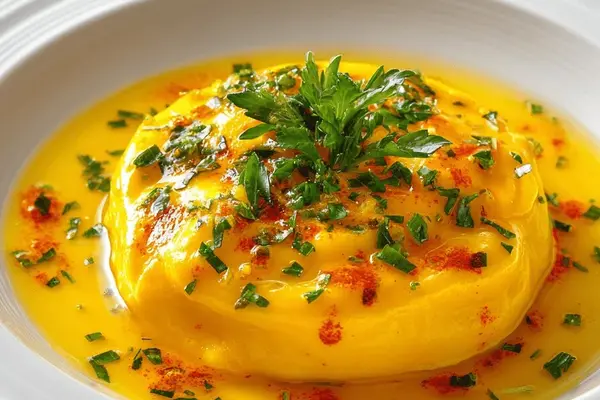
Saffron Aioli Twist
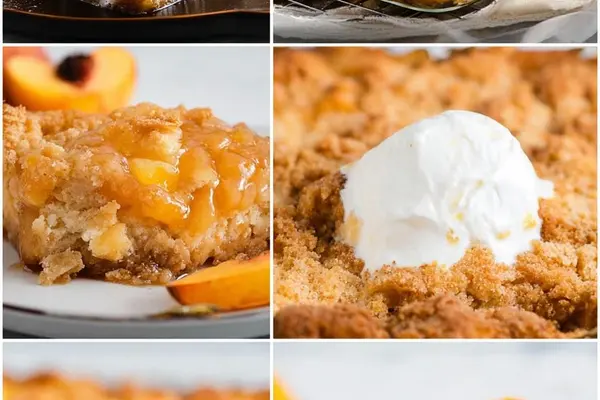
Peach Cobbler Remix
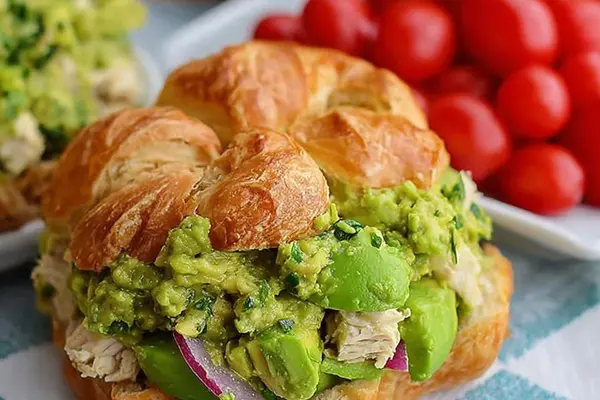
Avocado Pesto Chicken Salad
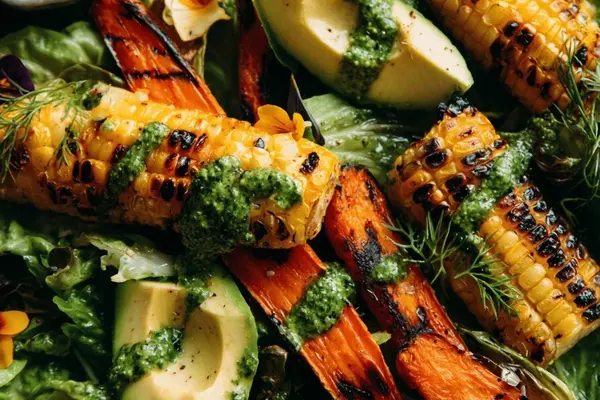
Grilled Veg Chimichurri Salad
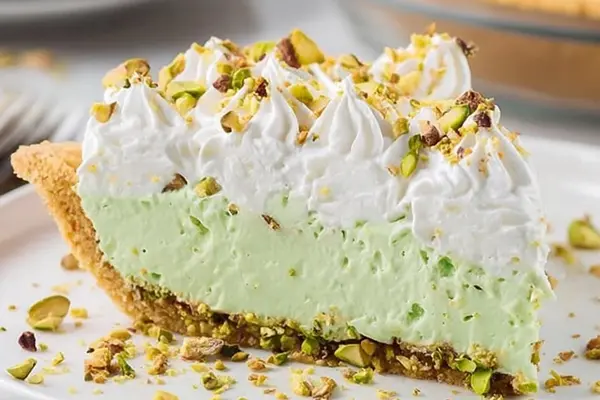
Twisted Pistachio Cream Pie
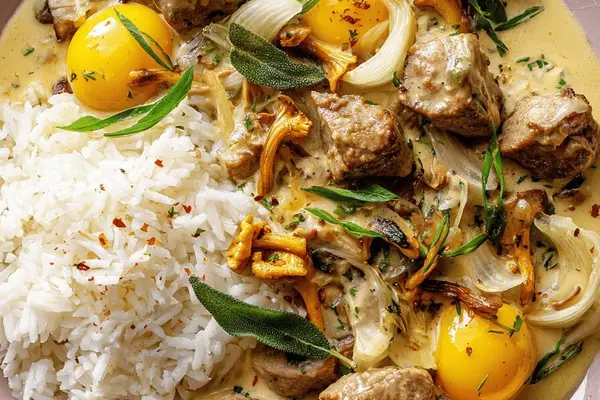
Twist Veal Blanquette
Grilled Pesto Chicken Parm
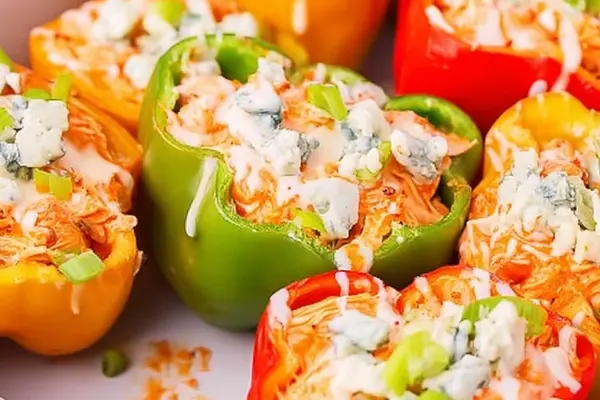
Buffalo Chicken Stuffed Peppers
Smoked Salmon Everything Bagel Tart
Large Italian Meatballs