Sweet Potato Cake Remix
E
By Emma
Certified Culinary Professional
•
Recipe tested & approved
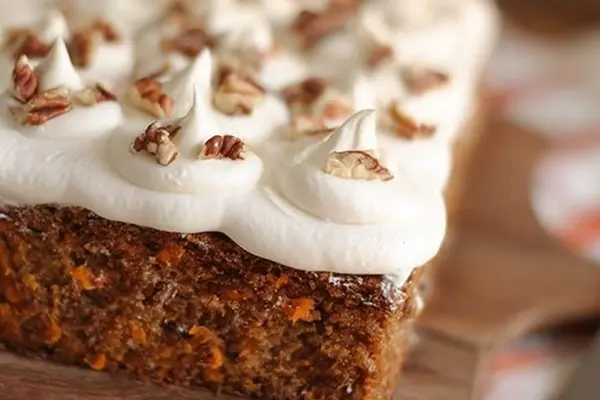
Sweet potato cake with a twist brought by almond oil instead of vegetable oil plus chopped walnuts standing in for pecans. Baking a cake dense but light with cinnamon and baking soda. Frosted with marshmallow buttercream, whipped to balance sweetness and texture. Watch for batter consistency, folding sweet potatoes carefully not to deflate. Oven cues, like cake edges pulling away and clean toothpick, key signs here. Marshmallow buttercream needs patience; incorporate powdered sugar slowly to avoid dust cloud. Refrigerate to firm up frosting. Adaptable for missing ingredients and texture fixes with tips on timing and substitutions throughout.
Prep:
35 min
Cook:
55 min
Total:
1h 30min
Servings:
12 servings
#dessert
#holiday baking
#nut substitutions
#buttercream frosting
#sweet potatoes
#American cuisine
Before You Start
Sweet potato cakes? I’ve tried plenty. Most flop with soggy middles or dry crumb. Mashed sweet potatoes pull moisture and richness, but controlling that balance is tricky. Oil choice can shift flavor and mouthfeel dramatically. Almond oil? Nudges it nutty, subtly elevates sweetness. Nuts add crunch but can be swapped — walnuts are my go-to for day-to-day, pecans are pricier here. Marshmallow buttercream: sugar bomb but worth taming. Patience beating it right avoids grainy sugar or runny cream. Cooling time essential. I’m all about visual cues: the cake edges pulling away, toothpick cleanliness, frosting sheen before fridge. Tried too hot—cake cracked. Too cold—frosting too stiff. Achieving that that tug-of-war balance is key. Every bite should whisper fall and nostalgia, not scream sugar overload. Experience teaches better than exact minutes; watch the cake, smell the warmth, feel the frosting consistency. That kind of mastery makes the difference.
Ingredients
- 2 cups all-purpose flour
- 1 teaspoon baking soda
- 1 1/2 teaspoons ground cinnamon
- 1 1/4 cups granulated sugar
- 3/4 cup almond oil (substitute for vegetable oil)
- 3 large eggs
- 2 cups cooked mashed sweet potatoes
- 1 cup chopped walnuts (instead of pecans), reserve some for topping
For frosting===
- 1/2 cup unsalted butter, room temperature
- 7 ounces marshmallow cream
- 3 cups powdered sugar
- Pinch of salt
In The Same Category · Desserts
Explore all →
Scratch Brownies Ganache
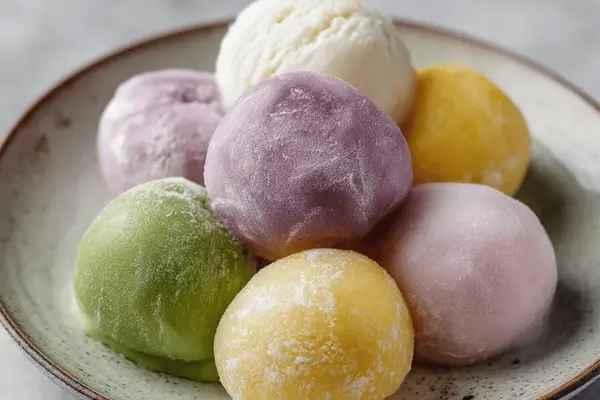
Glutinous Rice Mochi Ice Cream
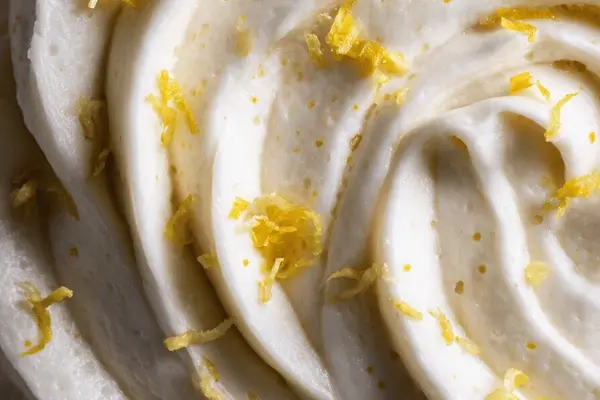
Lemon Butter Frosting Remix
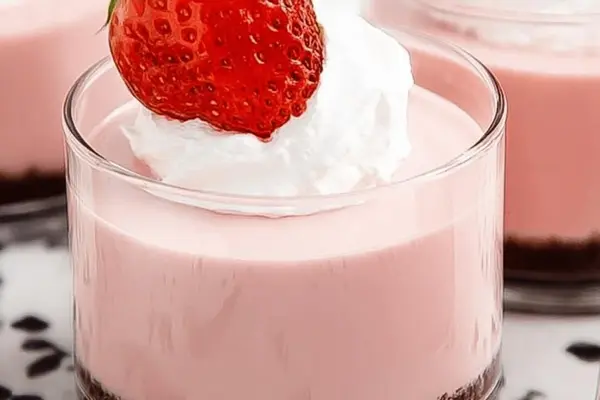
Strawberry Mousse Twist
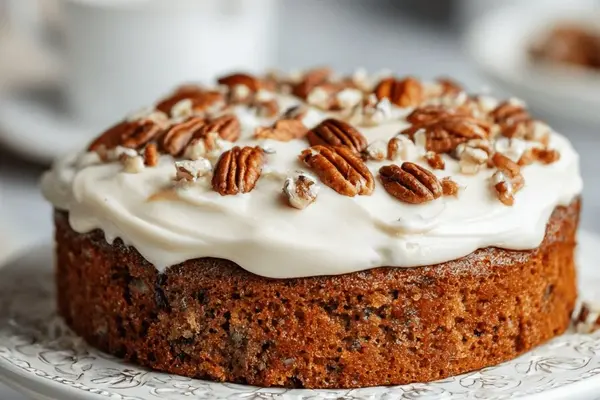
Brown Butter Banana Cake
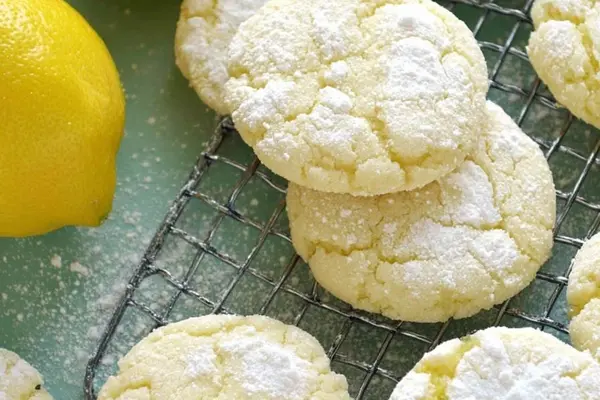
Zesty Lemon Crinkle Cookies
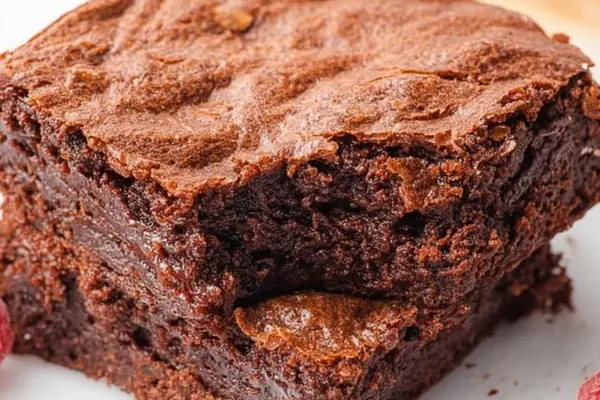
Dr Pepper Brownie Remix

Peanut Butter Chocolate Sundae
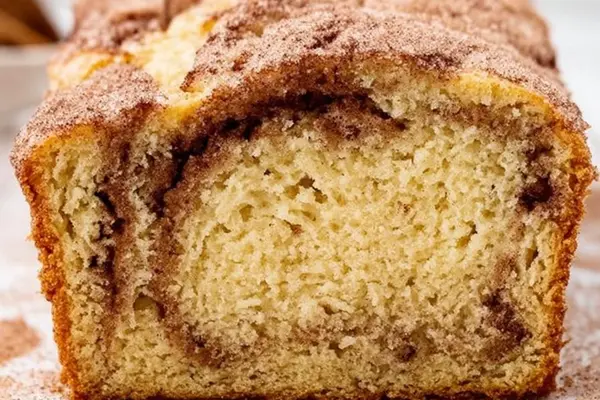
Snickerdoodle Swirl Loaf
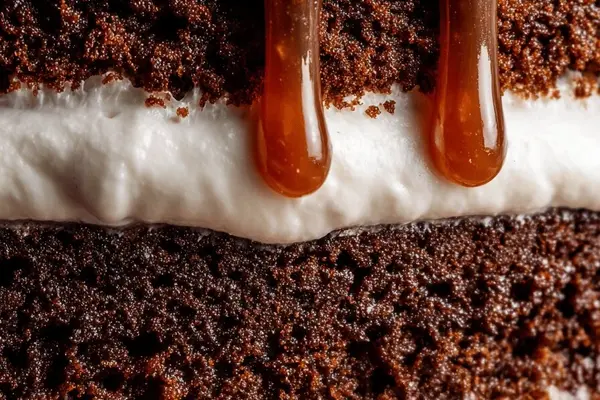
Twisted Chocolate Cake
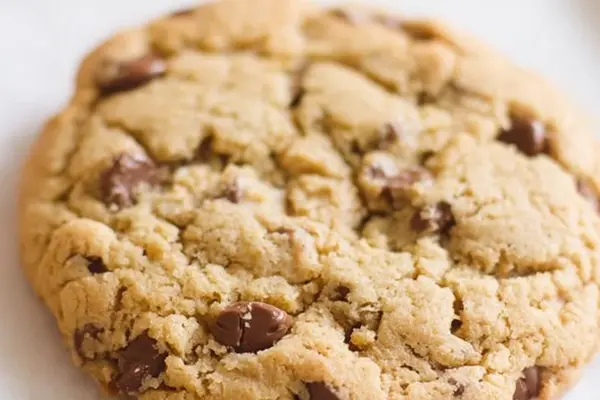
Neiman Marcus Cookies Twist
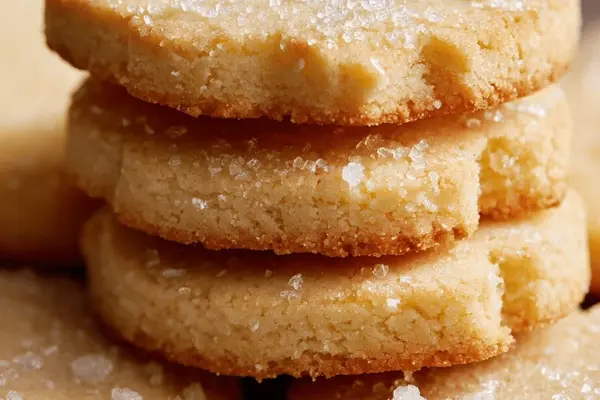
Vanilla Almond Shortbread
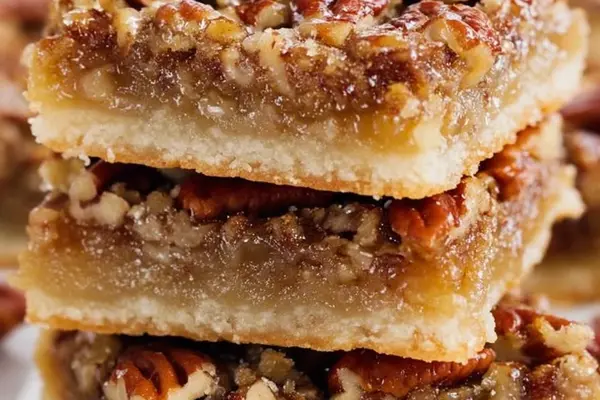
Twisted Pecan Pie Bars
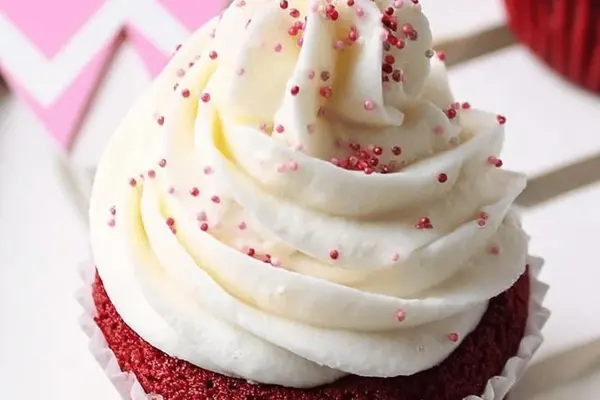
Red Velvet Cupcakes Twist
Honey Nut Baklava
Less Sweet Chocolate Cake
Conversation Heart Bark
Almond Citrus Pizzelles
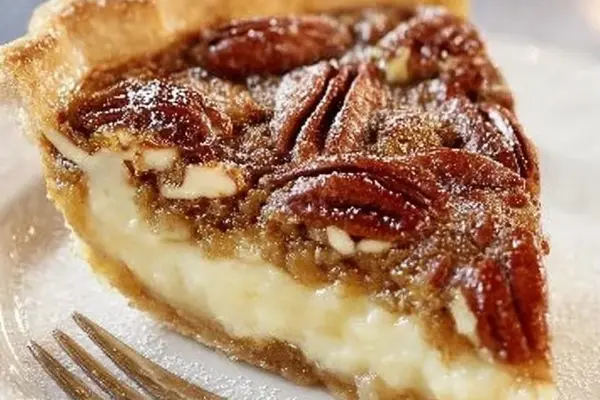
Cream Cheese Pecan Pie
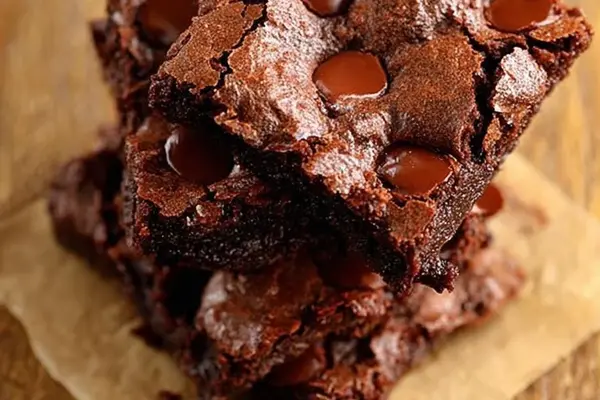
Twisted Cake Mix Brownies
About the ingredients
Substituting almond oil for vegetable oil adds a subtle, nutty flavor but you could swap with canola or even melted coconut oil if you need a tropical hint. I wouldn’t push olive oil here — flavor clash is real. Walnut replacement for pecans works well but expect a slightly different crunch and a bit of earthiness; toasted almonds could be an experimental twist but toast them first. Sweet potatoes should be cooked and mashed thoroughly, preferably cooled so batter doesn’t get watery; leftover baked or steamed sweet potatoes ideal. Don’t skimp on cinnamon—it anchors flavor. Butter in frosting must be softened at room temp to avoid lumps but not melted or frosting splits. Marshmallow cream can be swapped with homemade whipped marshmallow fluff but requires extra work and patience. Powdered sugar should be sifted to avoid gritty frosting. Salt, just a pinch, cuts sweetness and brightens flavors. Keep extra nuts aside to top — adds texture pop. Always have a backup pan size, or adjust batter thickness with small flour tweaks if pan differs.
Method
- Preheat oven to 350 degrees Fahrenheit. Spray a 9x13 baking dish lightly with nonstick spray. Airy grease coat but don’t overdo.
- In a large bowl, sift together flour, baking soda, and cinnamon. Whisk until uniform. Keeps lumps out, critical for texture.
- Grab a mixer and beat sugar with almond oil until glossy and bonded, about 2 minutes medium speed. Almond oil adds subtle nutty layer.
- Add eggs one at a time, beating after each. Watch for batter firming, don't overmix—add air but no breakage.
- Dump entire flour mix into wet ingredients at once. Hold mixer low speed, mix until barely combined. Overmix will toughen cake.
- Scrape sides down with a spatula twice to gather any missed pockets of flour. Then fold in mashed sweet potatoes and chopped walnuts carefully. Folding keeps batter aerated.
- Pour batter evenly into pan. Smack gently once or twice to level, settle air bubbles.
- Slide into oven. Bake 55 minutes give or take. Look for edges pulling away slightly from pan, golden brown top with slight crackle. Insert toothpick near center; clean or a few moist crumbs okay.
- Let cake cool fully in pan. Warm cake frosting disaster. Patience here seals the deal.
Frosting
- Beat butter until pale and fluffy with electric mixer. Soft but not melting butter; temperature critical for good creaming.
- Add marshmallow cream. Mix steady until slick and smooth. Resist temptation to overbeat, marshmallow will go slimy.
- Gradually add powdered sugar in thirds, mixing each addition fully before next dump. Sprinkle salt to cut sweetness.
- Spread buttercream onto cooled cake generously. Edges can be rustic; the marshmallow aroma should hit right away.
- Sprinkle reserved walnuts on top for crunch and presentation. Refrigerate cake to set frosting at least 30 minutes before slicing.
- Bring to room temp before serving for best bite texture. Watch out: cake firms and flavor deepens with resting.
Cooking tips
Start by prepping your dry mix meticulously—sifting flour and powdery ingredients prevent clumps, a common problem. The sugar-oil combination needs beating until a glossy paste forms; this step traps air and creates a light crumb—skip it, and you end with dense cake. Eggs added one at a time improve emulsion and structure. Fold sweet potatoes gently to preserve air pockets; it’s easy to overmix and deflate the batter, resulting in a flat cake. Use visual oven cues — edges pulling from the pan and a golden crackled top mean cake’s done; toothpick test can mislead if inserted too close to nuts or wet patches. Cooling fully in the pan prevents frosting meltdown; impatient frosting application ruins texture. Beat butter first before adding marshmallow cream to avoid curdling. Don’t dump powdered sugar all at once; add in portions to maintain control and avoid dust explosions. Spread frosting thickly — it’s a cake, not a biscuit. Refrigerate to set frosting, but don’t freeze. Letting the cold cake come to room temp before slicing restores the tender crumb. Practiced hands will gauge timing by sensory signals more than clock numbers.
Chef's notes
- 💡 Start dry mix by sifting flour, baking soda, cinnamon. Lumps kill texture. Beat sugar and almond oil to glossy paste, traps air crucial for crumb. Add eggs slow; overmix and lose lift. Fold sweet potatoes gently to keep lightness; batter deflates easy here. Watch edges pull off pan, top crackle, toothpick test for doneness. Don't rely on time only; sensory cues matter.
- 💡 Butter temp matters big. Too warm and buttercream splits, too cold and lumps persist. Beat butter first until pale and fluffy, then add marshmallow cream steady but not overbeaten or it turns slimy. Powdered sugar goes in thirds slow—dump all at once and expect clumps or dusty clouds. Salt at end cuts sugary cloy; little but essential. Refrigerate frosting to firm, but not freeze. Let cake rest room temp before slicing restores tender bite.
- 💡 Walnuts replace pecans fine but note earthiness shifts. Toast walnuts or almonds first; unlock aroma, crunch pops. No nuts? Coconut flakes or seeds work but change flavor profile drastically. Almond oil swap for vegetable oil adds nutty hint but can switch to canola or coconut oil melted if needed. Avoid olive oil here; flavor clash real. Mashed sweet potatoes must be cooled, watery mix ruins batter. Adjust flour slightly if pan size changes to control thickness.
- 💡 Fold batter, no beat after adding flour—key step. Use rubber spatula scoop-under-fold motion to keep air pockets. Smack pan lightly to level but don’t overdo; too much settling kills lift. Oven temps vary; tent foil if browning too fast halfway. Don’t rush cooling or frosting melts. Visual cues—edges pulling away, crackled top, toothpick with moist crumbs—but not wet batter, all signal done. Cake aroma shifts, warmth noticeable before timer ends.
- 💡 Baking time a guideline—experience tells more. Watch batter texture closely. Frosting patience pays off. Spread thick, edges rustic okay. Reserved nuts on top add texture pop and rustic look. Fridge for frosting set, at least 30 minutes, then bring cake to room temp for best texture; cold slices stiffen crumb and mute flavor. Mixing order and ingredient temp critical throughout. Skipping steps like slow sugar addition or cooled potatoes leads to soggy or dense results.
Common questions
Why fold sweet potatoes gently?
Folding keeps air pockets. Beat too hard, batter deflates. Dense cake follows. Air trapped helps rise and crumb texture. Potato moisture tricky, too watery kills lift. Fold slow and steady so batter stays aerated.
Can I substitute nuts?
Yes but flavor changes. Walnuts are earthier than pecans. Toast them first to boost aroma. Almonds toasted add crunch too. Allergies? Try seeds or coconut flakes. Texture shifts, taste alters. No nuts? Batter still works.
What if cake is soggy in center?
Could be overmixing or too wet batter. Also try baked or steamed sweet potatoes fully cooled. Oven temp low or baking time short? Check with toothpick; moist crumbs okay but no wet batter. Tent foil if crust browns fast but inside not done.
How to store leftover cake?
Fridge best for frosted. Wrap well. Can freeze unfrosted layers but frosting suffers. Bring fridge cake to room temp before eating, cold stiffens crumb and mutes flavor. Leftovers keep 3-4 days covered. Avoid freezer freeze-thaw cycles for texture.
You’ll Love These Too
Explore all →
Pork Chops and Roasted Zucchini Salad
Instant Pot Mac Cheese Remix
Holly Jolly Jello Shots Remix
Stuffed Grape Leaves Twist

Soft Cutout Sugar Cookies
Spicy Turkey Zucchini Boats
Cranberry Pear Oatmeal Twist
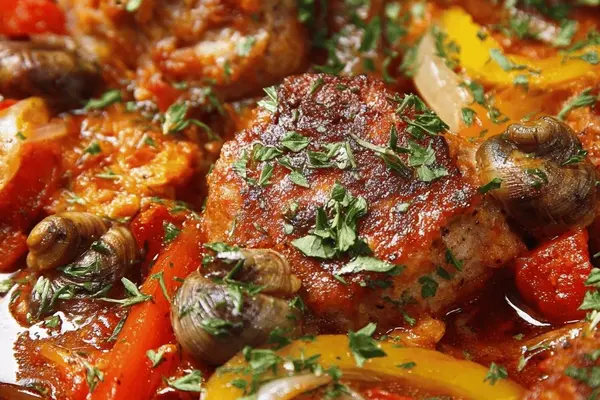
Spicy Sausage Escargots
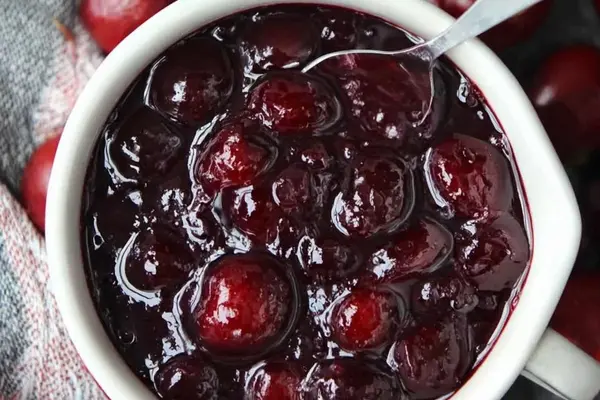
Quick Cherry Sauce Twist
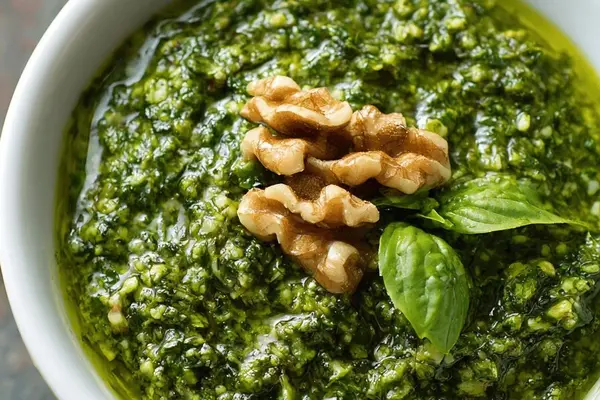
Herb Citrus Pesto
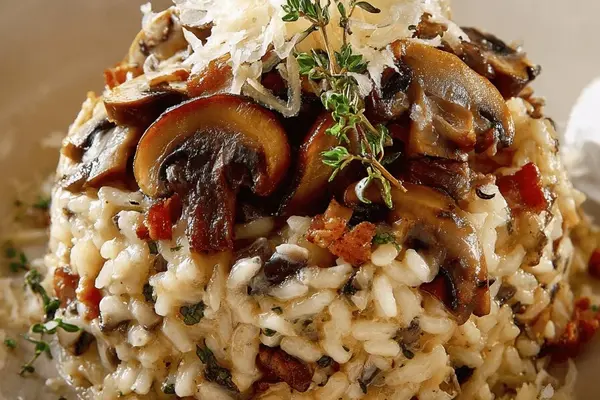
Mushroom Pancetta Risotto Remix

Mint Chocolate Patties
Blueberry Cream Cheese Danish Twist
Zesty Honey Mustard Dip

Citrus Oyster Gratin Twist
Pork Dumplings with Spicy Peanut Sauce
Hearty Italian Meat Sauce
Ginger Chicken Fried Rice
Berry Malt Shake Remix
Caprese Skewers Remix