Sweet Potato Cornbread
By Emma
Certified Culinary Professional
·
Recipe tested & approved
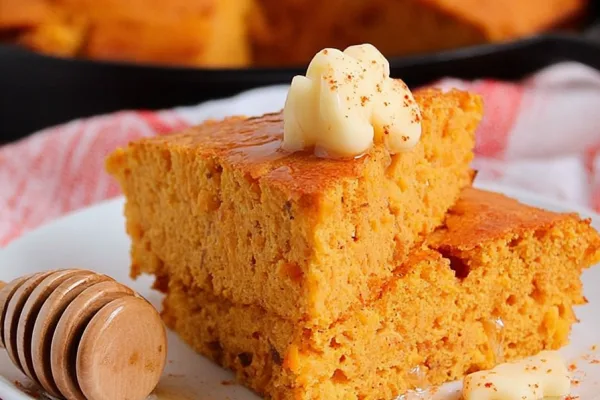
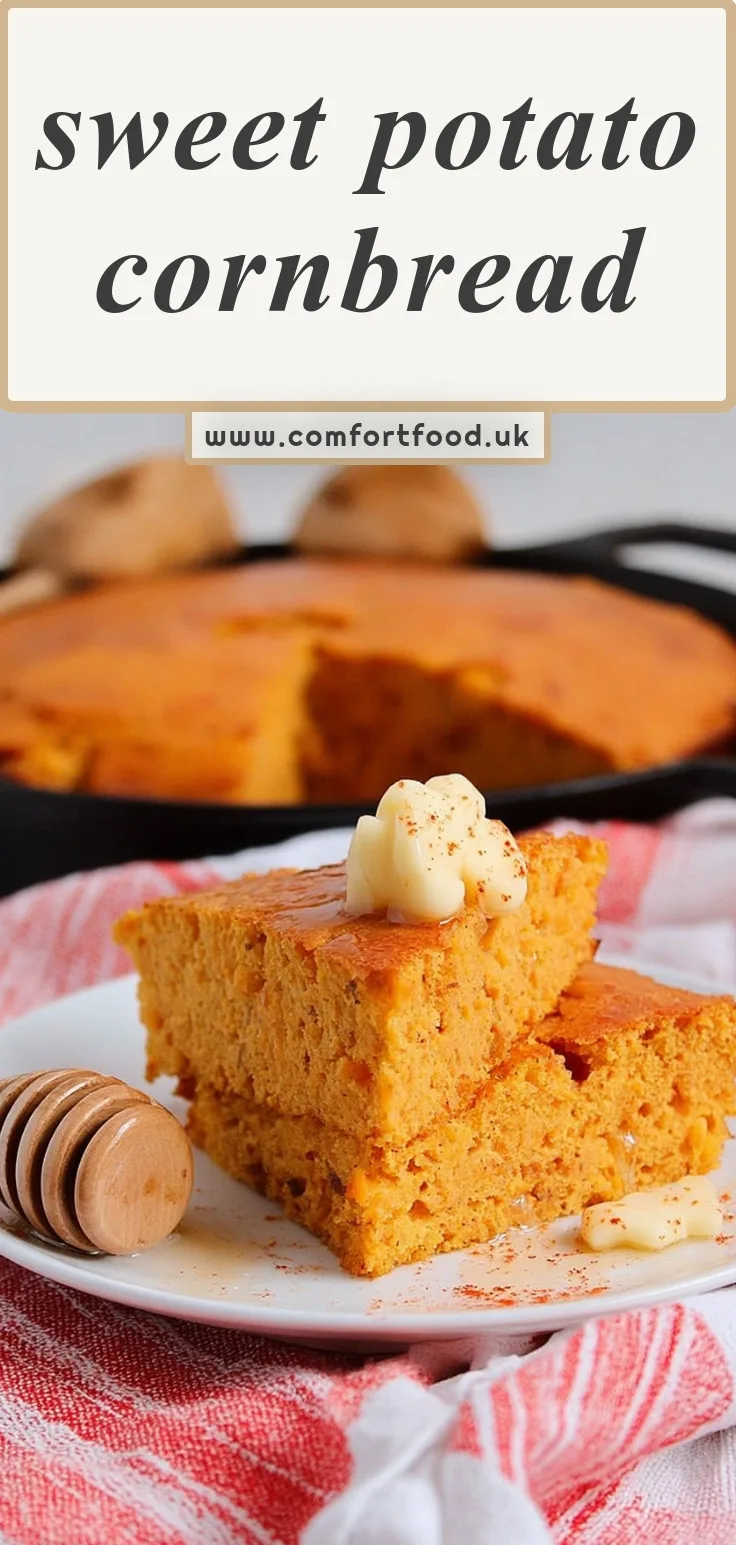
Sweet Potato Cornbread combines tender chunks of sweet potatoes with cornmeal for a hearty baking experience with warm cinnamon and allspice notes baked in a cast iron skillet.
Prep:
10 min
Cook:
35 min
Total:
45 min
Servings:
8 servings
I’ve been making this Sweet Potato Cornbread for a while now and it’s one of those things that just works. The sweet potato chunks stay in there and give you these pockets of texture, which I didn’t expect the first time but now I want them. You get spice without it tasting like dessert.
Why You’ll Love This Recipe
- The cast iron skillet makes the edges crispy in a way a regular pan can’t match
- Sweet potato chunks don’t fully break down, so you get surprise bites of soft texture throughout instead of just orange color
- Takes 45 minutes start to finish
- Cinnamon and allspice warm it up without making it taste like a spice cake or anything sweet
- The yogurt keeps it from drying out, which I only figured out after my first batch came out kind of crumbly
- It’s substantial enough to be a side but also works for breakfast if you’re into that
The Story Behind This Recipe
I tested this southern cornbread last Tuesday after work because I had two sweet potatoes sitting on my counter that needed to get used. I’d been wanting to try sweet potato baking in cornbread for a while after eating something similar at a potluck, but most recipes I found online were either too sweet or didn’t have enough actual sweet potato to make a difference. This one uses a full cup and a half of the mashed stuff, which sounds like a lot but it’s really what makes the texture work. The chunks that stay in there — that’s the thing nobody mentions but it’s actually the best part.
What You Need
You’ll need 1 cup of cornmeal and 1 cup of all-purpose flour, which is the base that holds everything together. Some people go all cornmeal but that gets gritty in a way I don’t love. The flour softens it.
1 tablespoon of baking powder is what gives you lift. Don’t skip it or you’ll end up with something flat and sad. 1/2 teaspoon of salt goes in with the dry stuff, then 1 teaspoon of ground cinnamon and 1/2 teaspoon of ground allspice for that warm thing I mentioned earlier.
The sweet potatoes are 1 1/2 cups total, and they need to be cooked already but still slightly chunky when you mash them. Not baby food smooth. Those chunks are what make this cornbread recipe different.
You’ll need 2 large eggs, 1 cup of plain yogurt (the thick kind, not the liquidy Greek stuff), and 1/2 cup of dark brown sugar that’s packed down when you measure. The molasses in brown sugar does something here that white sugar doesn’t. 1/4 cup of melted unsalted butter goes in too, and then 1 cup of buttermilk which is non-negotiable because it reacts with the baking powder.
For greasing the skillet, use vegetable shortening or vegetable oil. Butter burns too fast at 375°F.
How to Make Sweet Potato Cornbread
Get your oven going at 375°F first. Grease your cast iron skillet really well with shortening or oil — I use way more than I think I need because that’s what makes the bottom and edges get properly crispy. If you’re stingy here, it’ll stick.
Sift your cornmeal, flour, baking powder, salt, cinnamon and allspace into a bowl. I don’t usually sift things but it matters here because the cornmeal can clump. Set that aside and don’t think about it for a minute.
In your stand mixer with the paddle attachment (or just a big bowl if you’re using a hand mixer), beat the sweet potatoes, eggs, yogurt, brown sugar and melted butter together. It’ll look lumpy and that’s fine. You want some chunks of sweet potato baking in there anyway.
Now add your dry ingredients and the buttermilk in turns — dry, then buttermilk, then dry, then buttermilk, ending with dry. My mom taught me that and I don’t know why it works but the batter comes out smoother. Mix just until it’s combined. Don’t overmix or you’ll end up with tough bread.
The batter’s thick, like almost too thick to pour. That’s right. Scrape it into your greased skillet and spread it around so it’s even.
35 minutes is what it takes, maybe 30 if your oven runs hot. You’re watching for the edges to pull away from the pan a little bit and the top to turn golden. Stick a toothpick in the center and it should come out with moist crumbs, not wet batter but not bone dry either. I learned this the hard way — if it comes out completely clean, you’ve already overbaked it.
When you pull it out, let it sit for maybe 5 minutes before you cut into it. It needs that time to set up or it’ll fall apart when you slice it. The smell of cinnamon hits you hardest right when it comes out of the oven.
What I Did Wrong the First Time
I didn’t grease the skillet enough and half the crust stuck to the bottom when I tried to serve it. I had to scrape it out with a spatula and it looked terrible on the plate, even though it tasted fine.
Also I mashed my sweet potatoes completely smooth because I thought that’s what you’re supposed to do. Wrong move. The chunky bits are the whole point and without them it just tastes like orange-tinted cornbread, which is boring.
Sweet Potato Cornbread
Prep:
10 min
Cook:
35 min
Total:
45 min
Servings:
8 servings
Ingredients
- 1 cup cornmeal
- 1 cup all-purpose flour
- 1 tablespoon baking powder
- 1/2 teaspoon salt
- 1 teaspoon ground cinnamon
- 1/2 teaspoon ground allspice
- 1 1/2 cups cooked sweet potatoes, mashed but still slightly chunky
- 2 large eggs
- 1 cup plain yogurt
- 1/2 cup dark brown sugar, packed
- 1/4 cup unsalted butter, melted
- 1 cup buttermilk
- Vegetable shortening or vegetable oil, for greasing skillet
Method
- 1 Preheat the oven at 375°F. Generously grease a large cast iron skillet with vegetable shortening or oil so the crust crisps evenly as it bakes.
- 2 Sift together cornmeal, flour, baking powder, salt, cinnamon, and allspice into a bowl. Set aside this dry mix for later.
- 3 In a stand mixer bowl using a paddle attachment or a large mixing bowl with a hand mixer, beat the sweet potatoes, eggs, yogurt, brown sugar, and melted butter. Let the mixture come together but don’t worry if sweet potato chunks remain.
- 4 Add the dry ingredients and buttermilk alternately into the wet mixture, starting and ending with the dry. Combine just enough to blend without overmixing—some lumps from sweet potatoes are welcome.
- 5 Pour the thick batter into the hot, greased cast iron skillet, spreading it evenly.
- 6 Slide the skillet into the oven and bake for about 30 to 35 minutes. Keep an eye on it: you’re looking for a golden crust forming with edges pulling slightly away from the skillet, and a toothpick inserted in the center should come out mostly clean with only moist crumbs attached.
- 7 Remove from oven and let it rest briefly before cutting. This step lets the bread settle so it slices without crumbling.
Nutritional information
Calories
250
Protein
5g
Carbs
40g
Fat
8g
Tips for the Best Sweet Potato Cornbread
Your cast iron skillet needs to go into the oven while it’s preheating if you want that serious sizzle when the batter hits the pan. I didn’t do this last Tuesday but I’ve done it before and the difference is real.
When you’re mashing your sweet potatoes, use a fork instead of a food processor. The processor turns them into paste and you lose those chunks that make this cornbread recipe worth making in the first place.
Check your baking powder before you start because mine was expired once and the whole thing came out flat like a hockey puck. If it doesn’t fizz when you add a little water to it, throw it out and get new stuff.
The batter should be so thick you almost think you messed something up. If it’s pourable like pancake batter, something’s wrong with your measurements. It should need a spatula to spread it around the skillet.
Don’t cut into it right at 30 minutes just because your timer goes off. Look at the edges first — they should be pulling away from the pan slightly and the top should look set, not jiggly in the center when you shake the skillet a tiny bit.
Serving Ideas
I eat this with chili and it’s better than regular cornbread because the sweet potato chunks soak up the broth without falling apart. Also it’s good in the morning toasted with butter and a fried egg on top, which sounds weird but the cinnamon works with it.
Room temperature with honey drizzled over is how my coworker ate the piece I brought her. She said the honey brought out the allspice more. I tried it the next day and she’s right — something about cold cornbread with honey just hits different than when it’s warm.
Variations
You can add 1/2 cup of chopped pecans to the batter if you want crunch, but fold them in at the very end or they’ll sink to the bottom. I did this once for Thanksgiving and it made it feel fancier without changing the texture too much.
Jalapeños work if you dice them really small and add maybe 1/4 cup. The heat cuts through the sweetness in a way that makes sense with southern cornbread. Just don’t add more than that or it’ll overpower the sweet potato.
Maple syrup instead of brown sugar is something I haven’t tried yet but my neighbor swears by it. You’d probably need to reduce the buttermilk by a couple tablespoons since syrup adds liquid. I’m going to test that next time I make this.
FAQ
Can I use canned sweet potatoes instead of fresh ones? Yeah but drain them really well and pat them dry with paper towels first. Canned ones have more moisture and if you don’t get rid of it your batter will be too wet and won’t bake right.
What if I don’t have buttermilk? Add 1 tablespoon of white vinegar or lemon juice to regular milk and let it sit for 5 minutes. It curdles and becomes basically buttermilk. The acid is what matters for reacting with the baking powder.
Can I make this without a cast iron skillet? Sure, use a 9-inch square baking pan or a regular 10-inch round cake pan. Grease it the same way but you won’t get those crispy edges and the bottom won’t be as crunchy. It’ll still taste good though.
How do I know when my sweet potatoes are chunky enough? Mash them with a fork until most of it’s broken down but you can still see some pea-sized pieces in there. If you can’t see any distinct chunks when you look at the mashed sweet potatoes, you’ve gone too far.
Can I use Greek yogurt instead of plain yogurt? Greek yogurt is too thick and it’ll make your batter dense. If that’s all you have, thin it out with a little milk first — maybe 2 tablespoons of milk mixed into the cup of yogurt before you add it.
Why did my cornbread sink in the middle? Either your baking powder was old or you opened the oven door too early and let out all the heat. Don’t open it for at least 25 minutes or the center won’t set properly before the edges are done.
Can I prep the batter ahead of time? Don’t do this because the baking powder starts working as soon as it hits the buttermilk. If you let the batter sit around it’ll lose its lift and you’ll end up with something flat and heavy.
How long does this keep? Three days wrapped in foil on the counter, maybe five days in the fridge. It dries out faster than regular cornbread because of the sweet potato baking in there pulling moisture as it sits.
Can I reheat leftovers? Wrap individual pieces in a damp paper towel and microwave for 20 seconds. The damp towel keeps it from drying out even more. Or toast slices in a regular toaster which is actually better if you have time.
What’s the texture supposed to be like? Denser than cake but lighter than regular cornbread, with a slightly tender crumb from the yogurt. Those sweet potato chunks should be soft but still hold their shape when you bite into them.
Can I double this recipe? You’d need two skillets because if you make the batter too deep in one pan the center won’t cook through before the edges burn. I tried using a deeper pan once and the middle was still raw at 40 minutes while the crust was getting too dark.
Why does my cornbread taste gritty? Either you didn’t sift the cornmeal or you used coarse-ground cornmeal instead of regular. The flour is supposed to soften the texture so if it’s still gritty, you might’ve added too much cornmeal by accident.
Can I use light brown sugar instead of dark? Yeah but it won’t have as much molasses flavor. Dark brown sugar gives it that deeper taste that works with the spices. Light brown will still work, it’ll just be a little less rich tasting.
Do I really need to alternate the dry ingredients and buttermilk? It helps keep the batter from getting tough because you’re not dumping all the flour in at once and overmixing it. You can skip this if you’re in a huge rush but the texture might be a little chewier.
My toothpick came out clean but the cornbread is dry — what happened? You baked it too long. Pull it when the toothpick has moist crumbs on it, not when it’s completely clean, because it keeps cooking a little bit after you take it out of the oven.
Can I use oil instead of melted butter? Sure, vegetable oil or melted coconut oil work fine. You lose a tiny bit of flavor from the butter but the texture will be basically the same and it’ll stay moist just as long.
What temperature should the sweet potatoes be when I add them? Room temperature or slightly warm is fine. If they’re straight from the fridge they’ll make the melted butter seize up into little chunks which looks weird in the batter but honestly doesn’t affect the final result that much.
Can I make this dairy-free? You’d need to swap the yogurt for a non-dairy version, use a buttermilk substitute with plant milk, and replace the butter with oil. I haven’t tested this myself so I can’t promise it’ll turn out exactly the same.
Why are the edges burning before the center is done? Your oven’s probably running hot or you’re baking it too close to the top heating element. Move the rack down one level and maybe drop the temperature to 350°F and bake it a few minutes longer.
Can I add regular white potatoes instead of sweet potatoes? That would just be weird potato cornbread and I don’t think the flavors would work with the cinnamon and allspice. Sweet potatoes have their own flavor that makes sense here — regular potatoes would just be starchy and bland.
How can I tell if my skillet is greased enough? When you pour in the batter there should be visible oil pooling slightly at the edges where it meets the pan. If the batter just sits there with no oil visible around it you need more grease or it’s definitely going to stick.
You’ll Love These Too
Explore all →
Tuna Croquettes Recipe with White Beans

Korean Kiwi Beef Skewers with Soy Marinade

Cranberry Punch Recipe with Apple Cider
No-Bake Protein Bites with Honey & Chocolate
Savory Herb Fougasse with Pancetta

Salsa Chicken Bake with Cheddar Cheese
Honey Marinated Grilled Steak
Classic Chili Mac Recipe
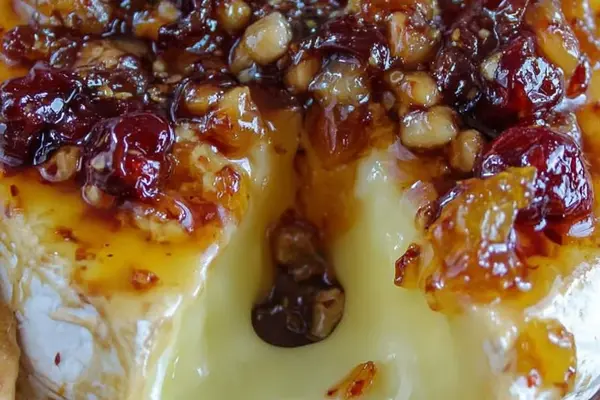
Apricot Jam Baked Brie with Pecans

Baked Cheese with Mushroom Sauté & Mustard
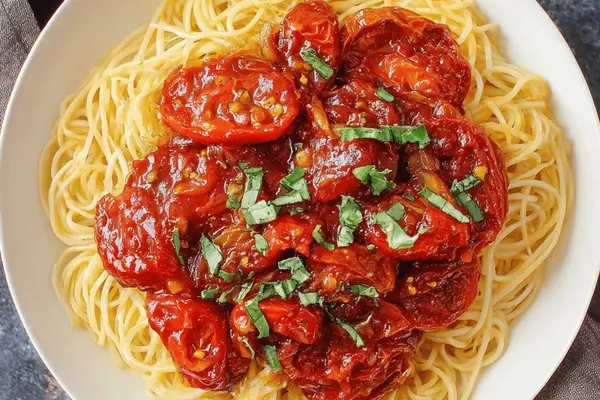
Grilled BBQ Tomato Sauce with Fresh Basil
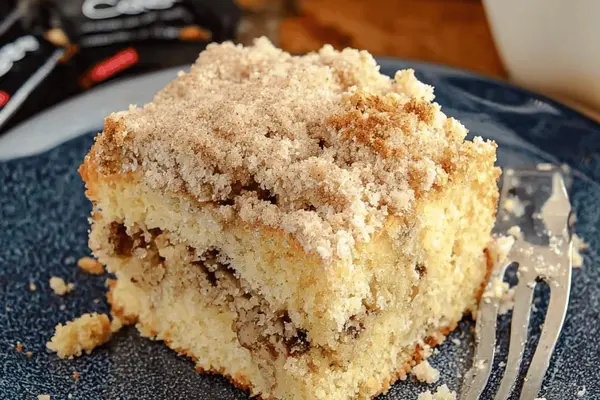
Buttermilk Pie with Cinnamon Streusel
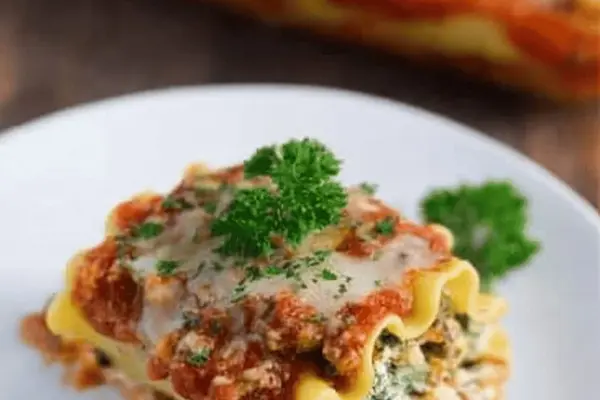
Vegetarian Lasagna with Ricotta and Zucchini
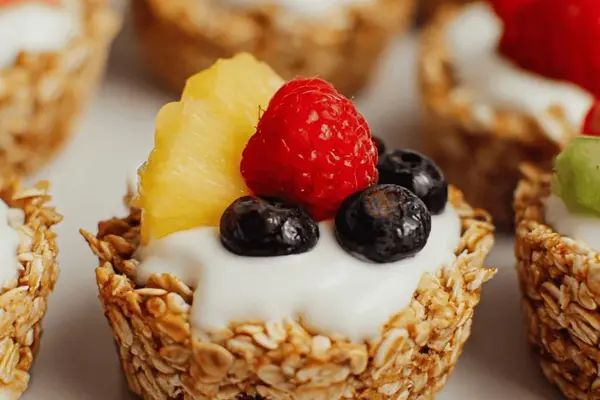
Oatmeal Breakfast Cups with Walnuts

Cinnamon Pop Tarts with Coconut Cream Glaze
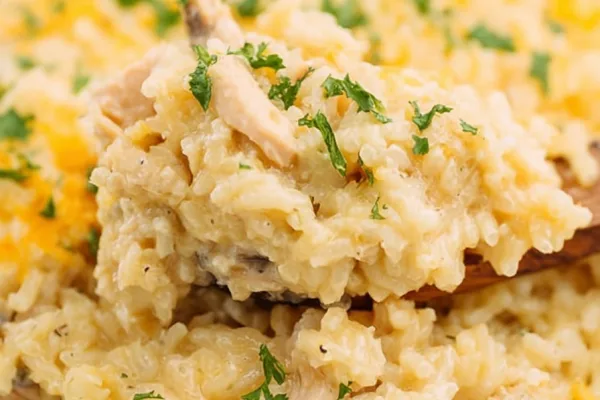
Chicken and Rice Casserole
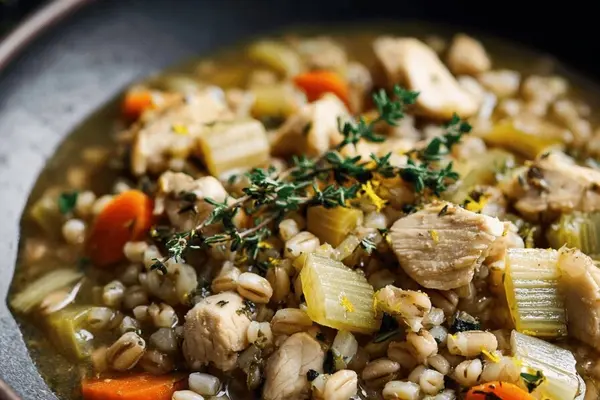
Chicken Barley Soup with Leeks and Parsnips

Grilled Asparagus Bundles with Rosemary Skewers

White Wine Cocktail with Vodka & Citrus