Chap Chae Recipe with Sweet Potato Noodles
By Emma
Certified Culinary Professional
·
Recipe tested & approved
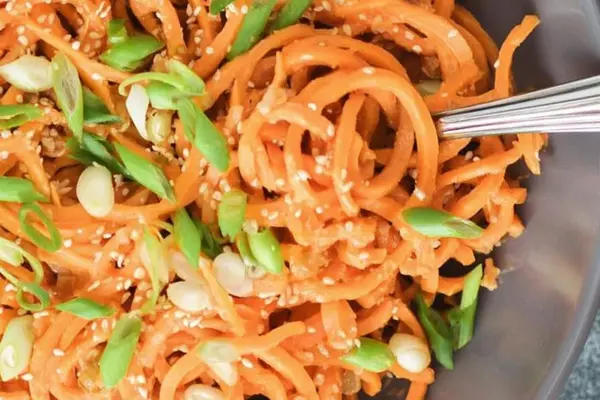
Chap chae made with roasted sweet potato noodles, sesame-ginger dressing, coconut aminos, and toasted pumpkin seeds. Quick stir-fry with umami depth.
Prep:
25 min
Cook:
15 min
Total:
40 min
Servings:
2 servings
Cut the sweet potato first. Poke it a few times, stick it in a 430°F oven, and let it go for 12 to 18 minutes—not until it’s soft all the way through, just until the edges start getting that caramelized look. While that’s happening, whisk together the sauce. Coconut aminos, mirin, sesame oil, rice vinegar, maple syrup, chili flakes, salt. Taste it. Fix it if it needs more acid or heat. Takes five minutes. Maybe three if you move fast.
Why You’ll Love This Chap Chae Recipe
Ready in 40 minutes total. Seriously. Prep takes 25, cooking takes 15, and then it’s done.
Works as an easy dinner that doesn’t feel like you rushed it. Tastes like you spent way longer than you actually did.
One pan. One bowl for the sauce. Not a lot of cleanup happening here.
The sweet potato noodles stay crispy in spots even after they’re coated—kind of crunchy, kind of soft. Both at once, which shouldn’t work but it does.
Healthy without tasting like it. The maple syrup and sesame oil make it taste good. The sweet potato makes you feel okay about eating it.
Roasted edges get nutty. Pumpkin seeds add more nuttiness. Sesame too if that’s what you’re using. It’s all kind of rich this way but not heavy.
Cold the next day. Better, maybe. Depends on your taste.
What You Need for Chap Chae Korean Noodles
One large sweet potato. Just one. That’s enough.
Coconut aminos instead of soy sauce if you care about that. If you don’t, regular soy works. Same thing basically.
Mirin. The real stuff if you can find it. White wine or dry sherry if you can’t. Adds sweetness without being obvious about it.
Toasted sesame oil. Not the untoasted kind. Not close. Totally different thing.
Rice vinegar. The mild one. Not rice wine vinegar—that’s stronger.
Maple syrup. Honey works. Agave works. Brown sugar dissolved in a teaspoon of water works if you’re in a pinch.
Chili flakes. A quarter teaspoon. Maybe more if you like heat. Maybe less if you don’t.
Salt. Just a quarter teaspoon. The dressing already has coconut aminos in it, which brings salt.
Avocado oil for cooking. Neutral oil is fine too. Olive oil burns. Don’t use olive oil.
Two green onions sliced thin. For the top.
Pumpkin seeds. Toasted. A tablespoon. Sesame seeds work instead if you want them. Both are kind of nutty but pumpkin seeds are less predictable.
How to Make Chap Chae Korean Noodles
Oven to 430. Poke the sweet potato skin like four times—just enough so it doesn’t explode. Put it straight on the rack. Set a timer. 12 to 18 minutes. You’re looking for the surface to brown a little and the edges to get that caramelized look. Don’t wait until it’s soft all the way through. That’s the whole mistake people make.
While it roasts, whisk. Coconut aminos, mirin, sesame oil, rice vinegar, maple syrup, chili flakes, salt. Go slow—sesame oil is strong and you can always add more. Taste it now. Not when it’s on the noodles. Now. If it needs more acid, add a splash more rice vinegar. If it needs more heat, another pinch of chili. If it tastes too sweet, balance it with salt.
Pull the potato out. Let it sit for like three minutes—just long enough that you can handle it without burning your hands off. Then spiralize it. If you don’t have a spiralizer, use a julienne peeler. Or just slice it thin with a knife. It won’t be perfect noodles but it cooks the same way and tastes the same.
How to Get Chap Chae Noodles Crispy
Heat avocado oil in a medium skillet over medium-high heat. Wait for it to shimmer—not just hot, shimmering. That’s the signal that it’s ready.
Toss in the noodles. Don’t pack them in. Spread them out. Stir gently. You’re not stirring constantly—just once or twice at first, then let them sit for a minute so the edges can toast. They’ll start going golden on the edges. That’s what you want. Stir again. Do that for about 7 to 12 minutes total. The time depends on how thin you spiralized them and how hot your skillet actually is.
Watch for the moment they go from stiff to tender but still slightly crisp when you bite one. That’s the mark. Not mushy. Not raw. In between.
Pull them off the heat right then. Don’t wait. The second you pull the pan off the burner, toss the sauce on. The noodles are still hot, so the sauce sticks to them instead of sliding off. Throw the green onions on. Scatter the pumpkin seeds on top.
The whole thing comes together faster than you think it will.
Chap Chae Korean Noodles Tips and Common Mistakes
Overcooked potato noodles turn into mush almost instantly. Watch the color on the pan. You want slight toasty spots on the edges—that means depth. But you want to see them when they still have some snap to bite. That line is smaller than you think.
If you under-roast the potato and it’s still kind of raw inside, the noodles stay firmer but they take longer to cook through on the pan. Maybe 12 to 15 minutes instead of 7 to 10. Not a disaster. Just different.
Don’t overcrowd the pan. Sweet potato noodles steam if they’re packed in tight. Cooked noodles need space to make contact with the hot pan so the edges can brown. Work in batches if your pan’s small. It adds five minutes but it’s worth it.
The dressing balance matters more than exact amounts. Coconut aminos are the base. Mirin adds sweetness. Rice vinegar adds acid. Sesame oil adds funk—that deep, toasted-nut flavor. If one of those is off, the whole thing tastes like it’s missing something. Taste as you go.
Pumpkin seeds vs sesame seeds—different vibe. Pumpkin seeds are earthier, less traditional to japchae recipes but more interesting. Sesame is what you’d expect. Either one works.
Store leftovers in a sealed container in the fridge. Five days maximum. The noodles get softer as they sit—not bad, just softer. Reheat gently in a pan with a splash of water if you want them warm. Or eat them cold straight from the fridge. Some people say they’re better cold. Not wrong about that.
Chap Chae Recipe with Sweet Potato Noodles
Prep:
25 min
Cook:
15 min
Total:
40 min
Servings:
2 servings
Ingredients
- 1 large sweet potato
- 2 tablespoons coconut aminos (or soy sauce)
- 1 tablespoon mirin (sub white wine or dry sherry)
- 1 teaspoon toasted sesame oil
- 1 teaspoon rice vinegar
- 1 tablespoon maple syrup (swap honey with plant-based option)
- 1/4 teaspoon chili flakes (adjust to taste)
- 1/4 teaspoon salt
- 2 tablespoons avocado oil (or neutral oil)
- 2 green onions, sliced thin
- 1 tablespoon pumpkin seeds (toasted, swap sesame seeds)
Method
- 1 Preheat oven to 430°F. Poke sweet potato skin a few times. Roast for about 12-18 minutes, not fully soft yet. Surface will slightly caramelize; some browning edges signal readiness. Internal softness won’t be complete.
- 2 Remove potato; let cool briefly. While waiting, whisk together coconut aminos, mirin, sesame oil, rice vinegar, maple syrup, chili flakes, and salt in a small bowl. Taste for balance; add more acid or heat if needed.
- 3 Spiralize the cooled potato into noodles. If you lack spiralizer, use a julienne peeler or thin knife slices.
- 4 Heat avocado oil in medium skillet over medium-high heat until wavering shimmer appears. Toss in noodles; stir gently. Cook about 7–12 mins. Early stages—edges turn golden, noodles start to lose rigid crunch but stay firm. Don’t overcrowd pan or noodles steam and sog out.
- 5 When noodles seem tender yet slightly crisp under bite, pull off heat. Immediately toss with dressing, sliced green onions, and toasted pumpkin seeds. The dressing clings better while noodles still warm, infusing layers of flavor.
- 6 Serve right away—warm for soft chew or chill 10 mins for a firmer texture. Store leftovers sealed in fridge up to 5 days; reheat gently or eat cold. Noodles lose snap if overheated.
- 7 Pro tip: Overcooked sweet potato noodles turn mushy fast. Watch color; slight toasty hints on edges mean flavor depth. Under-roasting potato rawer inside keeps sturdier noodles but longer pan time needed. Swap coconut aminos for tamari for gluten-free punch. Pumpkin seeds add crunch and nutty twist instead of sesame seeds. Touch extra chili flakes if you like heat; it lifts the sweetness.
Nutritional information
Calories
220
Protein
3g
Carbs
30g
Fat
11g
Frequently Asked Questions About Chap Chae Recipe
How is chap chae Korean noodles different from regular noodles with potato? Regular pasta turns to mush if you cook it in sauce. Sweet potato noodles—the kind you make by spiralizing—stay firm enough that the roasted edges actually matter. There’s texture. That’s the whole thing.
Can I make this without a spiralizer? Yeah. Julienne peeler works. Knife and patience works. You’ll end up with thicker pieces instead of proper noodles but they cook the same way and taste the same. Takes a bit longer maybe. Not a big deal.
Why does the recipe say not to fully roast the sweet potato first? If you roast it all the way soft, the noodles fall apart when you stir them in the pan. You want the potato barely cooked so the noodles stay intact when they cook through in the oil. It’s about timing.
What if I don’t have mirin? White wine or dry sherry. One tablespoon. Same sweetness, slightly different flavor. Actually works fine.
Can I use regular soy sauce instead of coconut aminos? Sure. Coconut aminos is a little milder and slightly sweeter. Soy is more aggressive. Both are salt. Both work. Use the same amount either way.
Do the noodles have to be warm when you serve them? Nope. Warm’s good. Cold’s also good. The texture’s different but not bad. Cold they’re firmer. Warm they’re softer. Pick whatever you want that day.
How long do leftovers actually last? Five days in a sealed container. After that they get weird. The noodles keep getting softer. The sauce oxidizes. Just don’t push it past five days.
What’s the deal with the sesame oil—why toasted? Toasted sesame oil has that deep, nutty flavor. Untoasted is lighter and kind of flavorless. Totally different things. Don’t mix them up.
You’ll Love These Too
Explore all →
Pearl Onions & Mushrooms with Balsamic

Piña Colada Recipe with Rum and Coconut Cream
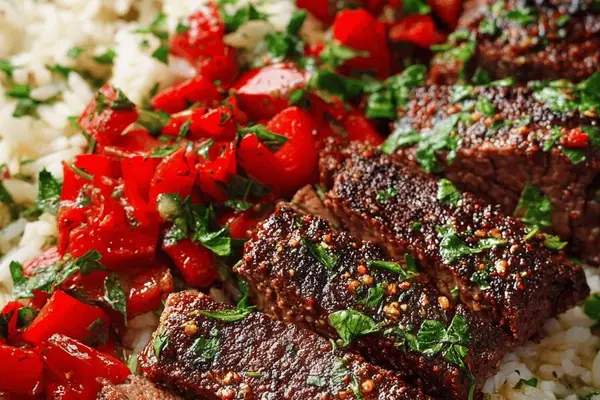
Steak Marinade with Cajun Spices & Rice
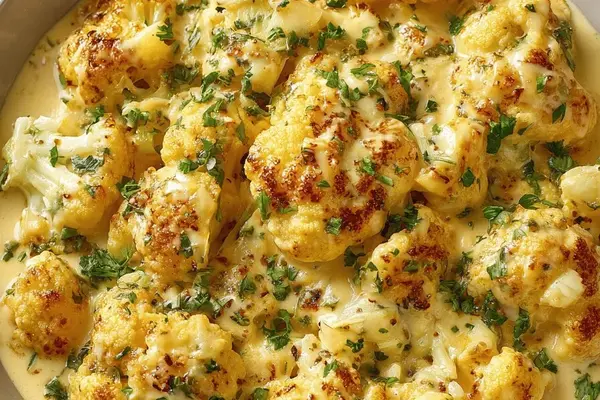
Cauliflower Mornay Sauce with Sharp Cheddar
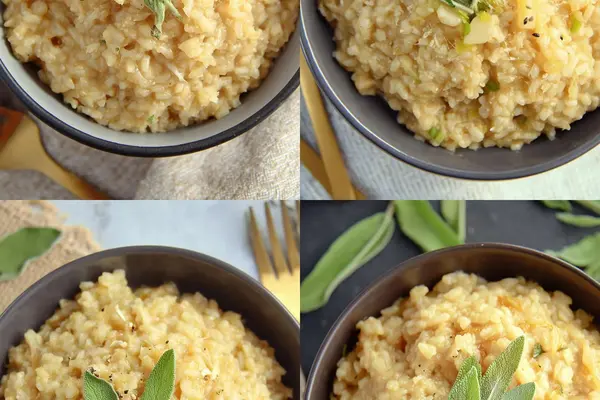
Parsnip Risotto with Sage and Cream Cheese
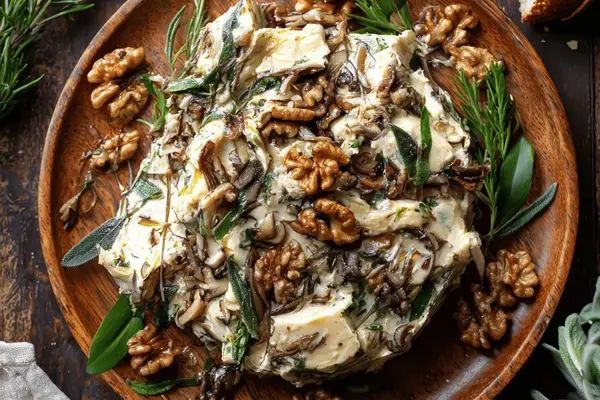
Compound Butter with Mushrooms and Walnuts

Cuban Sandwich Sliders with Smoked Pork
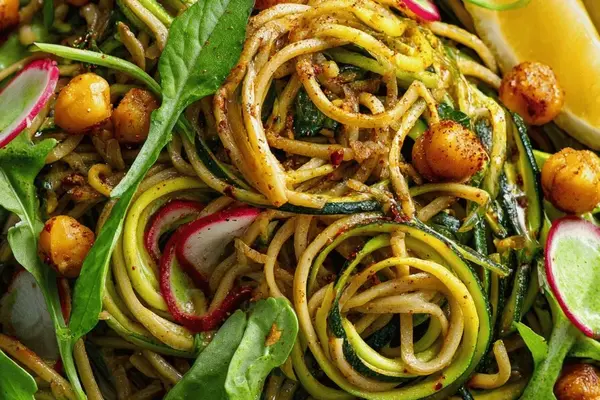
Soba Noodle Dish with Chickpeas
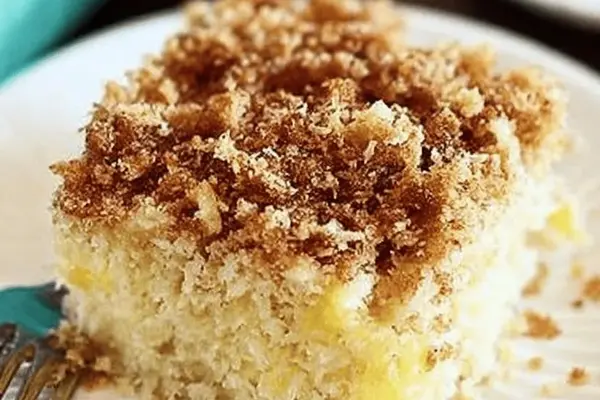
Pineapple Cake with Coconut Crumb Topping
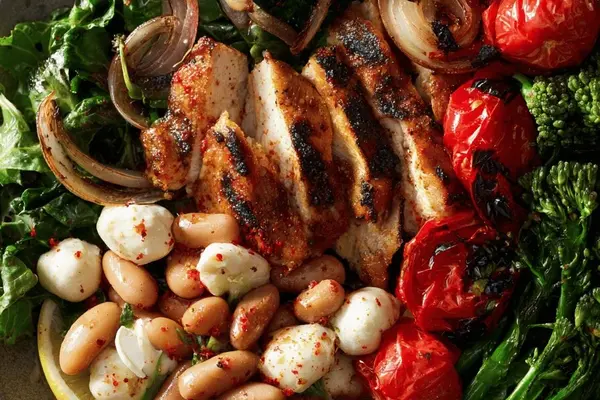
Grilled Chicken Salad with Rapini
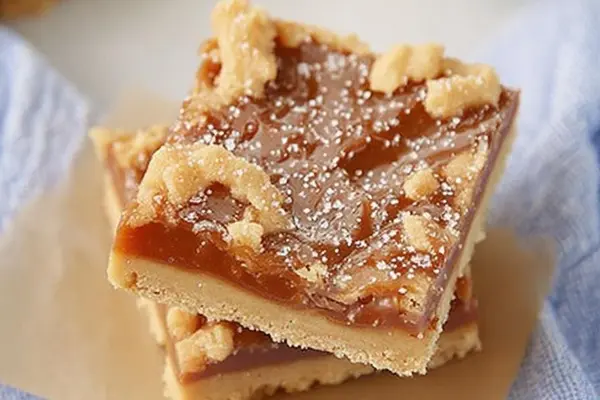
Salted Dulce de Leche Bars with Buttery
Salsa Chicken Bake with Cheddar Cheese
Crunchy Broccoli Salad with Pancetta
Chocolate Fun Dip with Cake Mix & Whipped Cream
Berry Spinach Salad with Walnuts & Goat Cheese
Sunny Side Up Eggs with Olive Oil

Negroni Colada Mix with Aperol & Coconut Milk
Warm Artichoke Spinach Dip with Ricotta
Homemade Peanut Brittle with Butter & Vanilla