Lemon Dessert Bars with Ricotta Filling
E
By Emma
Certified Culinary Professional
•
Recipe tested & approved
Press the dough into a 9x13 pan — thin layer, not thick. Bake that first while you mix the filling. The crust needs a head start or it stays doughy underneath the ricotta.
Why You’ll Love These Lemon Dessert Bars
Fifty minutes total. That’s it. Not some all-day project. The ricotta makes it lighter than cream cheese versions. Less heavy. Still rich. No special skills. Cake mix handles most of the work. You’re basically just pressing dough and whisking filling. Actually tastes better the next day. Something about the lemon soaks in overnight. Cold from the fridge hits different than room temperature. Do both.
What You Need for Lemon Dessert Bars
One box of yellow cake mix. That’s your base. Nothing fancy. Three-quarter cup unsalted butter, softened. Room temperature matters — cold butter won’t mix right with the cake mix. It’ll stay grainy. One egg for the crust. Just one. Eight ounces of ricotta. Not cream cheese. Ricotta’s thinner, tangier. Cream cheese makes these dense. Three-quarter cup powdered sugar for the filling. Sift it first. Lumps in ricotta taste bad. Two more eggs for the filling. Large ones. One-quarter cup fresh lemon juice. Bottled works but tastes like nothing. Fresh is worth it. One-third cup powdered sugar for dusting at the end. Dry. Keep it separate.
How to Make Lemon Dessert Bars
Set the oven to 350°F. Let it sit empty for a few minutes — the pan temperature matters more than you think. Spray a 9x13 inch light-colored metal pan. Dark pans cook too fast. The bottom burns. In a bowl, dump the cake mix and softened butter. One egg. Mix it. Don’t overdo it. Should feel crumbly but clump when you squeeze it. If it’s wet, sprinkle a little flour. Press it into the pan. Thin. Way thinner than you’d expect. Maybe a quarter inch. Poke holes with a spoon — not deep, just surface. This helps the bottom bake even. Stick it in the oven while you make the filling.
How to Get Perfect Lemon Square Cake Texture
Cold ricotta lumps. That’s the problem most people hit. Let it sit out for 15 minutes first. In another bowl, beat the ricotta until it’s smooth. No chunks. Dump in three-quarter cup powdered sugar. Two eggs. Mix until combined. Stop there. Overmix and the filling breaks, gets weird and grainy. Stir in the lemon juice. Slowly. It thickens up fast. Should look silky, not chunky. Pull the crust from the oven. It won’t look done. That’s right. Pour the filling over. Spread it flat with a spatula. Back in for 32 to 37 minutes. Watch it. Edges get a faint gold color. The middle jiggles slightly when you shake the pan. That’s done. Overbake even one minute and the top cracks. Pull it out. Let it cool completely. Don’t skip this. Hot bars fall apart. Refrigerate 30 minutes if you can’t wait. The filling sets up cold.
Lemon Bar Dessert Recipe Tips and Common Mistakes
Dust the powdered sugar right before cutting. If you do it early, it dissolves into the filling. Looks sad. Cut with a sharp knife. Wipe it between cuts. Keeps the edges clean and the bars looking good. The crust can be thicker than you think but burns faster at the edges. Thin is safer. Room temperature ricotta matters. Cold ricotta takes forever to smooth and you’ll overmix. Don’t overbake trying to get a fully set center. Slight jiggle means it’ll set completely when cold. Fresh lemon juice makes a difference. Bottled tastes flat.
Lemon Dessert Bars with Ricotta Filling
Prep:
18 min
Cook:
32 min
Total:
50 min
Servings:
12 squares
Ingredients
- 1 box yellow cake mix (15.25 oz)
- 3/4 cup unsalted butter, softened
- 1 large egg
- 8 oz ricotta cheese (substituted for cream cheese for lighter texture)
- 3/4 cup powdered sugar sifted
- 2 large eggs
- 1/4 cup fresh lemon juice
- Additional 1/3 cup powdered sugar for dusting
Method
- For the crust
- 1 Heat oven to 350°F (or until a thin metal pan feels hot when held briefly). Grease a 9x13 inch light colored metal pan with cooking spray. Avoid dark pans, crust darkens too fast.
- 2 In a large bowl, whip together cake mix, softened butter, and 1 egg. Use a mixer, but not overmix. Just until dough comes together. It should feel crumbly but stick when pressed. Too wet? Add a sprinkle of flour.
- 3 Press evenly and firmly into the pan, poking a few holes with the back of a spoon for even bake. Thinner than you think, or edges burn. Set aside.
- For the filling
- 4 Reserve 1/3 cup sifted powdered sugar for later dusting, keep dry.
- 5 In another bowl beat ricotta until creamy with no lumps left—temp matters, cold ricotta lumps weird. Add powdered sugar and two eggs. Mix until just combined, no overbeating or it splits. Stir in lemon juice; starts thick, gets silky quick. Pour gently onto crust, spreading with a spatula to edges.
- 6 Bake 32 to 37 minutes. Key signs: edges turn a faint gold brown, center jiggles slightly when you shake pan. Overbake and filling cracks, underbake and bars won’t set.
- 7 Cool completely at room temp; refrigerate 30 minutes if impatient. Dust reserved powdered sugar just before cutting.
- 8 Cut carefully with a sharp knife wiped between cuts to keep edges clean.
Nutritional information
Calories
280
Protein
5g
Carbs
38g
Fat
12g
Frequently Asked Questions About Lemon Dessert Squares
Can I use cream cheese instead of ricotta? You can. It’ll be heavier. Denser. Not bad, just richer. Ricotta’s lighter.
What if I don’t have fresh lemon juice? Bottled works. Doesn’t taste as sharp though. Use it if that’s what you have.
How long do these keep? Three, maybe four days in the fridge. In an airtight container. They start to dry out after that.
Can I make these with a different cake mix flavor? Sure. Lemon works best because it’s sharp. Vanilla’s fine too. Just gets sweeter.
Why does my filling crack on top? Overbaking. Even 2 minutes over and the top dries out. Pull it when the center jiggles.
Do I have to refrigerate them before cutting? Makes it easier. Cold bars cut cleaner. Room temperature works too, just messier. The filling’s still set enough.
You’ll Love These Too
Explore all →
Simple Turkey Chili with Black Beans

Wonton Filling Recipes with Ground Turkey

Gluten Free Puff Pastry Appetizers
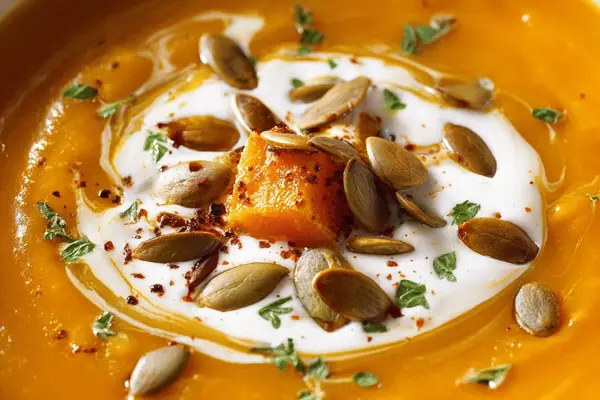
Sweet Potato Soup with Turmeric Ginger
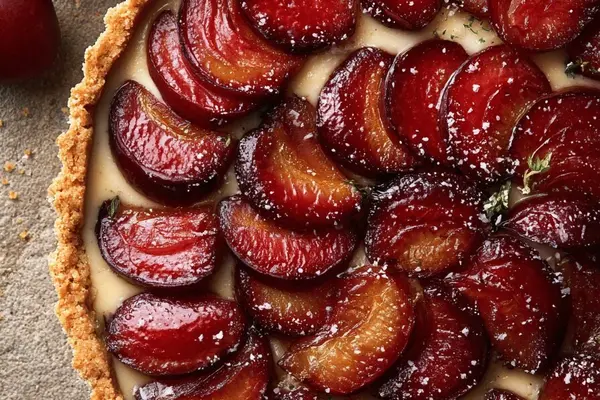
Cinnamon Plum Tart with Custard Cream

Mint Mojito Twist with Tequila & Lime
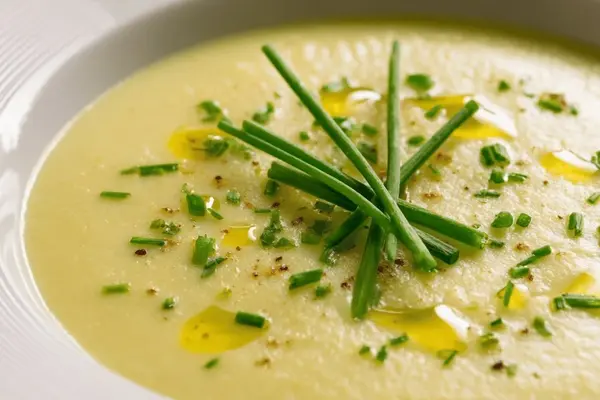
Vegetable Soup With Zucchini and Potato
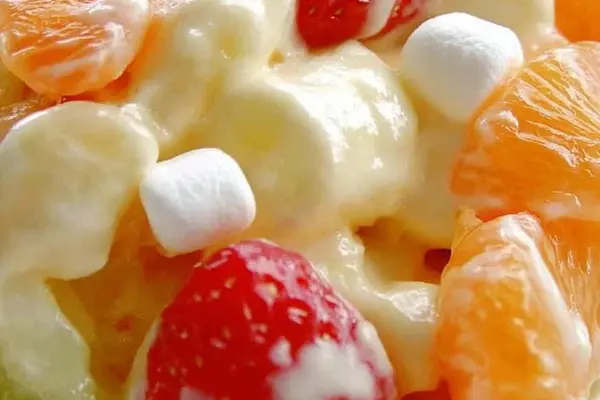
Ambrosia Salad with Sour Cream Recipe
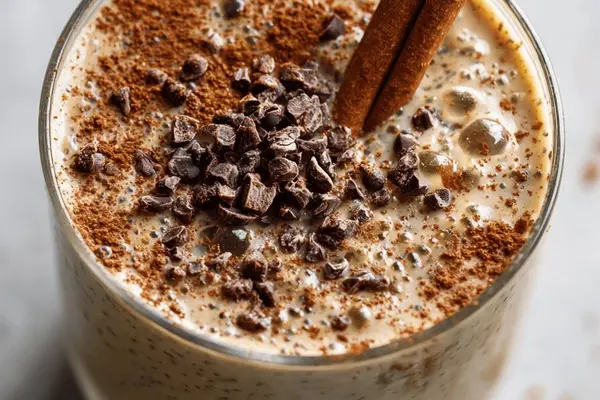
Avocado Banana Cocoa Smoothie Recipe

White Wine Cocktail with Vodka & Citrus
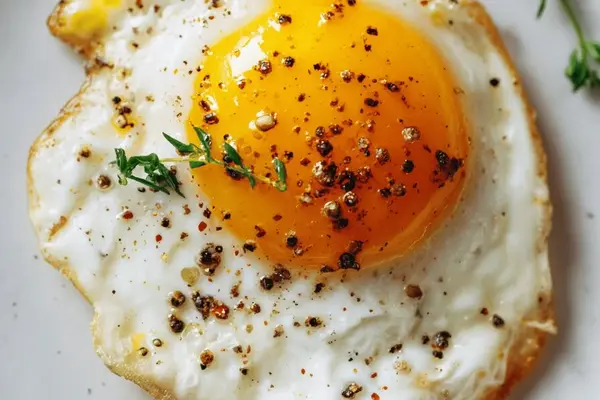
Sunny Side Up Eggs with Olive Oil
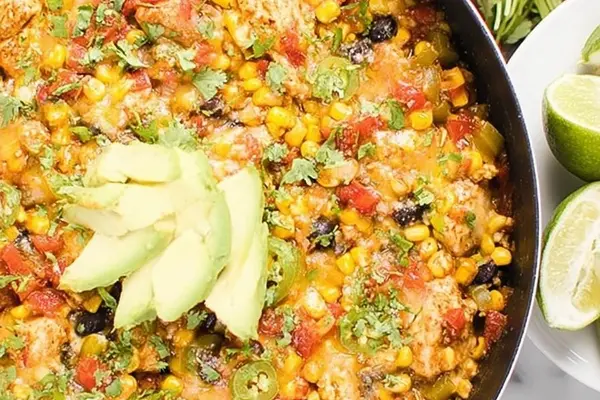
Chicken Fried Rice with Bell Peppers
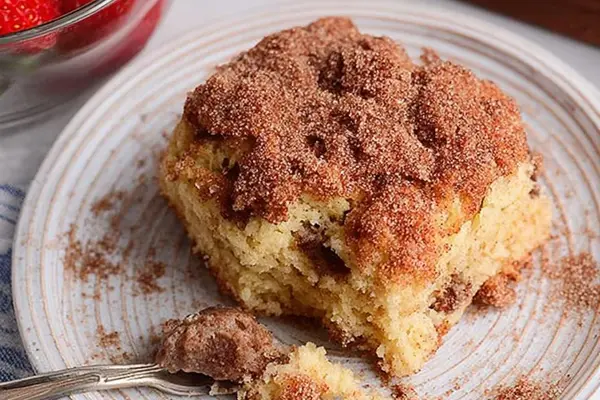
Cinnamon Sugar Biscuits with Almond Milk
Raspberry Cream Spread with Coconut Oil
Celery Cheese Shooters with Cheddar & Walnuts
Maple Glazed Tofu with Crispy Cornstarch
Lemon Cookies with Mirror Glaze Recipe
Grilled Chicken Salad with Rapini
Marble Cheesecake with Chocolate Swirl