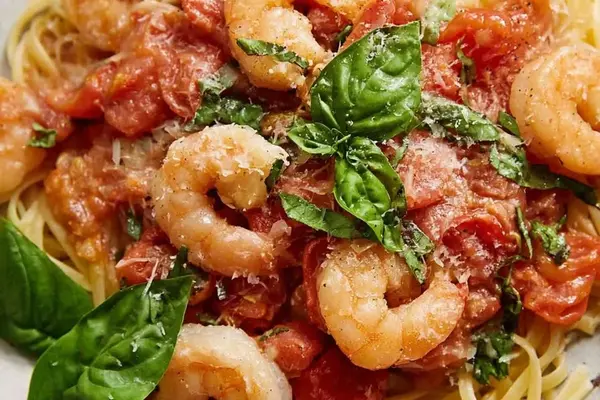
Shrimp Scampi with Garlic, Fennel & Tomatoes
E
By Emma
Certified Culinary Professional
•
Recipe tested & approved
Shrimp scampi with garlic, fennel seeds, onions, and diced tomatoes finished with fresh basil. Quick 30-minute Italian seafood dish that’s perfect for weeknight dinners.
Prep:
10 min
Cook:
19 min
Total:
29 min
Servings:
4 servings
Heat the skillet. Watch the oil shimmer—not smoke. That’s when it’s ready. Onions go in first, and you’re looking for soft, not brown. Three or four minutes, maybe five if your burner runs cool. Garlic and fennel seeds after that. Listen for the quiet pop. That sound means you’re doing it right.
Why You’ll Love This Shrimp Scampi
29 minutes total. Sounds impossible until you actually make it. Shrimp and pasta recipes usually mean juggling two pans. This one uses one skillet for the whole shrimp scampi dish—pasta cooks separate but the sauce is done before you finish draining it. Works cold the next day. Weird, but it does. Tastes even better somehow. Cleanup isn’t nothing, but one pan beats four. One towel dries it all. Italian food that doesn’t need cream or butter or anything fancy. Just olive oil, garlic, fennel, shrimp. That’s it. And yet it tastes like you knew what you were doing.
What You Need for Shrimp Scampi
Olive oil. Three tablespoons. Not vegetable oil. Olive oil actually matters here—the flavor shows. Yellow onion. One medium. Chop it rough. Size doesn’t matter as much as softening it. Four garlic cloves, minced. Not a paste. Actual pieces. They toast different that way. Fennel seeds. A teaspoon. Whole seeds. Ground fennel tastes like nothing. Toast these yourself—changes everything. One pound of shrimp. Peeled and deveined already. Frozen works fine, thaw first. Don’t buy the pre-cooked kind unless you hate yourself. Salt. A teaspoon sprinkled over the shrimp. Kosher salt if you have it. Regular salt works too but hits different. Diced tomatoes. One 14-ounce can. Drain them first—the liquid waters down your sauce. Fire-roasted ones add smoke. Try that next time. Fresh basil. One cup of leaves, hand torn. Not blended. Not chopped. Hands. The bruise matters less than people say but it still matters. Red pepper flakes. Just a pinch if you want heat. Optional. Doesn’t change the whole dish but shifts the mood.
How to Make Shrimp Scampi
Get your skillet hot. Medium heat. Pour in three tablespoons of olive oil and wait. You’re watching for the faintest shimmer across the surface—not aggressively hot, not cold, just awake. Smell it. Should be clean and warm, no burnt edge.
Onion goes in now. Chop it roughly and dump it in. Stir every ten seconds or so. Don’t walk away. You’re not browning it—you’re coaxing it soft. Three minutes, maybe four. The edges turn translucent first, then the middle goes soft, and the whole thing smells sweet and mild. That’s done. No color. No brown. Just soft.
Garlic and fennel seeds. Mince the garlic fine and measure out the teaspoon of fennel. Both go in together. Stir immediately. You’ll hear it right away—the garlic hits the heat and starts to sizzle quiet and gentle. The fennel seeds pop. Tiny little pops. Keep stirring. Two minutes maybe three. Don’t let it go longer or the garlic burns and ruins the whole thing. Burnt garlic is bitter and mean. You’ll know it the second it happens because the smell changes. If that occurs, start over. It happens to everyone.
Shrimp comes next. Spread it in one layer. Sprinkle salt over the whole thing evenly. Let it sit. One minute maybe two. Don’t touch it. The bottom side sears slightly, develops a tiny bit of color. Then stir. The pink starts showing at the edges right away. The bodies curl a little. Keep going. Three to four minutes total and they’re opaque all the way through. Overcooked shrimp gets rubbery and bounces around the pan like rubber. Not worth it. Pull them out too early and the center stays translucent, which is also not great. You’re looking for fully opaque, still tender, still moving easy when you stir.
Tomatoes come in now. But first—drain them. Drain them hard. Press them against the colander. That liquid is mostly water and will make your sauce thin and sad. Add the drained tomatoes to the pan. Toss everything together. Heat it through. The shrimp and tomatoes should mingle for about three to four minutes. The sauce thickens a bit. Everything gets warm. Done.
Kill the heat. Tear basil with your hands—like you’re ripping a piece of paper. Toss it all in. The basil wilts from the residual heat. Instant. The aroma goes from good to amazing. Serve immediately. Basil gets dull and dark if you let it sit hot or if you reheat it later. Fresh basil is fresh for about five minutes. After that it’s still edible but it’s not the same thing.
How to Get Shrimp Scampi Perfect
The oil temperature is half the battle. Too cold and everything steams instead of sears. Too hot and your onions blacken before they soften. Medium heat is right. If you have a burner that runs aggressive, go lower. If it runs cool, go higher. You learn this by watching, not by trusting the dial.
Fennel seeds matter more than they seem to. That warm, slightly sweet, slightly licorice note—that’s what makes shrimp scampi taste like shrimp scampi and not just shrimp and tomato. Don’t skip it. Don’t substitute dried basil or oregano. They do something totally different.
One layer for the shrimp. Crowded pan means steaming. Steamed shrimp tastes like sadness. One layer. You’ll need the pan space. If you’re cooking for more than four people, make this twice instead of doubling it in one pan.
Drained tomatoes—this is where people fail. They dump the whole can in, liquid and all, and wonder why the sauce tastes thin and watery. Press them. Drain them. The juice goes down the sink. Canned fire-roasted tomatoes add a whole dimension if you’re feeling fancy. Swap them in. Smokier. Deeper. Same process though. Drain first.
Basil at the end. Not during. If you cook it, it browns and tastes like hay. Add it off heat. Let the residual warmth just barely wilt it. It stays bright that way. Serve immediately. Don’t let it sit in the hot pan or you’re just slowly cooking it into dullness.
Pasta cooks separately. Linguine works. Spaghetti works. Pappardelle if you want wide and soft. Cook it in salted water. Reserve about a cup of the cooking water before you drain it. When you’re ready to plate, add a splash of that starchy water to your sauce. It loosens everything up. Helps the shrimp scampi sauce cling to the pasta instead of pooling at the bottom. This is the move pros use.
Shrimp Scampi Tips and Common Mistakes
Frozen shrimp works fine as long as you thaw it first. Dump it in a colander and run cold water over it for five minutes. Or leave it in the fridge overnight. Both work. Don’t thaw it in hot water—it starts cooking.
Pre-cooked shrimp won’t work here. It’s already cooked and it’ll turn into rubber the second you heat it again. You need raw shrimp. Thawed frozen raw shrimp is perfect.
Red pepper flakes are optional but they shift the whole thing. Not a lot—a pinch. A quarter teaspoon maybe. It doesn’t make it spicy. It just wakes it up. Try it next time if you want.
Celery instead of onion works if your onions are old or you just don’t have any. Celery softens different and tastes different but it’s not wrong. Less sweet. More grassy. Different meal but still good.
Can’t find fresh basil? You’re stuck. Dried basil doesn’t work here. Dried basil tastes like nothing anyway. If you don’t have fresh, use a tiny bit of parsley instead. Not the same but better than nothing.
Shrimp Scampi with Garlic, Fennel & Tomatoes
Prep:
10 min
Cook:
19 min
Total:
29 min
Servings:
4 servings
Ingredients
- 3 tablespoons olive oil
- 1 medium yellow onion, chopped
- 4 cloves garlic, minced
- 1 teaspoon whole fennel seeds
- 1 pound shrimp, peeled and deveined
- 1 teaspoon salt
- 1 (14-ounce) can diced tomatoes, drained
- 1 cup fresh basil leaves, hand torn
- Substitution example: Use canned fire-roasted tomatoes for smokier punch; celery may replace onions if pungency preferred
- Add twist: pinch red pepper flakes for heat
Method
- 1 Heat olive oil in a large wide skillet over medium heat; heat until fragrant, slight shimmer on surface but no smoke
- 2 Add chopped onion, stir often; softening edges and sweet aromas signal nearly done, about 3-4 minutes — no burn, no brown exactly, just softened translucency
- 3 Toss in garlic and whole fennel seeds; hear garlic sizzle gently, seeds start to pop quietly—stir constantly for even toasting, around 2-3 minutes; burnt garlic ruins whole dish—watch carefully
- 4 Slide shrimp in with salt sprinkled over evenly; spread in one layer, let them sit undisturbed 1-2 minutes to develop slight sear color, then stir; pink should appear along edges, bodies start curling but stay tender; total about 3-4 minutes; overcooked shrimp become rubbery and shout disaster
- 5 Drain tomatoes well—liquid waters down sauce, so pressing or straining advised. Add to pan, toss shrimp and tomatoes together; heat through, shrimp fully opaque now, sauce thickens slightly; total 3-4 minutes; fresh tomatoes don’t swap in without draining unless simmering longer to reduce excess watery-ness
- 6 Tear basil with hands to avoid bruising and scattered small black spots; toss all in skillet off heat; basil wilts gently from residual warmth, boosts aroma instantly; serve immediately—heat drains basil if left too long or reheated causing dull taste
- 7 Bonus tip: Pasta cooks separately, reserve some cooking water to loosen sauce as needed; stir pasta into pan before basil for melded layers of flavor
- 8 Cleanup trick: Use skillet heat leftover to toast fennel again with crushed crackers for an instant crunchy snack
Nutritional information
Calories
320
Protein
35g
Carbs
8g
Fat
14g
Frequently Asked Questions About Shrimp Scampi
Can I use frozen shrimp? Yeah. Thaw it first. Cold water, five minutes. Don’t nuke it. Just let it sit under cold running water and it’ll thaw fine.
How do I know when the shrimp is done? Opaque all the way through. Pink on the outside but still slightly translucent in the center means another minute. Fully white and opaque means it’s done. After that it gets tough.
What if I overcook the shrimp? You already made a mistake. But it happens. Eat it anyway. Next time pull it off heat one minute earlier than you think you should.
Can I make this with fettuccine alfredo instead? No. Different dish. Different sauce. Alfredo and shrimp is its own thing—cream-based, rich, heavier. This is tomato-based and light. Not interchangeable.
Should I drain the canned tomatoes? Yes. Every time. The liquid makes the sauce thin. Press them against the colander. Get the liquid out.
What pasta do I use? Long, thin pasta works best. Linguine. Spaghetti. Fettuccine if you want something that holds the sauce different. Doesn’t really matter as long as it’s not something chunky like rigatoni.
Can I add cream to make it richer? You could. But that’s not what this dish is. This is a light, bright shrimp pasta dish. Cream makes it heavy. If you want heavy and creamy, make alfredo. Don’t force this one to be something it’s not.
How long does this keep in the fridge? Three, maybe four days. Tastes fine cold the next day. Reheating makes the basil go dark and sad, so add fresh basil after you reheat if you’re doing that.
Can I use fresh tomatoes instead of canned? Fresh tomatoes are more watery. You’d need to simmer them longer to reduce the liquid and concentrate the flavor. Canned already has less water. If you use fresh, give it five to seven minutes instead of three to four.
Do I need a wide skillet? It helps because you need room to spread the shrimp out. A regular skillet works but you might need to crowd them slightly. Not ideal but it’ll still work.
You’ll Love These Too
Explore all →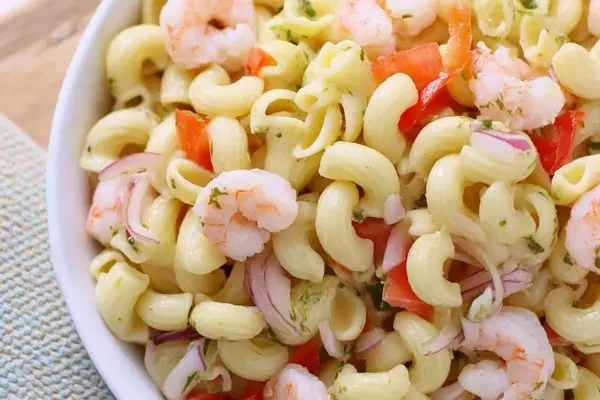
Pasta Salad With Shrimp and Lemon
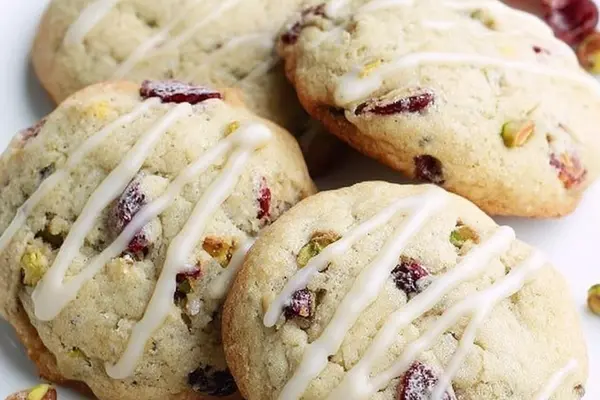
Cranberry And Pistachio Shortbread
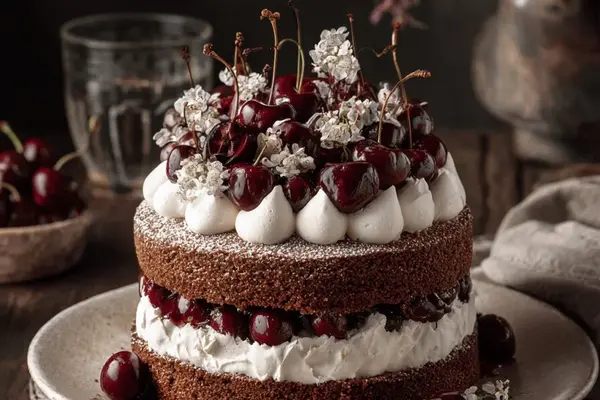
Simplified Black Forest Cake with Griottes
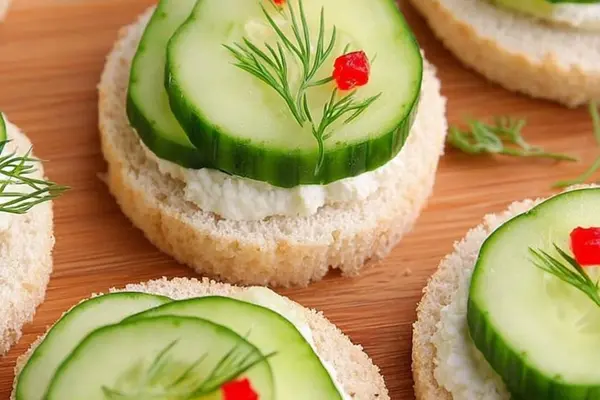
Cucumber Appetizers with Cream Cheese
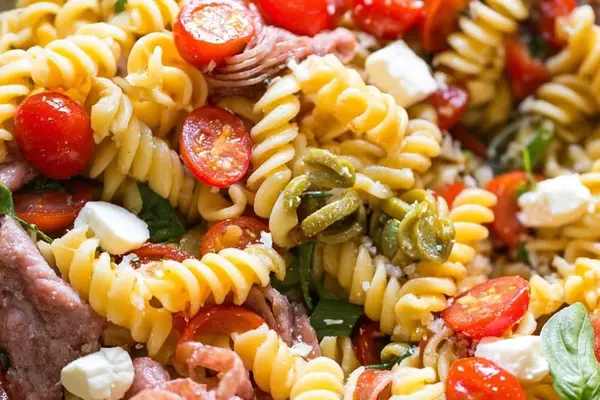
Pasta Salad with Smoked Turkey & Rotini

Melon Aloe Refresher with Lime & Mint
Beer Battered Onion Rings with Pale Ale
Chicken Fried Rice with Bell Peppers
Chicken for Sandwich with BBQ Sauce
Asian Chicken Salad with Ginger Marinade
Shrimp Quiche with Leeks and Tarragon
Brie and Cheese Puff Pastry Bites
Peppermint Chocolate Shards with Candy Canes
Air Fryer Goat Cheese Salad with Kale
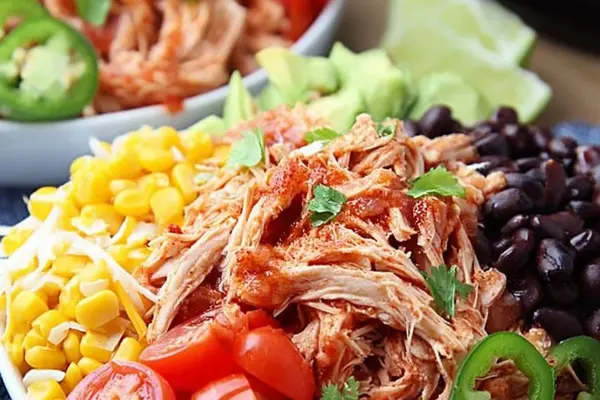
Instant Pot Salsa Chicken with Chipotle
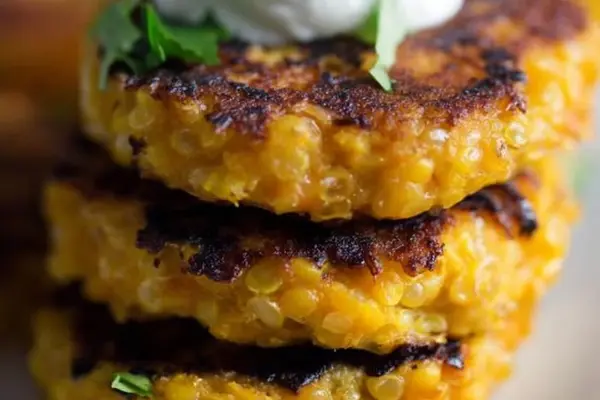
Butternut Squash Fritters with Couscous
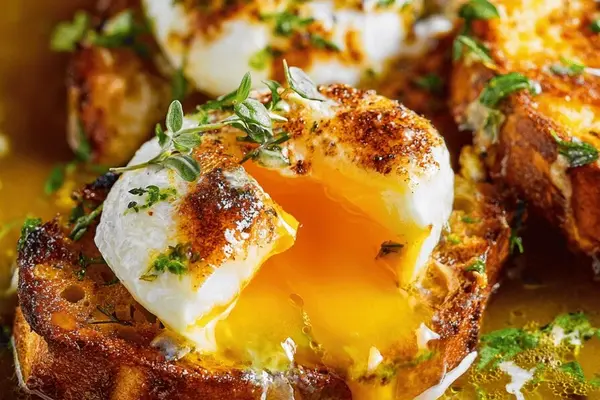
Olive Garden Bread Sticks with Garlic & Cheese
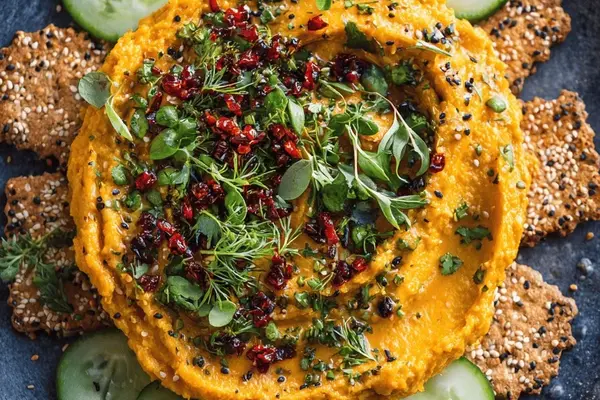
Pumpkin Parmesan Bites with Smoked Paprika
Rustic Bacon Potato Salad with Tarragon