Tuscan Turkey Slow-Cooked
E
By Emma
Certified Culinary Professional
•
Recipe tested & approved
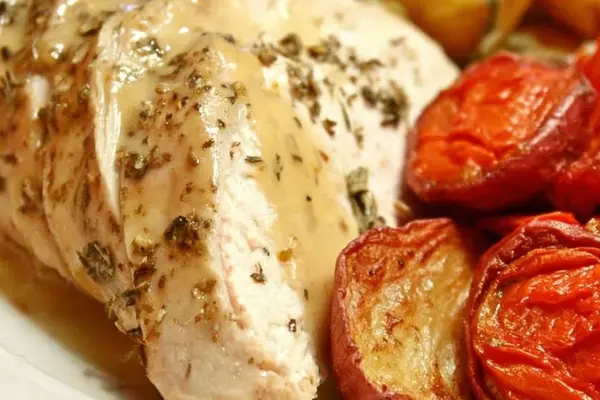
A slow-cooked turkey breast braised with roasted onions, garlic, celery and Tuscan broth. Served alongside roasted red potatoes seasoned with Parmesan and herbs. Baby carrots join late for sweetness and texture. Cooking times approximate; trust aromas and color. The broth can be strained and simmered down for gravy. Roasting onions and garlic first boosts depth and softens sharp edges. Potatoes get a two-stage roast for crisp edges and tender insides. A twist - swap celery for fennel for an anise aroma. Timing and texture cues are key; avoid mushy carrots or dry turkey. Easy to tweak, forgiving but sensory awareness critical.
Prep:
15 min
Cook:
5h 50min
Total:
6h 5min
Servings:
4 servings
#slow cooker
#Italian-American
#turkey breast
#roasted vegetables
#comfort food
Before You Start
Ever wrestled with dry turkey breast or bland sides? Tried roasting garlic and onions separately first? Gives the broth a deeper color and roasted sweetness; the kind that hits your nose before you even start eating. Slow cooker preserves moisture, but timing is everything. Low and slow usually, but high heat start seals in juices faster, learned that one the hard way. Potatoes? Roasting twice, flipping midway, locks in crispy edges without drying the center. Baby carrots thrown in late? Sweet relief after long slow cook. You’ll smell herbs deepen during roasting; thyme and rosemary bounce off your walls. With broth reduced after, the gravy tastes like soul food. Skipping the onion roasting means a greener broth. Buy good broth. Homemade’s best, or store-bought if spiked well with herbs. Trust your senses, not only your timer.
Ingredients
- 1 small onion, quartered
- 3 cloves garlic (one extra to replace one), peeled after roasting
- 2 tablespoons olive oil (divided)
- 1 turkey breast, boneless (approx 2-3 pounds)
- 2 stalks celery (substitute fennel bulb for twist), sliced
- 4 cups Tuscan style broth (Swanson Flavor Infused or homemade chicken broth with rosemary & sage)
- 1 1/2 cups baby carrots
- 8 small red potatoes, washed and halved lengthwise
- 1/4 cup grated Parmesan cheese
- 1 teaspoon dried rosemary
- 1 teaspoon dried thyme
- Salt and pepper, to taste
- Non-stick spray or a little oil for slow cooker
In The Same Category · Main Dishes
Explore all →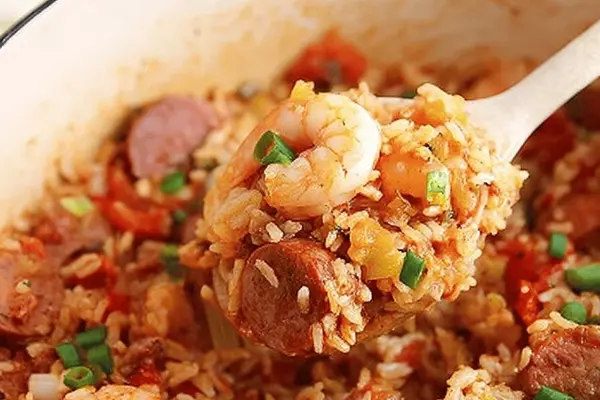
Sausage Shrimp Jambalaya

Broccoli Bacon Quiche Remix
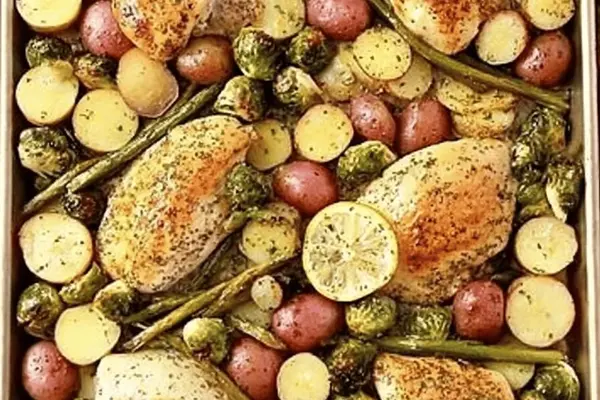
Sheet Pan Citrus Chicken
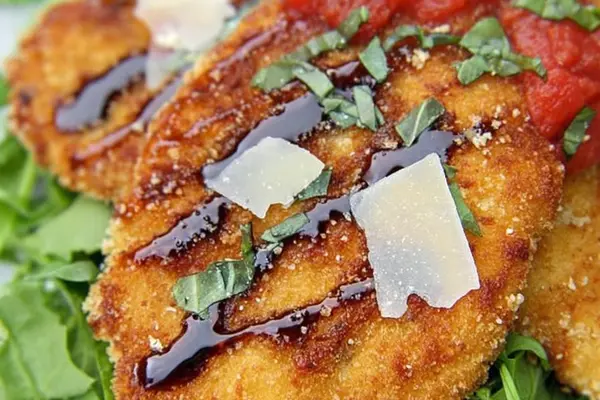
Garlic Roasted Tomatoes Chicken
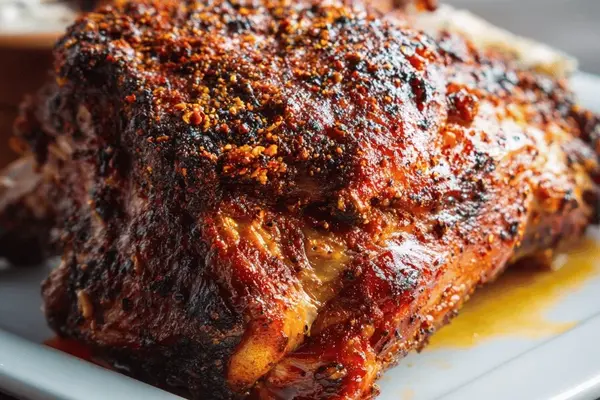
Dry-Rubbed Porc Méchoui
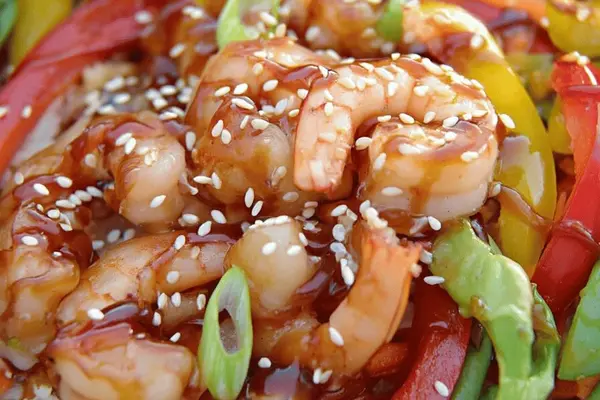
Twisted Teriyaki Shrimp Stir-fry
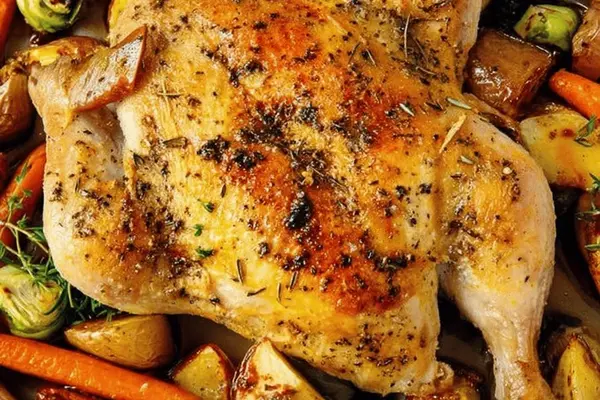
Herbed Spatchcock Chicken
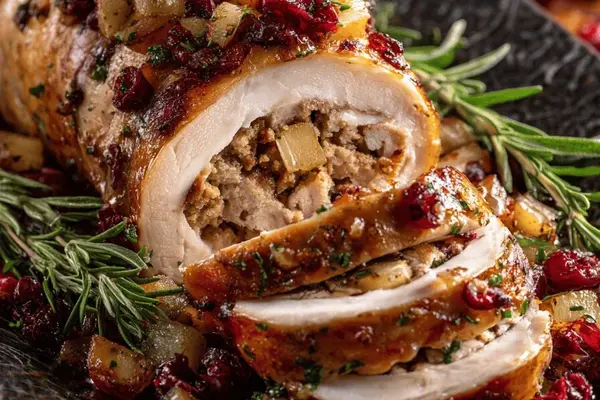
Turkey Roast Stuffed Pears
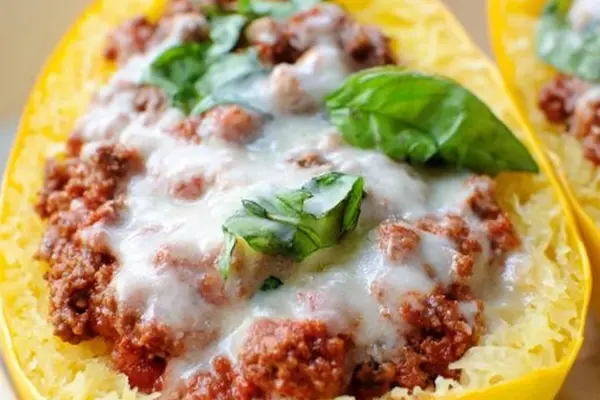
Lasagna Spaghetti Squash
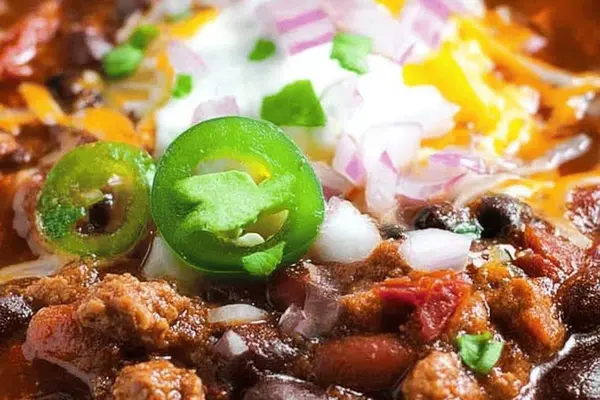
Slow Cooker Chili Twist
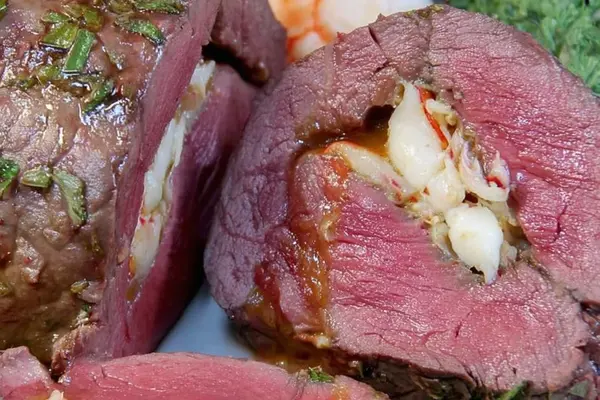
Crab-Stuffed Beef Tenderloin
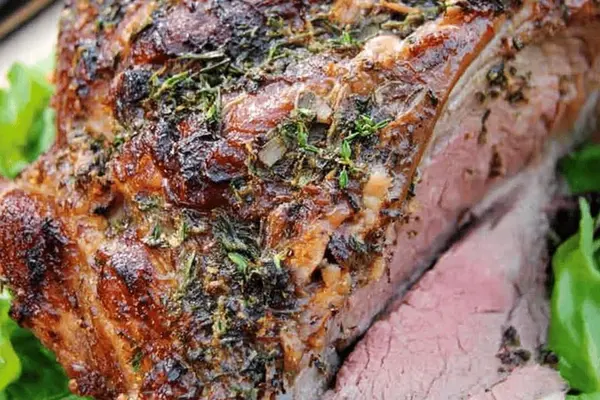
Roast Leg Lamb Twist
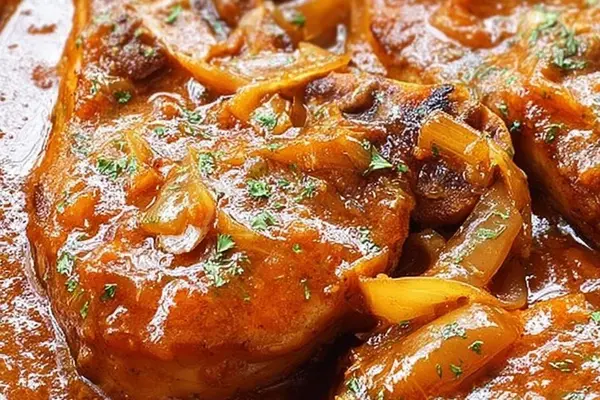
Slow Braised Pork Chops
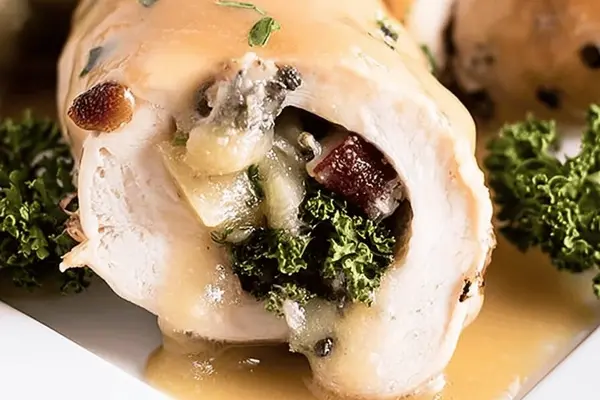
Spinach Pine Nut Chicken Rolls
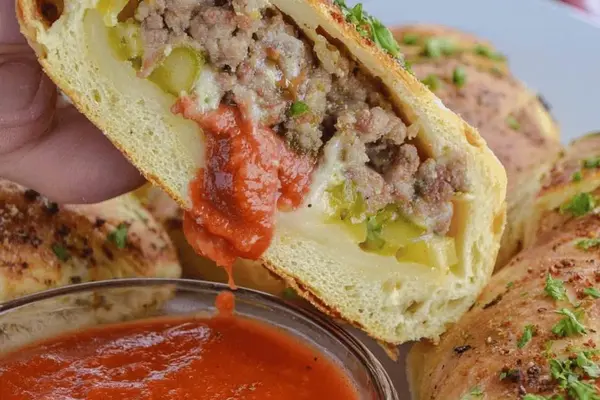
Peperoncini Sausage Stromboli
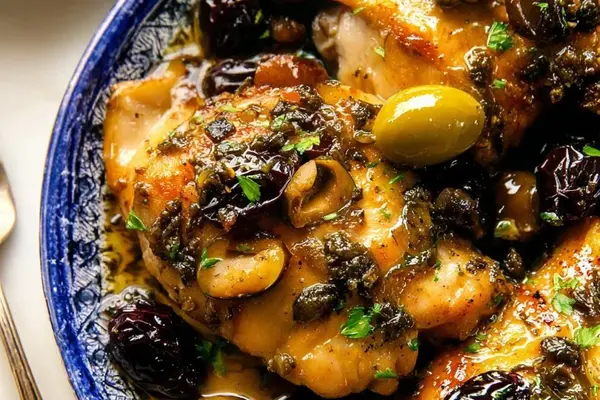
Chicken Marbella Remix
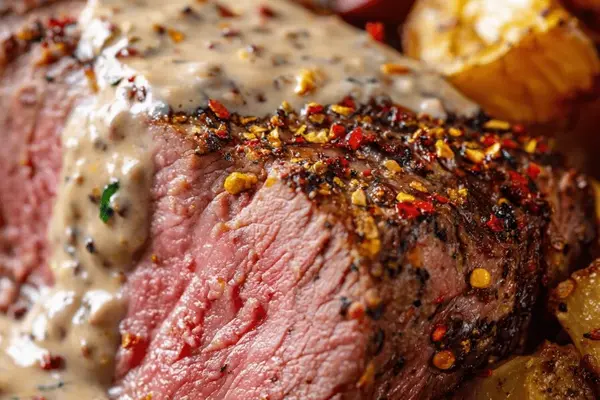
Grilled Sirloin Roast
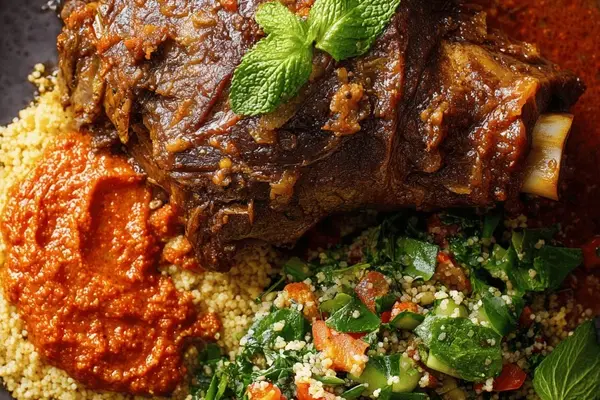
Mediterranean Lamb Leg Roast
Veal Sweetbread Five-Spice
Slow Cooker Beef Sauce
About the ingredients
Olive oil divided between roasting veggies and potatoes to keep flavors distinct; don’t over-oil or potatoes get soggy. Turkey breast weight affects cook time; 2 to 3 pounds ideal here. Replacing celery with fennel bulb gives an aromatic twist - licorice notes that can lift the broth’s heaviness. Parmesan on potatoes melts to a crunchy crust. If no Parmesan, substitute with finely grated Pecorino Romano or omit and increase herbs. Broth choice critical - Swanson Tuscan or herb-infused chicken broth recommended. Homemade stock with garlic, sage, thyme, and rosemary is gold if you’ve got time. Use non-stick spray or brush slow cooker with a little oil to prevent meat from sticking; turkey shreds if pulled off stuck surfaces. Baby carrots need to be whole, fresh - canned won’t hold texture. Red potatoes preferred for waxy texture, but Yukon Golds could work; avoid russets as they crumble easily.
Method
- Preheat oven to 480°. Line small baking sheet with foil; drizzle with 1 tablespoon olive oil. Toss quartered onion and 3 garlic cloves in oil; spread out. Roast 9 to 12 minutes until edges start browning and fragrance hits the kitchen. Pull out; let garlic cool slightly then peel. Flip onion pieces and garlic; roast another 9-11 minutes until browned and caramel spots appear. Appearance key here - golden but not mushy or burnt.
- While roasting, spray slow cooker pot lightly with non-stick spray or brush with a little olive oil. Lay turkey breast flat at the bottom, pat dry if wet. Layer roasted onions, peeled garlic cloves, and sliced celery (or fennel if using) evenly on top. Pour broth carefully over all until broth nearly covers turkey pieces. Cover and set cooker on high.
- High heat for 1 hour jumpstarts cooking and tenderizing. After 60 minutes, switch to low heat. Cook undisturbed for about 4 hours. The slow simmer softens fibers; turkey flesh should be tender but intact, not fibrous dry or stringy. Broth aroma will deepen. If broth looks low, add a splash of water or chicken broth.
- Around 4 hours mark, add baby carrots directly into the broth around the turkey. Crank slow cooker back to high for 55-65 minutes. Watch carrots - want tender with a bit of bite, not mushy. Visual clue: carrots should be vibrant but easily pierced with fork.
- While carrots cook, start potatoes. Oil same baking sheet with remaining 1 tablespoon olive oil. Halve red potatoes lengthwise - longer side down gives more surface area for crispy edges. Toss potatoes with Parmesan, rosemary, thyme, salt, and pepper so each half is evenly coated.
- Place potatoes cut side up in oven at 395°-400°. Roast 14-16 minutes until edges start to brown and smell nutty. Flip cut side down once; roast another 15-20 minutes till fork tender and crusted. Timing varies with size; prick with fork to check. Potatoes are done when skin is crisp and inside soft without falling apart.
- Once turkey and carrots are cooked, remove them gently with slotted spoon or tongs to avoid shredding meat. Strain broth through fine sieve into medium saucepan. This liquid is gold—simmer down over medium heat to concentrate flavors for gravy. Adjust thickness with cornstarch or flour slurry if desired.
- Let meat rest 5 minutes loosely covered; juices redistribute and texture improves. Plate turkey, carrots, and potatoes. Spoon a little warmed gravy over turkey and serve more on the side.
- Storage tip: Cool broth quickly to avoid cloudiness if saving. Potatoes reheat best in oven to keep crisp skin. Carrots can get mushy in microwave reheats — steam gently if needed.
- Note: Oven temps and times flex due to convection, pan material, and potato sizes. Always rely on visual cues and aroma more than clock. If skin on garlic resists peeling, roast a few more minutes until it softens fully; burnt bits bring bitterness. If turkey seems dry, add a splash of broth or drizzle melted butter before serving.
Cooking tips
Roasting onion and garlic first softens their bite and adds caramelized sugars to the broth; don’t rush or under-roast or flavor remains flat. Flip garlic carefully after initial roast to prevent burning one side. Slow cooker bursts into high heat for one hour to jumpstart collagen breakdown and bird browning in liquid. Lower heat to avoid drying the turkey; low and slow for 4 hours hydrates without overcooking. Add carrots late - they turn to mush when overcooked in slow cooker broth otherwise. Potatoes, roast at 400° in two stages; flipping is crucial to get even browning and fork tenderness without sogginess. Toss potatoes in herbs and Parmesan just before roasting so flavors bind during cook, not beforehand. Use visual check for doneness over relying on time strictly — potatoes emit nutty, toasted aroma when done. Turkey fully cooked when internal temperature hits 165°F but texture is the ultimate guide - tender flakes without dryness. Strained broth simmered down intensifies flavor and sauces the whole dish. Let turkey rest before slicing to lock juices; rushing leads to dry meat. Avoid opening slow cooker too often; temp dips reset cook time.
Chef's notes
- 💡 Roast onions and garlic separately first; caramelization adds depth but watch closely. Garlic skin softens after initial roast—peel carefully or bitter burnt bits sneak in. Flip onion and garlic during roasting; aim golden but no mush, edges slightly crisp.
- 💡 Start turkey high in slow cooker to jumpstart collagen breakdown, one hour only. Then low for several hours to hydrate and keep flesh tender. Avoid opening lid frequently; heat drops reset timing. Use non-stick spray or brush oil in cooker, turkey sticks shred easily when stuck.
- 💡 Add baby carrots late to avoid mushiness. Visual cue: carrots stay bright and pierce with fork but keep slight bite. If overcooked, they turn stringy and dull. Potatoes roast in two stages at 400 degrees; flip once between to get crisp skin and tender inside, prick to check softness.
- 💡 If celery aroma too dull, swap for fennel bulb for subtle licorice tone. Parmesan cheese melts on potatoes giving crunch; no cheese? Pecorino Romano okay or leave out - up herb quantities then. Broth type matters: homemade with herbs or herb-spiked store brand best to avoid flat flavor.
- 💡 Simmer broth strained from slow cooker down over medium heat to concentrate flavors before thickening for gravy. Cornstarch slurry or flour works; add slowly. Let turkey rest loosely covered; juices redistribute, texture firms but still tender. Slice after rest, not before.
Common questions
How to avoid dry turkey?
Start high heat then low to hydrate. Don’t open lid too often. Rest meat loosely 5 minutes post cook. Add broth or butter if seems dry. Cut after resting, never while hot.
Can I substitute fennel for celery?
Yes. Fennel adds anise aroma, changes broth profile. If no fennel, use celery as base. Both sliced thin, spread evenly over turkey. Flavor impact notable but both work. Adjust herbs a bit if swapping.
What if potatoes get soggy?
Use red potatoes or Yukon Gold. Avoid russets; break apart fast. Roast on foil oiled well. Flip once midway. Roast at 400 degrees to crisp edges but don’t over soak in oil. Baking sheet size affects too, don’t overcrowd.
How to store leftovers?
Cool broth quickly or fridge clouds fast. Keep potatoes separate for crisp skin, reheat in oven only. Carrots can turn mushy heating microwave; steam gently instead. Turkey wrapped loosely in foil holds moisture but best eaten within two days.
You’ll Love These Too
Explore all →
Olive Oil Orange Rosemary Muffins
Peppermint Chocolate Brownies
Shrimp Tomato Spaghetti
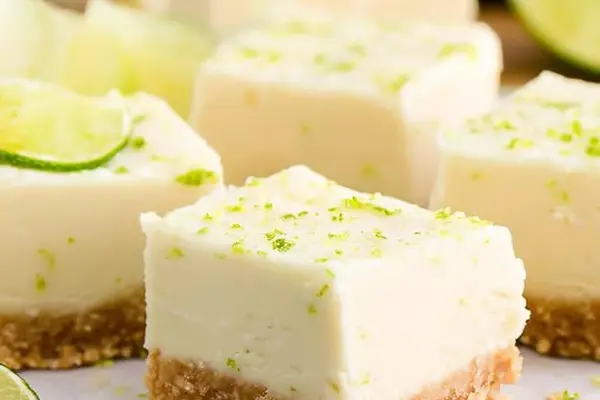
Zesty Lime Fudge
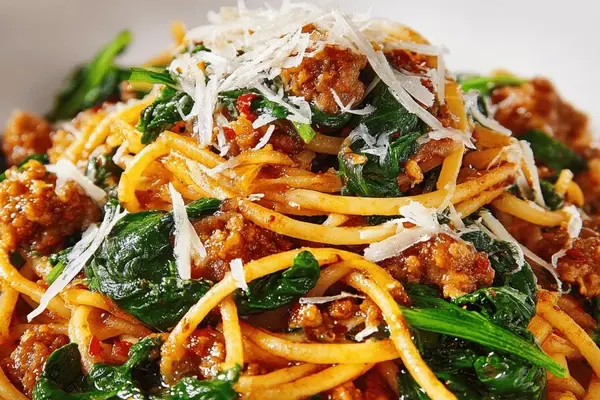
Spaghetti with Chorizo Spinach
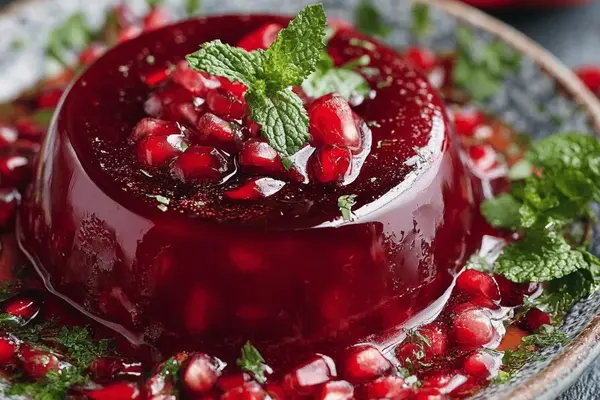
Pomegranate Ginger Jelly
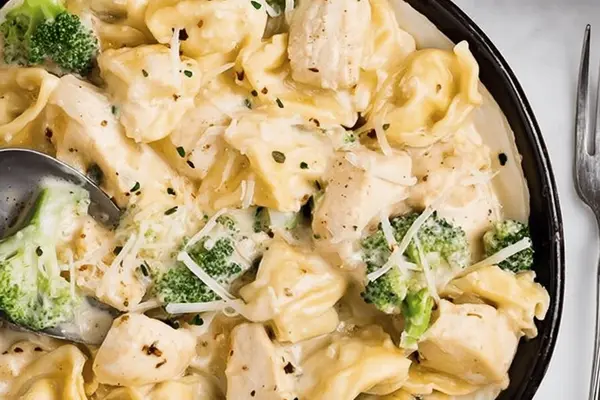
Chicken Broccoli Tortellini

Mango Lime Sorbet
Roasted Beet Salad Remix
Oven-Roasted Spaghetti Squash Twist
Chicken Prosciutto Piadina
Shrimp Pasta Salad Remix

Pierogi Kielbasa Bake
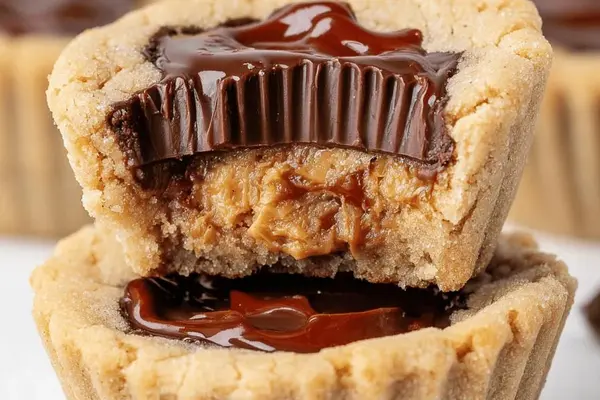
Peanut Butter Cup Cookies
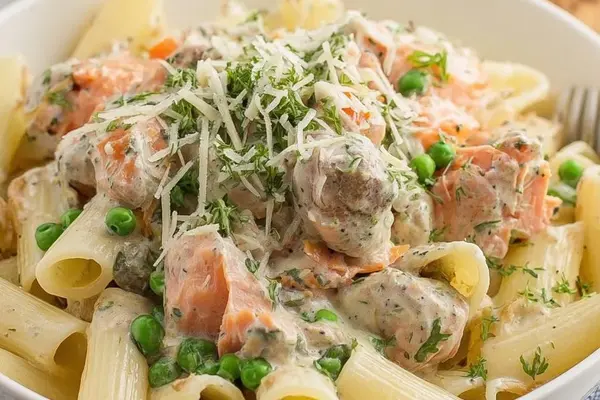
Smoked Salmon Rigatoni Cream

Layered Candy Corn Cookies
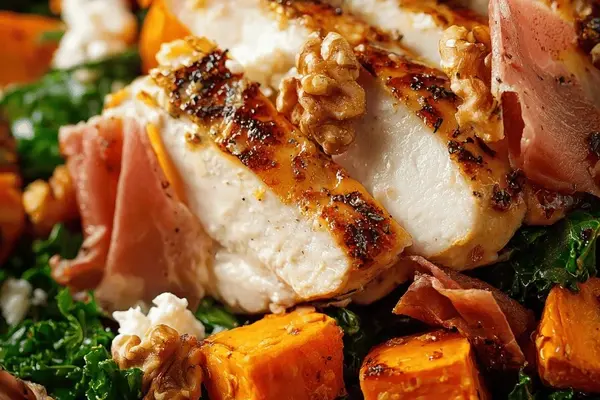
Warm Chicken and Sweet Potato Salad
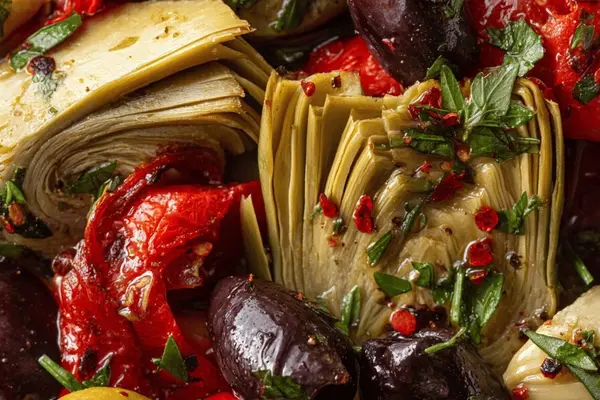
Spicy Tangy Antipasto
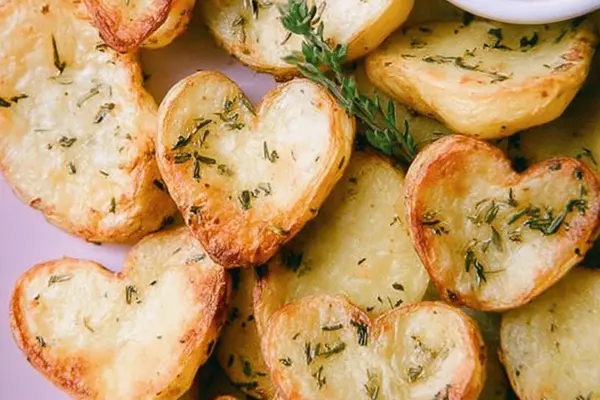
Heart Shaped Roasted Potatoes

Frozen Chocolate Chip Cookies