Snickerdoodle Recipe with White Chocolate Chips
By Emma
Certified Culinary Professional
·
Recipe tested & approved
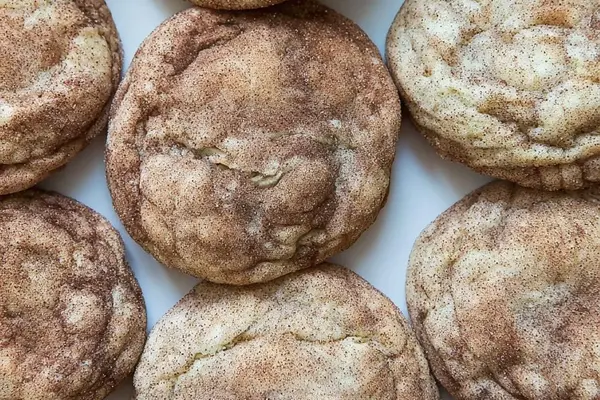
Roll them in cinnamon sugar. Bake till the edges set but the middle’s still soft. That’s the whole thing.
Why You’ll Love This Snickerdoodle Recipe
Takes 38 minutes total — 12 minutes of actual work, then the oven does it. Makes thick, chewy snickerdoodles with white chocolate inside instead of the usual nothing. The almond extract hits different. Not everyone catches it, but it’s there. Edges get this slight crackle, center stays basically liquid for like an hour after they cool. Easy enough that a beginner won’t mess it up. Hard enough that it actually tastes like you tried.
What You Need for Snickerdoodle Cookies
All-purpose flour and cake flour mixed together — the cake flour keeps them tender, don’t skip it. Baking soda and powder, but just barely. A lot of cinnamon goes into the dough, then more on the outside. Cornstarch sounds weird. Does something. Salt. Cold butter cut into cubes — the cold part matters. Light brown sugar, regular sugar. One egg plus an extra yolk, which makes them richer. Almond extract, a half teaspoon. White chocolate chips. Cinnamon sugar for rolling — one tablespoon cinnamon mixed with a quarter cup sugar.
That’s it. You probably have most of this.
How to Make Snickerdoodles
Heat the oven to 395. Dump all your flours in a bowl with the baking soda, baking powder, cinnamon, cornstarch, salt. Whisk it hard. Lumps kill the texture later. Just spend 30 seconds getting it smooth.
Drop cold butter cubes into a stand mixer with the paddle on. Low speed. Thirty seconds — you’re just waking it up, not creaming it yet. Don’t let it get warm. Add brown sugar, go another 30 seconds. Then white sugar, keep mixing until it goes pale and fluffy. Watch it. Overbeat and the butter melts and you’ve lost. Should look almost like wet sand that’s starting to stick together.
Crack the egg and yolk in. Add almond extract. Mix until it disappears into the butter. Stop here. Don’t overmix.
Turn it to low. Add the flour in four batches, sprinkling slowly. Mixing fast makes the dough stiff and weird. Slow and steady keeps it soft. Between batches, scrape the sides. After the flour’s in, fold in white chocolate chips by hand or pulse the mixer twice max — you want them whole, not crushed into powder.
How to Get Snickerdoodles Thick and Chewy
Weigh the dough into balls. Five point two ounces, five point five ounces. Big. Like a fist but don’t press them flat. They should stay as mounds. Roll each one hard in the cinnamon sugar. All sides, thick coat. Space them three inches apart on a lined sheet — they spread.
Bake nine to eleven minutes. Pull them when the edges look set but the center’s still shiny and wiggles slightly. Not dry. Not brown. The kitchen smells like cinnamon and almonds when it’s right. You’ll know.
Leave them on the hot sheet for 15 minutes. This is the secret. They finish cooking on the residual heat and actually get structure. Grab them too early and they fall apart. After 15 minutes, move them to a rack. Eat them warm after that, or wait an hour if you want more chew.
Snickerdoodle Tips and Common Mistakes
Don’t skip the cold butter step — room-temperature butter makes them cakey instead of chewy. The almond extract is subtle. You’re not trying to taste almonds. It just makes the cinnamon taste more like cinnamon. If edges overbake, drop to 390 next time or go 8.5 minutes instead. For gooey centers, aim for 8 minutes and watch the wobble. Dough’s fine to refrigerate for a few hours if you need to. Comes out even better when it’s chilled — bakes more evenly. White chocolate chips break easy. Pulse the mixer, don’t run it. Fold by hand if you’re nervous. The cinnamon sugar coat is thick on purpose. Don’t be shy.
Snickerdoodle Recipe with White Chocolate Chips
Prep:
12 min
Cook:
11 min
Total:
38 min
Servings:
6 large cookies
Ingredients
- 1 1/2 cups all-purpose flour
- 1 cup cake flour
- 3/4 teaspoon baking soda
- 1/4 teaspoon baking powder
- 1 1/2 teaspoons cinnamon
- 1 tablespoon cornstarch
- 1/4 teaspoon salt
- 12 tablespoons cold unsalted butter, cut into cubes
- 1/3 cup packed light brown sugar
- 1/2 cup granulated sugar
- 1 large egg plus 1 egg yolk
- 1/2 teaspoon almond extract
- 1 cup white chocolate chips
- cinnamon sugar mixture for rolling cookies (1/4 cup granulated sugar mixed with 1 tablespoon cinnamon)
Method
- 1 Preheat oven to 395°F. Mix all flours, baking soda, baking powder, cinnamon, cornstarch and salt in a large bowl. Whisk vigorously to combine well; no lumps.
- 2 Fit stand mixer with paddle attachment. Drop in cold butter cubes, set speed to 'stir' or lowest setting. Cream butter 30 seconds—don’t rush, just soften, not melty.
- 3 Add brown sugar, mix another 30 seconds. Follow immediately with white sugar, continuing 30-40 seconds or until mixture lightens and turns fluffy, pale. Watch texture—don’t overbeat or butter melts.
- 4 Crack in whole egg and extra yolk plus almond extract. Blend just until incorporated. No rubber spatula rescue if butter chunks latch onto paddle. Stop and scrape them back in to avoid inconsistency.
- 5 Slowly, with mixer on low, add flour mixture in four parts. Don’t dump; sprinkle gradually. Helps keep dough soft but holds shape. Mixing too fast stiffens dough.
- 6 Fold in white chocolate chips by hand or pulse mixer once or twice max. Avoid breaking chips.
- 7 Weigh out dough balls around 5.2 to 5.5 ounces each. Large, thick mounds, near fist size but don’t flatten. Roll generously in cinnamon sugar mix; coat all sides well. Place on lined baking sheet, spaced at least 3 inches apart.
- 8 Bake 9 to 11 minutes. Pull when edges are set but center still jiggly and shiny—not dry looking. The kitchen should smell warmly of cinnamon and almonds. Slight crackle on surface, no deep brown spots.
- 9 Cool on baking sheet 15 minutes. Cookies finish setting this way; don’t grab too soon or they collapse. Then transfer to wire rack till fully cool. Eat warm after 15 minutes or wait an hour for better chew.
- 10 If cookie edges overbake, next time reduce oven to 390°F or trim bake to 8.5 minutes. For gooey centers, go closer to 8 minutes and watch wobble closely.
Nutritional information
Calories
380
Protein
4g
Carbs
45g
Fat
22g
Frequently Asked Questions About Snickerdoodle Cookie Recipe
Can I use regular butter instead of unsalted? No. Salted butter throws off the sugar ratio. Plus you can’t control how much salt hits. Just use unsalted — it’s cheaper anyway.
Why do you use both all-purpose and cake flour? Cake flour is softer. All-purpose is the structure. Together they make cookies that don’t spread into a thin sheet and don’t stay dense. All one or the other doesn’t work the same.
What if I don’t have almond extract? Then don’t add it. The cookies still work fine. It’s just a subtle thing that makes cinnamon pop more. Not essential.
Can I freeze the dough? Yeah. Roll the balls, coat them in cinnamon sugar, freeze on a sheet, then throw in a bag. Bake from frozen, maybe add a minute to the time. Actually bakes more evenly that way.
Why is the center still jiggly when I pull them out? That’s right. It hardens as it cools on the sheet. If you think they’re done because the center looks solid, you overbaked them. Jiggly means you got it.
Should I use melted or softened butter? Cold, cut into cubes. Creamed on low. If it’s melted or even too warm, you get cakey cookies with no chew. The cold matters.
You’ll Love These Too
Explore all →
Grilled Pork Chops with Wild Rice & Sesame

Orange Cinnamon Rolls with Heavy Cream
Caramel For Taffy Apples Dip Recipe
Mashed Sweet Potatoes with Orange Cream

White Sangria Recipe with Strawberry & Pineapple
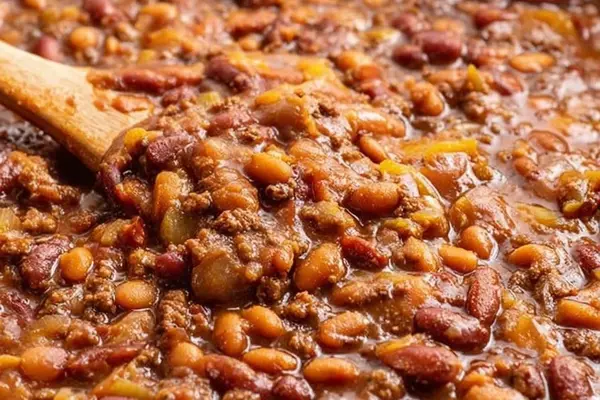
Baked Beans with Ground Beef and Bacon

Beef Stew Recipe with Red Wine & Root Vegetables

Chicken Pasta with Turmeric and Preserved Lemon
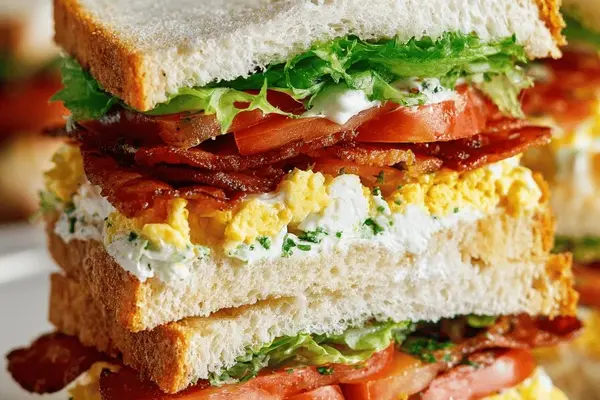
Club Sandwich with Bacon, Eggs & Tomato

Crispy Battered Fish with Honey Dijon

Vegetable Broth Recipe with Smoked Paprika

Paloma Beverage Recipe with Grapefruit
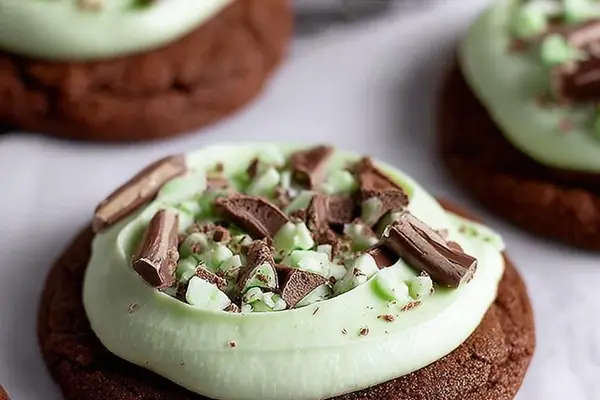
Andes Mint Chocolate Cookies Recipe

Orange Mousse with Dark Chocolate

Homemade Pie Shell Recipe with Custard

Chocolate Chip Cookie Recipe with Cake Mix
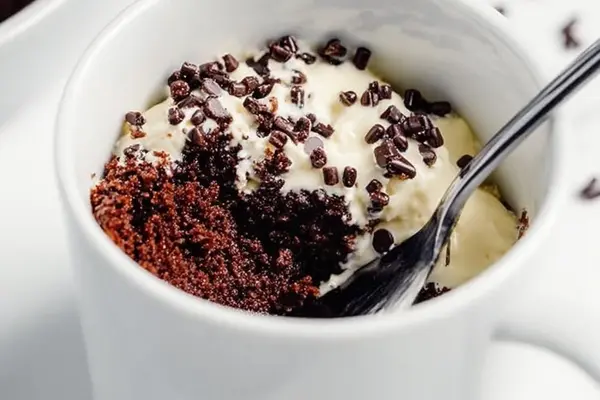
Microwave Chocolate Mug Cake Recipe

Easy Weeknight Pizza Casserole
Almond White Hot Cocoa Recipe