Twisted Beef Enchiladas
E
By Emma
Certified Culinary Professional
•
Recipe tested & approved
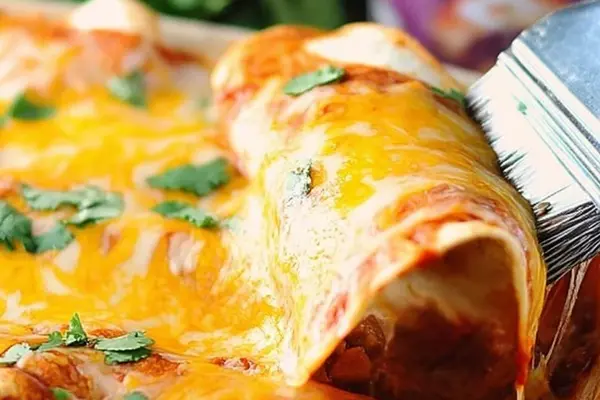
Ground beef browned, drained, mixed with chili verde salsa for a zesty spin. Corn tortillas warmed to pliability. Enchilada sauce swapped for green chile sauce; layered, rolled, topped with cotija cheese instead of cheddar. Covered tightly, baked until bubbling with golden cheese crust. Easy 8 servings, about 55 minutes total. Notes on fat drainage, tortilla warming, alarm signs during baking, and cheese melt cues included.
Prep:
25 min
Cook:
40 min
Total:
65 min
Servings:
8 servings
#Mexican American
#enchiladas
#beef recipes
#baking
#easy meals
#green chile
#cheese toppings
Before You Start
Chopped beef sizzling in a skillet, fat crackling, that gradual transformation from raw to browned: that smell is a promise. Swapping out plain salsa for green chile salsa lifts this dish into an altogether sharper territory—gritty, grassy, and fresh. After some trial, red sauce seems heavy here, green chile enchilada sauce works better—lighter, tangier, with a slight kick. Cotija cheese? I’ve ditched the usual cheddar or mozzarella; it crumbles with a crumbly salt punch. Rolling tortillas is a test of timing—warm but not floppy. This dance leads to enchiladas that hold their shape, soak sauce without sogging. Baking wrapped in foil traps steam yet stops cheese blowouts and drying. Resting is underrated here—crucial for cutting without collapse. This combo embraces shortcuts but demands respect for heat and texture shifts. Little wins add up.
Ingredients
- 1 lb ground beef
- 1 1/4 cups green chile salsa (substituting original salsa)
- 9 to 12 corn tortillas (warmed)
- 2 cups green chile enchilada sauce (instead of red enchilada)
- 2 cups crumbled cotija cheese (swap sharp cheddar)
- nonstick cooking spray
In The Same Category · Main Dishes
Explore all →
Skinny Sausage Shrimp Jambalaya
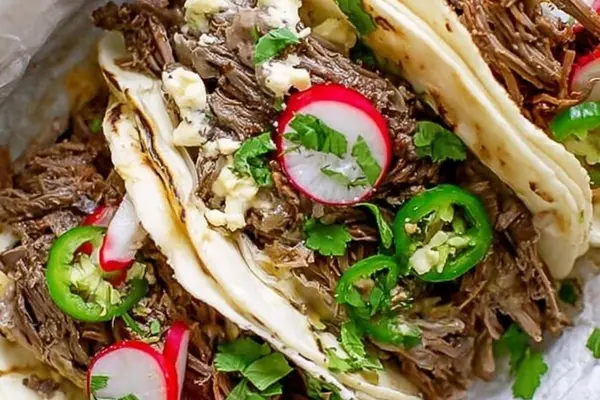
Slow Cooker Barbacoa Tacos
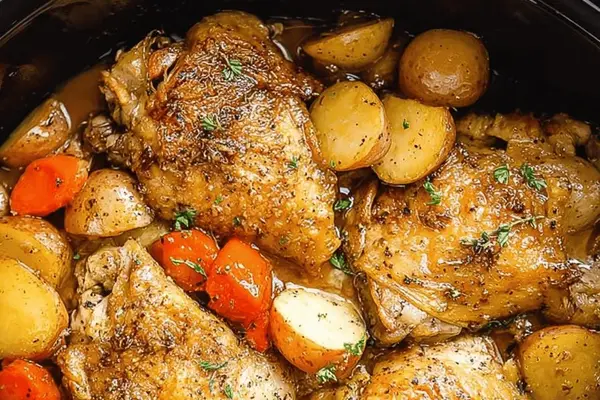
Slow Cooker Chicken Thighs
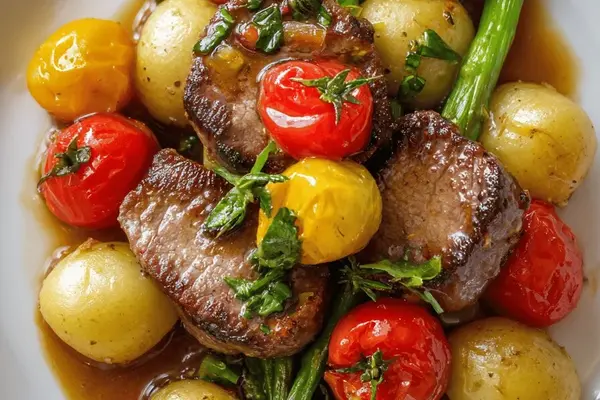
Veal Medallions With Fresh Tomatoes
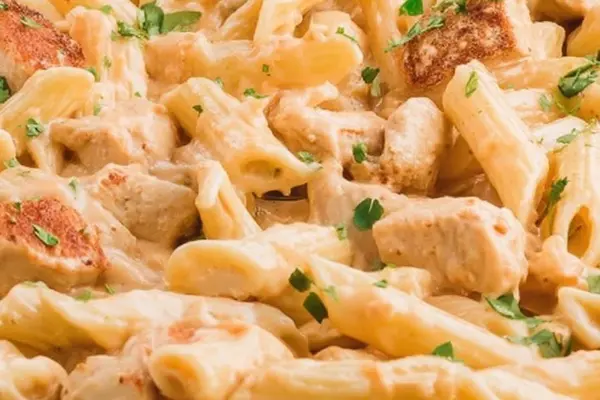
Spicy Creamy Chicken Penne
Salsa Chicken Bake
Cheesy Salsa Chicken Rice
Herbed Pork Beef Skewers
Peperoncini Sausage Stromboli
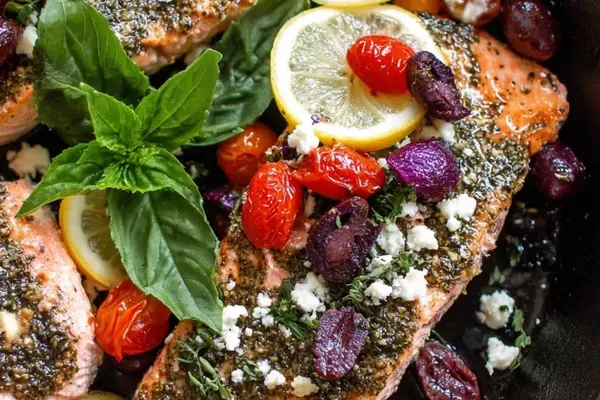
Zesty Mediterranean Salmon
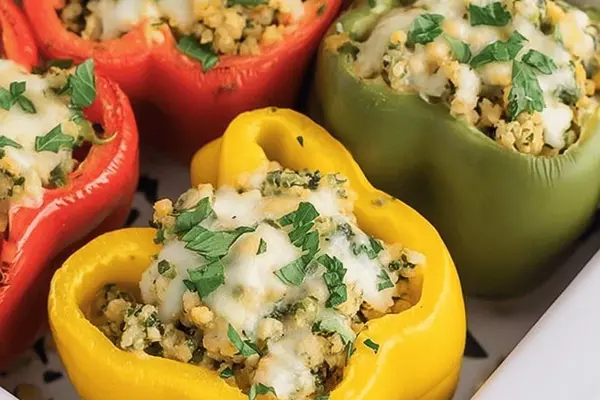
Turkey Cannellini Stuffed Peppers
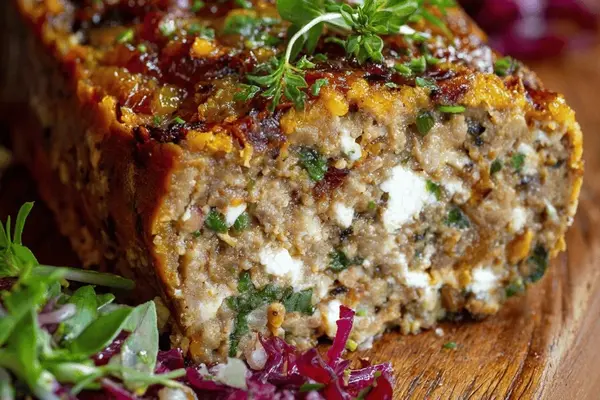
Rustic Meat Pâté
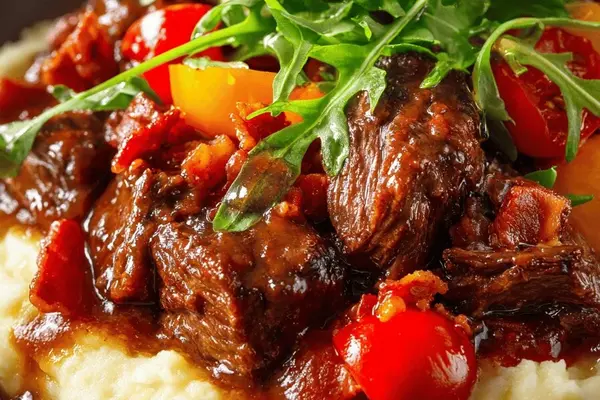
Braised Beef with Peppers and Cherry Tomatoes
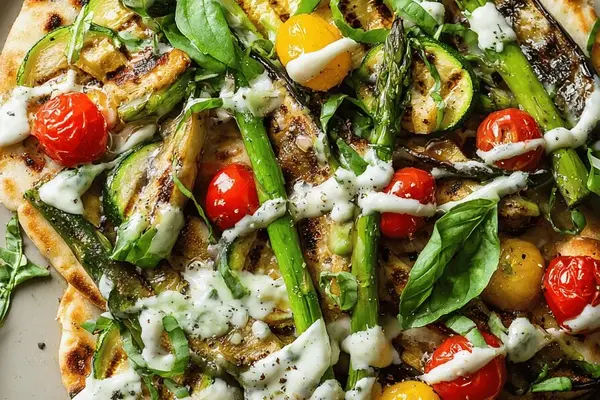
Veggie Naan Flatbreads
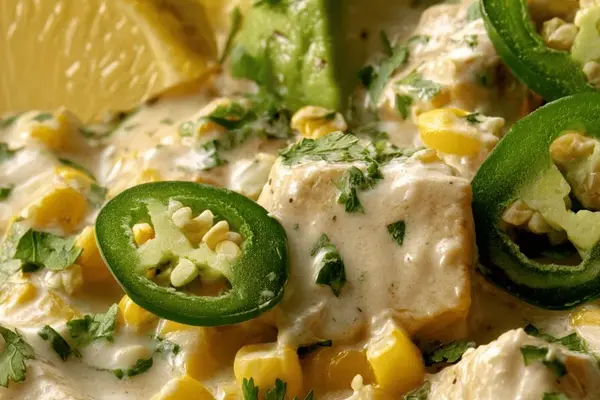
Creamy Poblano Chicken Twist
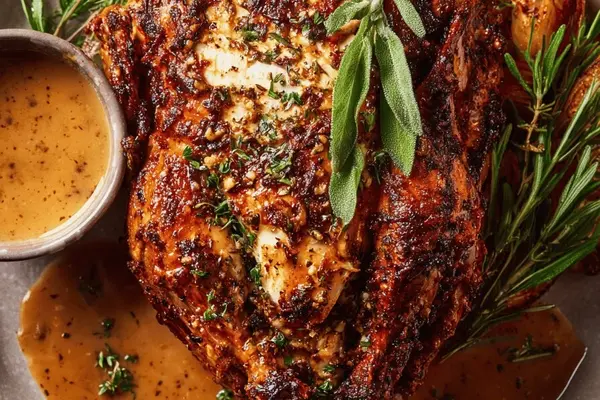
Spiced Butter Roast Turkey
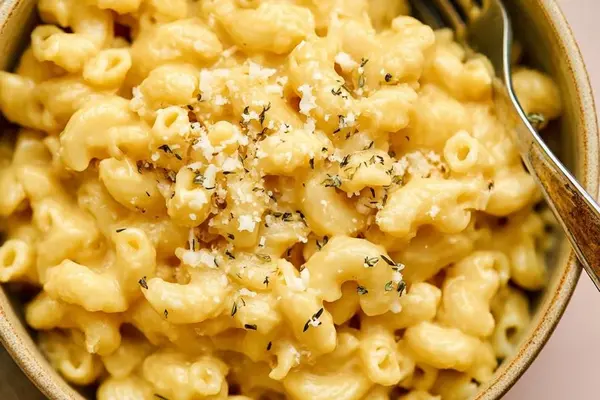
Butternut Squash Mac Cheese
Miso Tomato Tofu Twist
Authentic Thai Noodles
Potato Veggie Ratatouille
About the ingredients
Ground beef should be freshly thawed or cold for even browning. I prefer 80/20 for a good fat balance—too lean, dry bites; too fatty, greasy mess. Green chile salsa swapped for typical red salsa, lending vibrant, slightly piquant undertones. Corn tortillas preferred over flour—holds shape better under moist sauce. Warm them cautiously—get pliable but firm; microwave bursts for seconds, or skillet toast; too hot, they crack. Green chile enchilada sauce replaces the red for brightness. Cotija cheese—crumbly, salty, avoid any pre-grated powdery substitutes. If cotija unavailable, a sharp queso fresco or a blend with manchego works. Spray pan lightly—too much makes bottoms soggy, too little sticks. Keep foil wrap snug; leaks dry out edges. Alternative: use parchment between foil and dish to catch splatters.
Method
- Set oven to 365F. Spray a 9×13 pan lightly to avoid sticking. No slacking here; pan prep critical for easy cleanup and crisp edges.
- Heat skillet over medium-high. Toss in ground beef, start browning, listen for steady sizzle—the sign fat's rendering well. Break it apart for even cook. Drain excess fat thoroughly; greasy enchiladas? No thanks. Return beef to skillet, drop heat to medium-low.
- Stir in green chile salsa until the meat swims in heat and aroma fills the kitchen. About 3 minutes, just till warmed through—not overcooked or dry.
- Spread half the green chile enchilada sauce on the bottom of your pan. Protects the base, helps form that perfect saucy bottom crust.
- Warm tortillas in microwave or skillet just till pliable but not brittle. Overheating? Tears and mess. Poke pockets with fork if making ahead to avoid puffiness.
- Spoon 1/4 cup beef mix down the center of each tortilla. Sprinkle a heaping tablespoon cotija cheese (gritty, salty, way better than cheddar’s milkiness). Roll tortillas tight, seam side down—no loose ends or sauce will sneak out during baking.
- Arrange rolls snugly in pan, barely touching. Pour remaining sauce over, cover uniformly; saturate every inch.
- Top with remaining cotija evenly. No lump piles. Cheese melts best when spread thin and uniform.
- Wrap pan tightly with foil, bake 32 to 37 minutes. Listen for gentle bubbling sounds breaking foil’s tight seal. Cheese melting and sauce thickening visually cues doneness.
- Take out, rest 10 minutes; sauce firms up, rolls settle. Slicing hot burns fingers and collapses structure.
- Serve, maybe with sour cream or avocado slices. You’ll find the green chile sauce adds unexpected brightness, cuts through richness.
Cooking tips
Brown beef over medium-high heat. Important to hear a constant sizzle—avoid stewing. Drain fat thoroughly; extra grease will pool and ruin texture. Stir in salsa, cook just to warm through—too long dries mixture. Sauce spread on pan base keeps bottom rolls from sticking or burning. Tortilla warming is a balance—too cold, they tear; too hot, floppy mess. Filling measure per tortilla tight and moderate keeps rolls manageable; don’t overstuff or torn seam disasters happen. Roll seam side down locks in contents and keeps shape during baking. Spread remaining sauce evenly; thick puddles dry slower but risk sogginess. Cheese topping—thin even layer. Wrap tightly in foil traps moisture, amplifies braise effect over bake. Watch for bubbling through foil vents—signs sauce is active. Rest the baked dish before slicing—steamy spikes can ruin structure. Serving idea: garnish with fresh cilantro or diced onion for crunch contrast.
Chef's notes
- 💡 Brown beef just right, listen for steady sizzle; if quiet, fat's not rendering; too loud means burning. Drain fat well, no greasy spills later; soak with paper towel if needed. After adding green chile salsa, only warm through, no drying; smells sharp and grassy signals done.
- 💡 Warm tortillas cautiously; microwave seconds only or skillet quick toss; floppy means you overdid it, tears happen fast. Poke some holes with fork if prepping early to avoid steaming pockets or bubbles during baking. Keeps shape, prevents sogginess.
- 💡 Cheese layer thin, even; thick lumps don’t melt right, burn edges or leave clumps. Cotija crumbly, salty punch—skip pre-grated stuff; powdery dust ruins texture. Substitute queso fresco or Manchego blend if stash runs dry.
- 💡 Wrap pan tight in foil; traps moisture, stops dry edges; leaks dry and crusts edges badly. Parchment between foil and pan works if worried about splatter. Baking 32-37 minutes, listen for bubbling breaking foil seal; that pop is a cue. Visual of melted cheese, thickened sauce matches that.
- 💡 Rest baked rolls 10 minutes; hot slicing collapses structure. Sauce firms, rolls settle tight. Warm salsa aroma dims to mild with bake. Watch for browned crust edges inside pan; sign it’s done but don’t let dry out. Snug tortilla rolls keep shape if seam down.
Common questions
How to avoid soggy enchiladas?
Drain beef fat completely; over-saucing adds sogginess. Warm tortillas just until pliable, not soft. Wrap tight with foil to trap steam but avoid leaks drying edges. Thin sauce layers help control moisture. Let rest before slicing for sauce to set.
What if cotija unavailable?
Substitute queso fresco—similar crumbly texture but less salty. Manchego blend adds sharper notes if you want bite. Avoid processed pre-grated for melt and taste quality. Mix cheeses for balance if preferred.
Why does beef get dry or greasy?
Lean below 80/20 dries out, too fatty wets dish. Brown over medium-high to render fat but not dark crust or stew. Drain excess fat to keep filling manageable. Salsa warms only till aroma lifts; overcook and it dries beef.
Can I store leftovers?
Cool to room temp before fridge; store in airtight. Reheat covered to keep moisture; microwave or oven works. Freeze rolled in pan with foil, thaw before reheating. Sauce thickens after chill; add splash of water or broth if too thick.
You’ll Love These Too
Explore all →
Cheese Croquettes Remix
Shabu-Shabu Twist
Black Forest Tart Remix
Honey Citrus Lamb Racks
Valentine Sugar Cookies
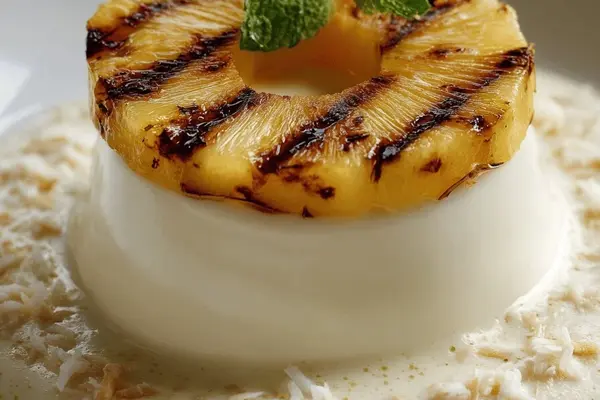
Coconut Rhum Panna Cotta Twist
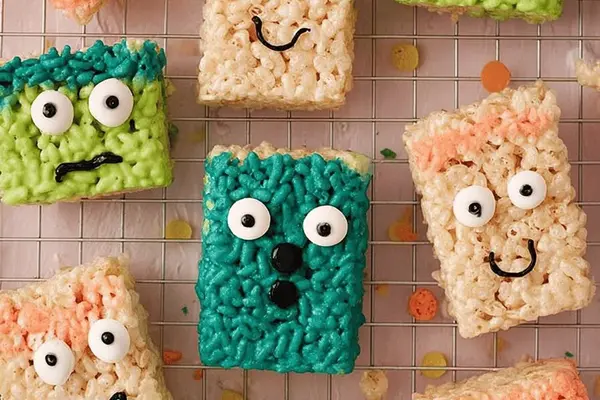
Monster Rice Treats
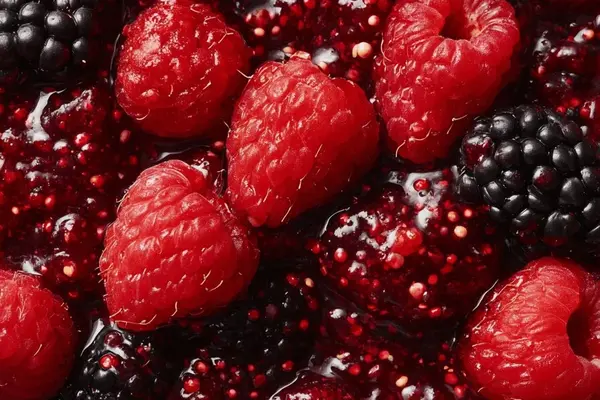
No-Cook Berry Jam with Orange and Pink Pepper
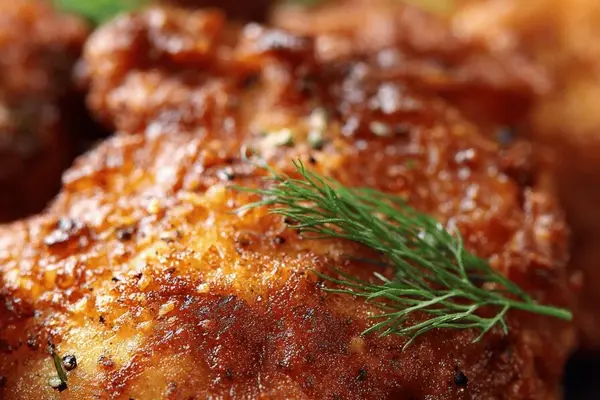
Crispy Beer-Battered Chicken
Modified Dark Ganache
Peanut Butter Jam French Toast Sandwiches
Whole Wheat Spinach Mac Bites
Cheesy Risotto Arancinis
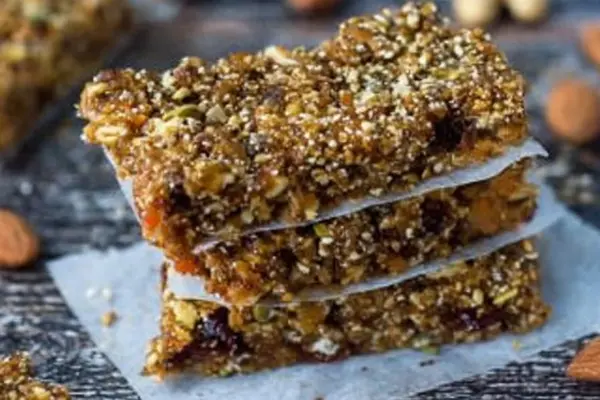
Crunchy Quinoa Oat Bars
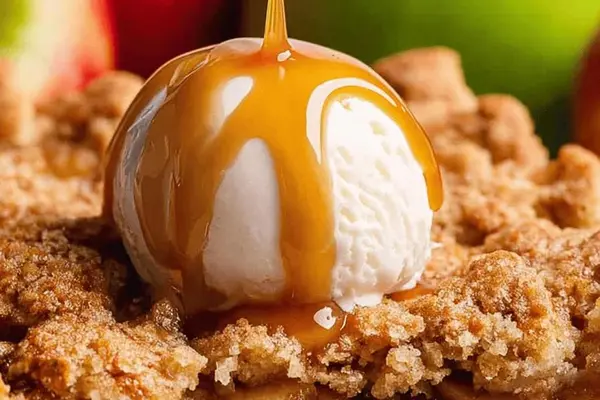
Apple Slab Pie Remix
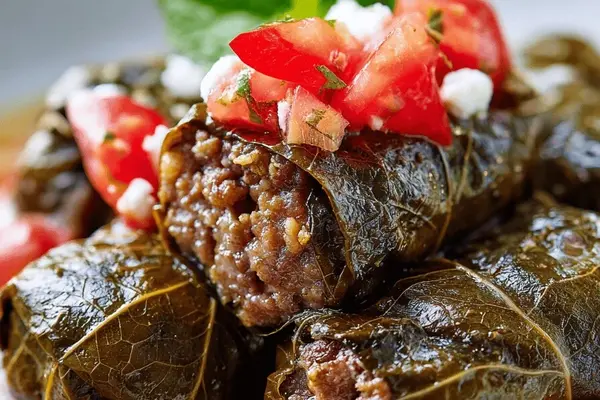
Stuffed Grape Leaves Twist
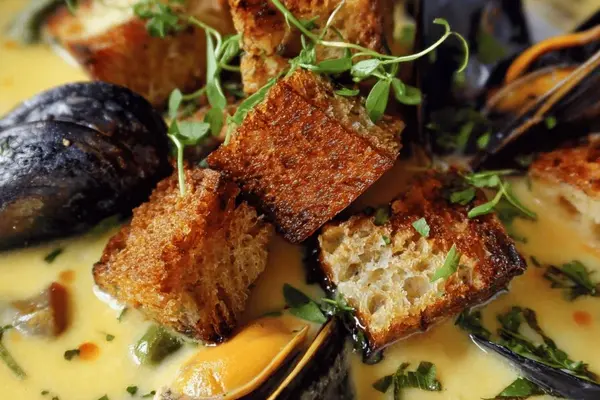
Cauliflower Cream Mussels
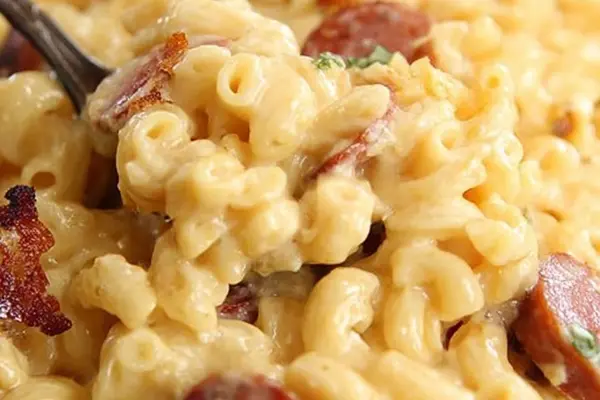
Creamy Smoked Sausage Mac
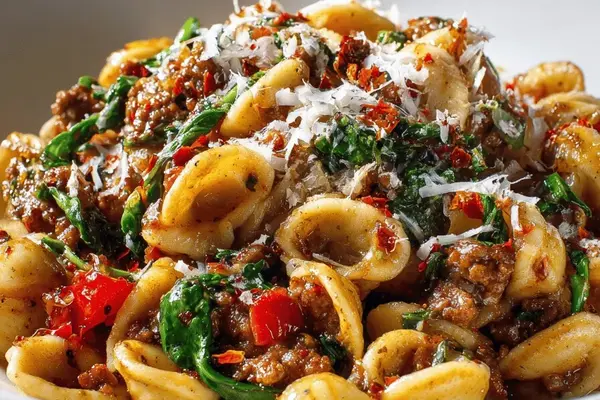
Spicy Sausage Orecchiette
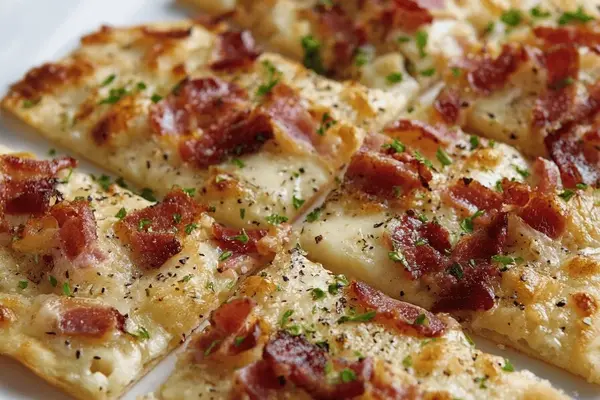
Alsacian Flat Pizza