Twisted Eggplant Parmesan
E
By Emma
Certified Culinary Professional
•
Recipe tested & approved
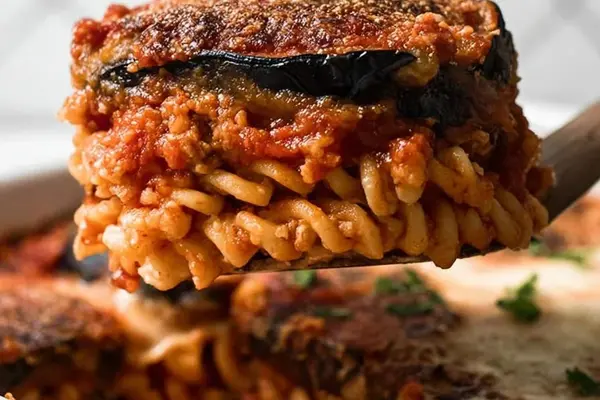
Slices of eggplant, salted to sweat out bitterness, then dredged in seasoned breadcrumbs with a twist of pecorino cheese. Pan-fried till golden crisp, layered over al dente pasta and splashed with bright red tomato sauce, topped with mozzarella melded under heat. Garnished with fresh basil for punch. A mix of textures and deep flavors. Practical and straightforward, swaps traditional parmesan for pecorino to cut the richness and add sharpness. Timing adjusted to sense rather than clock. Tips on oil control and drying eggplant. A humble spin on a classic Italian bake.
Prep:
70 min
Cook:
28 min
Total:
1h 38min
Servings:
6 servings
#eggplant
#Italian-American
#baking
#fried foods
#pecorino cheese
#pasta
#comfort food
Before You Start
Salted eggplant slices resting, sweating out bitter sap. That smell of salt drawing moisture, softening flesh just right. Breaded in three steps—flour for grip, egg wash for bonding, seasoned breadcrumbs with pecorino twist for kick—then fried crisp each side, oil crackling under pan. Pasta cooked al dente, tossed in vibrant red sauce. Layer within casserole pan: pasta, sauce, fried eggplant, sauce. Repeat. Mozzarella on top, bubbly and browned under hot heat. Basil scattered fresh. A practiced shuffle of timing and textures, led by scent and color rather than clock. One slip—wet eggplant, soggy crust, dull cheese—and it falls. Learned the hard way. Now, it’s all instincts and smells.
Ingredients
- 1 medium eggplant, sliced 1/4 inch thick
- 1 1/4 tsp kosher salt or fine sea salt
- 1 cup all-purpose flour
- 3 large eggs
- 1/3 cup whole milk
- 1 1/4 cups breadcrumbs, preferably panko or day-old bread crumbs
- 3/4 cup grated pecorino romano cheese, packed
- 1 tsp garlic powder
- 1 tsp dried oregano
- 1/2 tsp black pepper, freshly ground
- 2-3 Tbsp canola oil or light olive oil
- 12 oz dry pasta, rigatoni or penne
- 48 oz good-quality red tomato sauce, divided
- 2 cups shredded whole-milk mozzarella cheese
- Fresh basil leaves, for garnish
In The Same Category · Main Dishes
Explore all →
Tuscan Turkey Slow-Cooked
Spaghetti with Chorizo Spinach
Warm Fish Fennel Salad

Spiced Lentil Stew
Nancy's Meatball Sauce Mix
Duck Breast Red Wine Cocoa
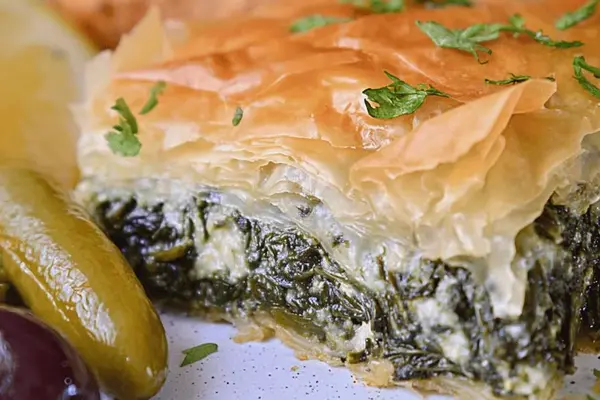
Rustic Spinach Pie
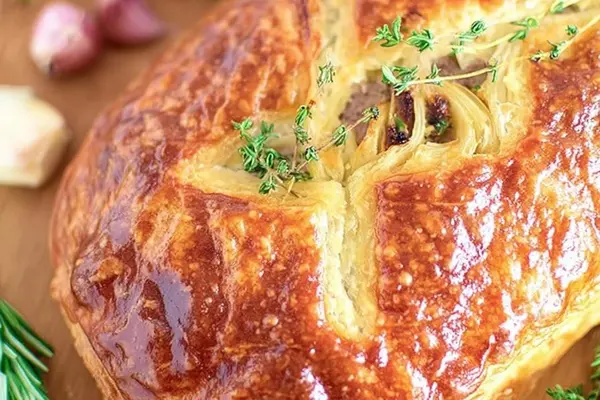
Easy Beef Wellington
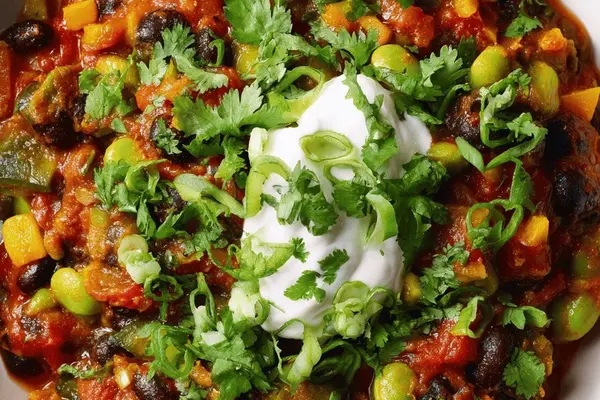
Vegetarian Edamame Chili
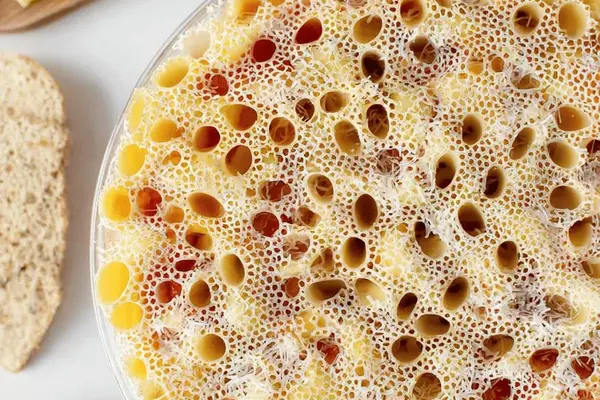
Ziti Pie Twist
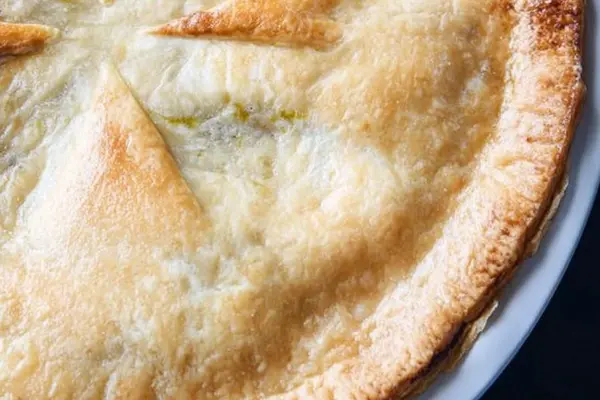
Rustic Chicken Pot Pie
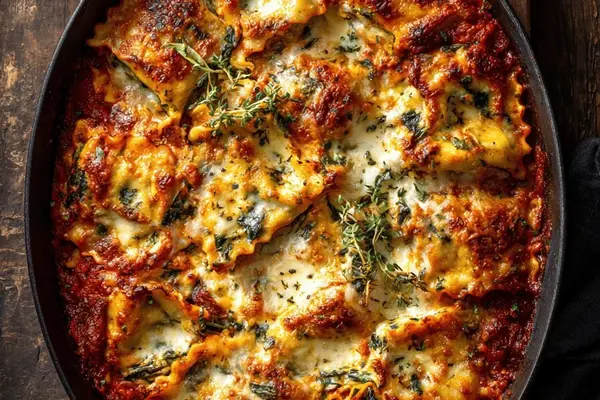
Ricotta Spinach Fazzoletti
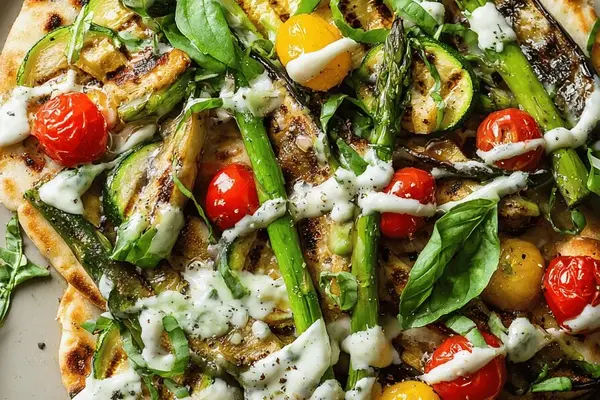
Veggie Naan Flatbreads
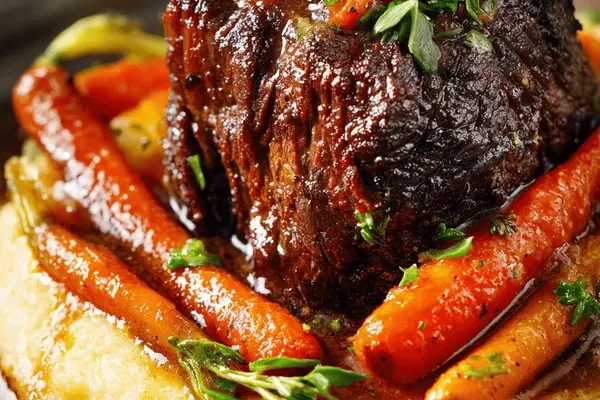
Braised Veal Cheeks with Cocoa Sauce
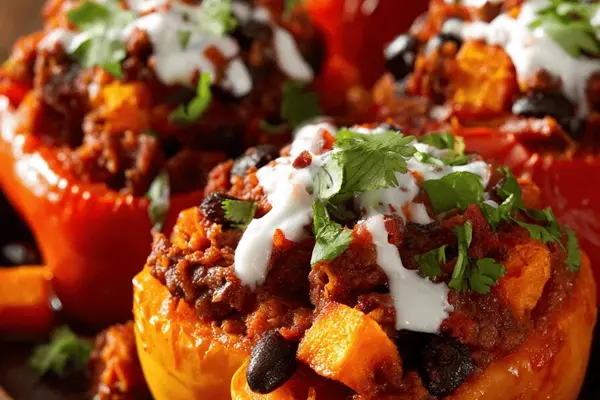
Curried Beef Stuffed Peppers
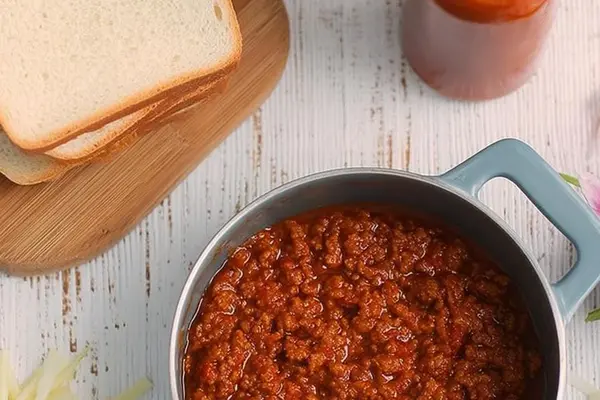
Beef Beer Chili
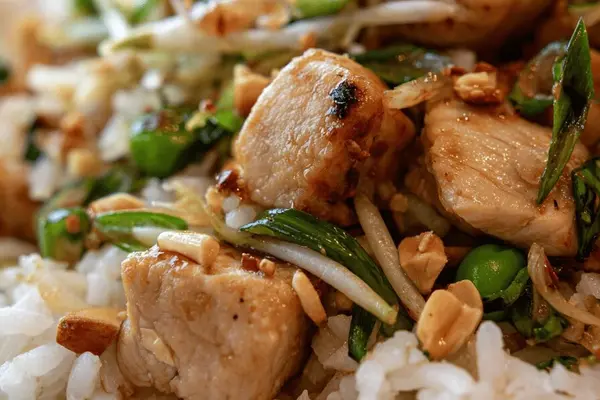
Basmati Chicken Stir-Fry
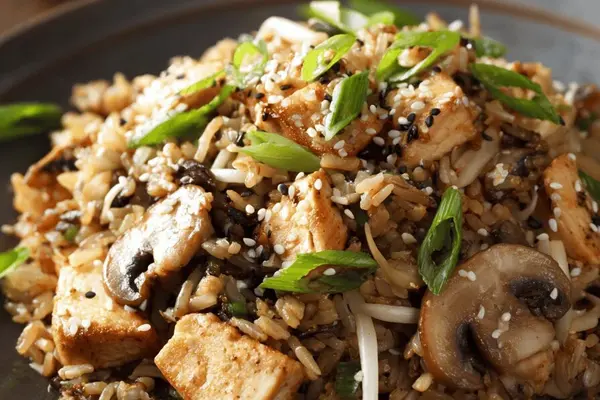
Ginger Chicken Fried Rice
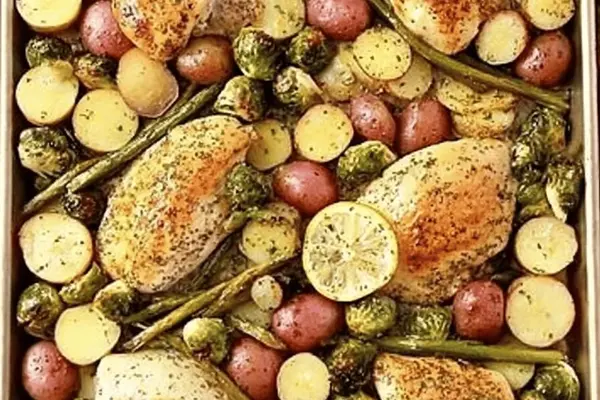
Sheet Pan Citrus Chicken
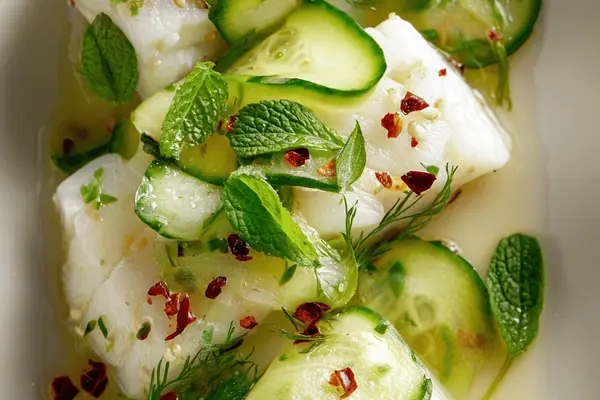
Halibut Papillotes with Pickled Cucumbers
About the ingredients
Salting the eggplant is fundamental; don’t skip unless you want soggy, bitter slices. Pecorino cheese swaps parmesan for extra sharpness and cuts through richness. Breadcrumbs: panko preferred for crunch, but fine crumbs or day-old bread blitzed in food processor work fine. Flour and egg wash key for breading adhesion—flour dries surface, egg sticks crumbs. Milk thinned egg wash for softness. Oil choice impacts frying temperature and flavor—canola, grapeseed, or light refined olive oil held steady heat without smoking. Pasta should be hearty, hollow, ridged shapes for sauce grab. Tomato sauce plain yet fresh—chunky to saucy—store-bought is fine. Fresh basil added right before service brightens heavy cheese-sauce layers. Watch moisture everywhere especially after rinsing salted eggplant—dry with vigor or breading slips. Timing? Use cues, not stopwatches. This isn’t fast food; it’s an orchestra of smells, sights, and touches.
Method
- Start by slicing the eggplant about a quarter inch thick, aiming for uniformity - this ensures even cooking; fewer disasters here.
- Lay the slices out on a baking sheet in a single even layer; sprinkle thoroughly but not drowning with salt. The salt pulls moisture, softens bitterness, and firms up the texture if you let it rest for roughly 55-65 minutes. This step is non-negotiable, trust me.
- While the eggplant sweats, set up your dredging station: in one shallow bowl, mix flour; in another, whisk eggs with milk until uniformly combined; in the last, combine breadcrumbs, pecorino cheese instead of parmesan for a sharper kick, along with garlic powder, oregano, and freshly ground pepper.
- Cook the pasta just to al dente - al dente doesn’t mean undercooked but firm to bite. Drain and toss lightly with a bit of olive oil to prevent sticking. Set aside; it will soak up sauce and add heft later.
- After the resting phase, rinse eggplant slices under cold water to wash away excess salt; dry very well between paper towels or a clean kitchen towel. Moist eggplant ruins breading adherence. Dry is king here.
- Preheat your oven to 405°F. The hotter temp compensates for moisture and ensures bubbling later.
- Bread the eggplant slices: dredge first thoroughly in flour, shake off excess; dip quickly in the egg mixture; press firmly into the breadcrumb-cheese-spice mix till you get a thick even crust. Patience results in crispness after frying.
- Heat 2-3 tablespoons canola or a neutral oil in a wide non-stick skillet on medium-high. The oil should shimmer and ripple but not smoke. Carefully lay slices in batches, not crowded, single layer only—overcrowding traps steam, you want sizzle and crust.
- Fry until the undersides turn a rich golden brown and crusty, about 4-6 minutes. Flip using tongs, fry the other side similarly. Listen for the crackle, see those edges darken slightly, smell the toasty breadcrumb aroma. Add more oil between batches if pan looks dry. Drain onto paper towels immediately to avoid sogginess.
- Now assemble the casserole: dump cooked pasta into a 9x13 inch glass or ceramic pan; ladle 24 ounces of the tomato sauce over it; toss gently to coat every crevice.
- Lay half the fried eggplant evenly over pasta; spoon 12 ounces of sauce on top of those slices to infuse flavor; add the remaining eggplant slices in another layer; pour the final 12 ounces of sauce over everything. This layering traps moisture and flavor, no soggy mush if done right.
- Generously scatter shredded mozzarella across the top layer. The cheese melts and browns during baking, melding layers together like a hug.
- Bake in the oven for 18 to 23 minutes until bubbly and molten. Option to broil just 2-3 minutes for a golden brown bubbly crust on the cheese. Watch carefully here; you want browning, not blackening.
- Remove and let it rest at least 12 to 17 minutes — the heat continues cooking but also lets the layers set a bit. Cut too early and it runs like soup.
- Garnish with fresh basil leaves, tear rather than slice for more aroma impact. Serve with extra tomato sauce on the side for dunking or moistening bites.
- Common pitfalls: skipping the sweating step leaves watery, bitter eggplant; overcrowding pan = soggy breading; not drying eggplant well enough makes coating flake off; under-seasoned breadcrumb mix equals bland bites; and rushing rest makes cutting a messy disaster.
- Pro tip: If no pecorino, use finely grated aged Asiago or a mix of parmesan and romano. Breadcrumbs? Day-old sourdough works beautifully for rustic texture. No canola oil? Neutral refined grapeseed or sunflower oil holds heat and flavor without overpowering.
- In a pinch, frying can be swapped with a high-heat bake on wire racks, but crispness won't match. If worried about sogginess, double fry pearls: quick 2-minute fry, rest 5 minutes, then finish fry for color.
- My experiments taught me to trust sensory cues more than timers: golden brown edges, oil shimmer, faint garlic-oregano smell from the breadcrumbs mark readiness better than counting minutes with a stopwatch.
- Baking - watch bubbling tomato sauce at the edges; cheese melting smoothness marks close to done.
- The basil slapped on last cuts through the heavy cheese and tomato with an herbal brightness that wakes you up. If using fresh oregano from the garden, sprinkle some into the breadcrumb mix for herby zing.
- Use a wide non-stick pan - thin stainless steel pans hold less oil and burn crumbs too fast. Can’t find panko? Standard fine breadcrumbs still work but expect slight textural differences.
- Pasta choice matters: hollow, ridged noodles like rigatoni or penne hold sauce better; spaghetti is too slick and loses texture under heavy sauce and eggplant layers.
Cooking tips
Set up stations first; prepping ahead prevents a chaotic breading mess. Salt eggplant early—best begun 1 hour before frying. After rinsing and drying eggplant, bread slices one at a time—don’t rush, pack crumbs well for crisp crust. Heat oil carefully on medium-high until shimmering, test with a few crumbs to hear sizzle. Fry in batches to keep temperature stable; crowded pans steam slices, softening crust. Flip once golden brown, avoid poking or pressing slices—keep crust intact. Drain fried slices on paper towels to remove excess oil but don’t stack wet slices or breading steams off. Pasta should not be hot or sticky before layering, lightly oil after draining. Assemble casserole with layers of pasta, sauce, and eggplant to prevent soggy messes; layering helps control moisture distribution and flavor penetration. Baking until bubbly and cheese melted is the goal. Resting phase essential—a firm slice needs time to settle; impatience leads to runny disasters. Broil briefly only for visual appeal. Finally, fresh basil brings balance; tear leaves to release aroma. Constant sensory follow-through beats rigid timing here every time.
Chef's notes
- 💡 Salt sliced eggplant heavily then let rest over an hour. Moisture pulls bitterness out, firms flesh. Rinse and dry thoroughly; damp ruins breading adhesion. Use thick towels, press hard. Moisture kills crust.
- 💡 Bread eggplant in three steps: flour dries surface first, egg wash thins with milk to soften coating bond, then panko mixed with grated pecorino and spices presses firmly for thick crust. Patience here means crunch.
- 💡 Fry in batches on medium-high. Look for oil shimmering, not smoking. Don’t crowd pan or steam traps moisture making crust soggy. Sizzle, crackle, listen. Flip at golden brown, crisp edge shows readiness. Add oil as needed between batches.
- 💡 Cook pasta al dente; drain, toss lightly with olive oil so noodles don’t stick before layering. Hollow rigatoni or penne catch sauce better than spaghetti here. Pasta texture must hold under sauce and eggplant layers without getting mushy.
- 💡 When layering casserole, alternate sauce and eggplant slices carefully. Use all sauce divided in thirds; traps moisture without saturating pasta. Mozzarella scattered top melts brown and melds layers. Rest 15 mins after baking for slices firm up clean.
Common questions
Can I skip salting eggplant?
Not recommended. Salt pulls bitter sap, firms slices. Without it breading soggy, bitter flavors linger. Rinse well after salting to avoid salty bites. Dry extra carefully; any moisture ruins crust.
What if no pecorino cheese?
Use finely grated aged asiago or mix parmesan and romano. Pecorino sharpness cuts richness better but these hold flavor. Breadcrumbs can be panko or fresh breadcrumbs blitzed in food processor for rustic feel.
Why does breading get soggy sometimes?
Oil temp off, overcrowded pan mostly. Fry in small batches for steady heat. Draining breaded slices well critical; excess oil pools cause soft crust. Double frying works too; quick fry-rest-fry again for crispness.
How to store leftovers?
Cool fully before fridge. Cover tight. Reheat in oven preferred, moist texture stays better than microwave. Can freeze casserole but separate portions better; thaw in fridge overnight. Avoid soggy layers by reheating gently.
You’ll Love These Too
Explore all →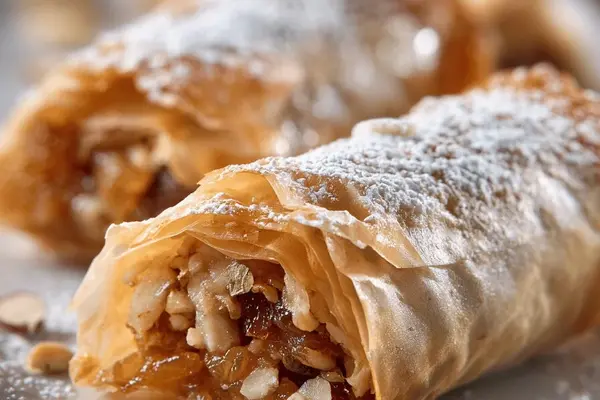
Spiced Turkey Pastillas
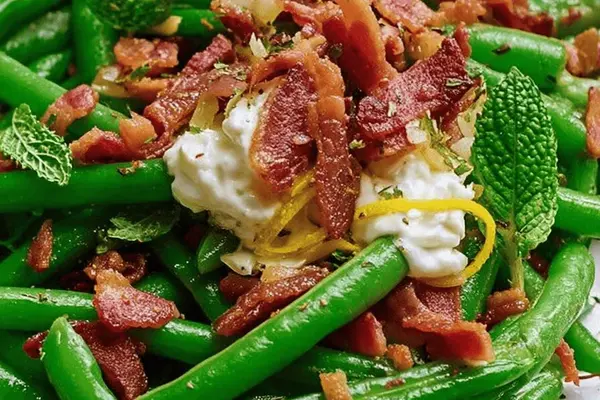
Green Beans Bacon Twist
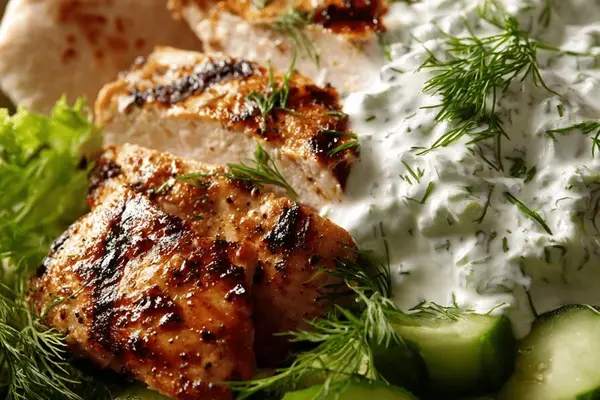
Grilled Chicken Tzatziki Combo
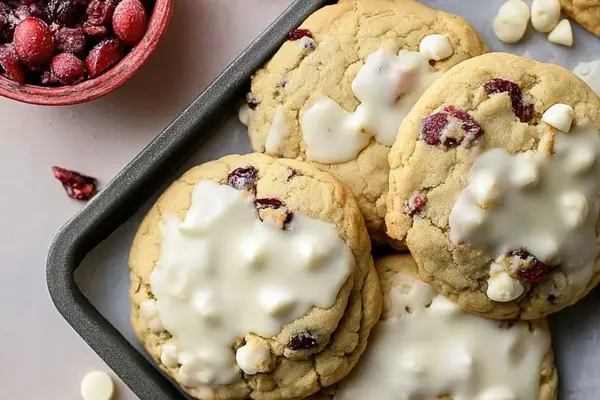
Cranberry White Chocolate Cookies
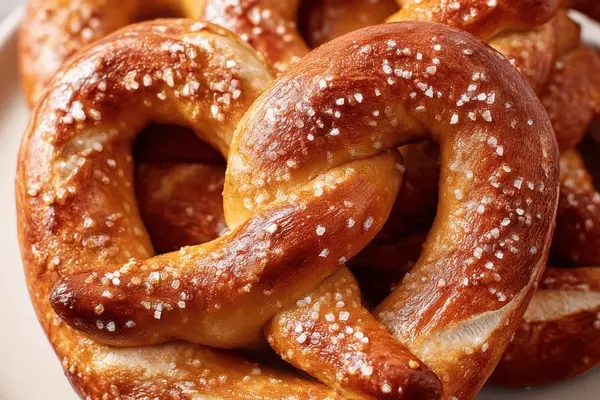
Giant Bob’s Pretzels
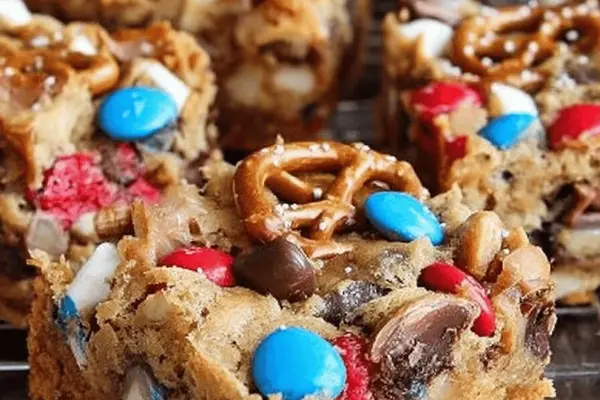
Salty Sweet Monster Bars
Rustic Spinach Pie
Braised Italian Sausages Red Wine
Chocolate Chip Cookies Remix
Upside-Down Caramel Buns
Twisted Sesame Gressins
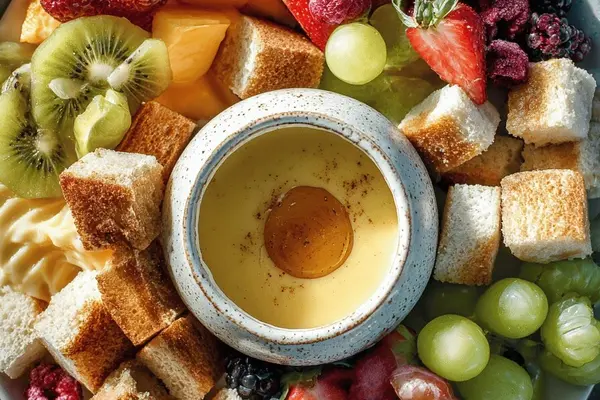
Maple Ginger Fondue
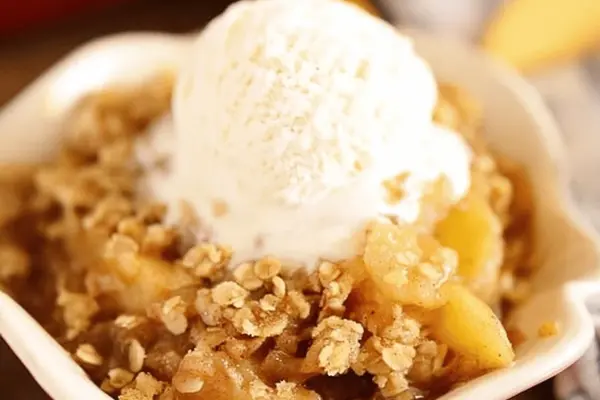
Easy Spiced Apple Crumble
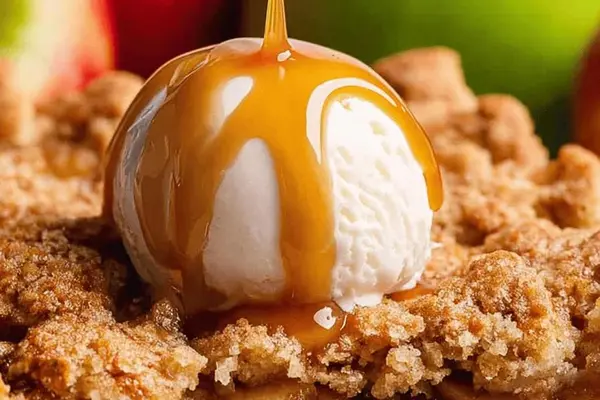
Apple Slab Pie Remix
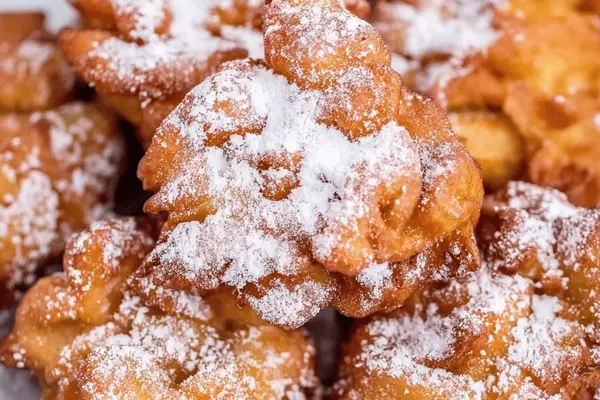
Crunchy Apple Fritters
Dry Pancake Mix
Grilled Tofu Orzo Stack
Ricotta Spinach Fazzoletti
Salmon Sweet Potato Bowls
Hot Chicken Sandwich