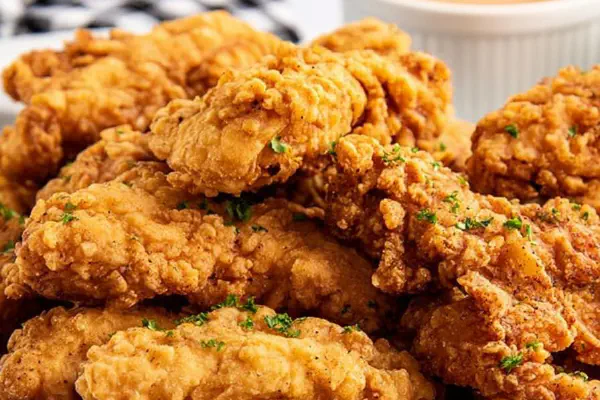
Twisted Firecracker Chicken
E
By Emma
Certified Culinary Professional
•
Recipe tested & approved
Chicken cut small, lightly fried, then baked in a tangy-spicy sauce. Cornstarch coats chicken for crispness but don’t fry fully—just enough to seal sauce. Sauce is tangy, sweet, with a spicy kick from chili garlic sauce instead of buffalo. Baked till sauce bubbles and thickens. Garnish with sesame seeds and sliced green onions. Simple, hands-on, with sensory cues guiding timing. Sub rice vinegar if apple cider missing. Watch oil temp—don’t crowd pan or chicken steams not fries. Toss chicken in egg after cornstarch coats. Perfect balance of crunch and sauce.
Prep:
20 min
Cook:
30 min
Total:
50 min
Servings:
4 servings
#American-Asian fusion
#spicy chicken
#baked chicken
#crispy coating
#weeknight meals
Before You Start
Forget frying the whole way. Coat, crisp-fry quick. Seal in sauce. Sauce? Not plain buffalo—chili garlic sauce steals spotlight with extra heat and umami. Sugar offsets vinegar tang; red flakes punch the throat just right. Baked. The difference? Crunch stays, sauce thickens, no soggy nonsense—learned that after soggy mess once. Chicken pieces should hiss softly when hitting hot oil; that’s golden ticket. Sauce pours over like lava, coats evenly not drowning. When baking, peek for sauce bubbling and edges darkening, that’s the aroma and visual sign to rule. Tossing halfway saves those edges from clumping up. Green onions and sesame? Freshness and nuttiness combo upgrades any plate. A twist but same idea: crisp outside, juicy inside, zesty glaze clinging tight. Weeknight winner with little fuss but big flavor.
Ingredients
- 1 large chicken breast cut into 1 inch pieces
- 2 tablespoons cornstarch slightly adjusted for coating
- 2 eggs beaten
- 1/4 cup vegetable oil for frying
- 1/3 cup chili garlic sauce substituted for buffalo wing sauce
- 2 tablespoons sugar
- 1 tablespoon rice vinegar swapped for apple cider vinegar
- 1/2 teaspoon salt
- 1/2 teaspoon red pepper flakes
- Chopped green onions for garnish
- 1 teaspoon toasted sesame seeds
In The Same Category · Main Dishes
Explore all →
Twisted Porcupine Balls
Twisted Vegetarian Tostadas
Pork Chops and Roasted Zucchini Salad
Tubettini with Peas and Ricotta Twist
Rocket Chicken Spätzle
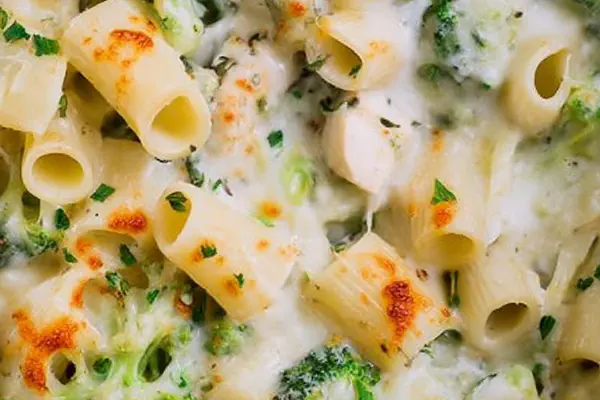
Chicken Alfredo Pasta Bake
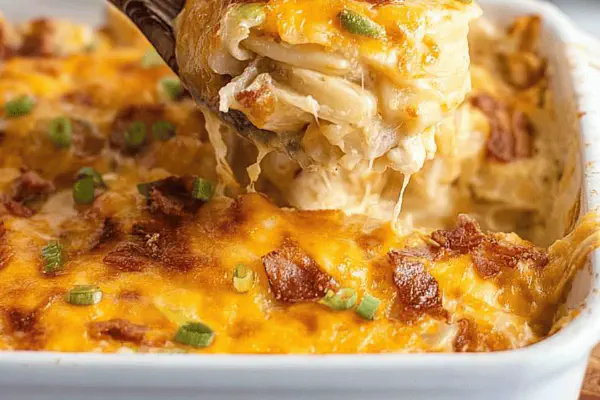
Pierogi Kielbasa Bake
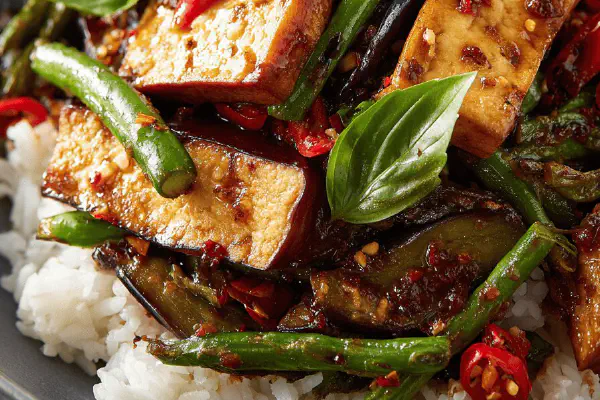
Tofu Aubergine Stir-Fry
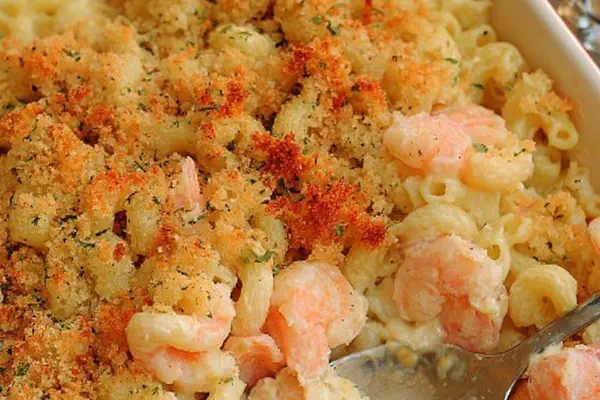
Seafood Mac Cheese Reboot
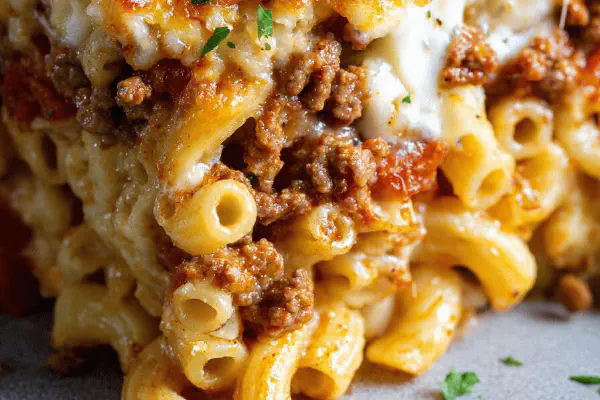
Twisted Pastitsio Bake
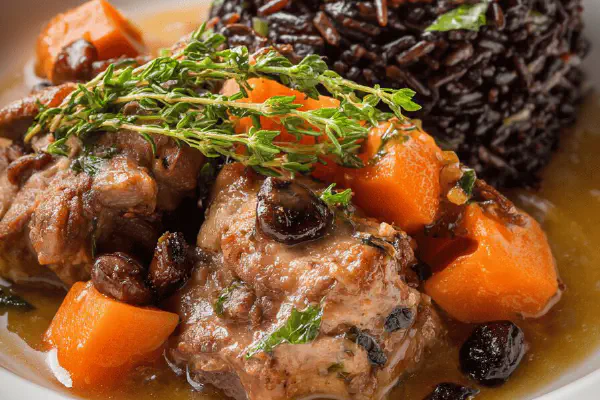
Rabbit Seventh Heaven
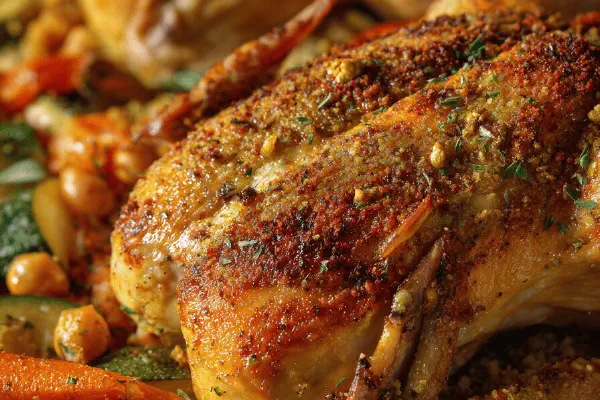
Herb-Roasted Chicken Couscous

Oklahoma Onion Smash Burger
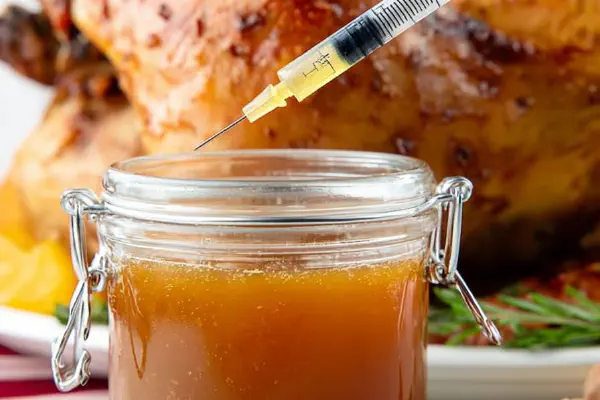
Beer Honey Turkey Injection
Braised Pork Belly Buns
Maple Ginger Pork Quinoa
Pumpkin Mac Cheese
Rabbit with Pancetta and Mushrooms
Quick Beef Broccoli Stir
Slow Cooker Tangy BBQ Chicken
About the ingredients
Chicken breast works best—skinless saves effort but skin-on is fine if crisped thoroughly. Cornstarch must be evenly dusted; too thick and crisp turns gummy. Eggs help sauce cling—skip and sauce slides off like bad luck. Chili garlic sauce swaps buffalo wing sauce seamlessly adding garlicky punch. Rice vinegar is softer acid, apple cider vinegar is sharper; adjust sweetness to suit whichever. Vegetable oil or peanut oil holds heat well for frying. Sugar balances sour and heat; avoid over-sweetening. Salt enhances all, but keep cautious since sauces can already be salty. Red pepper flakes adjustable for spice tolerance. Green onions fresh, sliced thin for mild onion bite; sesame seeds toasted for aroma and crunch. Foil-lined trays make aftermath cleanup a breeze. Cooking spray prevents sticking but olive oil spray can alter flavor.
Method
- Preheat oven to 395°F instead of 400 for gentler bake but still bubbles.
- Line a rimmed baking sheet with foil and spray with oil spray. Foil traps juice making cleanup easier; spray prevents sticking.
- Cut chicken breast into approx 1 inch pieces, uniform size helps even cooking.
- Sprinkle cornstarch over chicken in a large bowl. Toss so every piece gets a thin coat—too much clumps, too little no crunch.
- Beat eggs in small bowl nearby. After cornstarch dust, working in batches, drop 3-4 pieces into egg mix. Shake excess cornstarch off first—helps sauce stick better.
- Arrange coated chicken on plate. Repeat until done.
- Heat vegetable oil in wide skillet over medium-high. Should shimmer not smoke. Ideal temp around 350°F if you have a thermometer.
- Add half the chicken pieces—spread out, no touching or overcrowding. Crowding cools oil, leads to greasy soggy pieces.
- Fry each side about 1-2 minutes first side, 1 minute flip. Don’t fully cook here. Just a light crust forms. Chicken still raw inside but sealed envelope for baking.
- Listen for soft sizzle sound from oil tipping off frying.
- Drain on paper towels to absorb extra oil. Repeat with remaining chicken.
- Make sauce by whisking chili garlic sauce, sugar, rice vinegar, salt, red pepper flakes. Taste for balance. Too much sugar? Add splash more vinegar.
- Place fried chicken in single layer on your foil-lined sheet. Slow pour sauce evenly over chicken.
- Use tongs or spoon to gently toss chicken so sauce coats every piece. Work quickly so sauce doesn’t pool too much on pan.
- Bake 22-27 minutes. Sauce should bubble with edges caramelizing—a sticky glossy coating forms. Too long and chicken dries out; too short and sauce won’t thicken.
- Halfway through bake, toss chicken gently on sheet to redistribute sauce and prevent sticking.
- When done, remove from oven. Sauce thickens further as it cools—shiny and clings beautifully.
- Transfer to serving dish with any juices. Sprinkle with chopped green onions and toasted sesame seeds for crunch and bite.
Cooking tips
The method is about layering textures and flavors. Starting with cutting uniform chicken maximizes even cooking. Cornstarch starchy layer gives that crunch; must dust lightly. Egg wash binds sauce; needed glue. Ladle oil heats gently, not smokes, or oil poisons flavor and risk of burning. Single layer in pan avoids steaming; sizzling sound expected as sign of right heat. Fry chicken to light golden not nearly cooked through—this prevents dryness post bake. Drain excess oil on paper towels or brown marks turn bitter. Sauce mix stirred to dissolve sugar and blend acid and spice. Pour over fried chunks spread single layer to ensure crisp stays intact. Baking melts sauce into chicken, bubbles with aroma, thickens the glaze—watch edges for caramelizing hint. Toss halfway for even cook and no sticky clumps. Final garnish adds fresh and nutty counterpoints. Timing is visual mostly—look for bubbling and slight darkening but no burn. Practice and nose help here.
Chef's notes
- 💡 Cut chicken into uniform pieces for even cook. Cornstarch coats light not thick—too much gum out. Shake excess off or coating clumps. Egg wash after cornstarch helps sauce stick but don't overload pieces or crust sogs.
- 💡 Oil at 350°F key. Watch heat carefully. If oil smokes, flavor dies. Too cold, chicken steams not fries. Sizzle sound from oil is key whisper—listen close. Fry in small batches. Crowding cools oil, messes texture.
- 💡 Fry chicken barely cooked through, golden crust forms but inside raw. Seals sauce after. Draining on paper towels prevents greasy bites. Repeat with remaining pieces—keeps texture consistent throughout batch.
- 💡 Sauce mix balance tricky—start sugar low, taste, then add vinegar splash if too sweet. Chili garlic sauce punches heat, skip buffalo wing sauce. Baked sauce bubbles and thickens slow. Visual bubble and caramel edges perfect cue.
- 💡 Toss chicken halfway through bake. Prevents sticky glue spots, re-coats sauce evenly. Green onions sliced thin add freshness, toasted sesame seeds crunch contrast. Use foil-lined pan spray lightly for easy cleanup but avoid flavor change with olive oil spray.
Common questions
Can I use another vinegar?
Rice vinegar soft, apple cider sharp. Both okay but adjust sugar. If too tart add more sugar. No vinegar means less tang—consider lemon juice small amount for acidity.
What if sauce too runny?
Bake longer but watch edges darken not burn. Stir halfway bake to redistribute. More sugar thickens but risk sweetness. Cornstarch slurry not common here, texture from bake time mostly.
Can chicken be prepped in advance?
Coat and egg wash done ahead okay chill short time. Fry just before bake. If fried too early crust sogs. Sauce pre-mix fine but toss chicken right before bake to keep crisp.
How to store leftovers?
Fridge in airtight okay couple days. Reheat oven preferred to keep crunch. Microwave makes soggy fast. Sauce thickens cold—reheat gentle heat to loosen glaze without drying chicken.
You’ll Love These Too
Explore all →
Raspberry Ginger Float
Spelt Cauliflower Gratin
Applesauce Brownies Remix
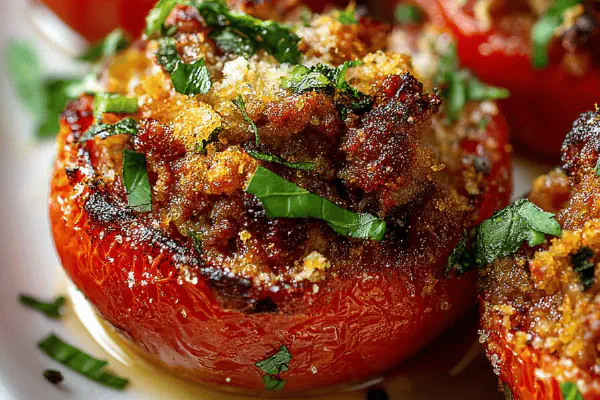
Sausage Roasted Tomatoes
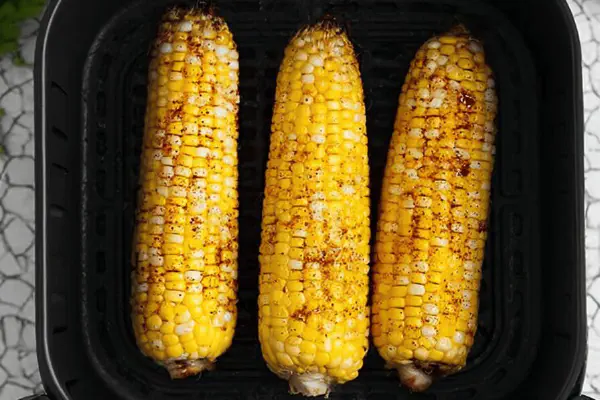
Crispy Air Fryer Corn
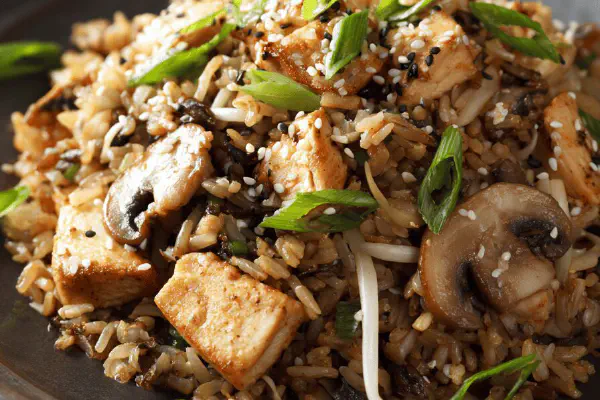
Ginger Chicken Fried Rice
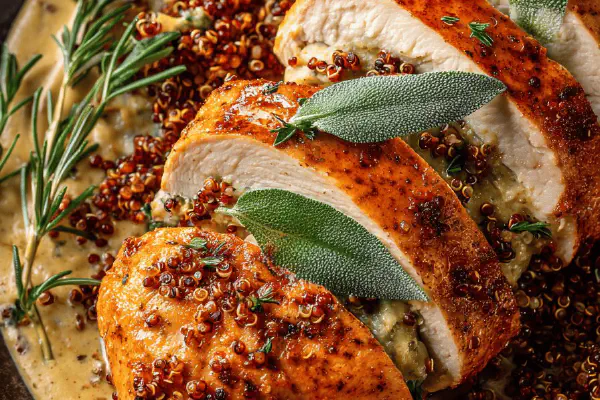
Turkey Rolls Quinoa Pumpkin Sauce
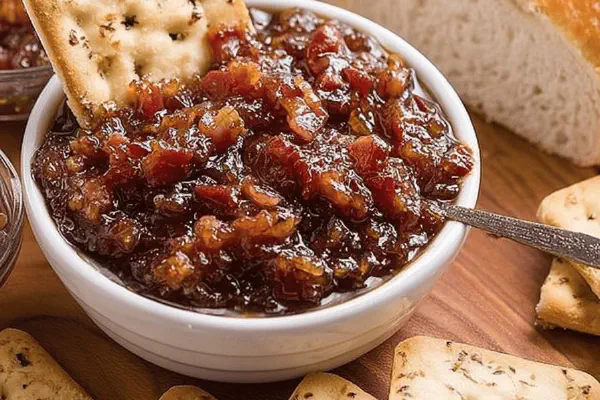
Bourbon Bacon Jam Remix
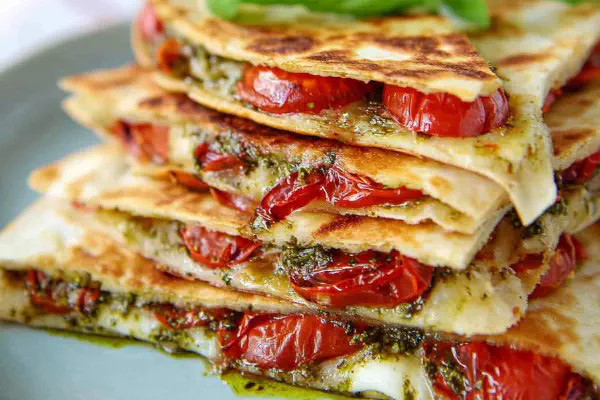
Caprese Pesto Quesadillas
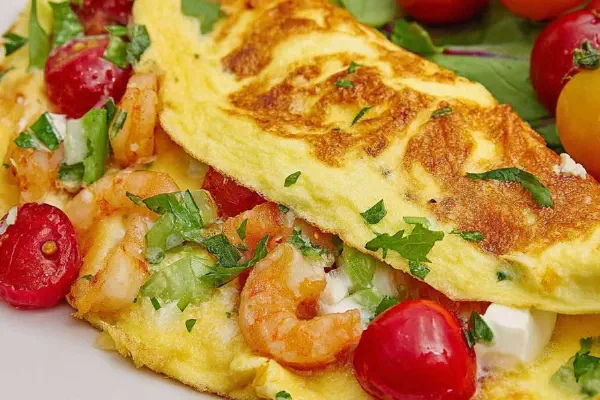
Spinach Scallion Tomato Shrimp Omelette
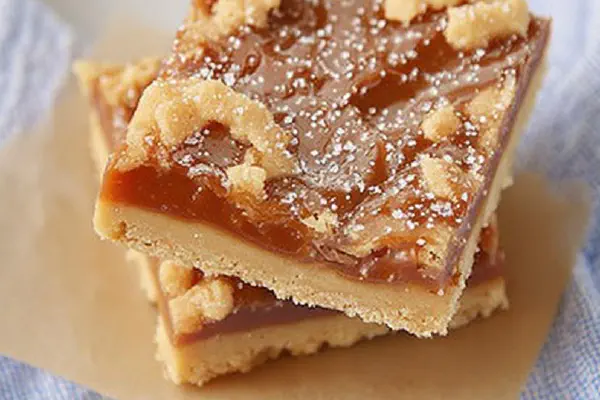
Salted Dulce Bars
Pineapple Coconut Bars
Homemade Chicken Broth with Herbs
Golden Honey Potatoes
Spiced Chili Rice
Green Tahini Yogurt Sauce
White Wine Thyme Roast Chicken

Slow Cooker Meatloaf Remix
Rustic Cookie Pie
Mini Cucumber Circles