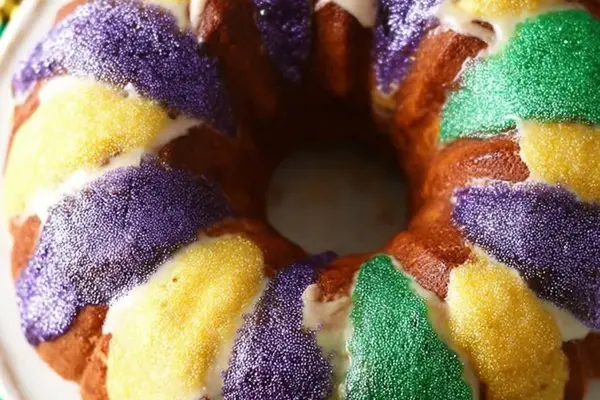
Twisted King Cake
E
By Emma
Certified Culinary Professional
•
Recipe tested & approved
A quick spin on a traditional Mardi Gras King Cake using crescent roll dough instead of canned cinnamon rolls. The dough gets layered and baked in a Bundt pan to mimic the classic ring shape. Finished with a cream cheese glaze tinted with lemon zest instead of plain vanilla frosting. Sugar sprinkles in purple, gold, and green for the festive touch. The dough browns unevenly sometimes, so watching those golden edges is key. Prep uses minimal tools, no fuss, and tastes like the real deal with a tangy zing. A simpler, faster take but still keeps that celebratory vibe alive.
Prep:
20 min
Cook:
28 min
Total:
48 min
Servings:
8 servings
#Southern American
#Mardi Gras
#holiday baking
#cream cheese glaze
#cinnamon sugar
Before You Start
Messy kitchens, messy dough, I’ve been there—cinnamon roll dough too tight or too soft ruins the whole ring. Crescent dough is easier, flakier, less prone to leak sugary goo into the pan. Quick stretch, sprinkle. The aroma as it roasts—the butter, cinnamon and sugar baking into golden cracks makes the whole house twitch with sweetness. But watch it: too pale, no zing, too brown, acrid burnt bitterness. Used to waiting dead-on timer but learned to trust the dough’s feel. Flip it too soon, it shatters. Let cool too long, glaze won’t stick right. I added lemon zest—cuts the cloying sugar for me. Glaze texture matters too: too runny and it slides right off. Also swapped out a flavor bomb in the sugar mix—more punch. Sorry purists, but hey it works if you don’t have cinnamon rolls stashed.
Ingredients
- 2 cans crescent roll dough
- 3 tablespoons cinnamon sugar mix
- 3 ounces softened cream cheese
- 1 packet powdered sugar
- 1 tablespoon lemon zest
- Colored sugar sprinkles in purple green gold
In The Same Category · Desserts
Explore all →
Caramel Apple Pretzel Bark
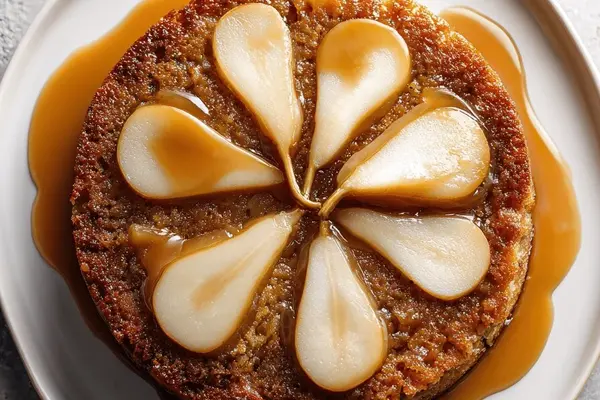
Pear Upside-down Spice Cake
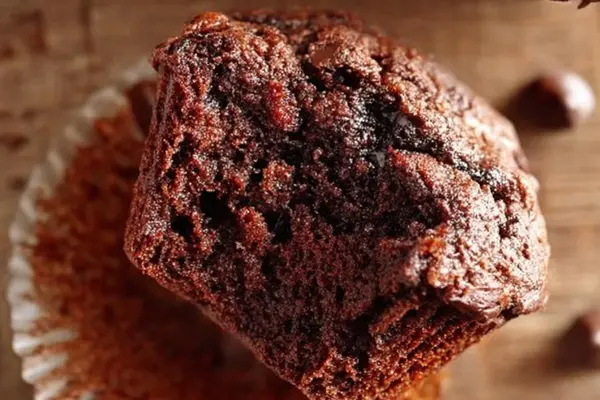
Dark Chocolate Chip Muffins

Chewy Peanut Butter Cookies
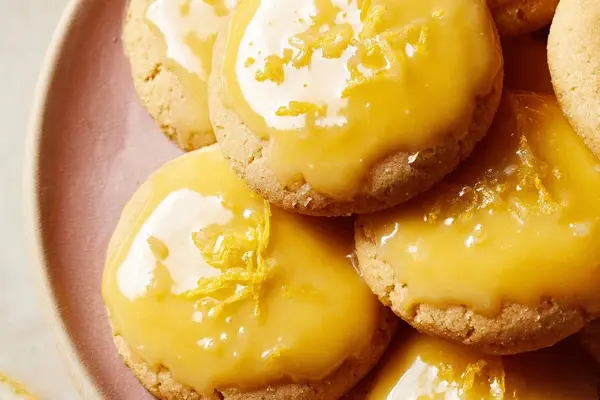
Mirror-Glazed Lemon Cookies
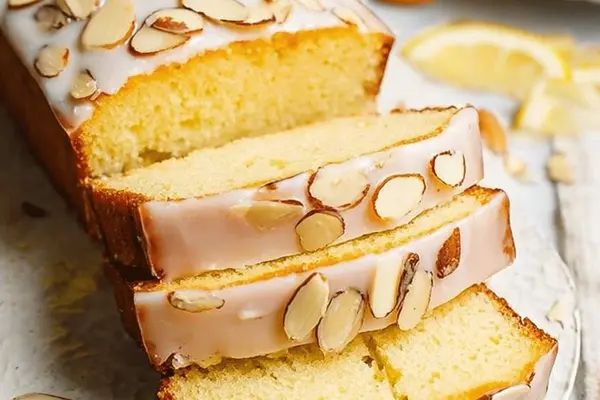
Iced Almond Lemon Loaf
Almond Citrus Pizzelles
Cream Cheese Pecan Pie
White Chocolate Cookie Lasagna

Peanut Butter Chocolate Sundae
Coffee Caramel Macarons
Zesty Lemon Crinkle Cookies
Mini Lime Coconut Cupcakes
Opera Cake Redux
Eggnog Chai Cheesecake

Citrus Fluff Delight
Coffee Cream Pudding Twist
Salted Caramel Shortbread Bars
Neiman Marcus Cookies Twist
Strawberry Mousse Dessert
About the ingredients
Crescent roll dough is the wildcard—more buttery layers than canned cinnamon rolls and easier to handle if you pinch seams well. The cinnamon sugar is just a basic mix but I added a pinch of nutmeg once for a hidden warmth. Cream cheese glaze better than plain sugar glaze because it adds tang and moisture. Lemon zest brightens it but orange zest is a great alternative if you have fresh fruit. Sugar sprinkles are important—go classic Mardi Gras colors but those burn fast so add only before serving. If you have leftover dough keep refrigerated wrapped tight; it puffs more in warm kitchens so chill to slow rise before assembling. Use non-stick spray liberally on the pan. No brush? Olive oil is fine but spray works best. Could swap cream cheese mascarpone or Greek yogurt but texture may shift. Better thicker glaze than watery mess. Don’t substitute with regular icing; this needs tangy fat.
Method
Dough prep and pan setup
- Preheat oven to 355°F. Spray a Bundt pan with non-stick spray generously. Don’t skimp here or the cake sticks like glue.
- Unroll crescent dough sheets and pinch seams together forming one big sheet. Cut into strips about 1 inch wide.
- Brush each strip lightly with melted butter, then sprinkle cinnamon sugar evenly. Roll each strip loosely to preserve flaky layers.
- Line the Bundt pan bottom and walls by placing rolled dough strips, squeezing gently, filling all around to build a thick ring shape. Overlaps help it hold during rising and baking.
Baking phase
- Slide pan into oven; listen for soft crackles as edges brown. Around 27-30 minutes, the dough should puff up and edges darken to golden brown—not too dark.
- If dough looks pale but feels springy, bake 3-5 minutes more. Use a toothpick peek to check—no gooey dough should stick.
- Remove, let cool 15 minutes in pan. If sticking, gently run a thin butter knife around edges before inverting carefully onto platter.
Icing and finishing
- While cooling, mix cream cheese with powdered sugar and lemon zest until thick but spreadable. The lemon zest cuts richness, balancing the sugary glaze.
- Spread icing thickly over cooled cake surface, smoothing some drips down sides.
- Sprinkle purple, green, gold sugars in neat alternating lines or blotches, depending on mood.
- Let set 10 minutes or serve immediately—icing is creamy but firm. Store leftovers wrapped tightly; best eaten day of for crispness.
Tips and fixes
- If dough seams tear, pinch tightly or fold extra dough to patch; dough expands during baking so leaks create tough spots.
- Replace cream cheese with mascarpone for tangier finish. Swap lemon zest for orange if preferred citrus.
- If pan sticks, chill cake 10 minutes before turning out to firm crumb and ease release.
- Sugars melt quickly; sprinkle last minute to avoid dull colors.
- Don’t overbake—the cinnamon sugar should caramelize lightly but not burn.
===
Cooking tips
Start by preheating and prepping your pan—Bundt pans hold the cake shape but grease aggressively or risk stuck edges. Unrolling dough and closing seams is all about preventing sugar leakage during baking; I pinch seams tighter each try. Roll strips loosely so flaky layers remain, not tight rolled like cinnamon rolls. Assembly is a gentle shove of spiraled strips into the pan to build a ring shape, overlapping edges a bit. Baking times vary by oven; don’t trust the clock blindly. Look for puffed, golden edges but not sharp dark brown areas. Toothpick test inside must come out clean of goo. Cool in pan 10-15 minutes; too hot and icing melts off on contact or runs everywhere. Mix icing for thickness—powdered sugar amount can vary by cream cheese softness—aim for spreadable not pourable. Lemon zest brightens but don’t overdo or bitterness creeps. Sprinkle sugars last minute or they dissolve and dull. Serve soon or refrigerate covered to keep texture. Leftover cake tastes better slightly warmed next day but glaze may soften.
Chef's notes
- 💡 Pan grease must be generous or edges stick horribly. Spray liberally, no skimping. If no spray, brush olive oil but not same slickness. Chill cake 10 min if stuck before flipping; lets crumb firm up. Trust golden edges for doneness; dark brown means burnt bitter flavor. Dough puff means baked enough; pale but springy means slight underbake—add a few mins. Use toothpick check gooey spots; test multiple parts for safety.
- 💡 Pinch seams tightly to prevent sugar guts leaking during baking. Overlapping strips helps hold shape; loose layers keep flaky texture, no tight roll like cinnamon rolls. Roll strips loosely but evenly so flavors settle in layers. Butter brush before sugar makes top caramelize softer, less slick than plain sugar. Cinnamon sugar mix can vary; I once added a pinch nutmeg for warmth hidden deep inside.
- 💡 Glaze needs thick texture, spreadable not pourable, or it runs off sides and pools ugly. Mix cream cheese well with powdered sugar and lemon zest. Lemon zest cuts cloying sugar heaviness; orange zest works if you like citrus but different zing. If cream cheese too cold, glaze lumps. Let room temp soften fully or microwave briefly in bursts. Sprinkles melt fast; add seconds before serving or colors dull and bleed.
- 💡 Watch oven temps closely; home ovens vary and 355°F may run hot or cold. Cake edges crackle softly when done; that faint sound means sugars caramelize right. Avoid sharp dark burnt spots that mask cinnamon sweetness with acrid bitterness. Dough browns unevenly—depends on pan and dough thickness. Rotate pan halfway if uneven baking visible. Use toothpick test in multiple spots, especially seam joins where goo might lurk.
- 💡 Store leftover cake wrapped tightly; dryness hits fast. Refrigerate if glazing for longer shelf but glaze may soften overnight. Leftovers better slightly warmed to revive flaky layers and cream cheese tang. Unbaked dough can be refrigerated wrapped well; rests slow rise so easier handling next day. Don’t freeze fully baked cake with glaze; texture and colors suffer. Use tighter seam pinching during assembly for less leaks and tougher baked spots.
Common questions
How to tell when baked enough?
Look for puffed dough, edges golden but not dark brown. Oxygen scent changes, faint crackle sound helps. Toothpick test critical. Goo means more bake time. Check seams where dough overlaps. Oven heat varies, so timing is guideline not rule.
Can I substitute cream cheese?
Mascarpone works for tangy richness but softer texture. Greek yogurt possible but glaze thins, less spreadable. Butter plus powdered sugar glaze lacks tang, slides off faster. Adjust powdered sugar quantity for texture. Citrus zest changes flavor profile but essential to cut sweetness punch.
Dough tearing or leaking sugar?
Pinch seams tightly to seal or fold scraps over holes. Leaks create burnt sugar spots, tough crust patches. If tear shows up during assembly, patch quickly. Dough grows during bake so easy to rip open—handle gently but firmly. Avoid tight rolling strips, keeps pliable layers. Be patient assembling shape carefully.
Best way to store leftovers?
Wrap tightly or airtight container prevents drying. Refrigerating helps extend freshness but glaze softens, might get shiny runoff. Cake texture better room temp before eating, briefly warm flaky softness returns. Avoid freezing post-glaze; ice crystals wreck crumb and dull sprinkles. Dough leftover? Refrigerate well wrapped for next day baking.
You’ll Love These Too
Explore all →
Ruby Red Jubilee
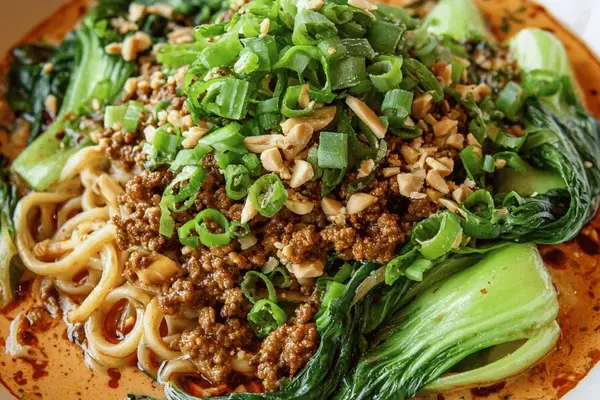
Dan Dan Pork Noodles

Spiced Thai Seafood Soup
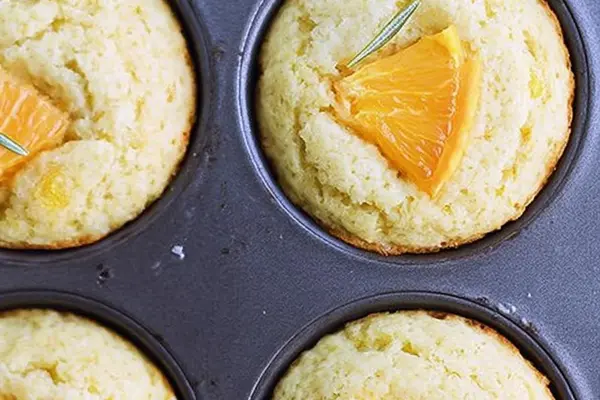
Olive Oil Orange Rosemary Muffins
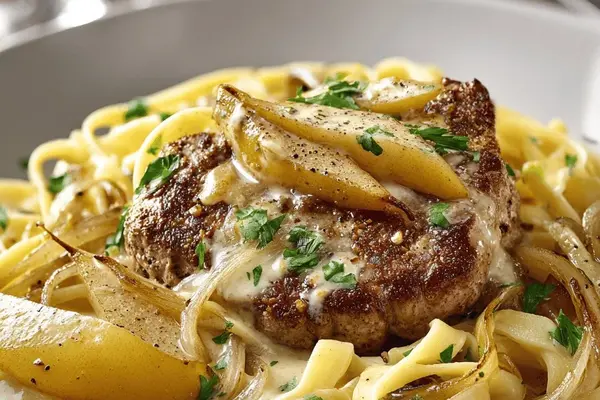
Veal Cutlets with Curry Pears
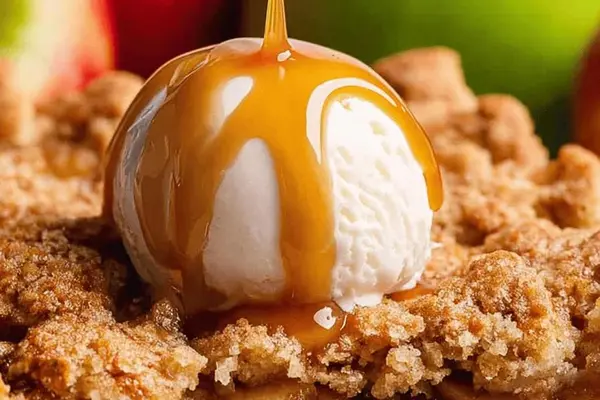
Apple Slab Pie Remix

Grilled Chicken Sandwiches Smashed Scallion Sauce

Rustic Baked Macaroni Cheese
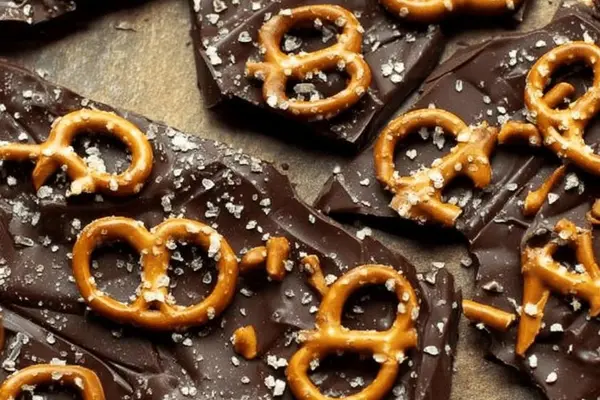
Salted Dark Chocolate Pretzel Bark

Crunchy Sesame Chicken Remix
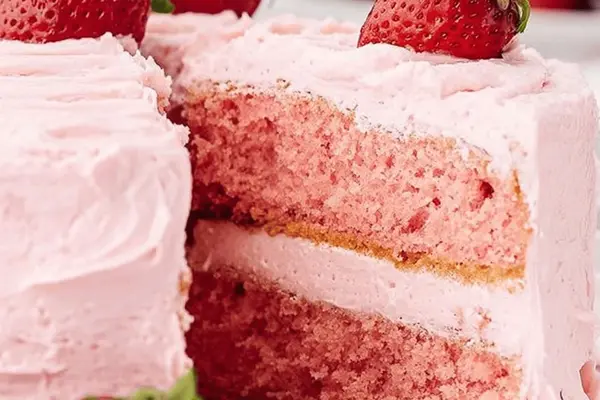
Reduced Strawberry Cake
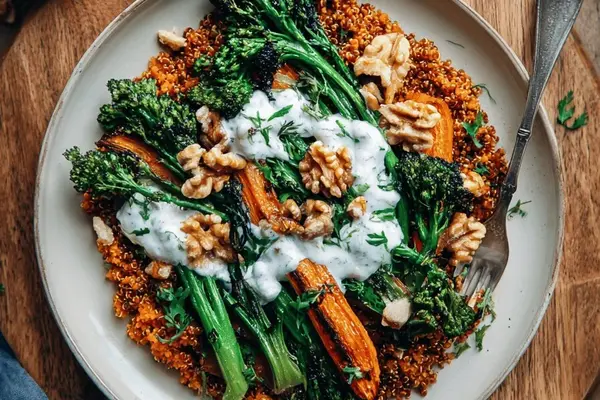
Sweet Potato Quinoa Pie
Strawberry Mousse Dessert
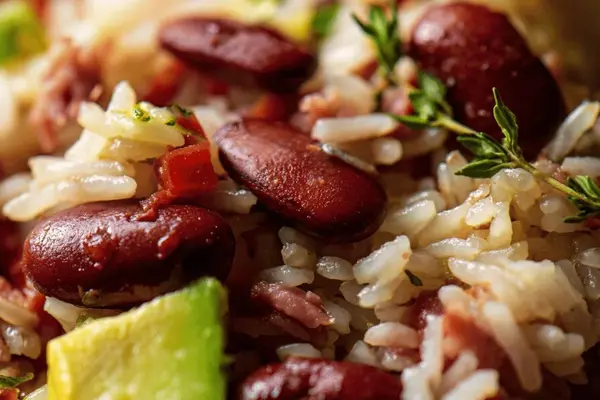
Sticky Rice Agrikol Style
Carrot Tahini Broccoli Soup

Smoky Lime Chipotle Remoulade
Twisted Cake Mix Brownies
Bourbon Bacon Jam Remix

Creamy Corn Maque Choux
Calvados Cured Salmon